





 Portuguese
  English
  Spanish
  5 min of reading
  0 comments


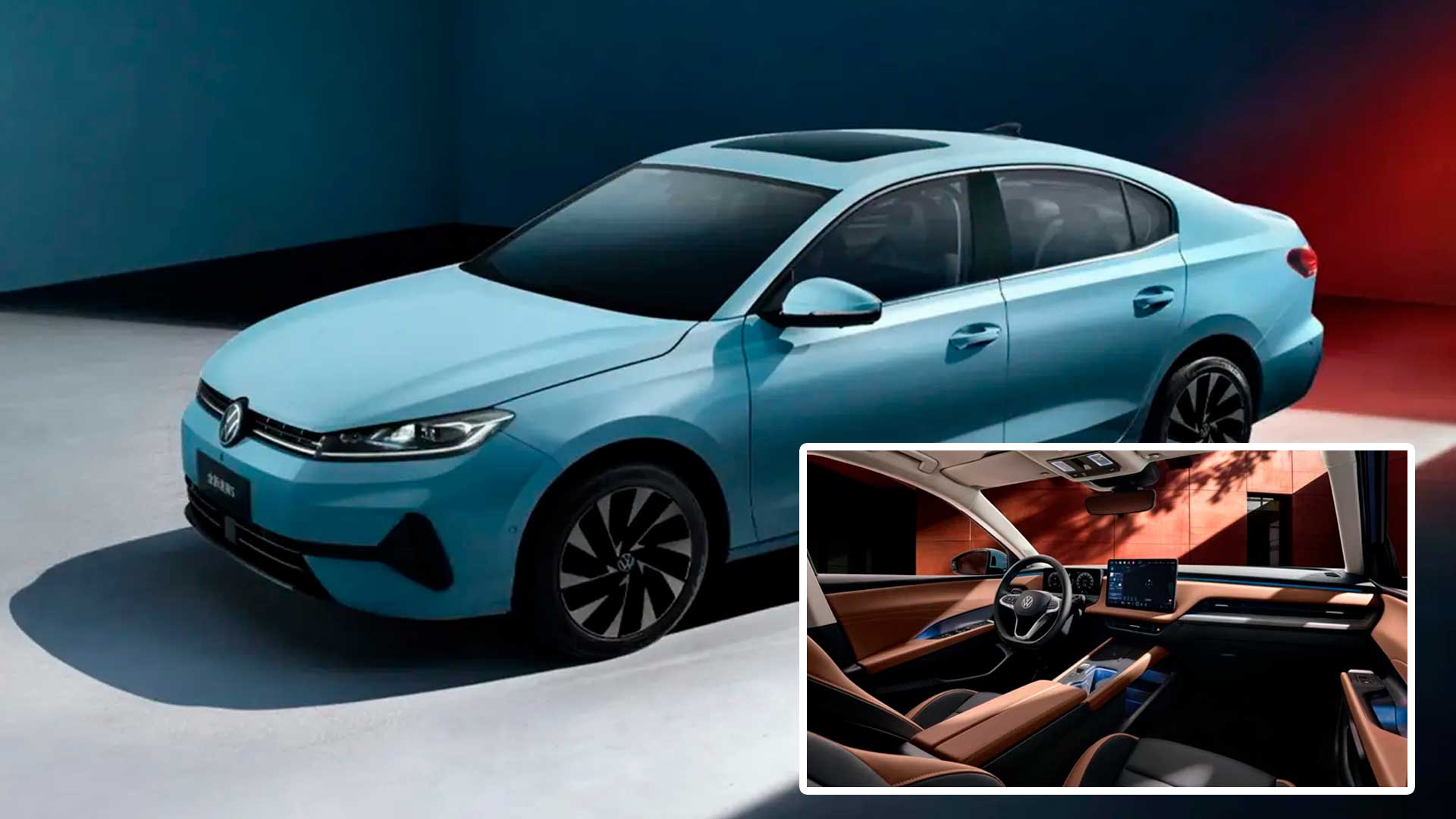
The new sedan from Volkswagen shows how the brand still bets heavily on gasoline cars in China, even amidst the advance of electric and hybrid vehicles
Volkswagen presented the Sagitar S 2026 in the Chinese market as part of a clear strategy to keep its line of combustion engine sedans alive. The model was developed by the joint venture FAW-Volkswagen and arrives with a lower cost proposal, a refreshed look, and a more tech-savvy cabin.
In practice, the car emerges as an alternative that stands out for delivering dimensions close to the Jetta, but with a much lower starting price. This helps explain why the Sagitar S has become a topic of discussion outside of China, especially among consumers who still prefer traditional sedans.
The move also reinforces an important trend in the Chinese industry. Even with the accelerated race towards electric vehicles, major automakers still find space for gasoline models when they can combine competitive pricing, a good tech package, and updated design.
-
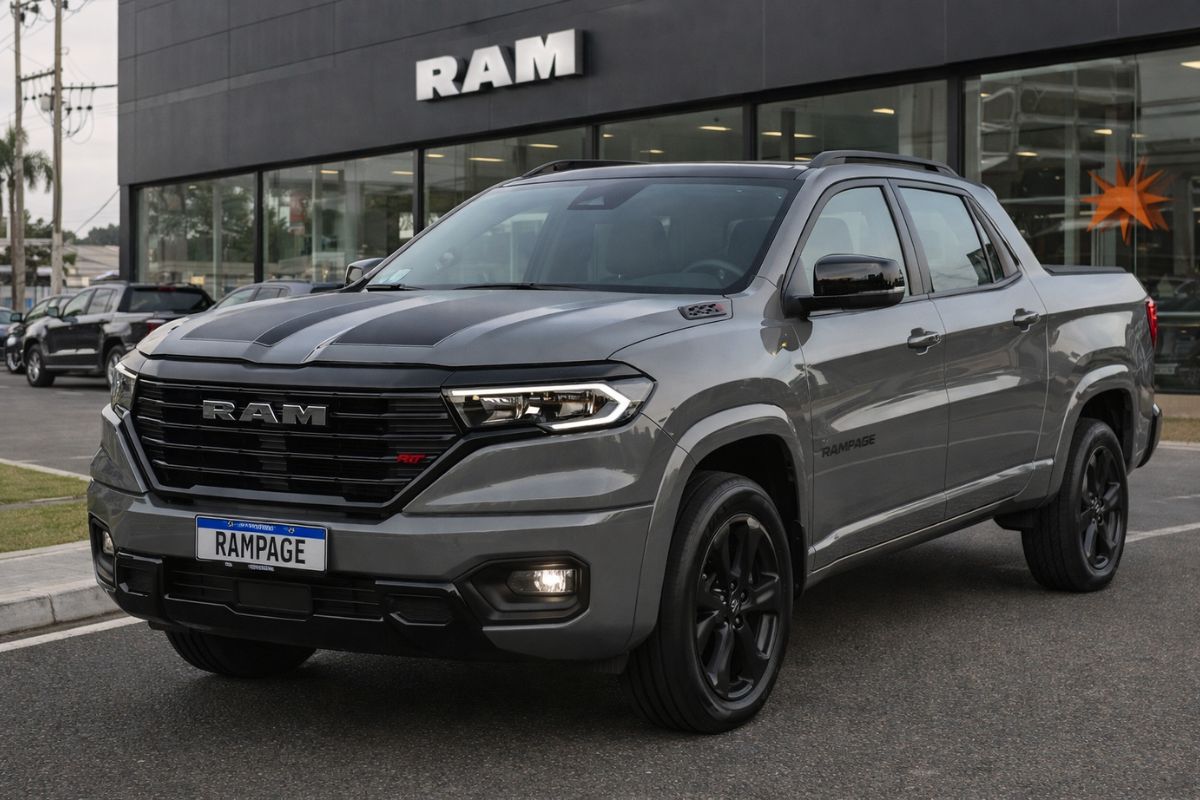
Ram had never made a flex engine in the brand’s history, but now the Rampage 2027 arrives in Brazil with 272 horsepower powered by gasoline or ethanol and is already available at dealerships.
-
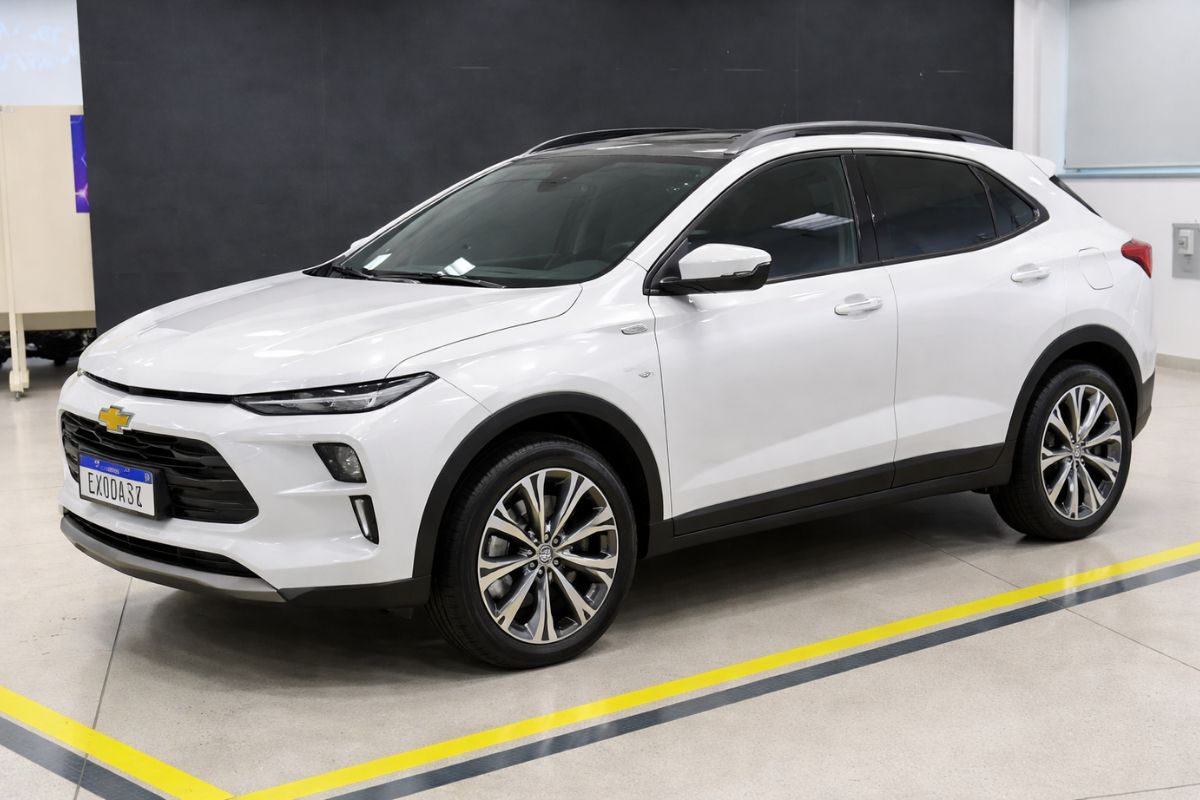
Chevrolet resurrected the Sonic name to create a coupe SUV that will arrive by June, costing R$ 900 million to develop, and was made to compete directly with Nivus and Fastback.
-
‘We will not survive,’ says Toyota’s CEO: the manufacturer of the world’s best-selling cars like Corolla and Yaris Cross feels the weight of its own perfectionism and rushes to avoid being ‘swallowed’ by China.

-
Cheaper than a latest-generation iPhone, these 5 used cars combine low maintenance, easily found parts, and prices starting from less than R$ 8,000.

In Volkswagen’s case, the bet was to transform an affordable sedan into a product with a more refined appearance and features that normally appear in higher categories. The result is a car that even makes the current Jetta seem older in several aspects.
Dimensions, platform, and design bring the Sagitar S closer to the Jetta, but with its own proposal for the Chinese market

The Volkswagen Sagitar S 2026 measures 4.70 meters in length and has a 2.68-meter wheelbase. It is 110 mm shorter than the Sagitar L launched in China last year and is also 35 mm below the Jetta sold in North America.
Despite this, the wheelbase practically replicates the Jetta’s base, which helps preserve the family sedan proposal. The model uses the well-known MQB platform, present in various global Volkswagen cars, reinforcing its already established technical foundation.
Visually, the sedan adopts clean lines and the classic three-volume body, maintaining the identity of the German brand. The sides resemble the Sagitar L, but the new model features conventional door handles, a simpler and more functional solution.

The front end has gained more rounded shapes, with narrow headlights and air intakes integrated into the bumper. The rear stands out for its full-width light strip and a diffuser painted in the body color, a set that brings the car closer to more sophisticated models and even evokes an Audi A5 in its visual proposal.
More tech-savvy interior, large digital dashboard, and assistance features put the Chinese sedan ahead of the current Jetta
Inside, the Sagitar S makes a significant leap compared to the Jetta known in other markets. The dashboard features a 10.25-inch instrument display and a 12.9-inch multimedia center, creating a more modern cabin aligned with what the Chinese consumer expects.
The physical controls for the air conditioning have been eliminated, but the steering wheel retains buttons to facilitate everyday use. Another relevant detail is the gear selector, which has been moved to the steering column, freeing up more space in the two-level central console.

The equipment package includes ambient lighting with 30 colors, integration with artificial intelligence, advanced voice recognition, and an ADAS level 2 system. This places the sedan in a technological tier above what many expect from an entry-level gasoline model.
Large trunk and two 1.5 engines show that Volkswagen still sees a future in combustion sedans
Practicality remains one of the strong points of the new sedan. The trunk offers 555 liters, a figure well above the 400 liters of the Jetta, which increases its appeal for family use and travel.
Under the hood, Volkswagen has maintained total focus on gasoline engines, with no electrified option. The entry-level version uses a 1.5 naturally aspirated four-cylinder engine, with 110 hp and 141 Nm of torque, paired with a six-speed automatic transmission.
For those seeking more performance, the brand offers a 1.5 turbo with 160 hp and 250 Nm of torque. In this case, the transmission becomes a 7-speed DSG, a combination that improves responsiveness and efficiency.
This mechanical set is part of Volkswagen’s strategy in China to develop, in parallel, electric vehicles and combustion models. In practice, the automaker tries to apply to traditional cars elements of technology and connectivity that have become common in the electric vehicle universe.
Low price in China exposes huge difference compared to the Jetta from Mexico and helps explain the appeal of the new Sagitar S
The most striking data is the price. The Volkswagen Sagitar S 2026 starts at 79,800 yuan, equivalent to about R$ 60,749, in the Chinese market.
Even the top-of-the-line version with a turbo engine costs 117,800 yuan, approximately R$ 89,649. This is an aggressive level for a sedan with this level of technology, interior space, and visual package.
The comparison with the Jetta Trendline sold in Mexico makes the difference even clearer. There, the model costs around R$ 132,495, which makes the Sagitar S priced at less than half the price in its initial configuration.
This difference highlights the weight of Volkswagen’s regional strategy and the strength of the Chinese market for affordable vehicles. It also shows how the partnership with FAW-Volkswagen allowed the creation of a product tailored for an audience that still values mid-size sedans with combustion engines but does not give up on modern appearance and good technological content.
The Sagitar S 2026 leaves an interesting discussion in the air. If a sedan of this size, with this package and this price makes sense in China, why do Latin American markets receive more expensive and less updated options? It is worth discussing whether this model would have space in Brazil and if Volkswagen should bring something similar here.









Seja o primeiro a reagir!