





 English
  Francês
  Alemão
  Italiano
  Japonês
  Norueguês
  Portuguese
  Spanish
  3 min of reading
  0 comments


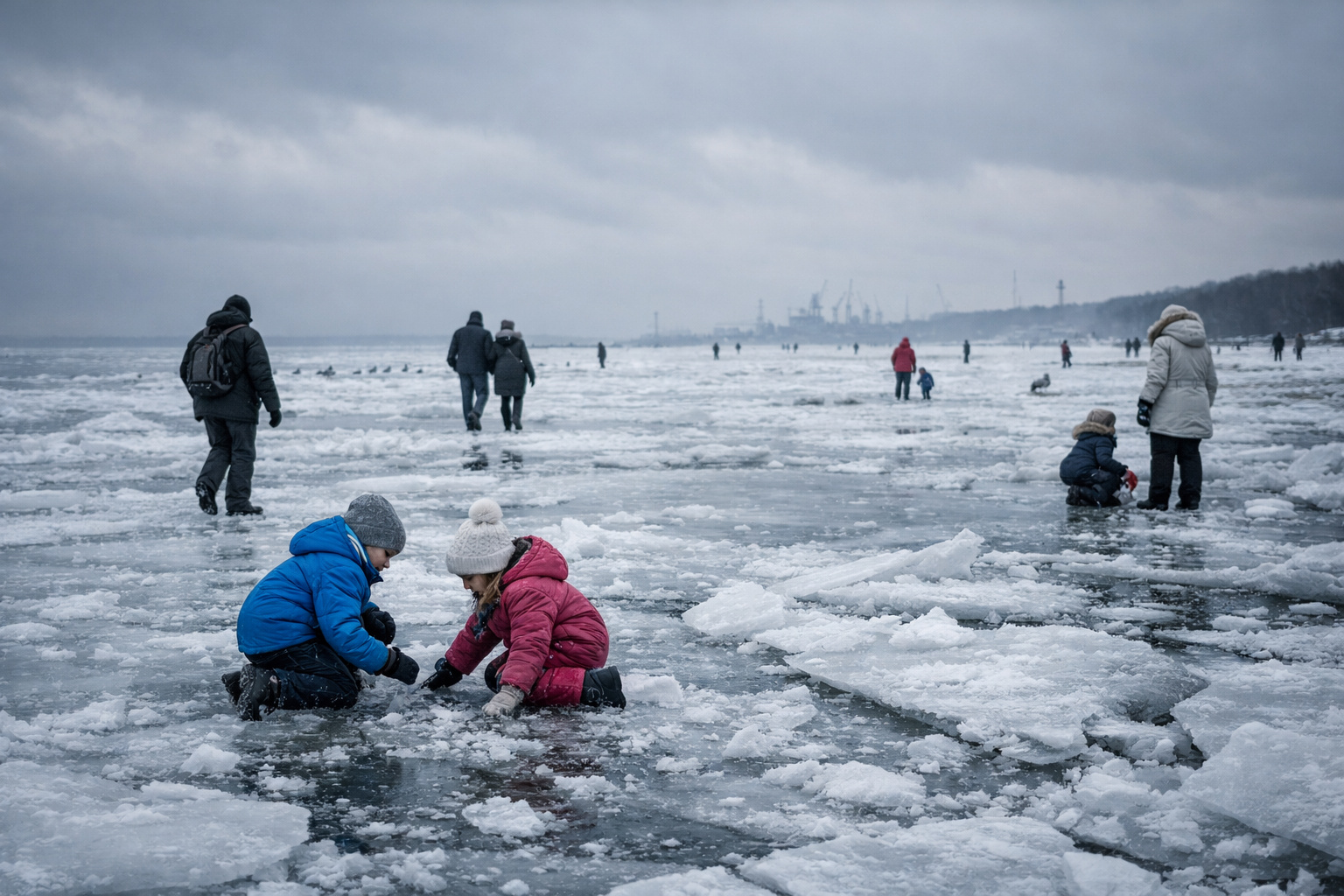
While Brazil faced heat near 50 °C, a rare phenomenon in the Baltic Sea surprised residents, who swapped diving for walking on the frozen surface
With thermometers approaching 50 °C in some regions of Brazil, imagining beaches covered in ice seemed practically impossible. Nevertheless, in an impressive contrast, the opposite scenario became reality in northern Poland in early February. At that time, the waters of the Gdansk Bay in the Baltic Sea partially froze, creating a rare landscape that quickly caught the attention of local residents.
The information was reported by Xataka and international media specializing in weather and natural phenomena, which highlighted how the event surprised even experts. This is because sea freezing is considered uncommon. Still, the phenomenon occurred and attracted many people, who began walking on the frozen water and capturing images of the moment.
Additionally, the region faced an intense cold wave in Europe, with temperatures reaching an impressive –22 °C in various areas of Poland. As a direct consequence, the natural scenery changed completely, transforming the beach into a kind of “ice rink” in the open air.
-
Seen from space, a colossal ‘Y’ cuts through the largest desert in China, blending a jade-filled river, red and white mountains, and revealing the absurd scale of the transformation of the Taklamakan surrounded by a green wall with billions of trees.

-
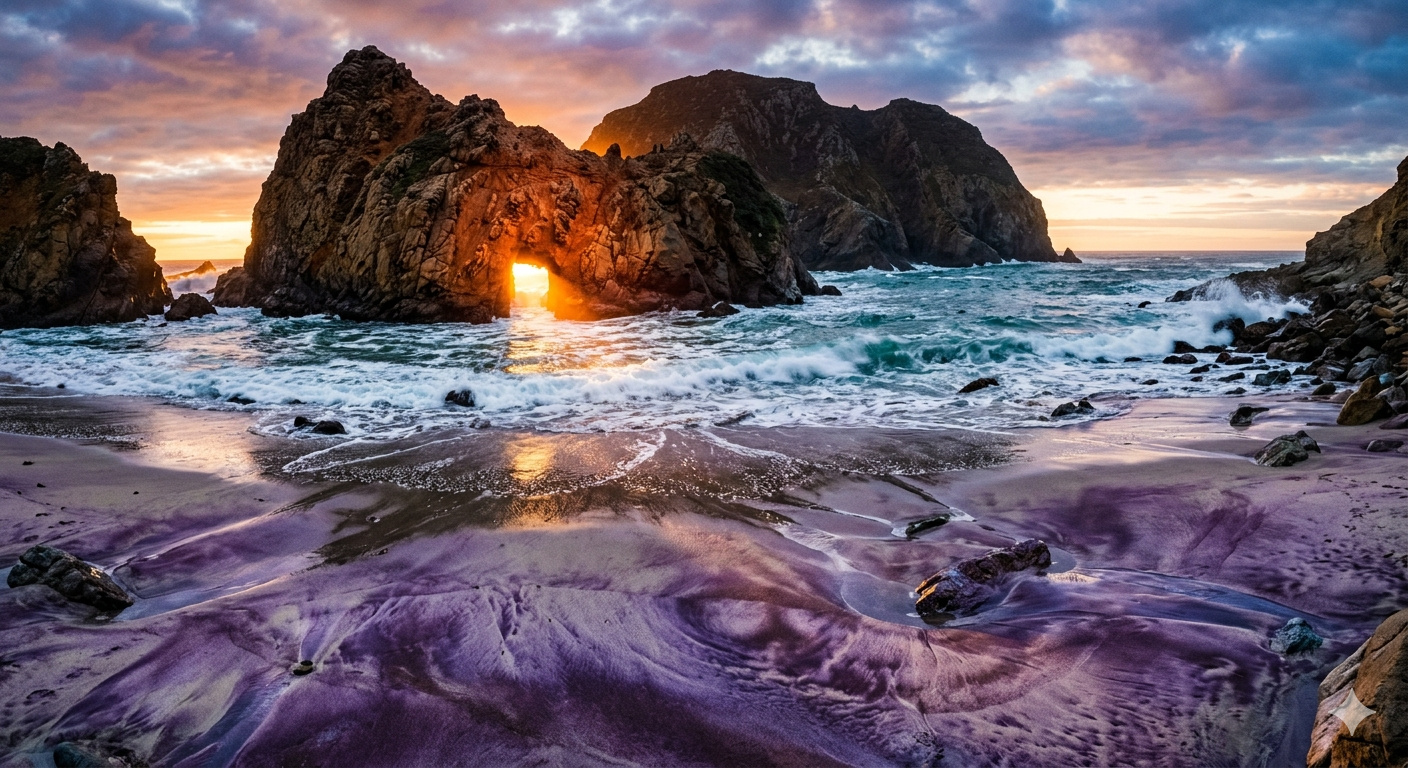
The Pacific Ocean reveals what the cliffs of Big Sur have hidden for millennia: Pfeiffer Beach, in California, features swirling purple sand formed by garnet crystals and displays a stone arch that is illuminated by the sun in winter for just a few days each year.
-
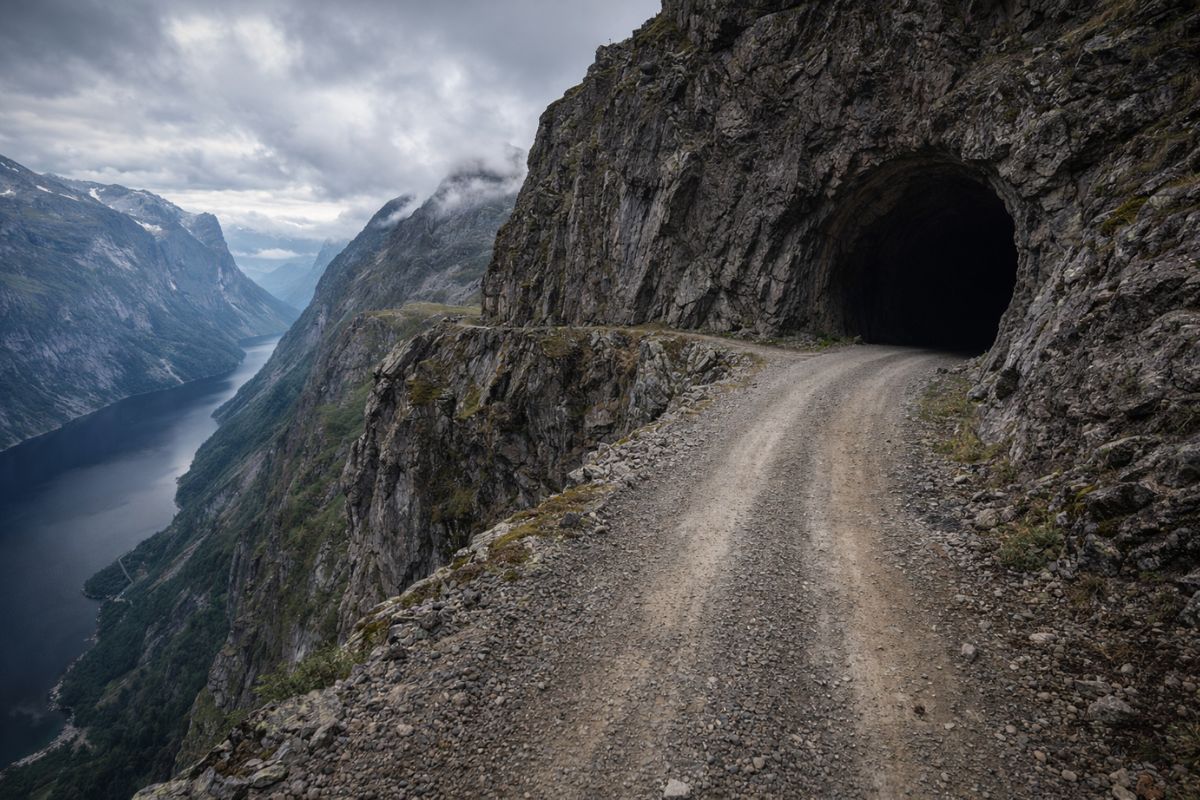
Aursjøvegen in Norway is a 100-kilometer gravel road that crosses chasms and dark tunnels carved into the rock at an altitude of 947 meters in the fjords and is only open for four months a year.
-
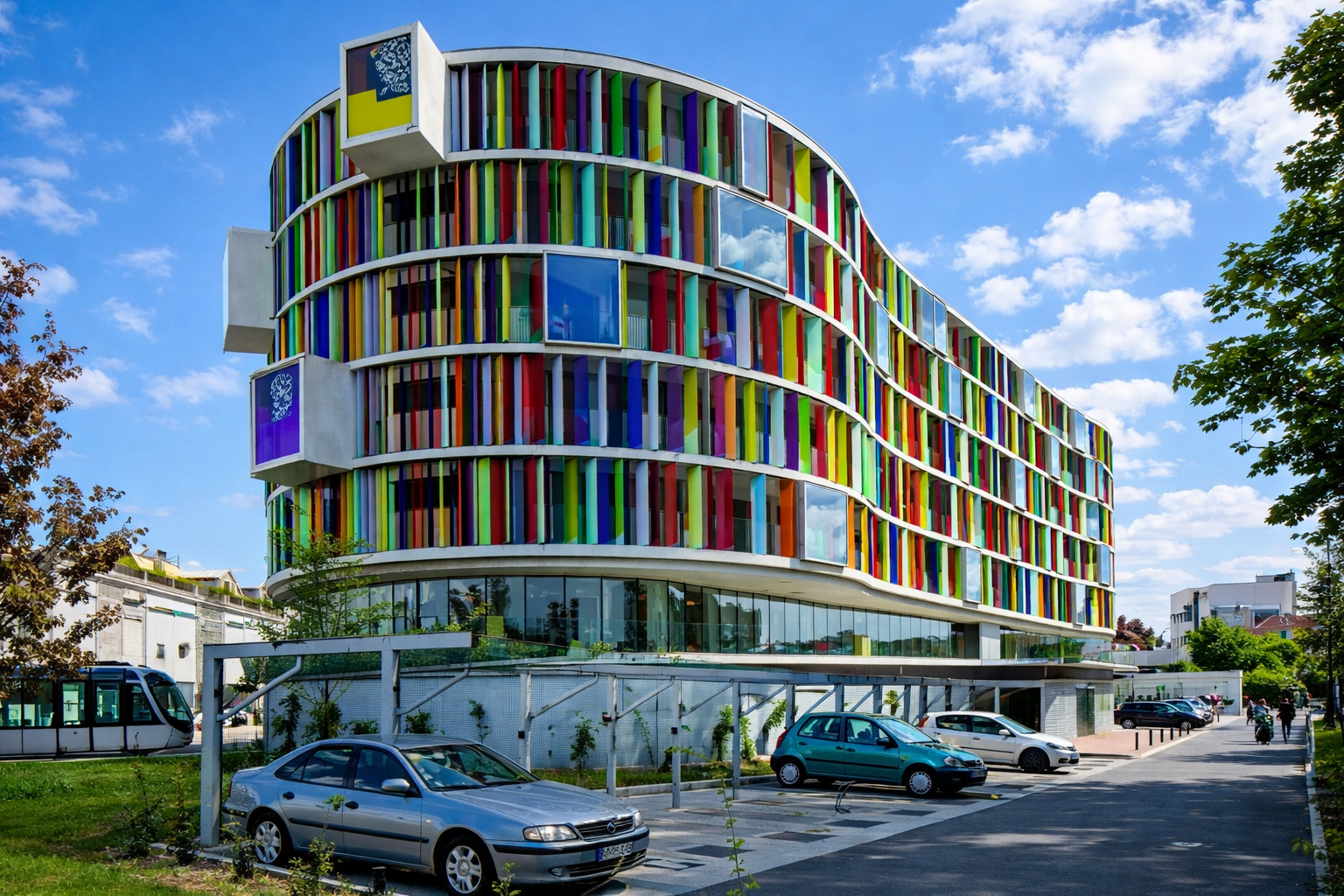
With about 4,000 m², the building constructed in a traditional neighborhood in France looks like a rainbow, has a colorful facade, mixes vibrant glass, and creates one of the most unusual visuals in Bordeaux.


Extreme cold transformed the sea into ice and created a rare scenario that attracted entire families
Initially, the phenomenon began gradually, with the formation of a thin layer of ice on the sea surface. However, as temperatures remained persistently below zero and the winds stayed weak, the freezing progressed rapidly.
Consequently, the landscape transformed radically. The traditional division between sand and water practically disappeared, giving way to a solid and continuous surface. This allowed residents to move relatively freely over the ice, something extremely unusual in maritime environments.
In light of this rare scenario, entire families went to the beach to observe the phenomenon. Children played on the frozen water, while adults walked, explored the area, and recorded videos that quickly spread across social media.
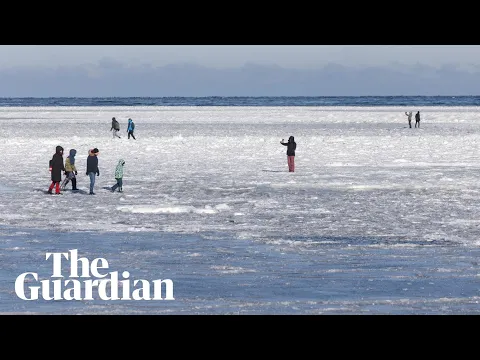

In addition to the impressive visual impact, the event also sparked scientific curiosity. After all, sea freezing requires a quite specific combination of factors, which makes this type of occurrence even rarer and more significant.
Why the sea almost never freezes and what allowed this phenomenon to happen
Unlike rivers and lakes, the sea does not freeze easily. This is because saltwater has characteristics that hinder ice formation. The salt directly interferes with the crystalline structure, lowering the freezing point to about –2 °C to –3 °C.
Still, when certain conditions aligned, the phenomenon became possible. Firstly, the region of the Gdansk Bay has ideal characteristics, such as shallow and relatively protected waters. Additionally, temperatures remained below zero for several consecutive days.
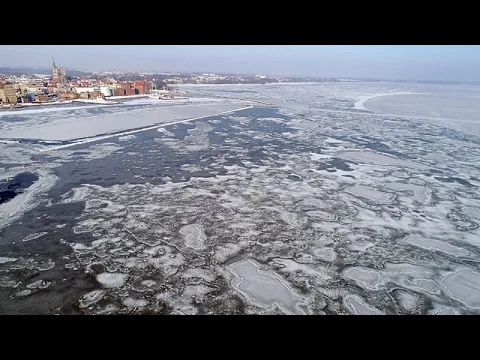
Another essential factor was the absence of strong winds. This is because water movement prevents ice formation. Therefore, calm waters without intense waves directly favored the freezing of the surface.
In this context, what occurred in Poland was the result of an extremely specific combination of factors: prolonged intense cold, low wind action, and favorable geographical conditions. Thus, the ice managed to form and advance over the sea.
Finally, it is worth noting that this same mass of cold air also caused snowstorms in various regions of Europe. In the following days, it continued advancing towards Central Europe, keeping the alert for new episodes of extreme cold during the European winter.
Could you imagine walking on frozen sea at –22 °C, or do you prefer the extreme heat that reached nearly 50 °C in Brazil?








Seja o primeiro a reagir!