





 Portuguese
  English
  Spanish
  4 min of reading
  0 comments


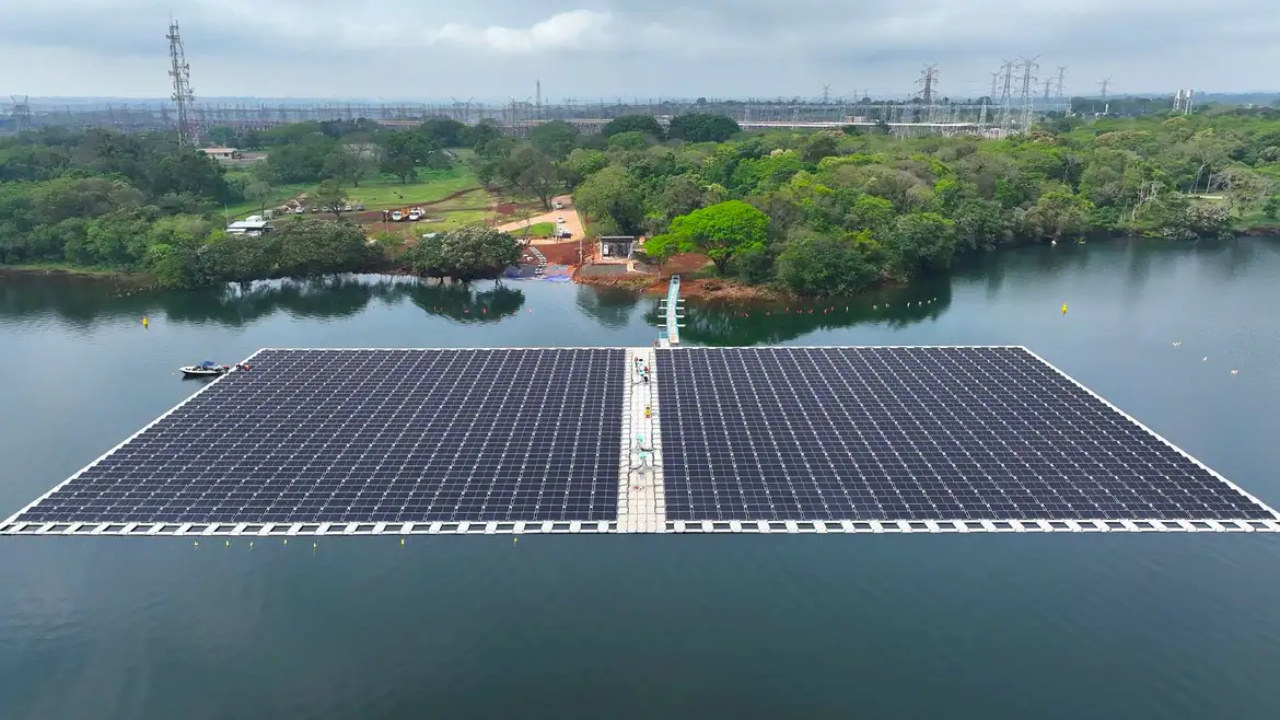
Itaipu Hydroelectric Plant Completed First Phase of Floating Solar Island Assembly on Paraná River. The Pilot Project, Which Includes Over 1,500 Panels, Promises to Generate Renewable Energy for Internal Consumption and Pave the Way for Future Sustainable Expansions.
The Itaipu hydroelectric plant, located on the border between Brazil and Paraguay, reached an unprecedented milestone in its history, as reported this Monday, 06. The company completed the assembly of the first phase of the pilot project for a floating solar island, which promises to diversify the hydroelectric plant’s energy matrix and reinforce its commitment to renewable sources.
In total, 1,568 photovoltaic panels were installed and anchored on the bed of the Paraná River reservoir, which powers the 20 turbines of the plant. The area occupied by the project is 7,600 square meters, equivalent to almost an entire soccer field, creating an impressive floating structure that is pioneering in South America.
Solar Energy and Hydroelectric Power in Harmony
The next step of the project involves the installation of power and communication cables, in addition to conducting cold and hot tests to validate the system’s operation. The company’s expectation is to begin official operation in November, reaching 1 MWp (megawatt-peak) of maximum capacity.
-
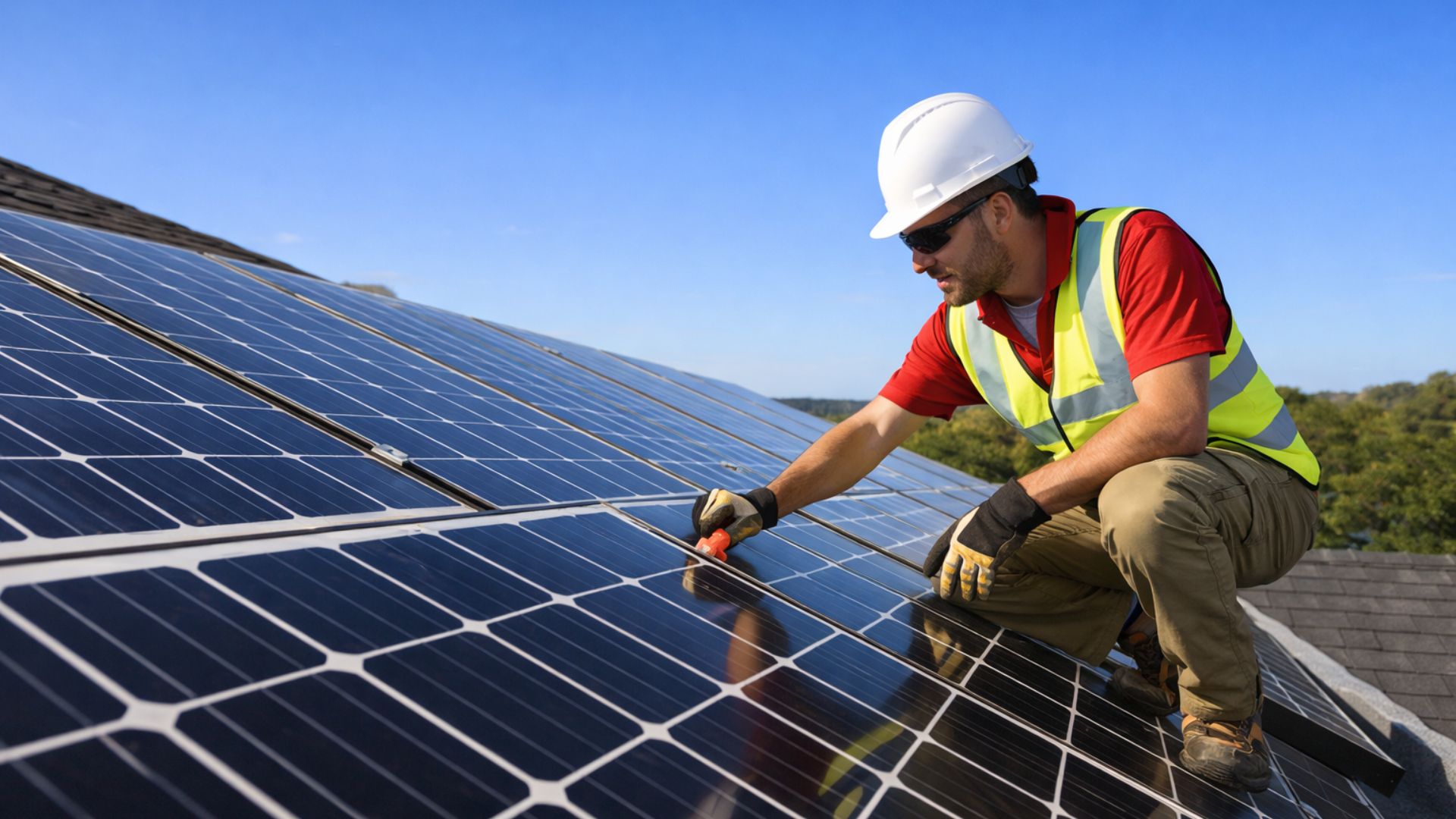
Seagri’s headquarters invests in solar energy with Neoenergia Coelba and promises to cut electricity costs, highlighting a strategic advance in sustainability and energy efficiency within state public administration.
-
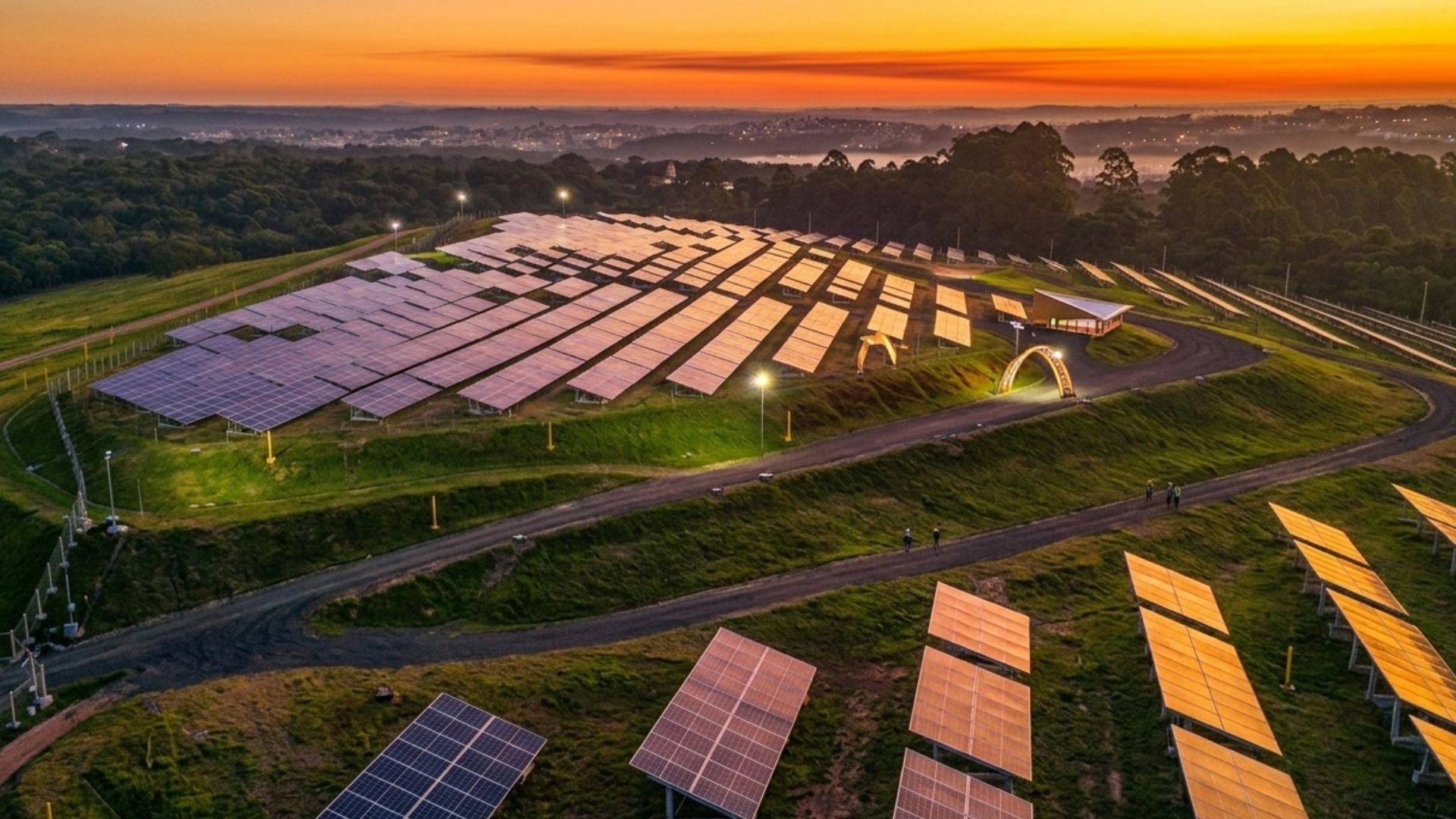
Solar Pyramid draws attention by converting solar energy into million-dollar savings and repositioning the City Hall of Curitiba as an example of innovation, sustainability, and intelligent use of public resources.
-
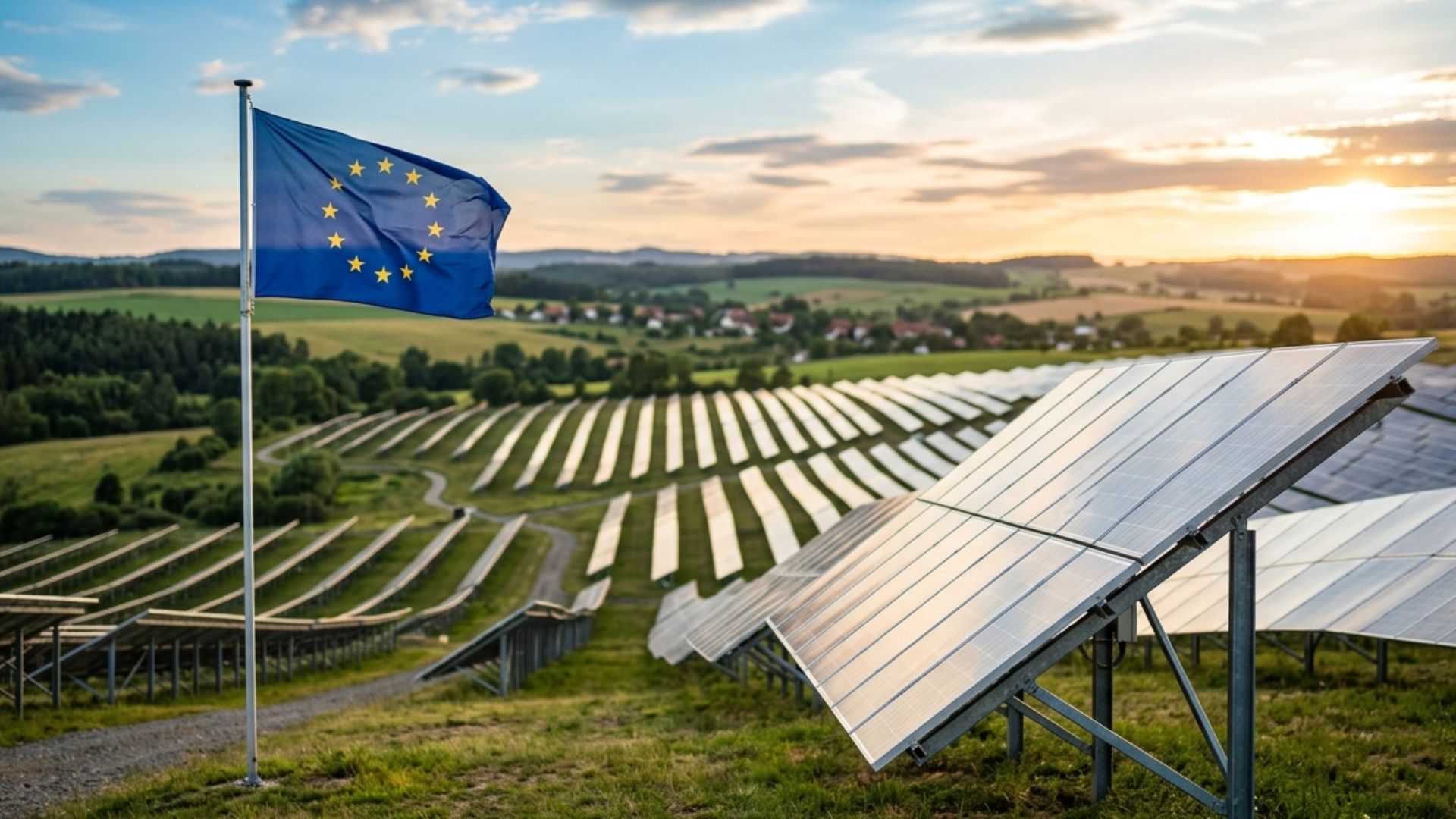
Europe records strong euro economy with solar energy in March and sparks curiosity about which country leads growth that redefines the energy market and reduces costs.
-
Piauí reaches a historic milestone in energy transition: State records nearly 160,000 households powered by solar energy and leads growth in the Northeast.

This volume of generation is sufficient to supply approximately 650 households, and all the energy will be allocated for internal consumption of the plant itself. The project reinforces Itaipu’s pursuit of self-sufficiency and sustainability, aligning with global energy transition goals.
According to engineer Márcio Massakiti Kubo, from Itaipu’s Renewable Energy Superintendence, the schedule underwent minor adjustments due to rain and the priority given to team safety. “The timeline experienced minor adjustments due to the rains and the need to ensure the safety of workers and the operation of the hydroelectric plant,” he explained.
He also emphasized that the assembly of the solar island requires heightened attention as it is close to sensitive areas, such as the spillway — a structure responsible for releasing excess water — and the plant’s safety nautical zone.
Investment and Binational Partnership Strengthen the Project
The total investment in the project is US$ 854,500, approximately R$ 4.5 million, financed by Itaipu Binacional. The execution is under the responsibility of a consortium formed by the companies Sunlution (Brazilian) and Luxacril (Paraguayan), winners of the bidding process.
The cooperation between the two countries reinforces the importance of Itaipu as a symbol of energy and diplomatic integration between Brazil and Paraguay. The hydroelectric plant, which already accounts for about 9% of the energy consumed in Brazil, now positions itself as a reference in innovation in renewable energies.
One Year of Testing and Continuous Environmental Assessment
With the assembly phase completed, the solar island now enters a period of 12 months of assessment. During this time, technical performance, energy efficiency, and potential environmental impacts of the system will be monitored.
According to Itaipu, “no significant impacts have been identified in the specialized literature, which encouraged the implementation of the project”. Nevertheless, the plant will maintain constant monitoring of environmental aspects, such as water quality, presence of algae, and changes in the habitat of birds and fish.
The goal is to ensure that the generation of floating solar energy is compatible with the reservoir’s ecosystem, preserving the region’s biodiversity and establishing the model as a reference for sustainability.
Potential for Expansion and Future Impact of the Solar Island
According to estimates from Itaipu, if only 1% of the reservoir area were covered by solar panels, it would be possible to generate up to 3.6 TWh per year — equivalent to 4% of the plant’s total production in 2023. This projection demonstrates the enormous potential for project expansion.
The superintendent of Renewable Energy at Itaipu, Rogério Meneghetti, highlighted that, in the future, if the project can cover 10% of the reservoir, production could reach 14,000 MW, double the current capacity of the hydroelectric plant.
Despite this, he notes that not all areas can be utilized. “Excluded, for example, are the navigation and fish spawning areas,” Meneghetti explained. This limitation reinforces the importance of technical and environmental planning for the sustainable growth of the initiative.
Itaipu Expands the Frontiers of Clean Energy
In addition to the floating solar island, Itaipu is developing other projects focused on energy transition, such as research on green hydrogen and biodiesel. One of the company’s most innovative initiatives involves turning seized smuggled products into biogas, reinforcing its commitment to a circular economy and waste utilization.
The plant, which recently reached the historic milestone of 3.1 billion megawatt-hours (MWh) produced since 1984, continues to be a global benchmark in energy efficiency. To give an idea of the magnitude of this number, this production would be enough to power the world for 44 days or Brazil for over six years.
With the floating solar island, Itaipu shows that innovation and sustainability can go hand in hand, paving the way for a new era of clean energy in South America.









Seja o primeiro a reagir!