





 Portuguese
  English
  Spanish
  3 min of reading
  2 comments


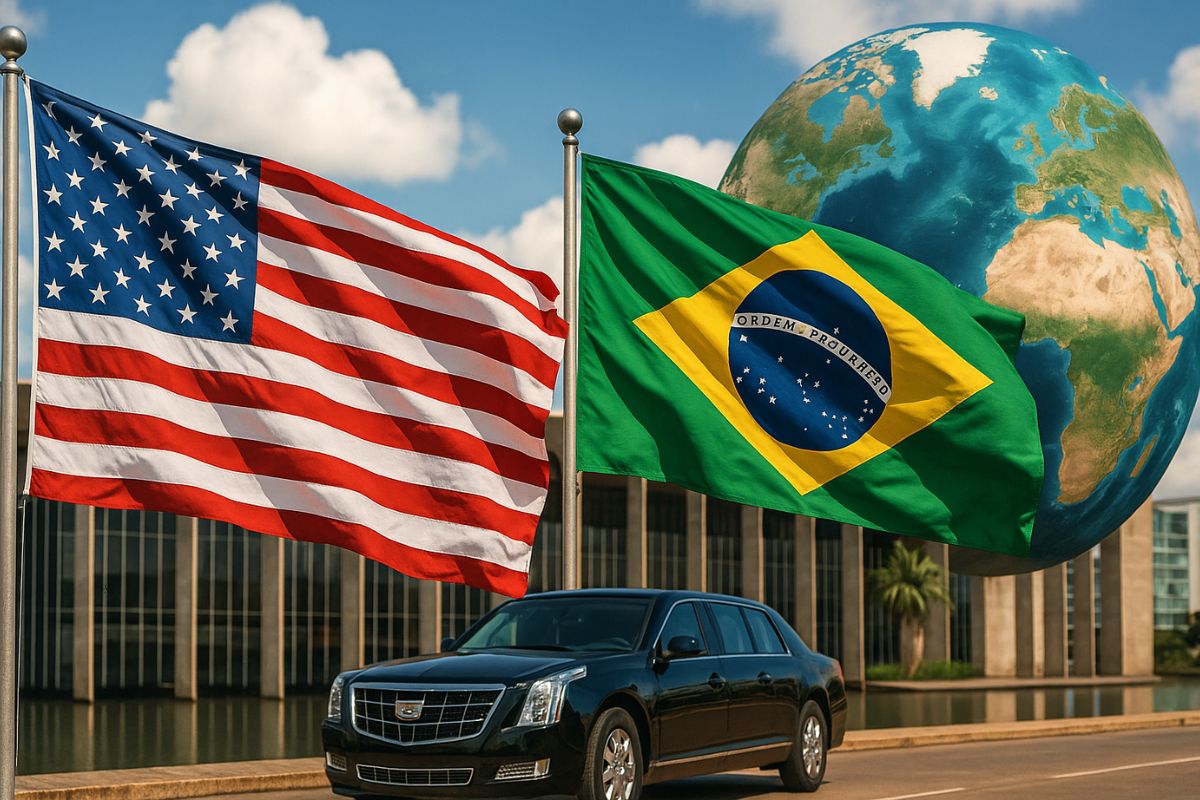


U.S. Official Statements Target Alexandre de Moraes and Heighten Diplomatic Tension Between Brasília and Washington.
The Itamaraty summons the head of the U.S. embassy in Brasília, Gabriel Escobar, for clarification after new threats of punishment against Supreme Federal Court (STF) ministers. This measure comes after posts from the U.S. diplomatic mission on social media asserted that Minister Alexandre de Moraes is “the main architect of censorship and persecution against Bolsonaro” and insinuated that other judges could also be targets of sanctions.
The diplomatic action was motivated by a escalation of statements that, according to the Brazilian government, constitute interference in internal affairs and an attack on national sovereignty. The messages, attributed to the Trump administration, reinforce that Moraes’ allies in the Judiciary and other spheres “are warned not to support or facilitate” his decisions, and that the situation is being “monitored closely” by Washington.
External Pressure and Reaction from the Brazilian Government
According to reporting from Folha de S.Paulo, the summoning of Escobar took place on the morning of this Thursday (8), with the meeting conducted by Ambassador Flávio Goldman, the acting head of the Europe and North America Secretariat of the Itamaraty. Sources from the Ministry of Foreign Affairs state that Goldman expressed “indignation with the tone and content” of the posts, classifying them as unacceptable threats and an example of interference by a foreign government in an autonomous Brazilian power.
-
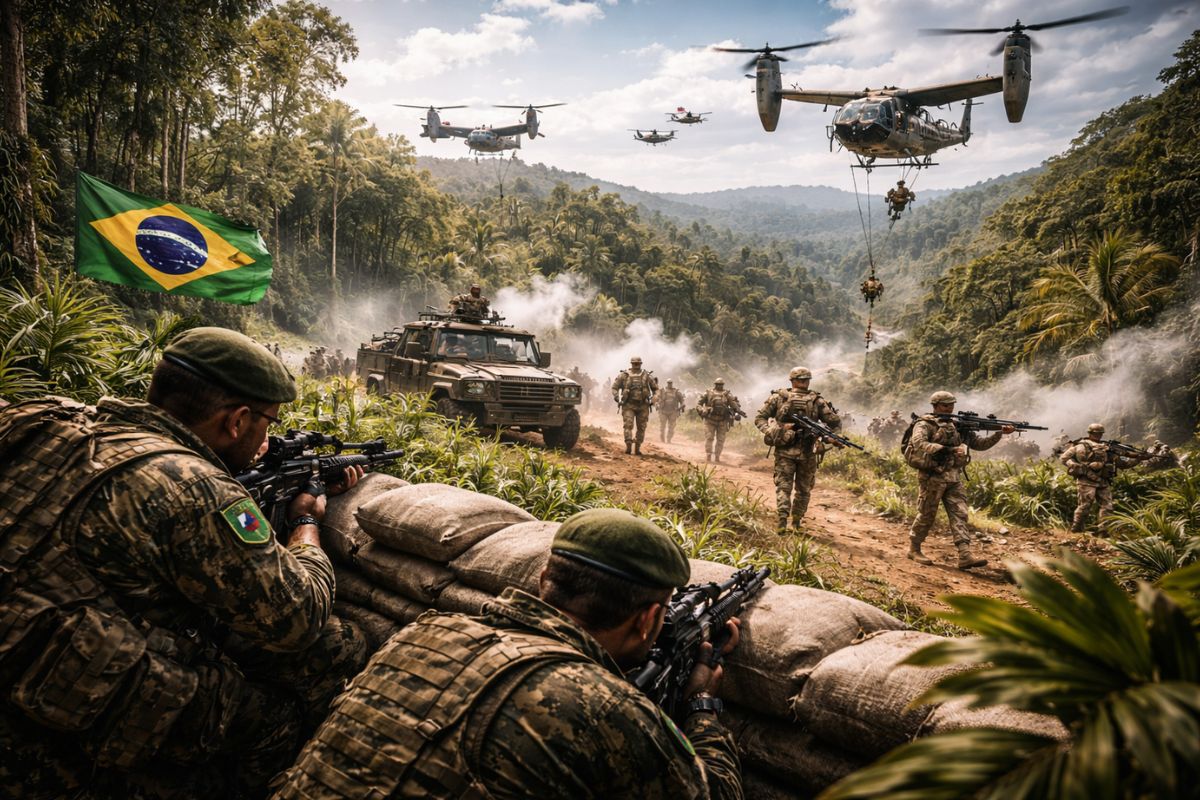
If the USA were to go to war with Brazil, Washington’s greatest fear would not be the attack itself, but facing a vast territory, prolonged resistance, and a costly, chaotic, and unpredictable occupation.
-
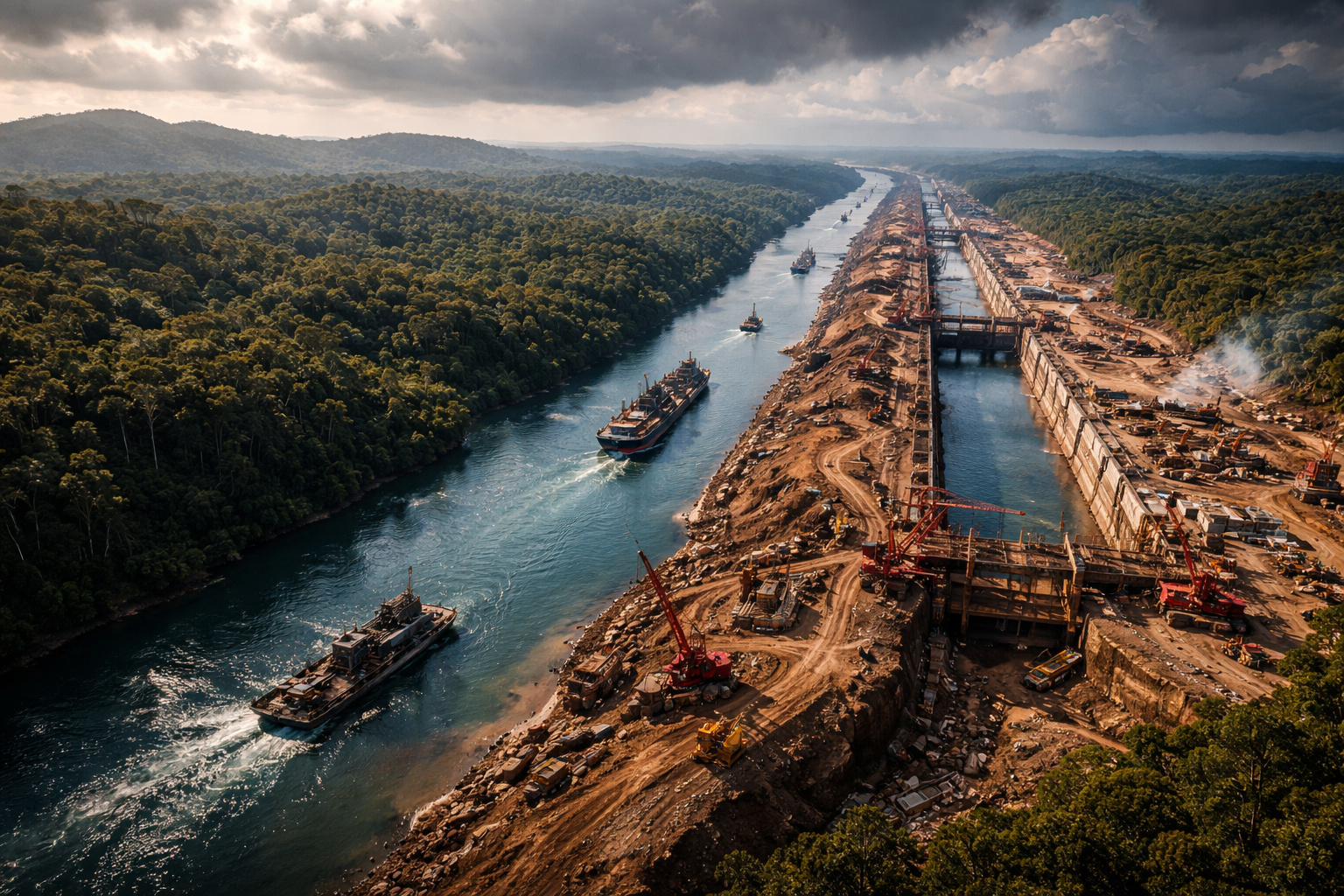
In 2013, Nicaragua sold the concession for a canal to rival Panama to a Chinese billionaire who lost 85% of his fortune, disappeared, and was declared bankrupt. Now the project resurfaces with a new route, a new Chinese partner, and a cost of $64.5 billion.
-
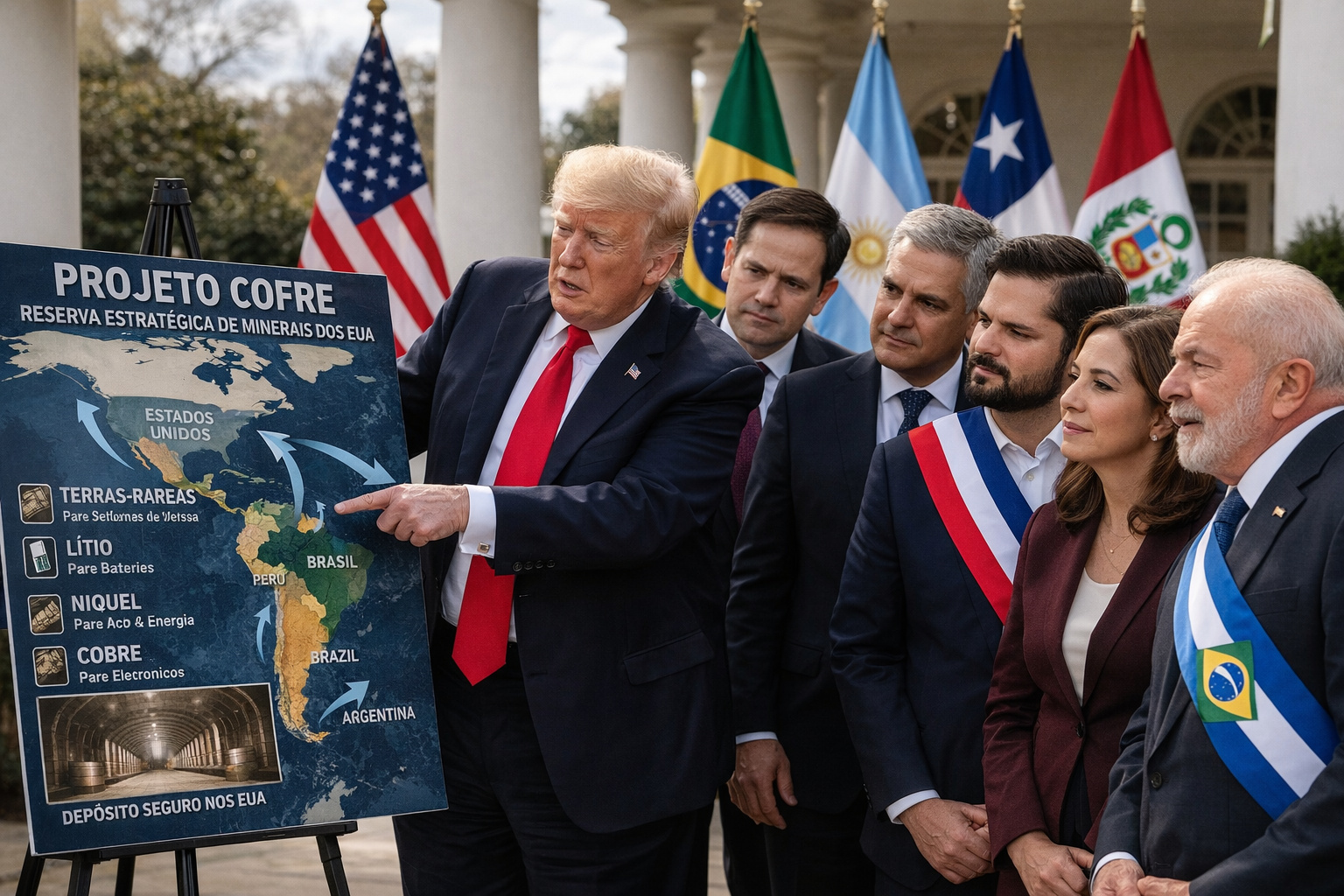
The USA announces a mysterious billion-dollar vault project to store critical minerals, but what intrigues experts is not just the plan itself, but why Latin America, including Brazil, has entered the center of this global dispute against China.
-
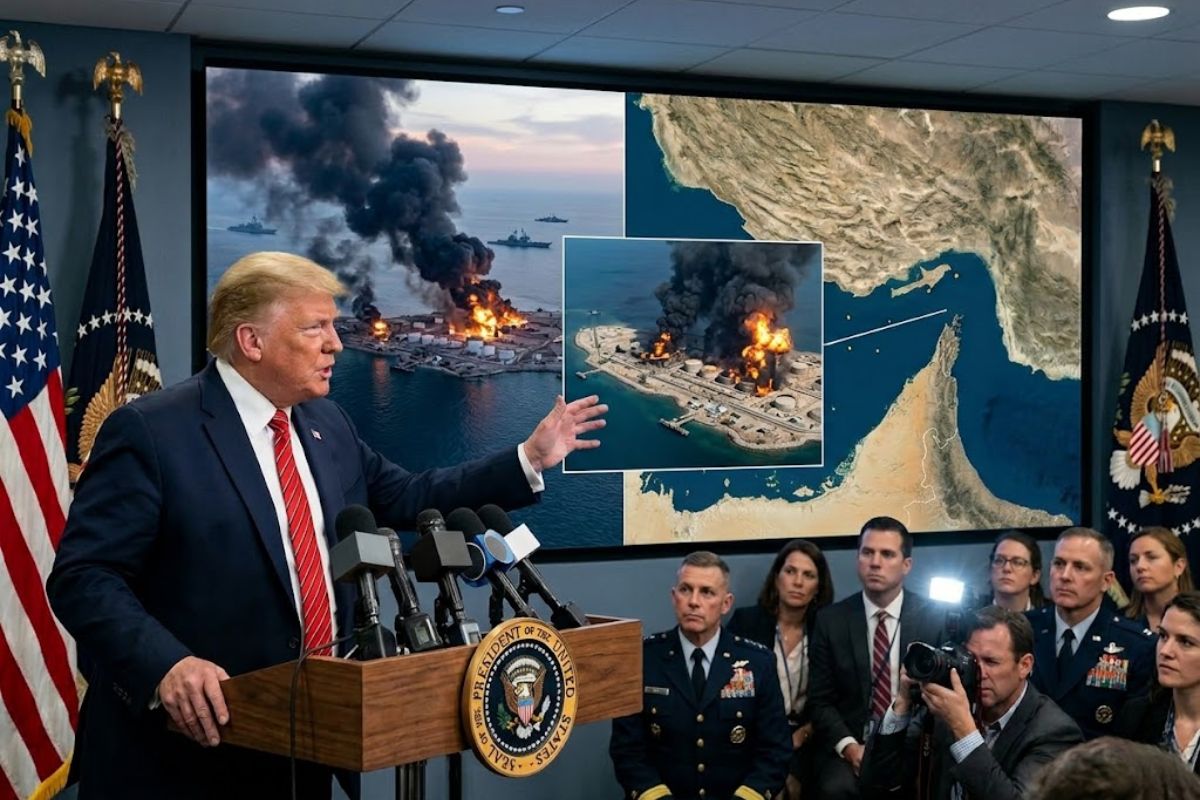
Trump Announces Bombing of U.S. Military Targets on Iranian Island Responsible for About 90% of Iran’s Oil Exports, Warns of Further Attacks if Navigation in Strategic Strait of Hormuz Is Threatened

The diplomat emphasized that sovereignty and democracy are non-negotiable, and that Brazil remains willing to dialogue on trade issues, but will not accept intimidation directed at the STF or any national institution. This is at least the second time in less than a year that the head of the U.S. diplomatic mission has been summoned to explain criticisms of the Judiciary.
Political Context and Risks to the Bilateral Relationship
The new crisis occurs amid the escalating relationship between the U.S. government, under Trump’s influence, and Brazilian authorities following Jair Bolsonaro’s house arrest. Moraes, the case rapporteur at the STF, determined the precautionary measure, a decision that will now be reviewed by other ministers of the Court’s First Chamber — which could broaden the scope of American sanctions.
Political analysts point out that this external offensive, in addition to straining the diplomatic environment, puts strategic bilateral agendas at risk, including negotiations on import tariffs and trade cooperation. For international law experts, like Judge Marlon Reis, there are grounds to trigger multilateral instances, such as the Inter-American Court of Human Rights, if it is determined that there has been a violation of judicial independence.
Possible Impacts and Next Steps
Although the Itamaraty has opted for the traditional diplomatic route, summoning the American representative for accountability, there is skepticism about the effectiveness of this measure. This is because, according to observers, previous similar actions did not prevent the continuation of threats.
Domestically, there is growing expectation that the STF will maintain its autonomy against external pressures, while on the external front, Brazil seeks to reinforce that the independence of the Judiciary is a cornerstone of democracy. Nonetheless, there is concern that the episode may be used politically both in Brasília and in Washington.
Do you think Brazil should adopt stricter measures against these statements from the U.S. or is diplomatic response sufficient? Leave your opinion in the comments — we want to know your views on this impasse.










A ação do governo dos Estados Unidos é contra os atos antidemocráticos de Alexandre de Moraes ao impor sanções a empresas e cidadãos americanos, além de estar paulatinamente implantando criminosamente uma **** no Brasil, porquanto descumpre frontalmente a Constituição Federal, impondo perseguições políticas e censura a oposicionistas do atual governo.
Essa palhaçada de trump já tá na hora parar, ou seja, vamos buscar parceiros mais confiáveis e reforçar os laços com a China., em todas as áreas..