





 English
  Francês
  Alemão
  Italiano
  Japonês
  Norueguês
  Portuguese
  Spanish
  5 min of reading
  0 comments


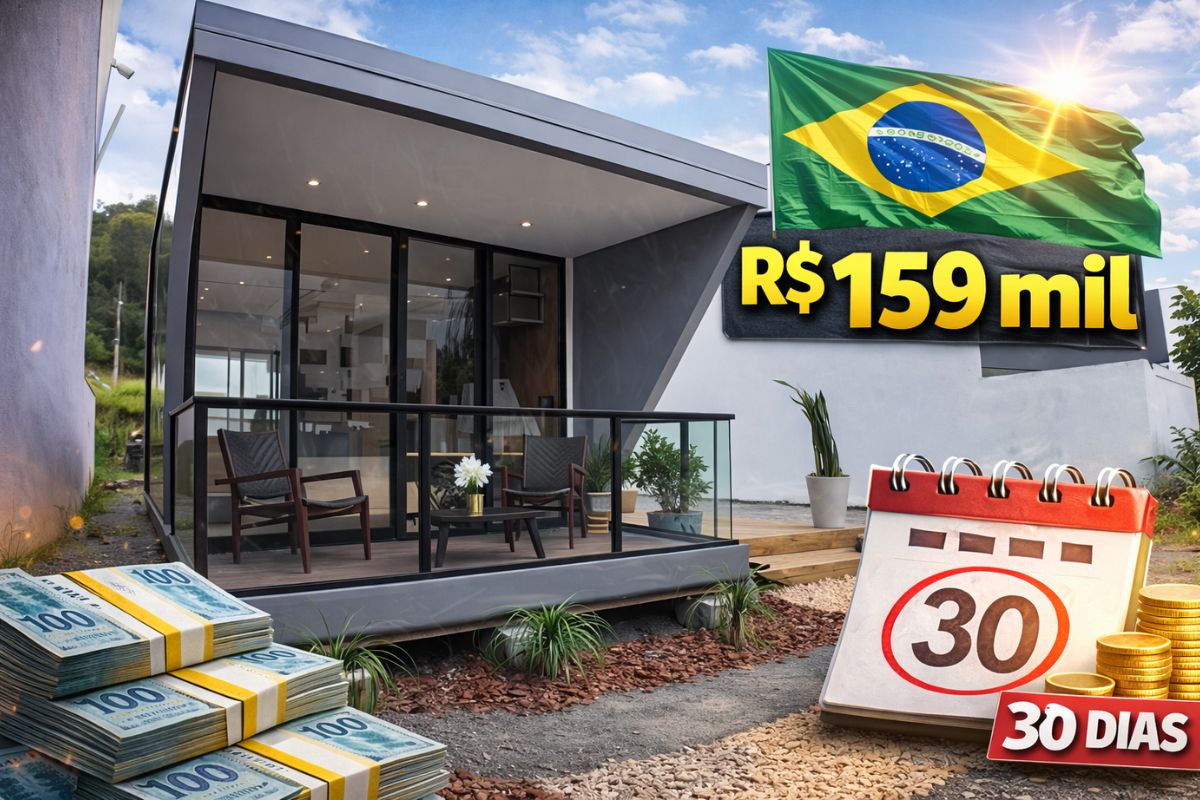
The capsule house manufactured in Brazil uses the same construction technology as nautical vessels, with six layers of fiberglass and complete internal finishing. With 29 m², delivery in 30 days and a price of R$ 159 thousand, the model dispenses masonry work and can be installed on any land.
A capsule house made entirely of fiberglass, using the same technology employed in the construction of nautical vessels, is being manufactured in Itajaí, on the coast of Santa Catarina. The unit has 29 m², comes with complete internal finishing, costs R$ 159 thousand in the furnished version, and is ready in 30 days. The model is produced by a shipyard with over 10 years of experience in the nautical market, which now applies the same construction process of yachts and boats to transportable homes.
Unlike capsule houses imported from China, which arrive with higher prices and complex logistics, the Brazilian model offers practical advantages: local manufacturing, easier warranty, total interior customization, and accessible technical assistance. The capsule house is not classified as civil construction, which simplifies the installation bureaucracy and allows the owner to transport it to any land in the country.
What is the Brazilian capsule house and how is it manufactured

The capsule house is a compact housing unit built from fiberglass using the lamination process, the same used in boat and yacht manufacturing. The model is produced by RF Capsule House, in a shipyard located in Itajaí, Santa Catarina.
-
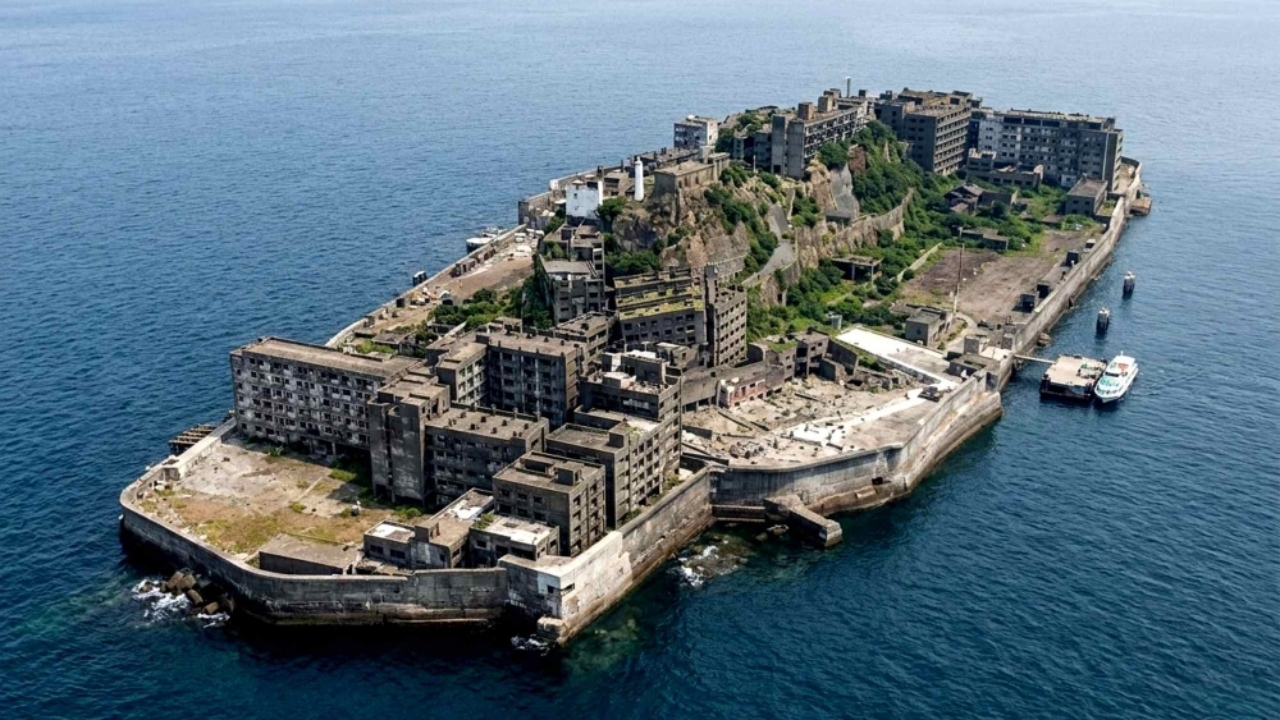
On a tiny island of 6.3 hectares, Mitsubishi created a city for over 5,000 residents, sustained by underwater coal mining, until the project’s collapse left ruins that still impress Japan.
-
Scientists open a 1-million-year-old capsule in New Zealand and find fossils of 16 species that reveal extinctions caused by volcanoes and climate changes before humans.

-
Explorers find Roman treasure trapped between rocks on the seabed for nearly 1,600 years and reveal a desperate attempt to hide 53 gold coins during the invasions of the Empire.

-
Archaeologists discover Roman vase buried for over 2,000 years with more than 175 intact gold and silver coins, revealing a desperate strategy to protect wealth during the collapse of the Empire.


The company has been active in the nautical market for 11 years, started manufacturing capsule houses in 2024, and delivers each unit within 30 days after the order.

The structure of the capsule house consists of six layers of fiberglass, with internal structural reinforcement in steel and finishing in steel frame. Between the layers, there is thermal and acoustic insulation with fiberglass, ensuring comfort in both hot and cold regions. The external finishing receives gel coat, a resin that maintains the original shine for decades and requires only semi-annual washing and annual wax application.
How much does the capsule house cost and what is included

The complete capsule house, with furniture, minibar, TV, air conditioning, and finished internal finishing, costs R$ 159 thousand. The price includes all electrical and plumbing work, drywall ceiling with LED lighting, frames, and glass guardrails on the balcony. The buyer receives the unit ready for use, in what the manufacturer calls a “closed gate” model.
The 29 m² unit comes configured with a double bed, a table for two, a sofa, a wardrobe, a compact kitchen with an induction stove and minibar, as well as a complete bathroom with generous space.
The capsule house also leaves the factory prepared for air conditioning of up to 18,000 BTUs, home automation, electronic lock, and underfloor heating. The owner chooses which items to install, and customization can change the final price.
How the installation of the capsule house on the land works
The installation of the capsule house is one of the most striking points of the model. The unit weighs between 3,000 and 3,500 kg, is transported by truck, and can be positioned on simple footings on regular terrain. On softer ground, the manufacturer recommends building a slab. On firm and flat surfaces, the capsule house can be placed directly on the ground, on its own supports.
To function, the land only needs to have connections for water, electricity, sewage, and grease trap. All connections of the capsule house are centralized at the rear left of the unit.
According to the manufacturer, the connection process takes about half an hour: once water, electricity, and sewage are connected, the capsule house is operational. Since it is not classified as civil construction, the unit does not require a conventional construction permit, which simplifies the installation process.
The advantages of the fiberglass capsule house over other models
Fiberglass offers advantages that other materials used in compact homes cannot match. The material does not corrode, rot, or deteriorate over time. Its durability is comparable to that of vessels that face severe conditions at sea, with wave impacts, salt, and constant sun exposure.
Compared to containers, the fiberglass capsule house has superior finishing, better thermal and acoustic insulation, and does not present the common problems of condensation and rust. In relation to capsule houses imported from China, the Brazilian model costing R$ 159 thousand has a significantly lower cost, shorter delivery time, and local technical assistance.
Any professional working with fiberglass can make repairs to the structure in a few hours, which facilitates maintenance in any region of Brazil.
Customization and usage possibilities of the capsule house
The interior of the capsule house is 100% customizable. The buyer can change the layout of the rooms, the size of the bathroom, the position of the kitchen, and even eliminate the balcony to gain more internal space. The manufacturer offers versions with and without a balcony, with a room separated by a wall, and with different furniture configurations.
For those who need more space, it is possible to join two units side by side, connected by an internal door, forming a double capsule house of 58 m² with two bedrooms, a living room, and a kitchen.
Another option is to install a rooftop over the structure, with access stairs, a living area, barbecue, and even a jacuzzi, doubling the usable area. The model caters to everything from tourist rentals and student housing to permanent residences, inns, and hospitality ventures.
Why the capsule house dispenses construction and simplifies bureaucracy
One of the most relevant differences of the capsule house is that it is not considered civil construction. As it is a unit placed on the land, rather than built into it, all the bureaucracy of permits, usage authorization, and licensing is significantly simpler than in conventional construction.
This opens up interesting possibilities for lands with restricted occupancy rates, where the owner can only build on 20% or 30% of the area. With the capsule house, it is possible to install multiple units on the same land without facing the same limitations of traditional construction.
For investors, the advantage is clear: in 30 days, it is possible to have units ready for rental, while a conventional kitnet construction would take months to complete.
The Brazilian capsule house manufactured in Itajaí offers a concrete alternative for those seeking compact, quality housing, with delivery in 30 days and without the headache of conventional construction.
With a price of R$ 159 thousand, nautical-grade fiberglass, total customization, and installation in less than an hour, the model positions itself as a viable option for both housing and rental investment.


With information from Canal Viver na Praia with Demian, in Balneario Camboriu
What do you think of the fiberglass capsule house? Would you live in one of these units or use it as an investment for rental? Leave your opinion in the comments and share with those considering alternatives to traditional construction.








Seja o primeiro a reagir!