





 Portuguese
  English
  Spanish
  6 min of reading
  0 comments


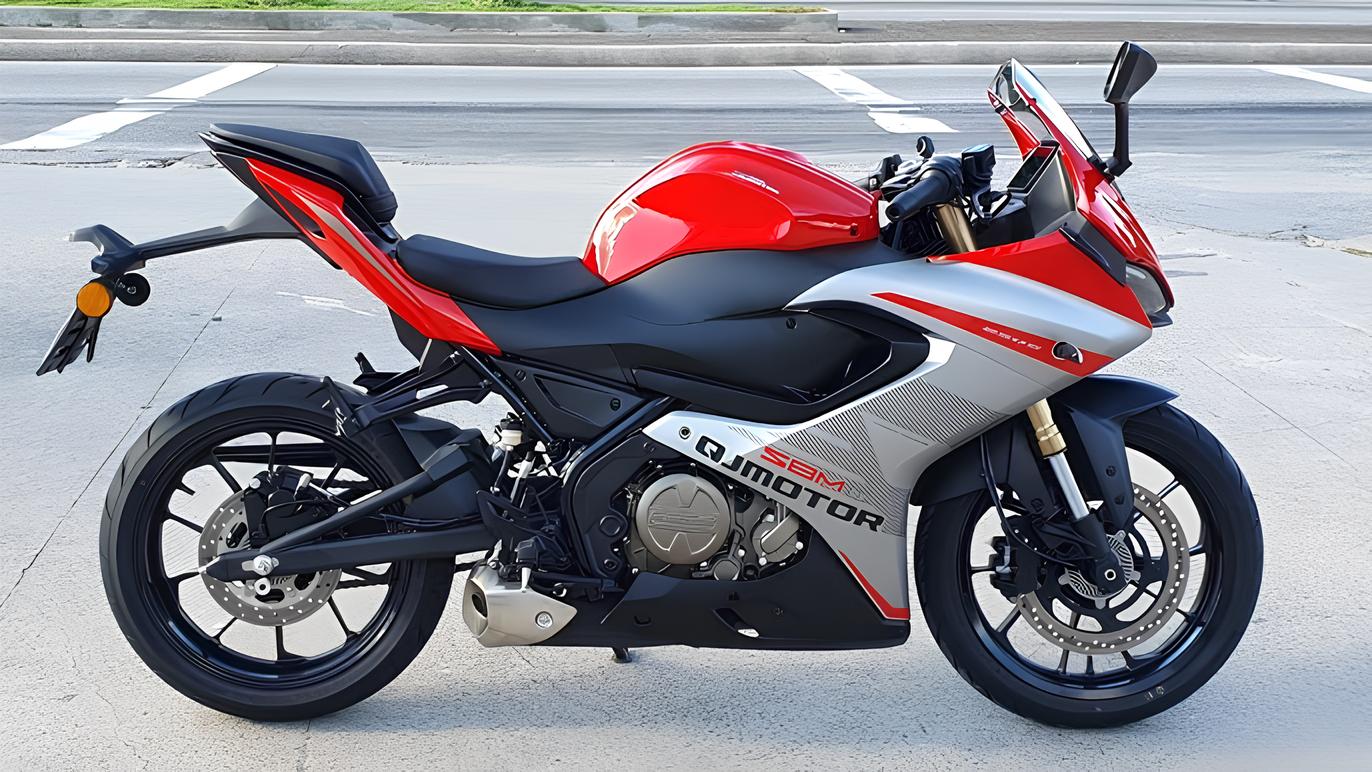
Presented In Indonesia, The QJ SRK 250RA Combines 36.7 HP Twin-Cylinder Engine, Automatic Transmission Without Pedal, and Unique Swingarm In The 250 CC Range.
On January 8, QJ Motor officially presented the new SRK 250RA in Indonesia, a low-displacement sports model that drew attention for its unusual technical setup for the category. Initial information and images circulated on Asian profiles specialized in Southeast Asian launches, indicating that the motorcycle fits into the Chinese manufacturer’s global strategy to expand its presence outside of mainland China. QJ Motor, part of the Geely group, is currently one of the largest Chinese motorcycle manufacturers and maintains significant industrial partnerships, including with the Italian brand Benelli.
The presentation initially took place in the Indonesian market, one of the most competitive in the world in terms of motorcycle volume. Although the model was not yet listed on the brand’s official website at the time of the initial announcement, the released technical data indicates a project aimed at technological differentiation within the 250 cc range. The main highlight is the 36.7-horsepower twin-cylinder engine with a declared torque of 2.3 kgfm, coupled with a conventional rear brake system that has no standard foot pedal.
Technical Architecture And Positioning In The 250 CC Category
Historically, most 250 cc motorcycles in the global market use single-cylinder engines due to cost, mechanical simplicity, and urban efficiency.
-
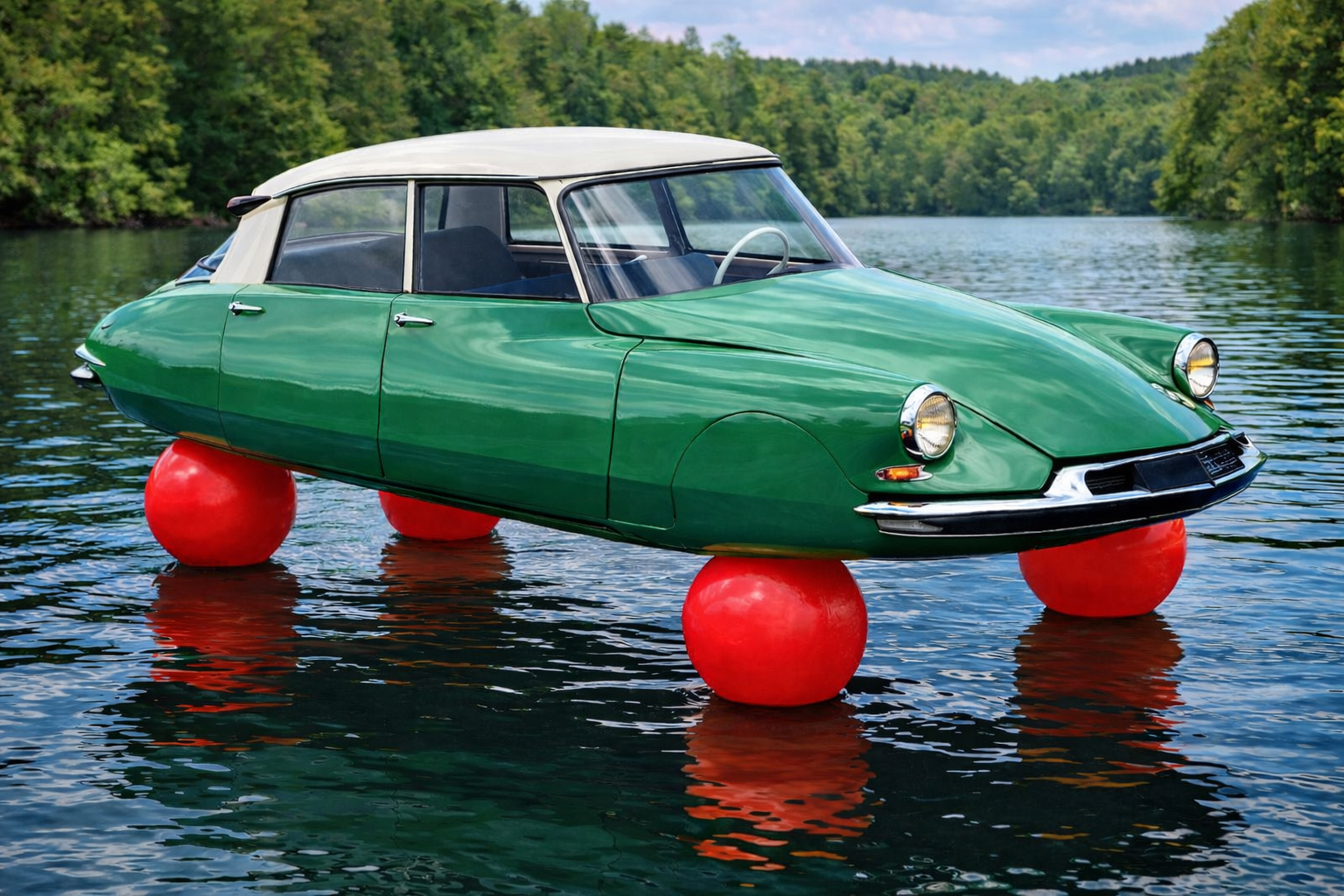
A French brand placed a car on four huge red balloons to prove that its suspension made the vehicle “float,” and the surreal scene became one of the most iconic and unusual images in automotive history.
-
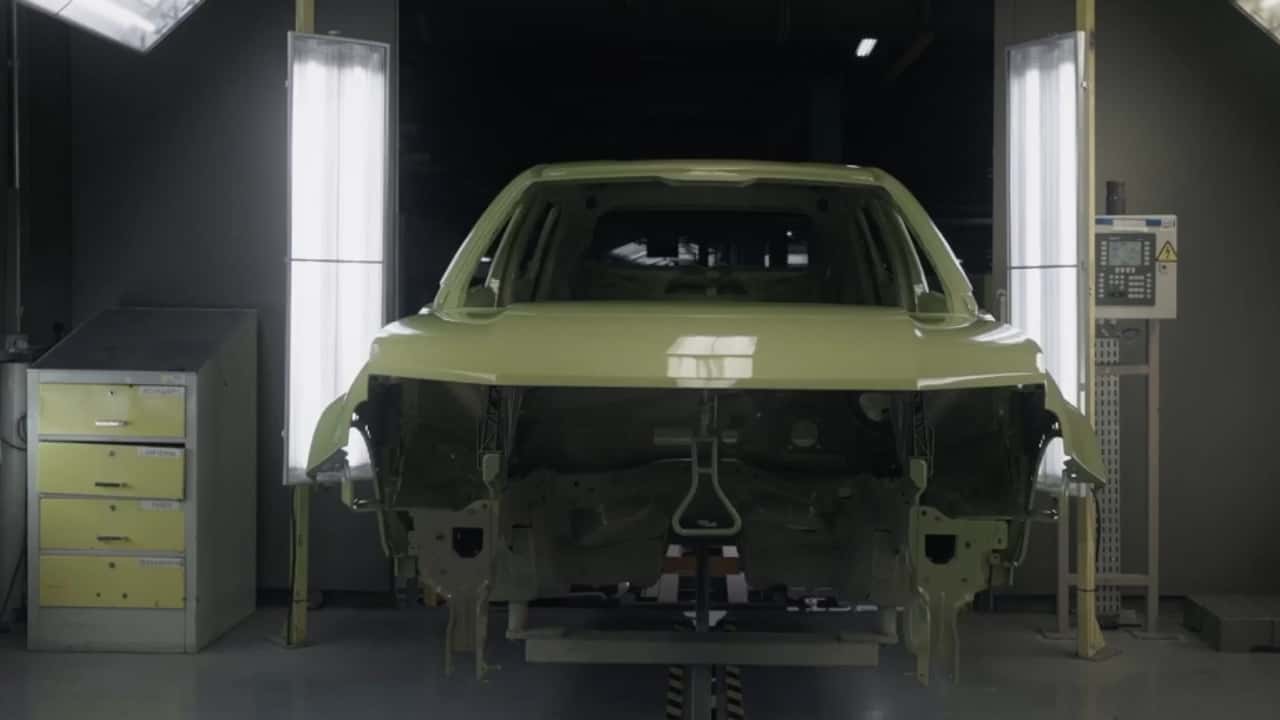
Jeep Avenger begins production in Brazil, debuting as the brand’s new entry-level SUV and inaugurating an unprecedented phase by becoming the first national Jeep manufactured outside of Goiana, as part of a R$ 3 billion plan.
-
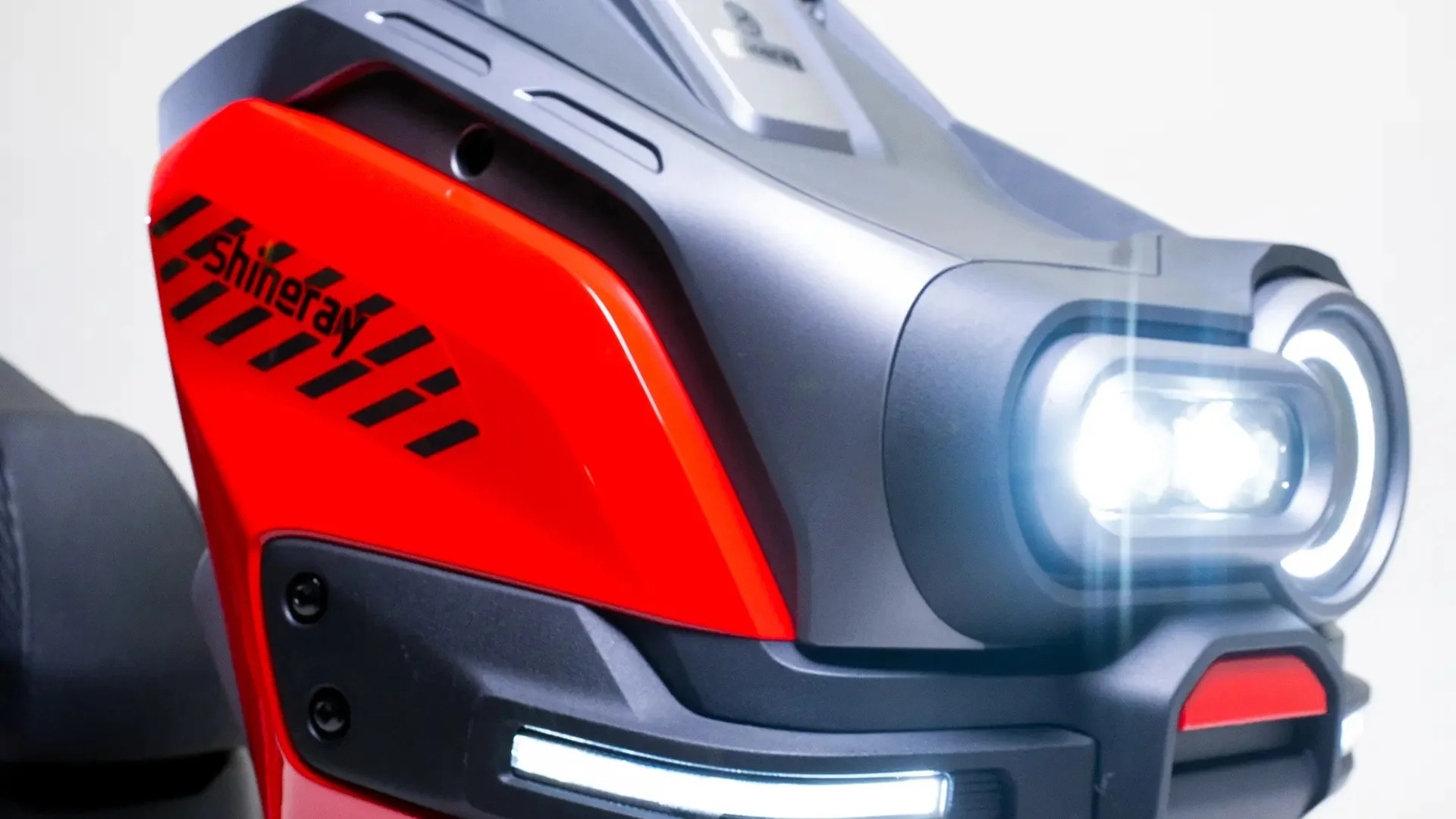
Costing R$ 12,490, the new Shineray Urban Lite 150 “cheap one” arrives in Brazil with a CVT transmission, digital dashboard, and LED lights, making it more affordable than the Biz and targeting those who want to abandon the bus.
-
Ducati brings to Brazil the Superleggera V4 Centenario: 228 hp that become 247 with a track kit, carbon fiber and carbon-ceramic brakes, estimated price between R$ 1.5 and 2 million, deliveries only in 2027.
Twin-cylinder models in this range tend to have a sportier positioning and higher price, as seen with the Yamaha R3, which uses a 321 cc twin-cylinder engine.
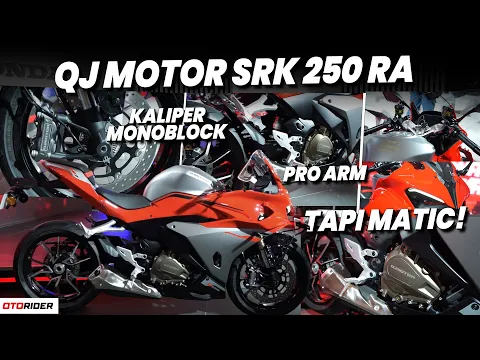

The SRK 250RA adopts a parallel twin architecture with liquid cooling. The liquid cooling system allows for more stable thermal control at high RPMs, which is essential for multi-cylinder engines that operate at higher rev ranges.
Unlike a single-cylinder engine, which tends to exhibit greater primary vibration, the parallel twin can offer smoother operation depending on the crankshaft’s balancing.
The declared power of 36.7 horsepower positions the model above many single-cylinder 250s, approaching motorcycles that traditionally compete in higher displacements. It’s important to differentiate that this number represents the engine’s maximum power and not domestic output or industrial volume. It is a technical specification of the engine.
The reported torque of 2.3 kgfm suggests delivery compatible with urban use and light sports riding. The combination of relatively high power for 250 cc with two cylinders may indicate a high RPM range to reach peak power, a common characteristic in small-displacement sports engines.
Automatic Transmission System And Absence Of Conventional Pedal
The most disruptive element of the design is the automatic transmission combined with the lack of a conventional rear brake pedal. Analyzed images show that the presented model lacks both a gear shift pedal and a rear brake pedal in the displayed automatic configuration.
The system operates via an electronically controlled clutch, with the possibility of manual gear selection using controls on the handle, similar to the automated dual-clutch concept used in larger motorcycles with DCT technology. However, there is no official confirmation that this is indeed a true dual-clutch system.
The transmission maintains six speeds, as announced, with an assisted and slipper clutch. The assisted clutch reduces the effort required for engagement, while the slipper function prevents rear wheel locking during abrupt downshifting, a relevant characteristic for safety in sports riding.
In the presented automatic version, the rear brake is activated by a manual lever, a configuration similar to that found in scooters. This alters the traditional ergonomics of sports motorcycles, where the rear brake is typically activated by a pedal on the right side. This change requires adaptation from the rider, especially in emergency braking situations.
It is important to note that there was also mention of the existence of a manual version of the model, although complete details have not yet been officially published by the manufacturer.
Structural Engineering: Swingarm And Inverted Suspension
Another technical differentiator of the SRK 250RA is the use of a swingarm rear suspension. This type of structural solution is more common in medium and high-displacement motorcycles due to manufacturing costs and project complexity.
The swingarm allows the rear wheel to be supported on only one side, facilitating wheel removal and creating a sporty visual identity. From a structural perspective, this requires greater torsional stiffness of the swingarm to compensate for the absence of bilateral support.
The rear uses an adjustable mono-shock with an inverted linkage system, according to visual analysis of the initial images. This type of configuration allows for progressive suspension response, increasing stiffness as compression advances.
At the front, the motorcycle features inverted suspension with golden forks, a solution that enhances the structural rigidity of the front assembly and reduces bending under heavy braking. The use of inverted forks is also associated with a sportier positioning within the segment.
The brake system includes a central rear disc with an ABS sensor visible in the images. The ABS prevents wheel locking during hard braking, enhancing active safety.
The wheels feature a diamond finish, an aesthetic detail that also indicates a premium positioning within the category.
Embedded Technology And Electronic Resources
The SRK 250RA features a large TFT panel, indicating complete digital integration. TFT panels allow dynamic information display, riding modes, and connectivity.
According to the released information, the model includes riding modes, although specific parameters have not been officially detailed. Riding modes typically adjust the electronic throttle response, traction control sensitivity, and fuel injection mapping.
There is a presence of side USB port and smartphone connectivity, indicating a focus on digital integration. There was also mention of a possible presence of a front camera or at least preparation for installation, a trend observed in recent Asian motorcycles that incorporate embedded recording systems.
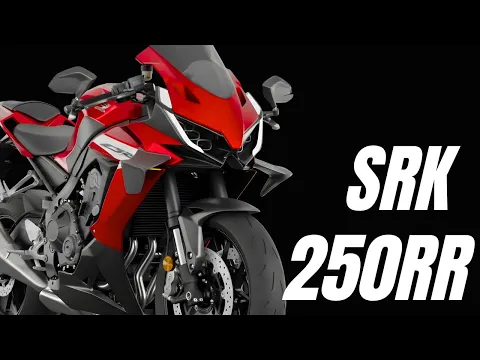
All lighting is LED, including front DRL with distinctive visual signature and small aerodynamic wings integrated into the front fairing. Aerodynamic wings on low-displacement motorcycles are rare and generally associated with higher-performance models. At high speeds, these appendages can generate additional aerodynamic load, although at 250 cc the practical impact is limited compared to superbikes.
Technical Challenges And Future Implications For The Category
The introduction of an automatic transmission in a 250 cc twin-cylinder sports bike raises questions about acceptance among the traditional public of sports motorcycles, who historically value complete manual control.
From a technical perspective, automated systems add electronic complexity and potentially increase maintenance costs. The durability of the electronic clutch and actuators will depend on engineering quality and industrial production control.
Another challenge involves ergonomics. The absence of a rear brake pedal alters the established riding pattern among sportbike riders. Adjustment requires relearning reflexes in combined braking.
However, the proposal may attract new consumers from the scooter segment, who are already accustomed to manual brakes and automatic transmission. This convergence between sports bikes and scooters may represent a new trend in the hybridization of categories.
If large-scale production and export to other markets are confirmed, the SRK 250RA could pressure competitors to introduce automated solutions in smaller displacement ranges. The combination of a twin-cylinder engine, automatic transmission, and swingarm in 250 cc creates an unusual and potentially disruptive technical package.
The SRK 250RA does not represent just another 250 sports bike. It materializes an attempt to redefine what can be considered standard in the category, bringing medium displacement solutions closer to a segment historically dominated by mechanical simplicity.









-

-

-

-

-

9 pessoas reagiram a isso.