





 Portuguese
  English
  Spanish
  3 min of reading
  1 comment


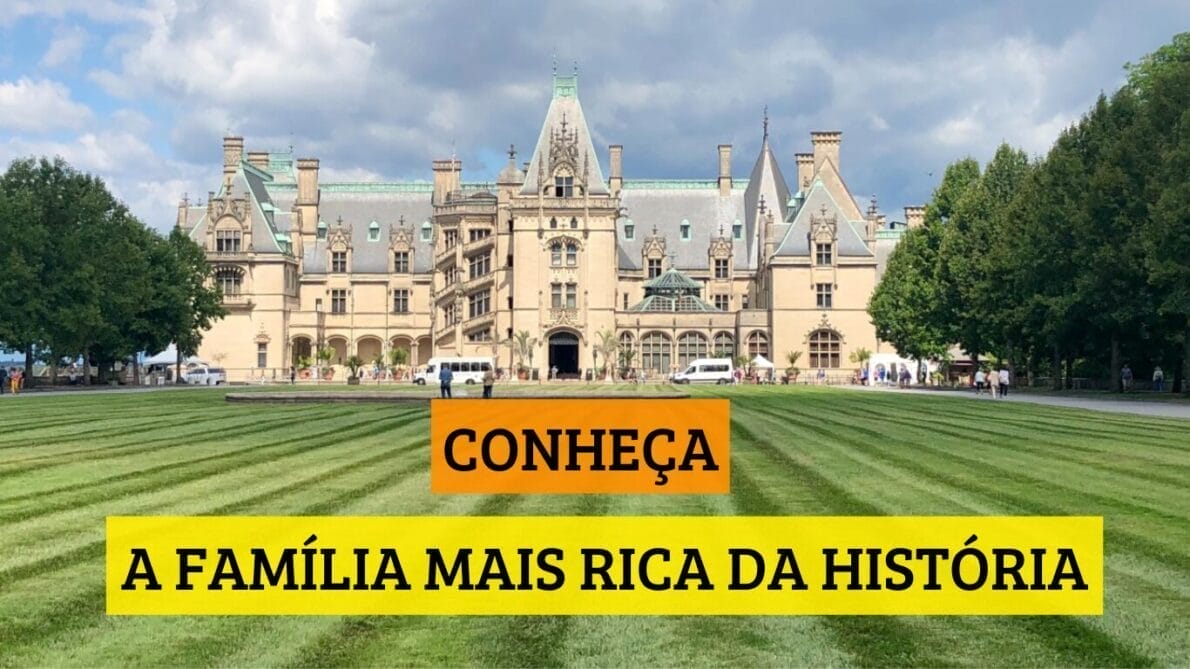


From The Peak of Wealth to Urban Legend, The Trajectory of The Vanderbilt Family
According to conhecimentoglobal, the Vanderbilt family is a name that resonates throughout American history as a symbol of unimaginable wealth and social influence. However, the narrative of this richest family in the world is also a chronicle of financial and cultural decline. Let’s explore how the fortune of the Vanderbilts, built with cunning and determination, dissipated amid a lifestyle of opulence and questionable economic decisions.
After all, almost everyone has a grandfather who was once extremely rich and lost everything gambling, right? Imagine if your grandfather was just the richest person in the world and the empire starts to crumble; that must be painful, huh? Stay here and we’ll tell you everything in detail.
The Legacy of Cornelius Vanderbilt and His Richest Family in The World
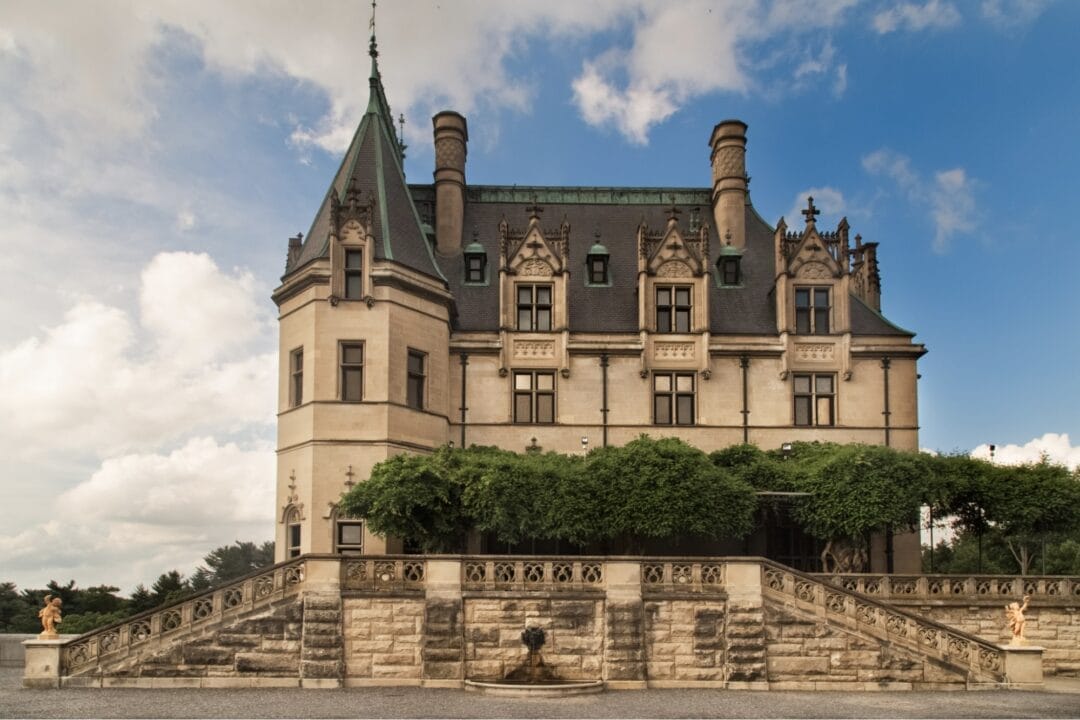
Cornelius Vanderbilt, the patriarch, laid the foundations of an empire in maritime and railroad transportation, accumulating a fortune that would make him the richest man in America. His descendants expanded their interests into other sectors, including real estate and philanthropy. The Vanderbilt family built luxurious mansions and extravagant “summer houses,” like the famous Breakers mansion in Newport, Rhode Island.
-
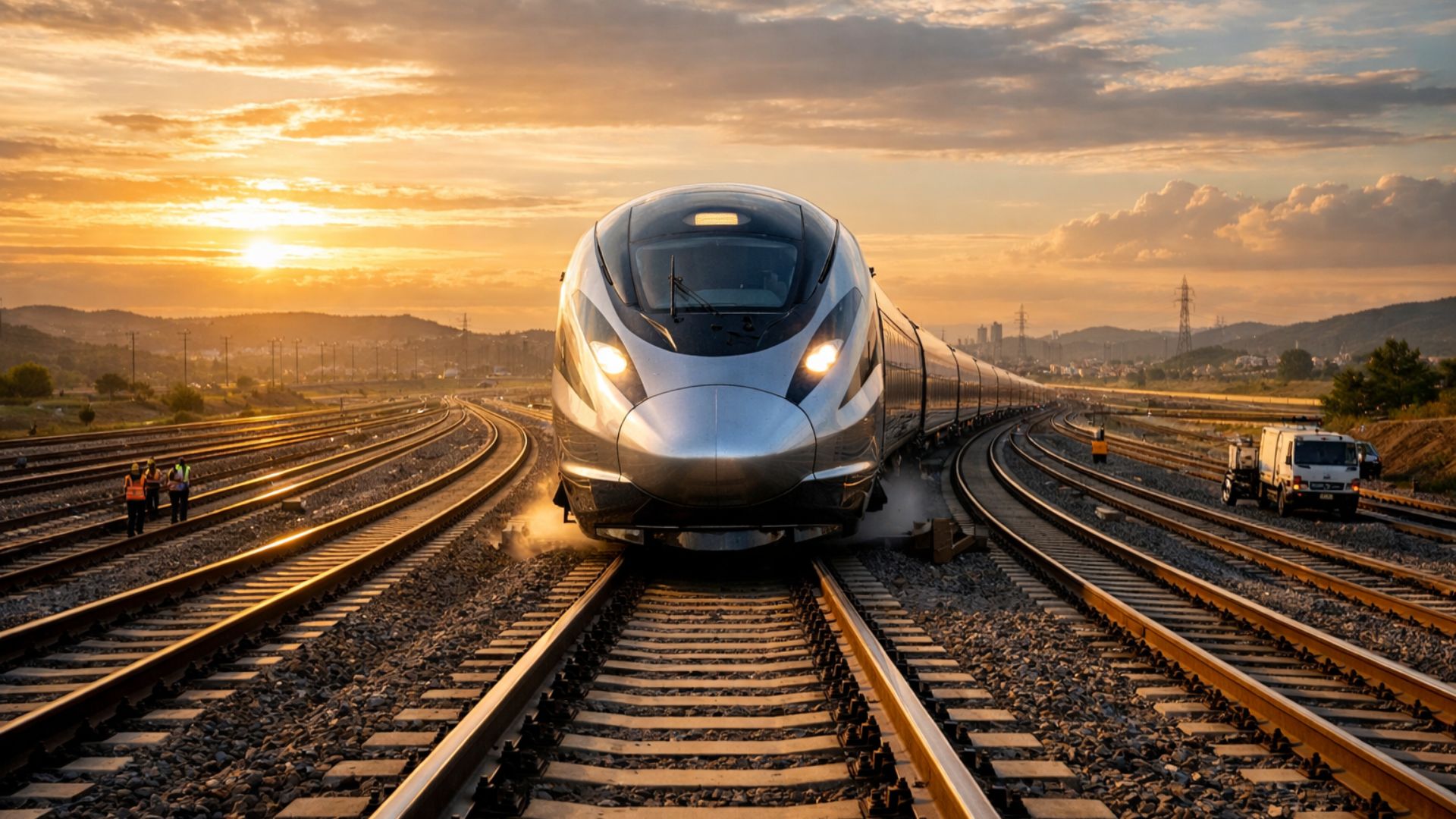
São Paulo surprises the world with a colossal railway network project that promises over 1,000 km of tracks, R$ 194 billion in investments, and 40 projects connecting the capital to the interior with fast and sustainable trains.
-
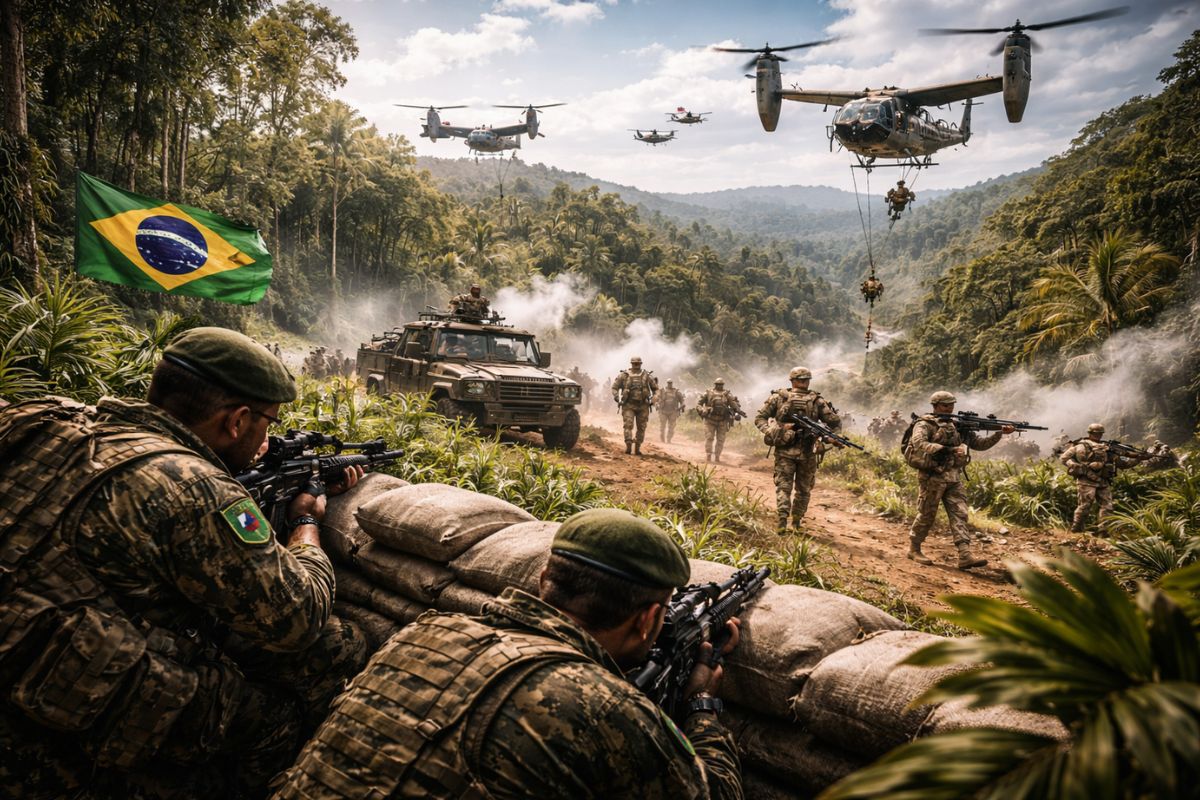
If the USA were to go to war with Brazil, Washington’s greatest fear would not be the attack itself, but facing a vast territory, prolonged resistance, and a costly, chaotic, and unpredictable occupation.
-
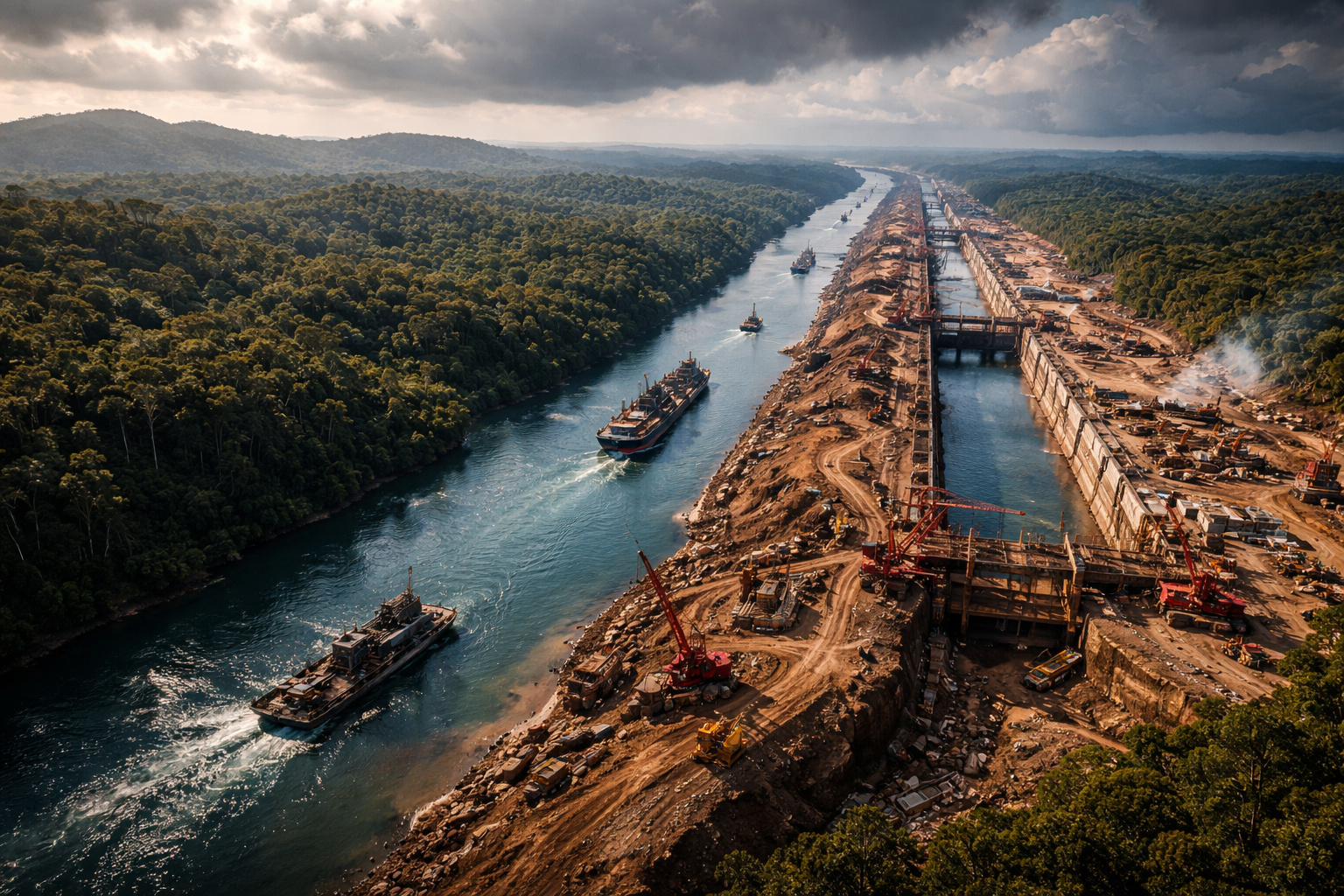
In 2013, Nicaragua sold the concession for a canal to rival Panama to a Chinese billionaire who lost 85% of his fortune, disappeared, and was declared bankrupt. Now the project resurfaces with a new route, a new Chinese partner, and a cost of $64.5 billion.
-
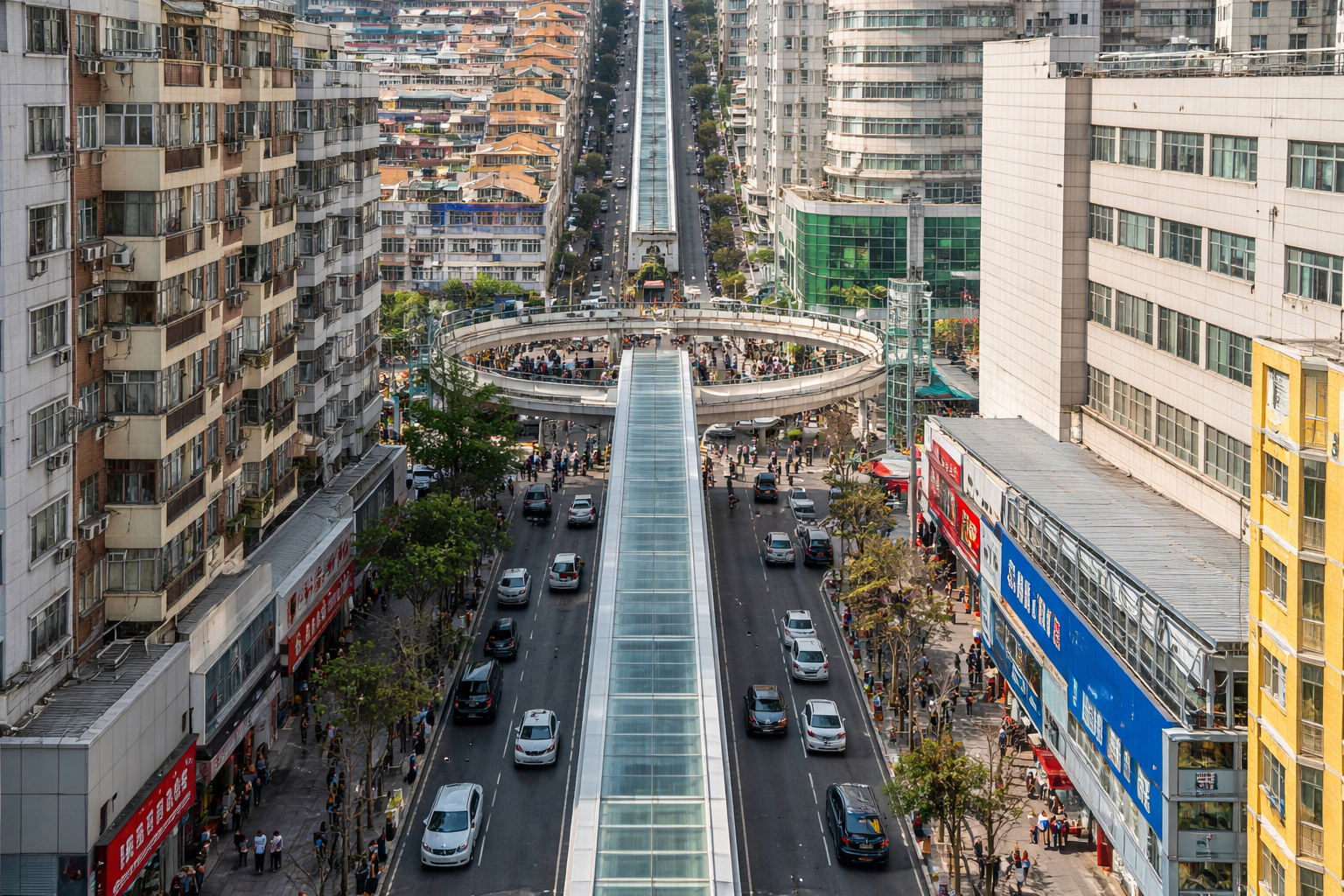
The world’s largest escalator, measuring 905 meters in China, reduces urban travel time from 1 hour to about 20 minutes and transforms mobility in mountainous regions with an engineering solution adapted to the terrain.

The Gilded Age and Unrestrained Consumption
During the Gilded Age, the Vanderbilts were at their peak, living a lifestyle that defined the American elite. They were known for their extravagant parties and mansions that rivaled European palaces. However, this ostentation came at a cost. The second and third generations of the family began to show less interest in business and more in maintaining an elevated social status, leading to an unrestrained consumption of the accumulated fortune.
Businesses Adrift and the Dissipation of Fortune
Over time, the lack of interest in business and prudent investments began to erode the financial foundation of the Vanderbilt family. The heirs spent more than they invested, and the fortune that once seemed endless began to dwindle. At a family gathering in 1973, there was not a single millionaire among the 120 Vanderbilts present.
The End of an Era and The Lasting Legacy
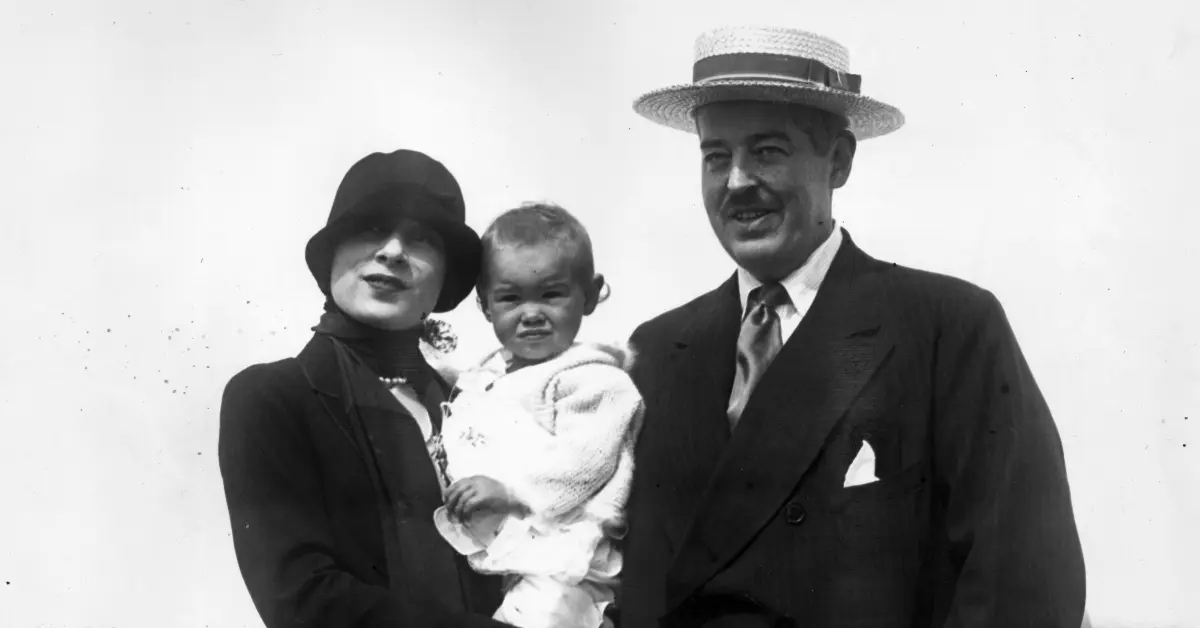
Despite the financial decline, the legacy of the Vanderbilts remains through their philanthropic and cultural contributions. Many of their properties have been transformed into museums or historic sites, preserving the family’s history for future generations. Anderson Cooper, a descendant of the family, chose to forge his own path, becoming a renowned journalist without relying on the famous surname.
Lessons from The Past
Therefore, the story of the Vanderbilts serves as a powerful reminder that even the greatest fortunes can be ephemeral. It highlights the importance of prudent wealth management and the need to balance splendor with sustainability. While the Vanderbilt family may no longer flaunt the wealth of yesteryear, their story continues to fascinate and serves as a case study on the rise and fall of wealth in American society.








NU VIEMOS AO MUNDO. E NU VOLTAREMOS AO PO . NÃO LEVAREMOS UM GRÃO DE AREIA