





 Portuguese
  English
  Spanish
  3 min of reading
  0 comments



Have You Ever Thought of a Service That Takes You Home Driving Your Car After Drinking? It Exists in China, It’s Like an Uber Inverted.
In China, an intelligent solution has emerged for those who drink and do not want to give up their own vehicle: calling a designated driver to drive their car. The service, known as dàijià, works via an app and is already popular in many urban centers.
Recently, it gained attention for reducing serious traffic accidents.
This innovative model combines convenience and safety, especially after social or business night outings.
-
Submerged city in a lake in Minas reveals intact streets, preserved vehicles, and houses after more than 60 years, impressing divers.

-
Yellowstone has started to rise again in an area of the caldera, and the movement rekindles fears surrounding the U.S. supervolcano, as scientists monitor the deformation and try to understand what is happening underground.

-
Woman arrested after receiving $1.2 million due to banking error and not returning the amount.

-
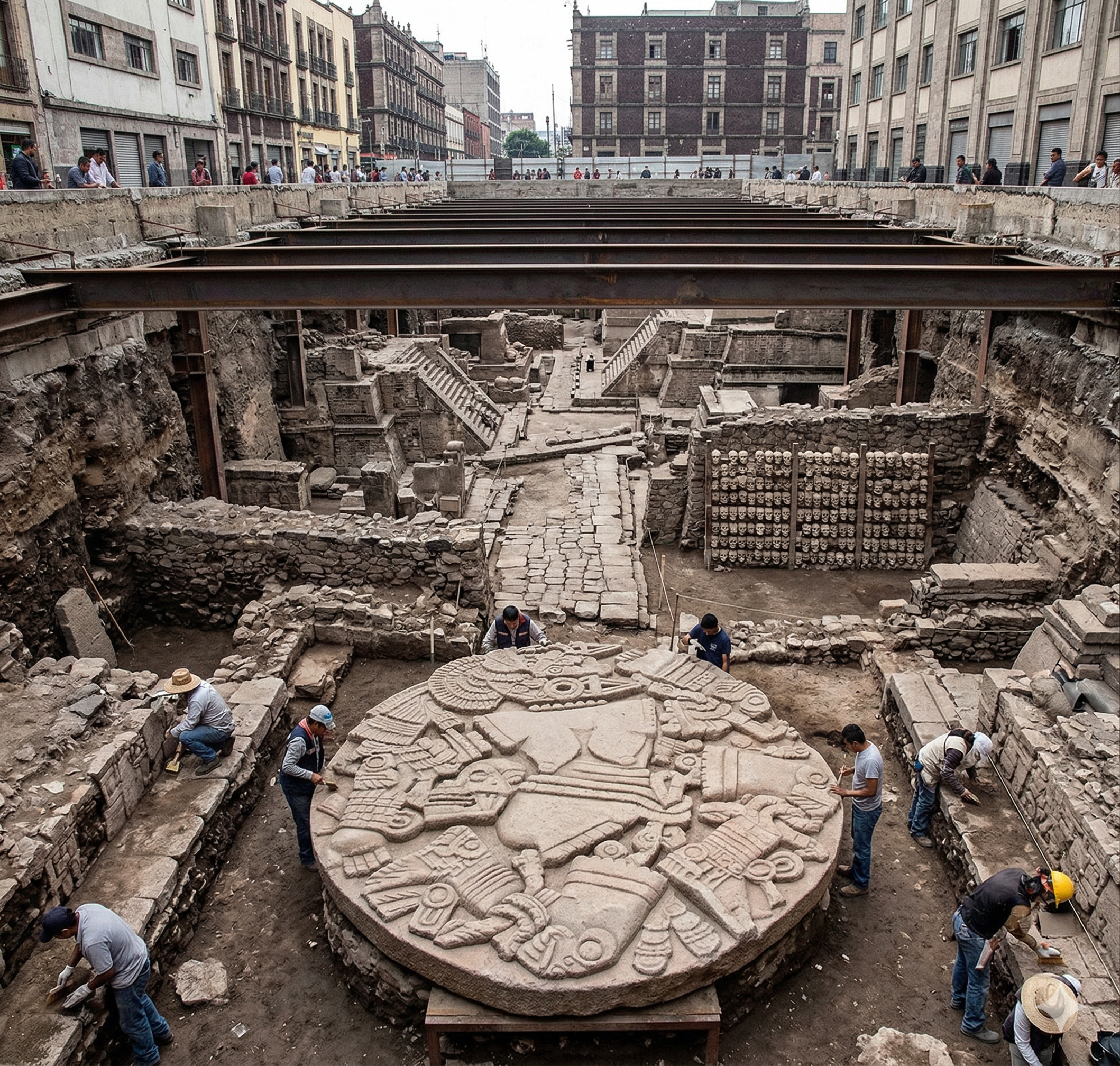
Beneath Mexico City lies an entire buried Aztec capital, and it all began when workers discovered a 3.25-meter stone disk featuring a dismembered goddess, revealing temples, skulls, and palaces beneath 22 million people.

Dàijià Service: Driver Arrives by Scooter
The difference of dàijià lies in the way the driver gets to the client: they arrive on an electric scooter or folding bike, which fits in the car’s trunk.
After driving to the destination, they park the vehicle and leave with the same scooter — a practical and efficient solution for urban mobility.
Adoption Grew with Strict Laws in China
Severe laws against drunk drivers, with penalties since 2011, have made the service even more relevant.
The social and business environment values the act of toasting — “Ganbei” (干杯), which means “bottoms up” — creating a dilemma between tradition and responsibility. In this context, the dàijià service has become an ideal alternative.
Positive Impact on Road Safety
The Ministry of Public Security of China reported that, since 2012, traffic accidents with three or more fatalities have decreased by 59.3%, even with a significant increase in the number of vehicles (89%) and drivers (123%).
The use of the dàijià service, with an annual average of 200 million requests, is cited as one of the determining factors for this drastic reduction.
This significant volume represents gains for companies like e-Daijia and Didi, which compete for market leadership.
For registered drivers, it represents an alternative source of income, capable of supplementing salaries and creating new job opportunities amid the transformation of urban mobility in the country.
Competition Among Mobility Giants
Two major companies are competing in this market.
e-Daijia introduced the concept in 2011 and even reached 90% market share by 2015.
In that same year, Didi — recognized in China as a mobility platform — launched Didi Daijia, integrating the service into its app and expanding access for the designated driver.
Context and Implications
Innovation Aligned with Tradition
In China, social culture promotes alcohol consumption in work meetings. At the same time, laws do not tolerate drunk driving.
The dàijià service represents a way to balance cultural respect with responsibility, keeping the social experience intact and saving lives.
Smart and Accessible Logistics
The use of electric scooters demonstrates efficient urban adaptation: the designated driver arrives quickly and reuses the same means of transportation to return, avoiding the need for a personal vehicle or public transport — in addition to being sustainable and practical.
The dàijià service in China — which allows someone to name a driver to drive their own car — is a simple yet powerful idea.
It combines safety, convenience, and preservation of cultural traditions.
With a strong positive impact on road safety indicators, this alternative shows that creative solutions can transform traffic and the culture of mobility in modern cities.




-

-

-

-

-

-

24 pessoas reagiram a isso.