





 English
  Francês
  Alemão
  Italiano
  Japonês
  Norueguês
  Portuguese
  Spanish
  3 min of reading
  9 comments


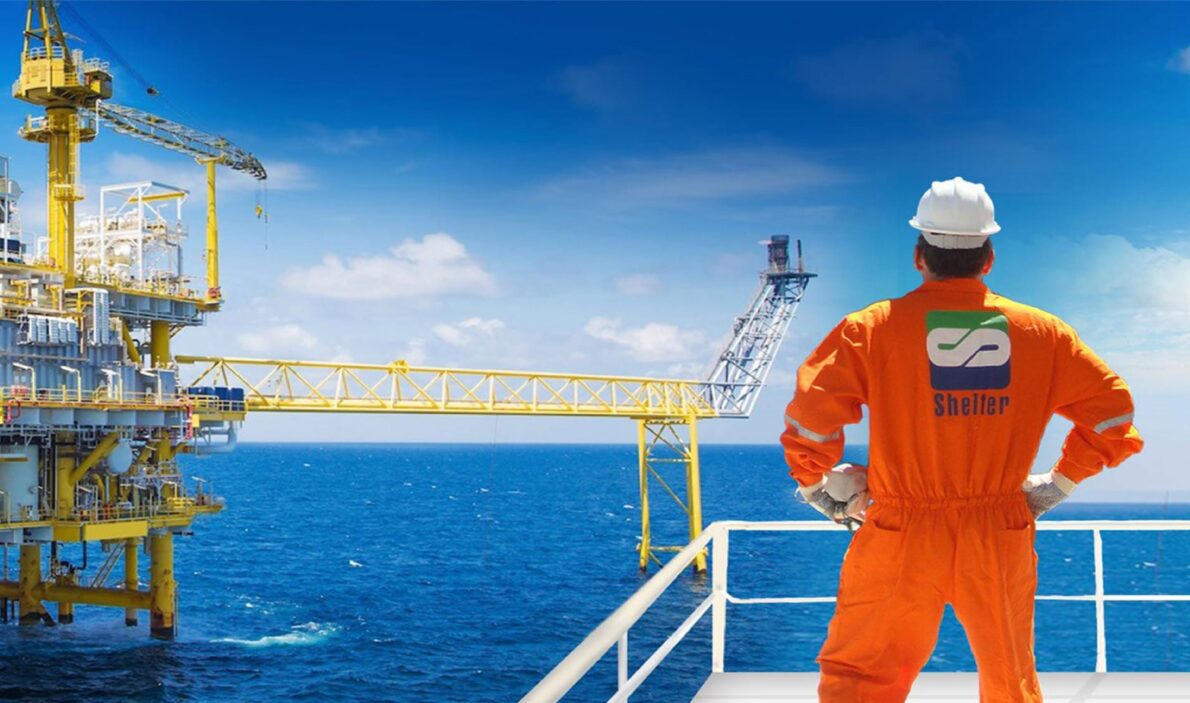


Discover How You Can Work Offshore in One of the Most Promising Areas of the Job Market Without Needing a College Degree
The offshore sector is one of the most promising areas of the job market, offering great opportunities without the need for traditional academic qualifications. For those looking to work on oil rigs or vessels, some professions value specific skills and offer high demand and compensation, according to the website Economiasc. Here are 7 professions that allow you to work offshore without requiring a technical course or college degree!
1. Industrial Painter with IRATA
The industrial painter with IRATA is responsible for applying protective coatings on structures in hard-to-reach places, such as oil rigs. Using rope access techniques, the professional moves at great heights to perform their work.
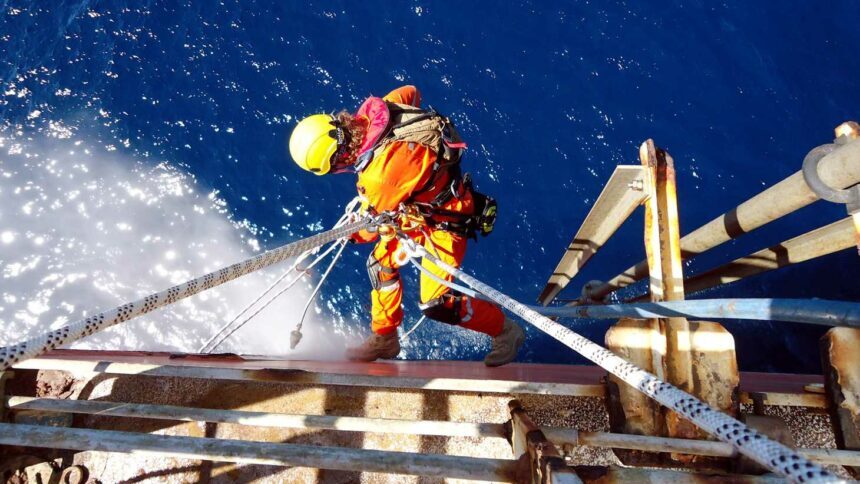
Tip: Speaking English fluently is a competitive advantage, as well as specialization in rope access to ensure workplace safety.
-
Subsea7 has job openings: the company has offshore and onshore positions available in 2026 for operators, pilots, supervisors, engineers, and much more.
-
Constellation opens an offshore position with a 14×14 schedule for those who want to work onboard in Rio das Ostras (RJ) with great benefits.
-
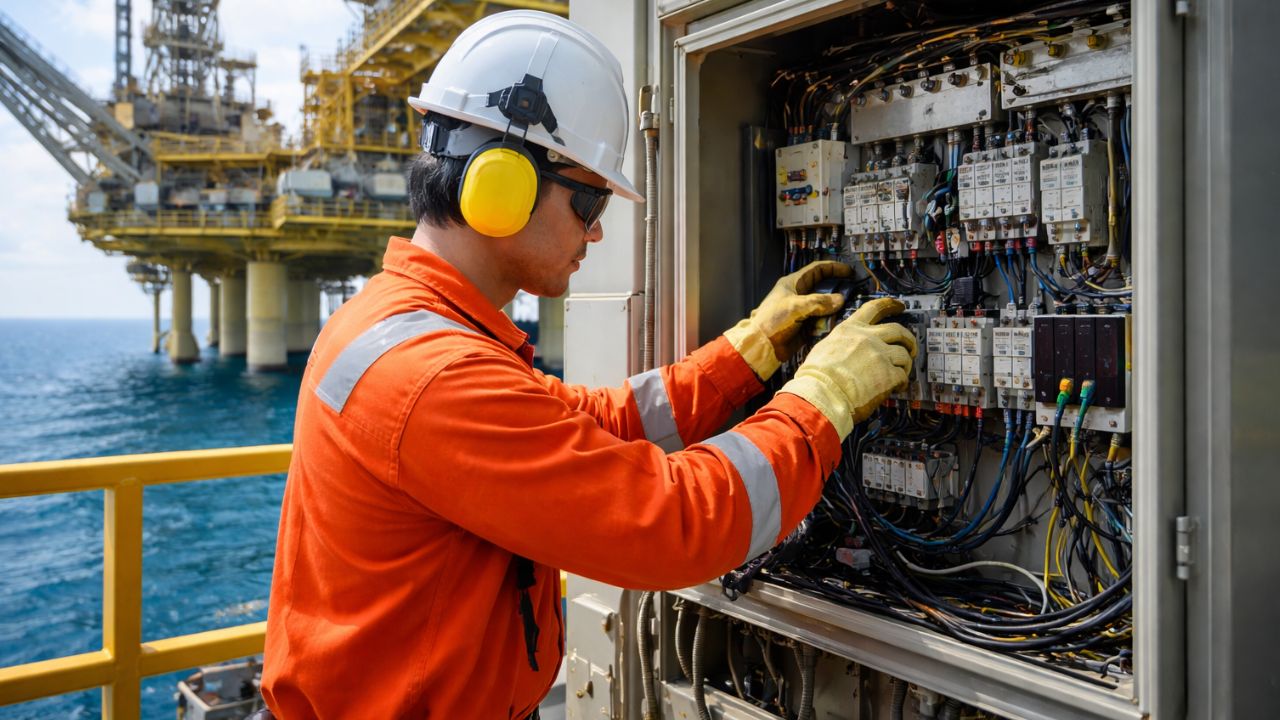
Oceânica Announces Offshore Vacancy on 14×14 Schedule for Electrical Technician in Rio de Janeiro
-
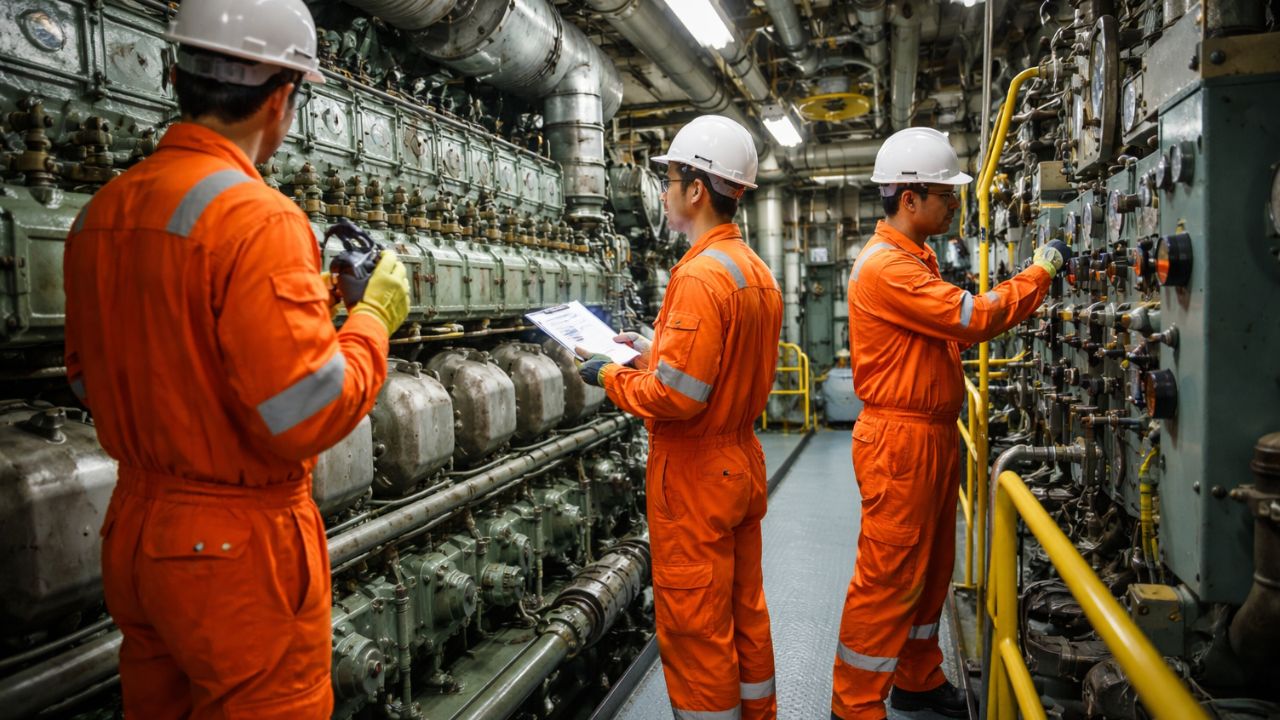
Offshore Position for Engine Room Fourth Officer with 28×28 Rotation in Rio de Janeiro

2. Scaffolder
The scaffolder builds and dismantles temporary structures that allow safe access in elevated locations, being essential on oil rigs. This career requires good practical training and preparation to work at heights.
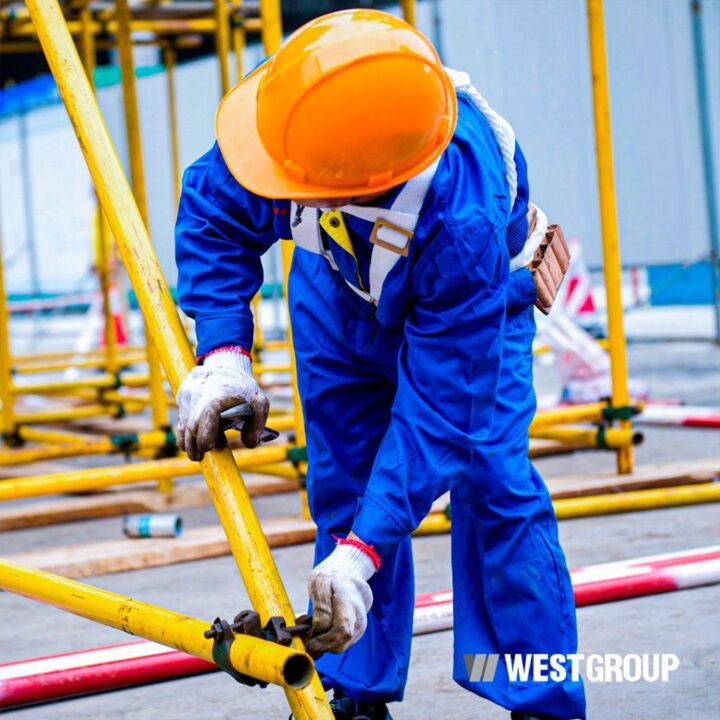
Importance: Safety is paramount in the offshore sector, and the scaffolder plays a crucial role in ensuring this.
3. Storekeeper
The storekeeper is responsible for inventory control on a platform, ensuring that materials are available for operations. Proficiency in inventory management systems, such as Excel, is an important differential.

Advantage: With good remuneration and opportunities for growth, the storekeeper can work without the need for a technical course.
4. Ordinary Seaman
The ordinary seaman performs general support functions on vessels, such as cleaning, organizing, and assisting with the crew’s meals. This profession can be an entry point into the maritime sector.

Requirement: Although it does not require technical training, experience in hospitality or food services can be a differential.
5. Rigger
The rigger operates lifting equipment, such as cranes, to move heavy materials on oil rigs. Training in load handling is essential to ensure efficiency and safety.
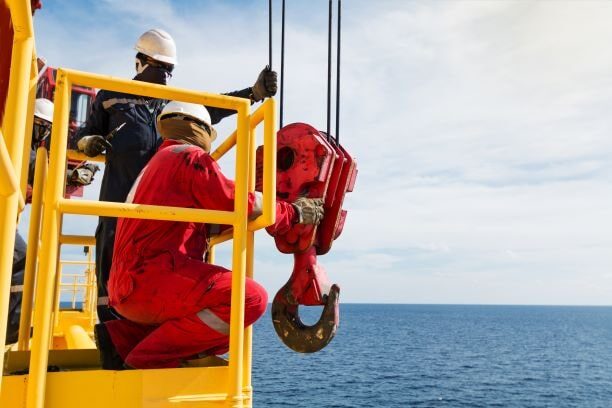
Tip: The rigger must have a great sense of responsibility, as mistakes can cause serious accidents. Certifications to operate the equipment are essential.
6. Area Operator
The area operator performs operational and logistics activities, ensuring the smooth functioning of operations on the platform. This role is an excellent entry point into the offshore sector, without requiring technical or academic qualifications.
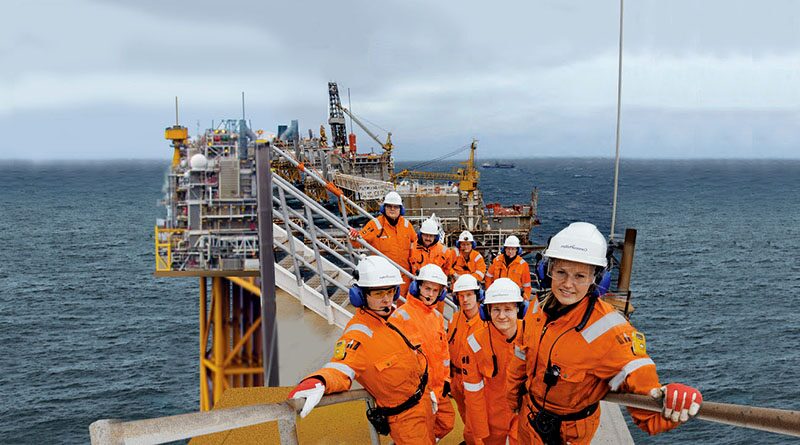
Challenge: The offshore environment requires a willingness to face adverse conditions and high technical skill.
7. Offshore Crane Operator
Responsible for maneuvering giant cranes, the offshore crane operator moves heavy loads on the platforms. Although it does not require academic training, the operator needs certifications to ensure safety.
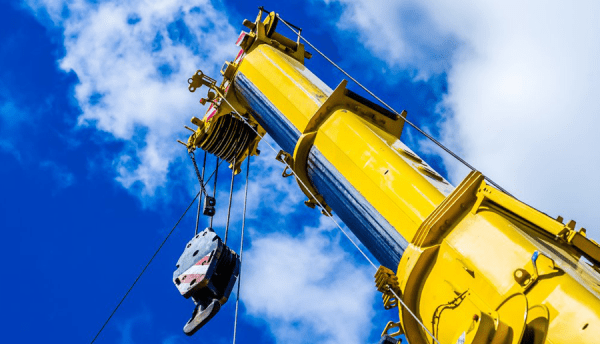
Opportunity: Crane operators are among the highest-paid professionals in the offshore sector, with a stable and promising career.
Work Offshore!
Working offshore in the sector offers unique opportunities for growth and financial stability. Professions such as industrial painter, scaffolder and crane operator do not require technical or academic training, but provide excellent salaries and benefits. Investing in specialized courses and learning English can be the decisive step to enter this sector and achieve your professional goals.







Vivo em Angola /Cabinda tenho vontade de trabalhar nos barcos e offshor sou pintor proficional e montador de andaime
Tenho interesse em trabalhar embarcado.
Tenho experiência como operador de guindastes em todos os segmentos e em plataforma de petróleo e já atuei com supervisor de movimentação de Cargas em obras onshore e offshore e estou em busca de nova colocação e gostaria de enviar currículo!