





 Portuguese
  English
  Spanish
  3 min of reading
  0 comments


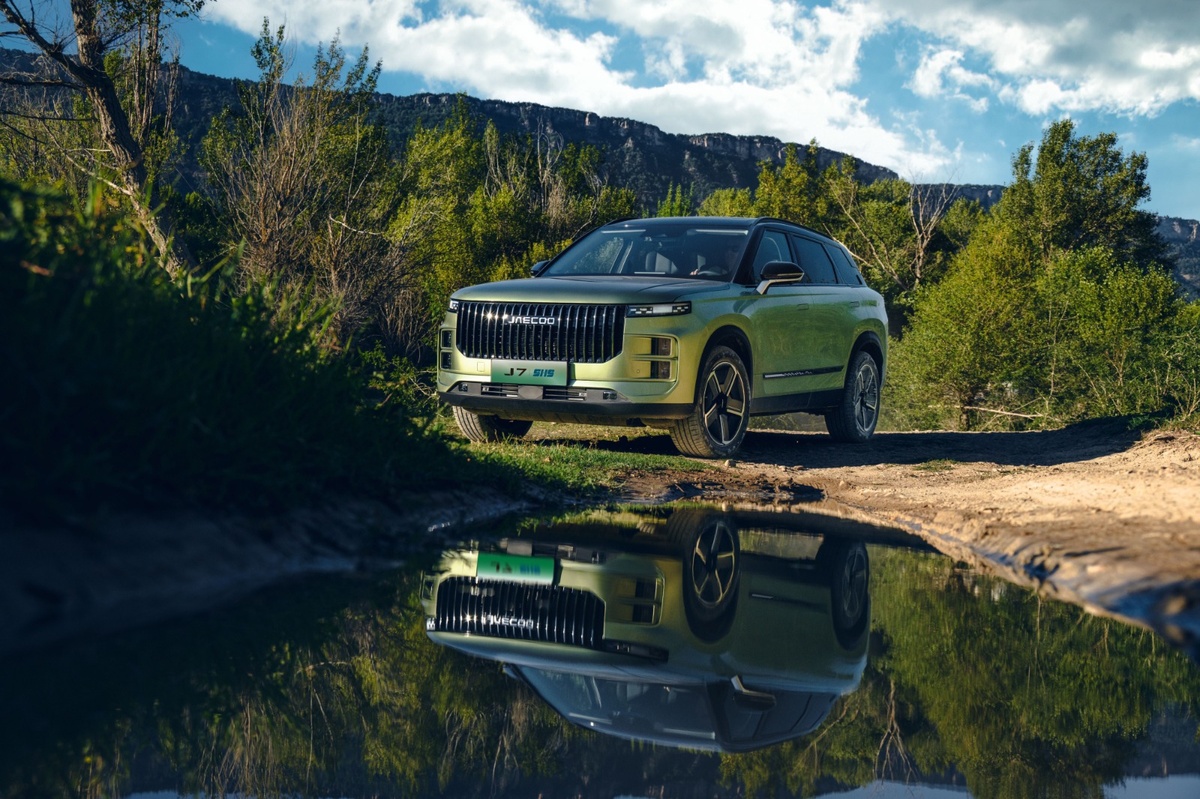
Advanced hybrid technology integrates thermal efficiency, electric propulsion, and energy management to extend range and reduce consumption in the OMODA & JAECOO SUV.
Furthermore, the Jaecoo 7 model stands out in the current scenario, where energy efficiency and autonomy are priorities. Thus, equipped with the Super Hybrid System (SHS), the vehicle exceeds 1,200 km of combined range, according to data released by the manufacturer in 2026.
Therefore, the hybrid system was designed as an intelligent ecosystem, integrating generation, storage, and energy management. In this way, the components work in a coordinated manner to reduce losses and maximize energy performance.
High-efficiency hybrid architecture
Initially, the mechanical set consists of a 1.5 turbo engine, developed specifically for hybrid applications. Thus, it operates in rotation ranges that favor lower consumption.
-
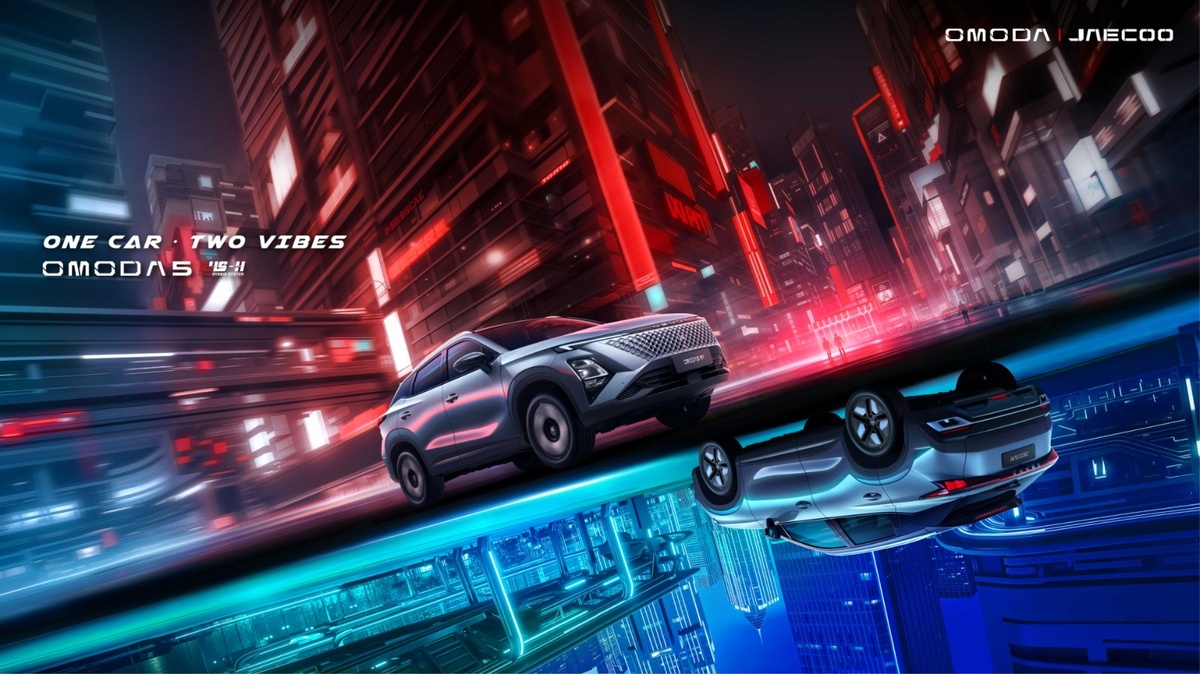
OMODA & JAECOO grows in Europe in 2026 with an integrated strategy of sales, innovation, local production, and technological advancement in the United Kingdom, Italy, and Spain.
-
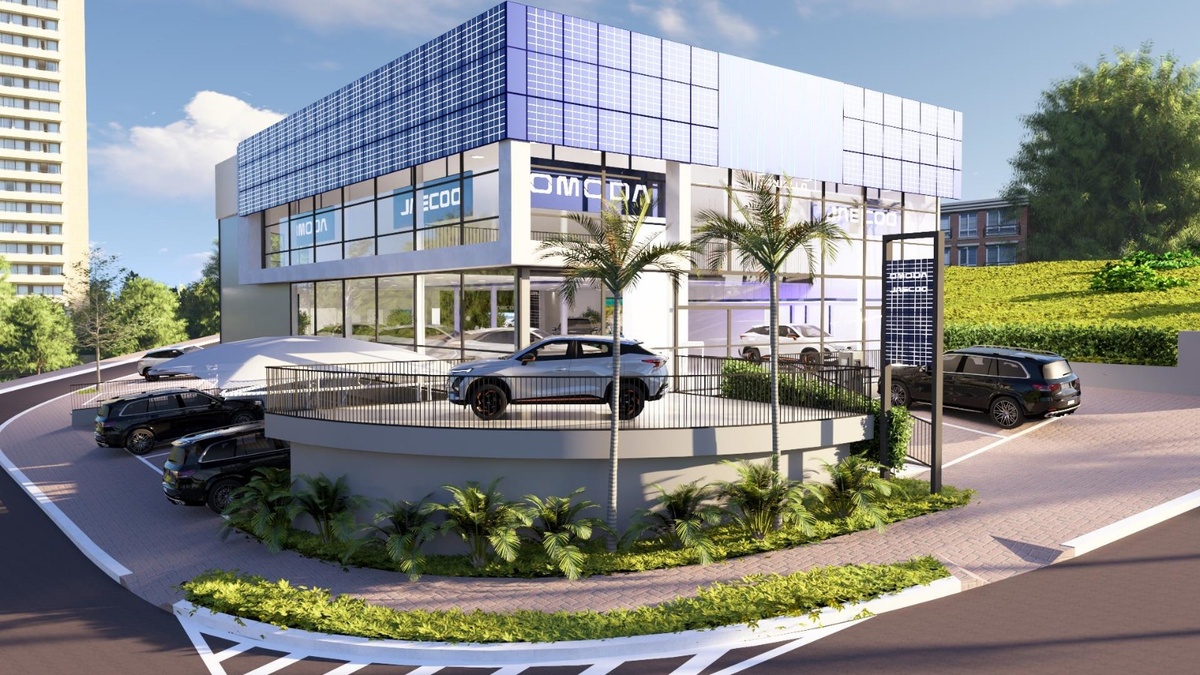
OMODA & JAECOO expand post-sales in Brazil with competitive maintenance, a 7-year warranty, and high availability of parts for technological SUVs.
-
OMODA & JAECOO appoints Alessandra Souza as executive marketing director in Brazil and accelerates brand expansion with a focus on innovation, network, and hybrid portfolio.

-
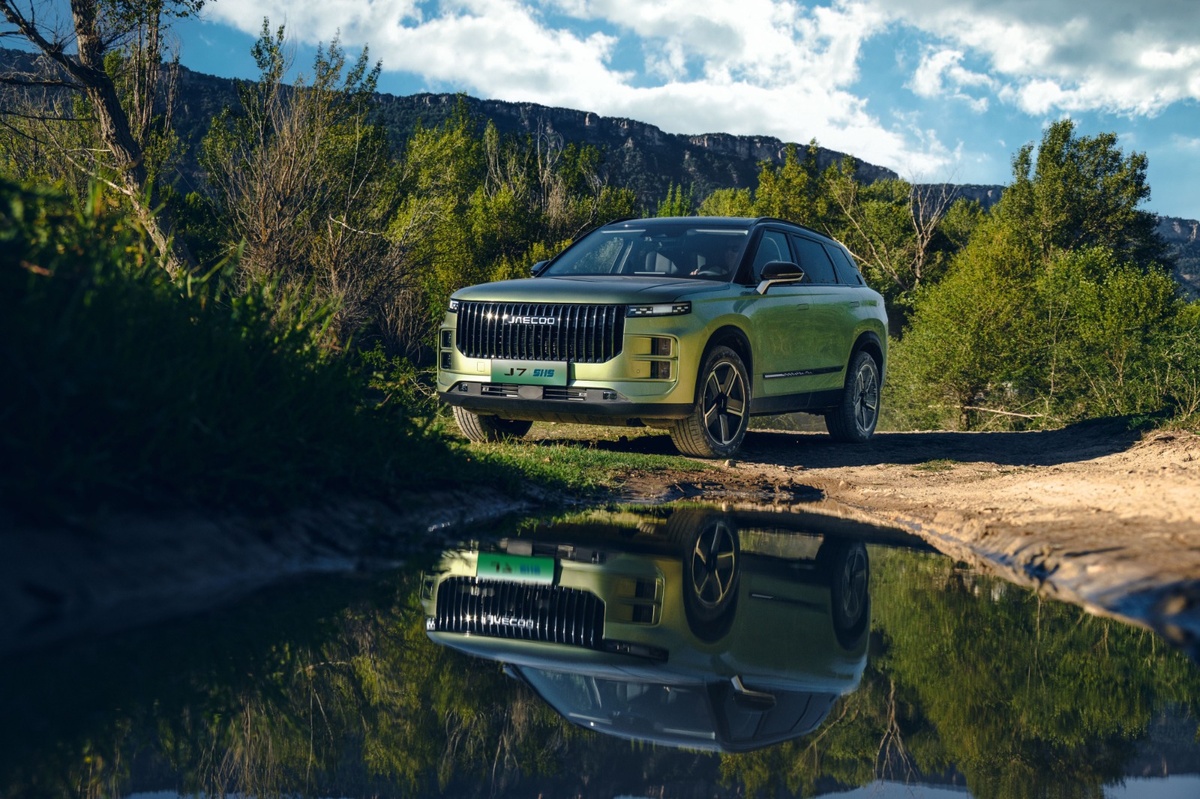
Jaecoo 7 with super hybrid SHS system exceeds 1,200 km of combined range with a 1.5 turbo engine, high-density battery, and intelligent energy management.

In addition, the engine works in conjunction with a high-power electric motor, which takes over traction in urban situations. As a result, fuel consumption is significantly reduced.
On the other hand, the presence of a high-energy-density battery allows the vehicle to travel dozens of kilometers only in electric mode. Consequently, the use of the combustion engine is optimized.
Technologies that enhance energy efficiency
In this sense, the system incorporates advanced solutions that work in an integrated manner. Among them, the following stand out:
- i-HTM (Intelligent Thermal Management), which optimizes thermal control
- Hi-DS (High Dilution), which recirculates gases to increase efficiency
- i-HEC (High Efficiency Combustion), which improves combustion
- i-LS (Intelligent Lubrication), responsible for intelligent lubrication
- DMC (Deep Miller Cycle), which enhances thermal efficiency
- HTC (High Efficiency Boost), which improves system response
Thus, the set achieves up to 44.5% thermal efficiency, one of the highest rates in the current market.
Intelligent real-time energy management
Moreover, the SHS system continuously monitors various parameters, such as speed, engine load, and battery level. Thus, it automatically adjusts the operation strategy.
Consequently, the vehicle alternates between different modes, prioritizing:
- Electric traction
- Use of the thermal engine as a generator
- Combination of both sources
At the same time, energy regeneration during braking and deceleration allows recovering part of the kinetic energy. In this way, the total range is continuously extended.
Dedicated transmission for maximum efficiency
On the other hand, the dedicated hybrid transmission (DHT) was developed specifically for electrified systems. Thus, unlike adapted transmissions, it operates with its own logic.
As a result, mechanical losses are reduced, while transitions between driving modes occur smoothly. Therefore, the thermal engine remains in its ideal efficiency range.
Result: increased autonomy and optimized efficiency
Thus, the combination of an efficient thermal engine, electric propulsion, and intelligent energy management allows the Jaecoo 7 to achieve over 1,200 km of range.
Additionally, the performance reinforces a trend in the automotive industry in 2026, as observed by sector analyses: the adoption of electrified systems that balance efficiency and performance.
Finally, the technological set of the model represents a significant advance in hybrid powertrains, bringing driving closer to a balance between innovation, economy, and usability in everyday life — and, in light of this, how far could this evolution take the next generation of vehicles?








Seja o primeiro a reagir!