





 Portuguese
  English
  Spanish
  4 min of reading
  0 comments


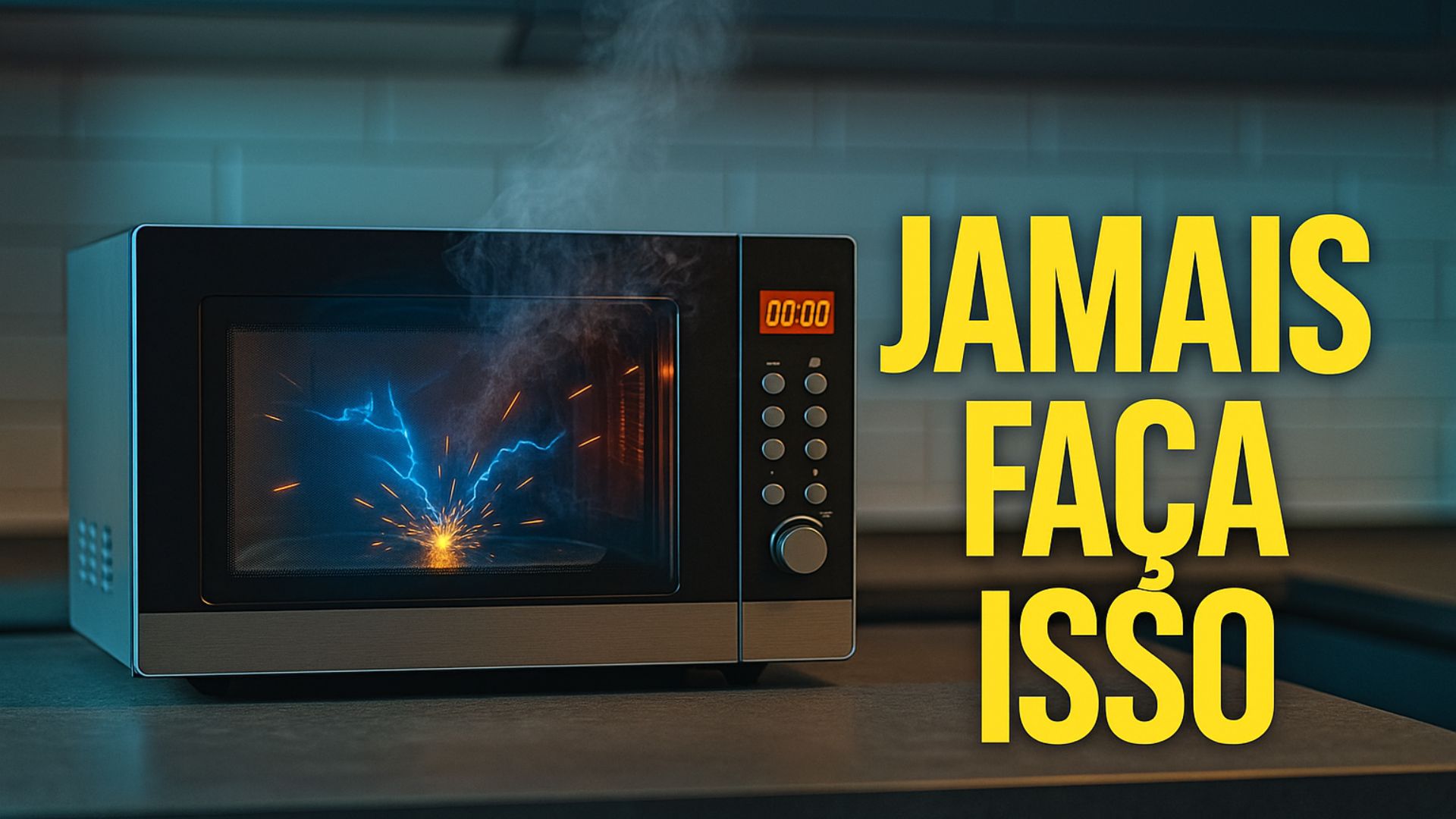
Understand How The Microwave Works, What Happens When It Is Turned On Empty, What Damage Can Occur, And Essential Care To Avoid Risks And Preserve The Lifespan Of The Appliance.
Turning on the microwave with no food or liquid can compromise the appliance’s functionality and pose a risk of short circuit, according to experts.
The absence of material to absorb the electromagnetic waves causes the energy to reflect internally and overload sensitive components, such as the magnetron, which is responsible for producing the microwaves.
How The Microwave Heats Food
The microwave oven works by emitting electromagnetic radiation of approximately 2.45 GHz, a frequency that primarily interacts with water molecules.
-
After decades of failed attempts, Brazil is once again looking to space with an orbital rocket measuring 12 meters, weighing 12 tons, costing R$ 189 million, and scheduled for launch in 2026, in a new race to finally achieve autonomous access to orbit.

-
The Earth will plunge into a few minutes of darkness in broad daylight in August 2026, when a total solar eclipse transforms the sky into one of the most impressive astronomical phenomena in recent years.

-
How the terraforming of Mars can transform the planet: artificial aerosols can increase the temperature by up to 35°C in 15 years, creating conditions for liquid water.

-
Scientists drilled nearly 8,000 meters into the ocean floor above the fault that caused the 2011 tsunami in Japan and discovered that a layer of clay 130 million years old was responsible for making the wave much worse than any model had predicted.


The energy is produced by the magnetron and distributed in the metal cavity through a waveguide.
When it reaches the food, the water molecules absorb part of the radiation and convert that energy into heat.
According to Professor Fernando Kokubun from the Federal University of Rio Grande (FURG), “the water molecules oscillate with the frequency of the radiation, and this phase loss causes part of the energy to be converted into heat. It is the heated water that cooks the food.”
To avoid uneven heating, most models come with a turntable, which distributes the waves more homogenously.
In addition to water, other substances present in food, such as fats and sugars, also absorb some of the energy, though to a lesser extent.
Why The Appliance Should Not Be Turned On Empty
When the microwave is turned on without food or liquid, the emitted waves find nothing to absorb them and end up reflecting off the internal walls.
This reflection can hit the magnetron and other electronic parts, causing overheating and premature wear.
According to Kokubun, part of the radiation returns through the waveguide, and this feedback can burn electrical components.
Electronics technicians consulted explain that this type of energy feedback can also cause small internal electrical discharges, noticeable as sparks.
Even though appliances have protective mechanisms such as fuses and temperature sensors, experts warn that it is best to completely avoid turning on without a load.
It is also recommended to use dedicated and grounded outlets, without adapters or extensions, to reduce the risk of electrical overload.
What Can Happen If Turned On With Nothing Inside
The practice of turning on an empty microwave, even for a few seconds, may seem harmless, but it poses cumulative risks, as explained by industry professionals.
The magnetron is the most vulnerable component, and its overheating can reduce heating efficiency.
In some cases, the appliance may continue to operate, albeit irregularly, requiring more time to heat food.
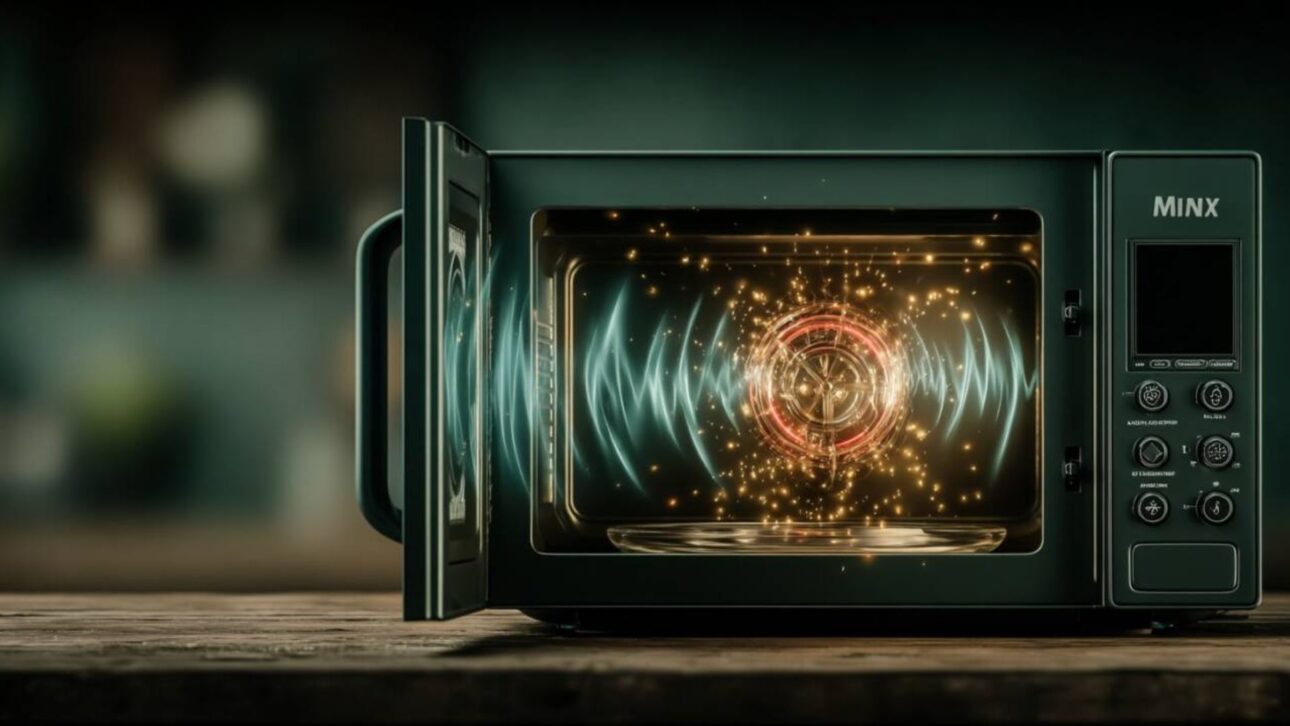
In more severe situations, there have been reports of short circuits and smoke emission.
Models with self-diagnosis systems can automatically interrupt operation, but this protection does not always prevent internal damage.
When there are signs of sparks, noises, or burnt smells, manufacturers advise to unplug the equipment immediately and seek authorized technical assistance.
What To Do If The Appliance Was Turned On Empty By Accident
If the microwave was turned on without a load by mistake, technicians recommend disconnecting it from the outlet and waiting a few minutes before testing again.
The test should be done with a container containing food or liquid, checking if the heating occurs normally.
If the appliance makes unusual noises, burnt smells, or fails to heat, it is necessary to seek specialized technical evaluation.
In many cases, repairs involve the replacement of the magnetron — one of the most expensive parts of the equipment — as well as checking the waveguide and ventilation system.
Technical assistance emphasizes that parts replacement should only be done with original components and by authorized professionals, since the microwave operates with high electrical voltage and any failure can pose a shock risk.
Care To Increase Safety And Durability
Electrical engineers recommend turning on the microwave always in a grounded outlet and without using adapters or extensions.
The installation location should be ventilated, with adequate space on the sides and back to avoid overheating.
The seal of the door also deserves attention. If the appliance does not turn off when opened, use should be stopped and the product should be sent for assistance.









Seja o primeiro a reagir!