





 Portuguese
  English
  Spanish
  5 min of reading
  0 comments


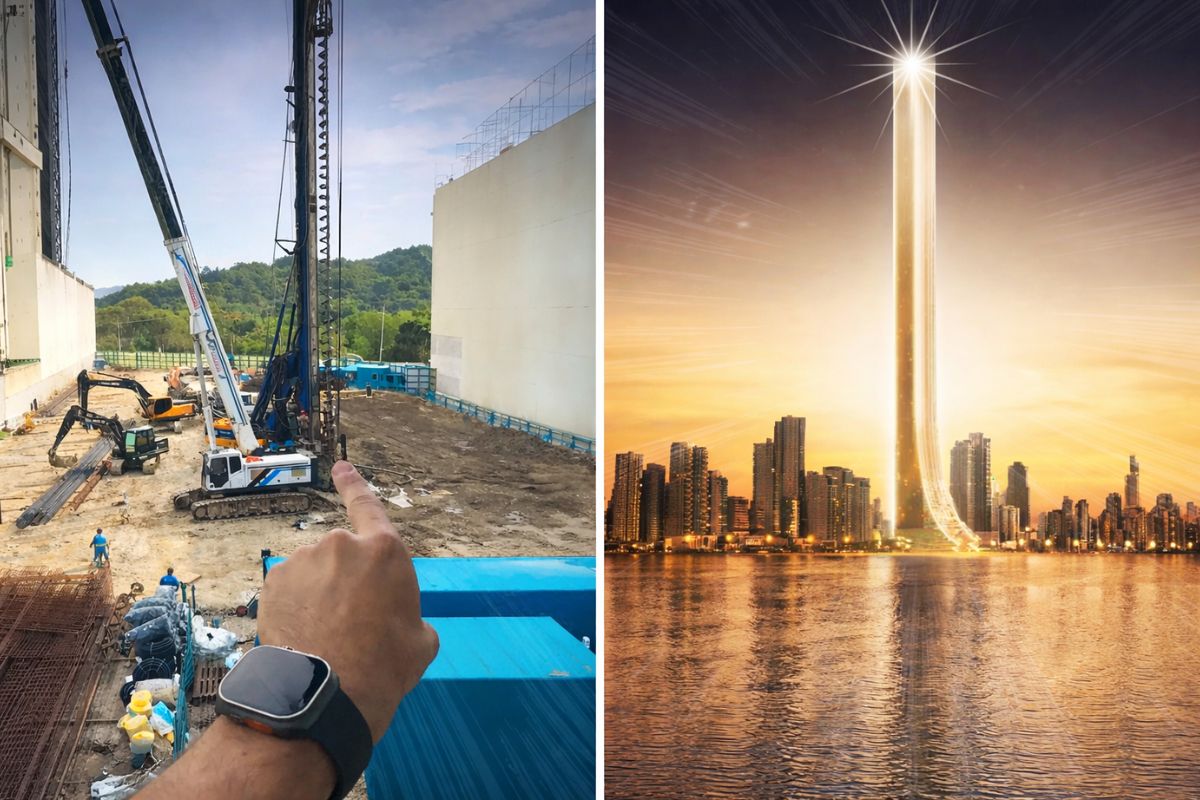
At The Construction Site of Senna Tower, The Foundation with 40 m Augercast Piles, a Foundation Block with 798 Points, and FCK 90 Grout Keep The Project On Schedule.
In January 2026, the construction of Senna Tower entered the most critical and invisible phase of a skyscraper. While the model shows a residential building over 550 m tall, what is happening today at the construction site is the opposite of the glamorization of the skyline: heavy machinery, 40 m deep drilling, and hundreds of piles that no one will see once the concrete dries.
The foundation of Senna Tower is being constructed with 40 m long and 60 cm diameter Augercast piles, fully reinforced and grouted with FCK 90, in a main block that will have 798 piles, of which over 200 have already been completed. All this is keeping the foundation schedule on track, a critical stage before any level above ground appears.
Senna Tower: The Giant That Starts Underground
Senna Tower is presented as a future record-breaking residential building, over 550 m tall, and this completely changes the foundation standards.
-
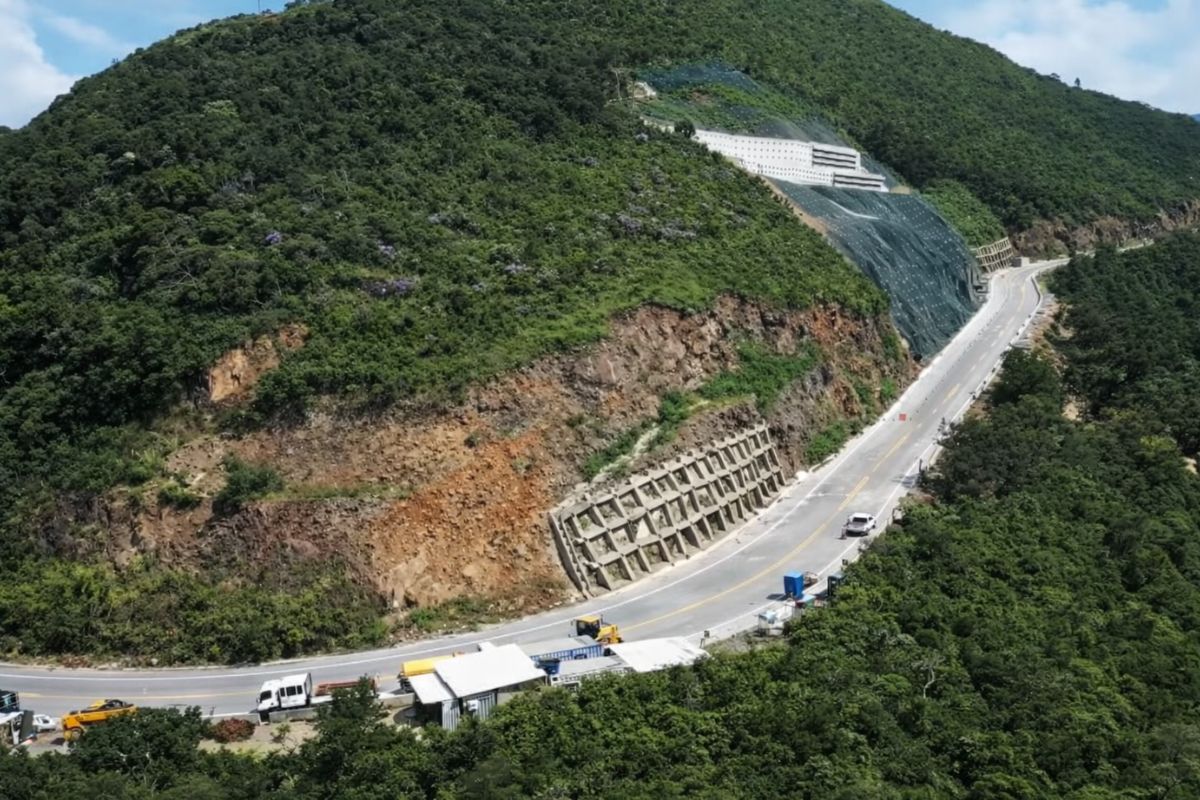
The section of Serra da Rocinha on BR-285 is now open in Timbé do Sul: 50 m tensioned curtains and top-down technique stabilize the slope, with a stairway duct controlling the water.
-
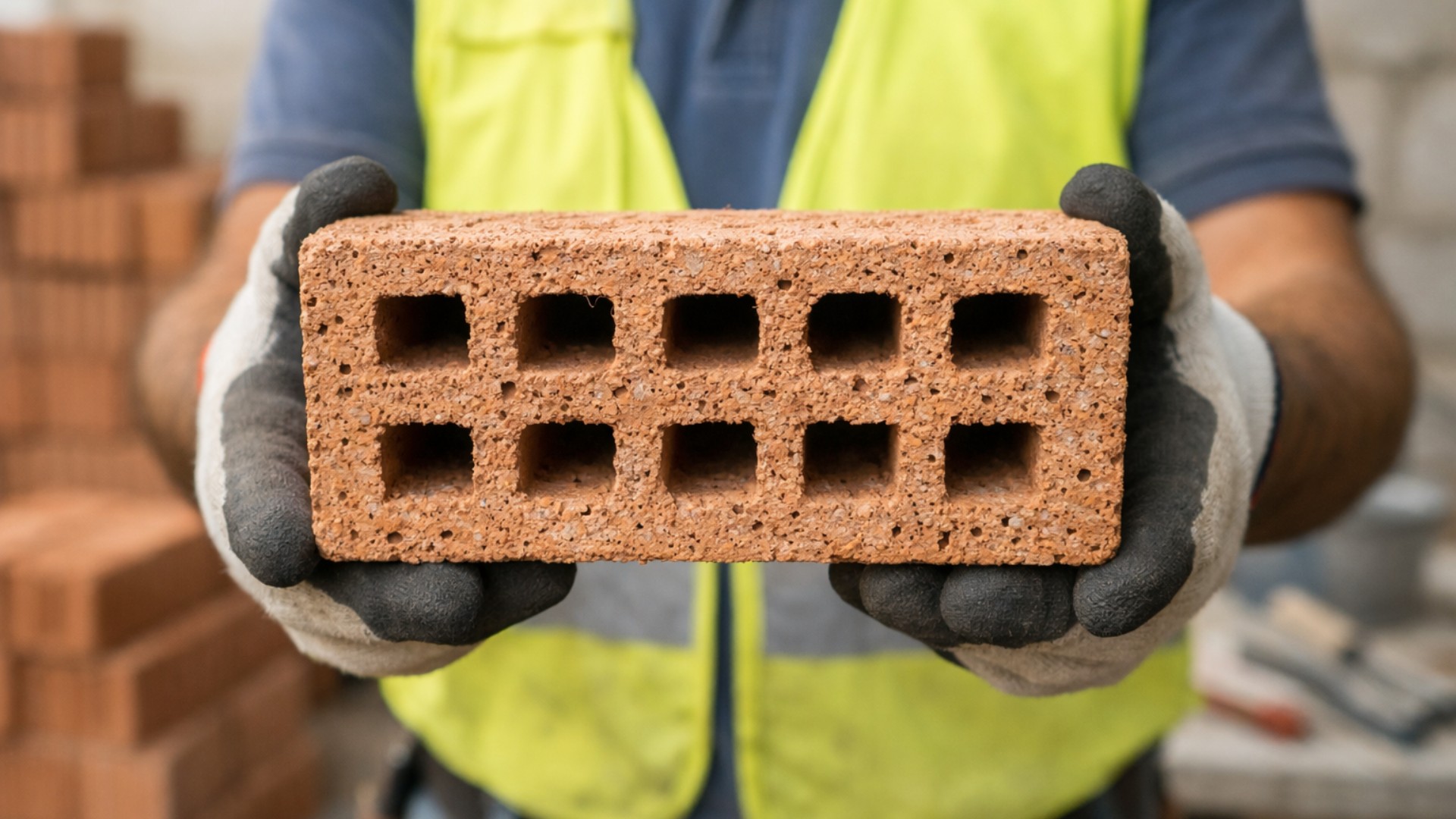
Scientists use sawdust mixed with clay to create a lighter brick, promising efficient thermal insulation and impressing by transforming waste into a solution for construction.
-
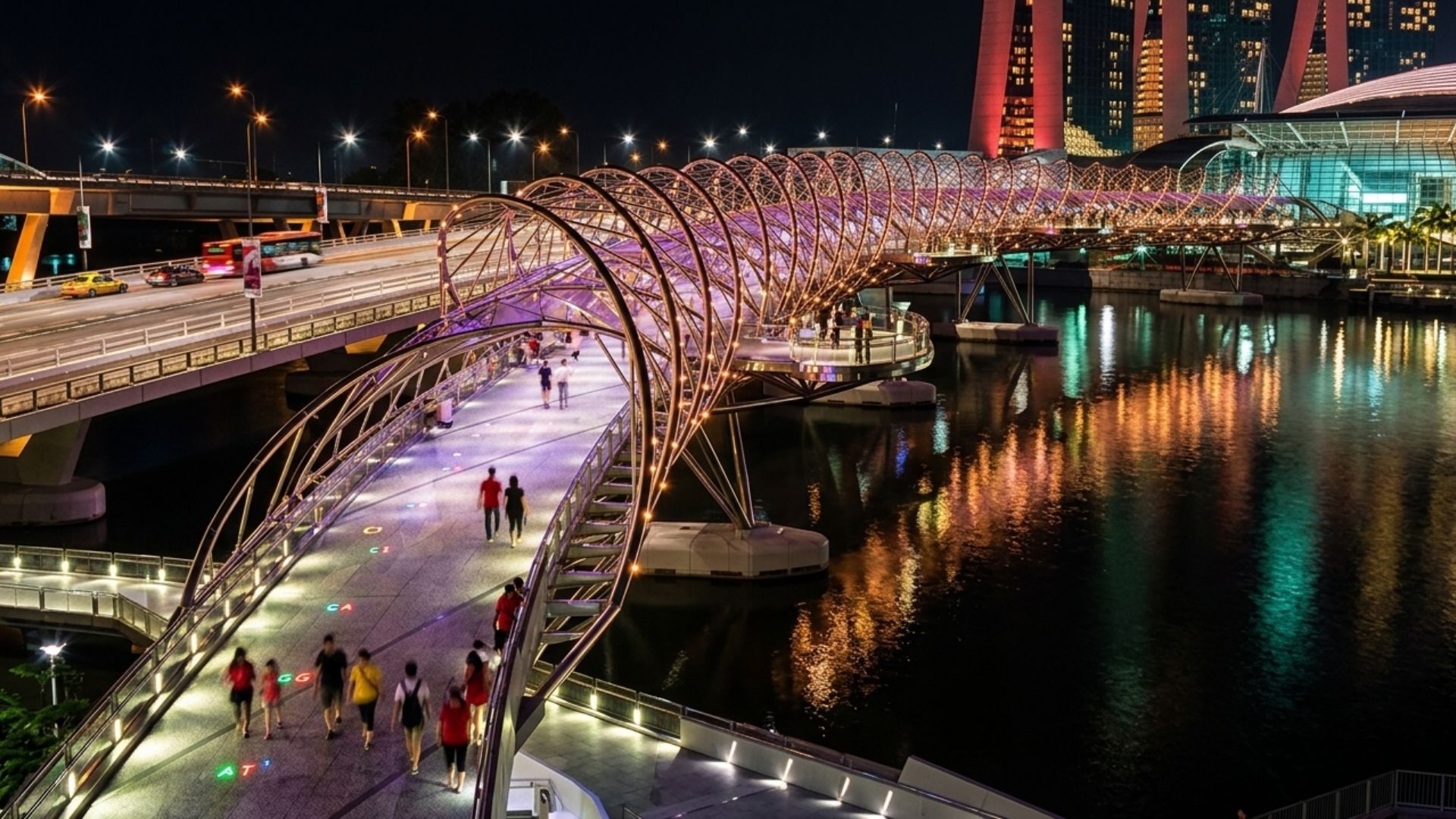
With a DNA shape, this bridge in Singapore draws attention in modern architecture and surprises tourists by transforming a simple crossing into an unforgettable visual experience in the urban heart.
-
Giant underwater pipeline begins to take shape with a R$ 134.7 million project at the Port of Santos: the 1.7 km structure uses 12-meter and 700 mm pipes to supply water to 450,000 people in Guarujá.
A building of this scale only exists because engineering ensures, before any floor, a foundation system compatible with the monstrous loads it will transmit to the soil.
At the site, this translates into a main foundation block that occupies practically the entire white demarcated area on the land.
This block concentrates 798 Augercast piles, all following the same logic: 40 m deep, 60 cm in diameter, and continuous reinforcement, forming a “carpet” of structural elements that anchor Senna Tower directly into the rock.
In addition to this block, the Senna Tower project anticipates more than a thousand piles in total, considering garages, technical areas, and other structural blocks.
The tower itself rests on this central foundation area, while the surroundings receive piles for garages and complementary structures.
40 m Augercast Piles and FCK 90: How This Foundation Works
The current foundation of Senna Tower is based on the Augercast pile system, executed by a large machine, such as the EK300, capable of drilling up to 40 m deep.
The process follows a well-defined sequence:
- The continuous helix drills into the ground until reaching about 40 m, going through shallow sandy layers until it finds the rock profile that will receive the pile anchorage.
- Upon reaching the design depth, the fluid concrete is pumped through the inside of the helix while the auger is removed, filling the pile shaft from the bottom up.
- Next comes the FCK 90 grout, a high-strength and high-fluidity mortar, allowing the insertion of a 40 m long reinforcement inside the newly filled shaft without getting stuck along the way.
The use of FCK 90 grout in Senna Tower is not a cosmetic detail, but a practical construction decision. In a pile of this depth, less fluid concrete would greatly hinder the descent of the full reinforcement.
With the appropriate mix, the reinforcement descends “lightly” and quickly, allowing for a high production rate, essential on a front with almost 800 piles just in the main block.
798 Piles in the Main Block, Anchored in the Rock


A key point of the foundation project of Senna Tower is the type of support adopted: all piles in the main block are anchored directly into the rock, about 40 m deep.
At the surface, the soil has a sandier behavior, but it is down below, in the rocky mass, that the foundation truly “interacts” with the terrain.
Each pile transmits the loads from the tower to the rock, reducing differential settlements and ensuring that the structure can support the weight of a building over 550 m high.
To enable 40 m reinforcements, the 12 m steel bars are spliced with successive overlaps, forming continuous cages up to the total length.
The final reinforcement visually impresses: dozens of bars forming long cylinders, with details of diameters and quantities defined to withstand compression, tension, and bending efforts throughout the life span of Senna Tower.
As of January 2026, more than 200 piles from the main block have already been executed, meaning that a significant part of the foundation mesh is ready and the progress continues on schedule.
Machines, Logistics, and Diaphragm Wall in the Senna Tower Construction
At the Senna Tower construction site, the scene combines different work fronts operating in parallel.
On one side, the large drilling rig executes the 40 m Augercast piles, alternating between drilling and concreting. Each cycle involves: drilling, pumping FCK 90 grout, removing the auger, and then inserting the reinforcement.
Next door, a crawler crane transports and inserts the reinforcements, with the advantage of moving across the terrain without the need for leveling with each move.
This ensures mobility to pick up the reinforcement in the yard, shift it to the exact point of the pile, and position it quickly, even with the boom raised.
Another important front is the execution of the diaphragm wall around the perimeter of the land, which will be responsible for containing the soil during the future deep excavation.
Only after stabilizing this “containing ring” can the construction proceed downwards safely, excavating, trimming the piles, and shaping the main foundation block.
The coordination between the tower piles, diaphragm wall, and future garage piles is what allows Senna Tower to advance in foundation without wasting time, keeping different teams active and optimizing the use of high-cost equipment.
Schedule, Foundation, and The Next Step for Senna Tower
The foundation is traditionally one of the most time-consuming stages of any major building, and in Senna Tower, this is amplified.
There are almost 800 piles just in the main block, plus the garage piles and containment, totaling over a thousand elements in the end.
Even so, as of January 2026, the foundation schedule for Senna Tower is on track. The production of piles continues at a high pace, greatly supported by the choice of the Augercast system with FCK 90 grout, the logistics of ready reinforcements, and the use of crawler cranes, which reduce downtime between one pile and another.
Once the execution of the 798 piles from the main block is completed, the next cycle involves:
- excavation to the top elevation of the piles
- trimming the shafts
- assembling the reinforcements of the block
- concreting the huge foundation block that will definitively receive the base of Senna Tower
Only after this will the first structural levels above ground begin to appear, giving visible shape to what is currently buried.
The iconic tower that the public sees in the model is only possible because engineering is now anchoring Senna Tower into the rock with millimeter precision.
And you, who follow construction and engineering, did you imagine that Senna Tower would have a foundation with almost 800 piles anchored in the rock at 40 m deep? If you could choose, would you prefer to visit the top of this finished skyscraper or the foundation site as it is today in January 2026?








-

3 pessoas reagiram a isso.