





 Portuguese
  English
  Spanish
  5 min of reading
  0 comments


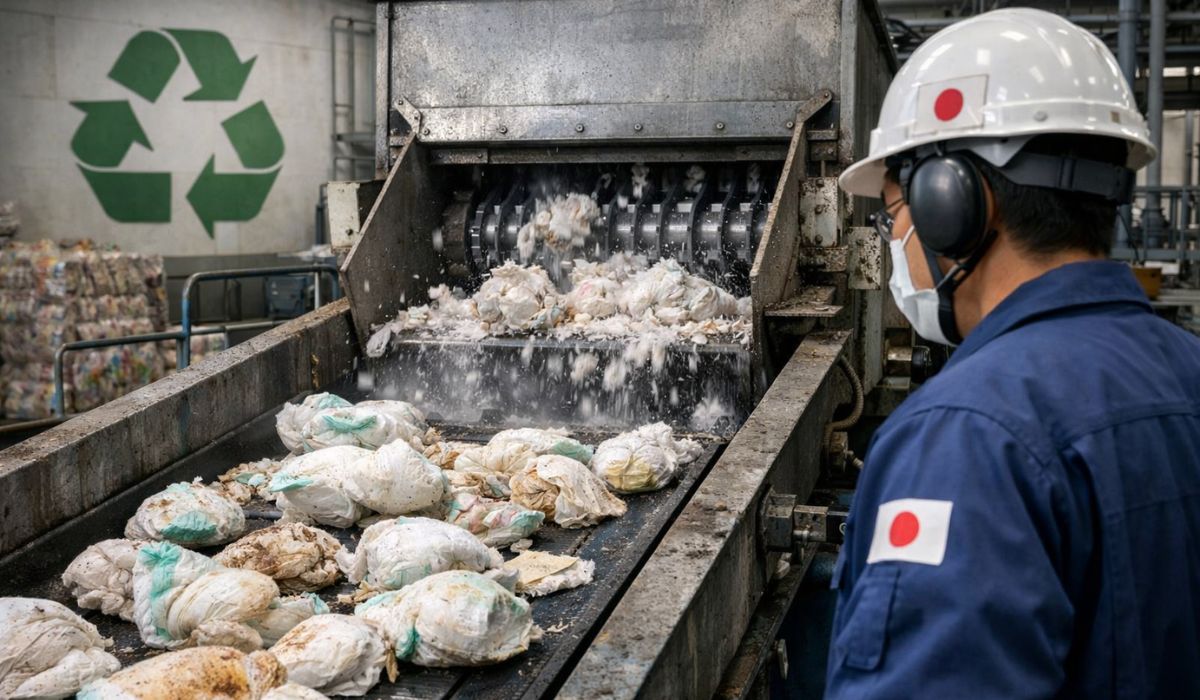
Japanese project transforms a daily waste into a central theme of environmental innovation, consumption, and urban management, amid demographic changes that are altering the destination of waste and the search for reuse solutions in the country.
Japan has started to transform used disposable diapers into raw material for new products, in an initiative linked to reducing waste volume and increasing demand for geriatric items.
The project is led by the manufacturer Unicharm in partnership with local governments in the Kagoshima province and operates in Shibushi and Osaki.
The company has begun selling recycled diapers on a local scale, while authorities and the private sector monitor the potential for expanding the model.
-
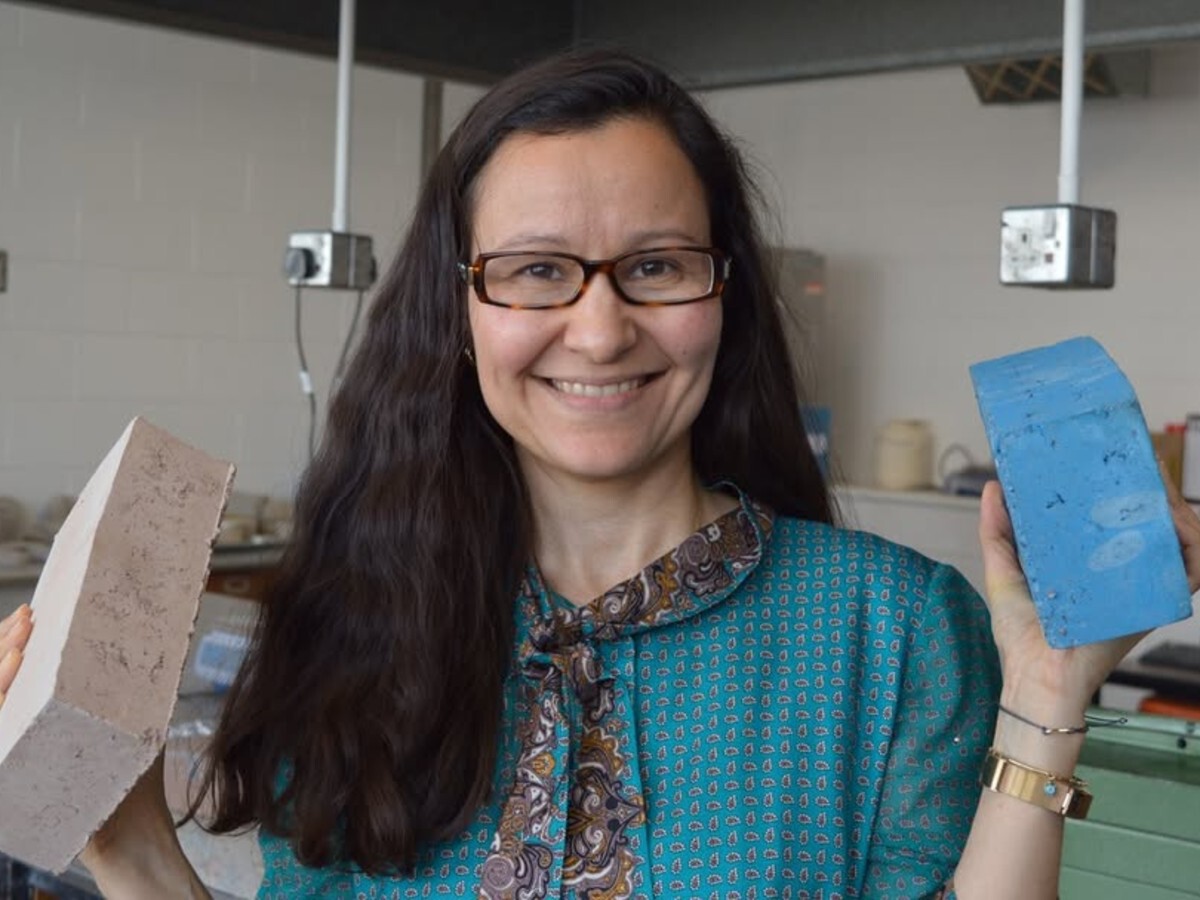
Goodbye to waste: a Brazilian created a revolutionary brick that uses construction debris, has already entered the markets of the United Kingdom and the USA, and promises to shake up the global construction industry.
-
China has created a mass-produced hypersonic missile that costs the same as a Tesla, and this is changing everything in modern warfare because the United States cannot defend itself without spending millions.

-
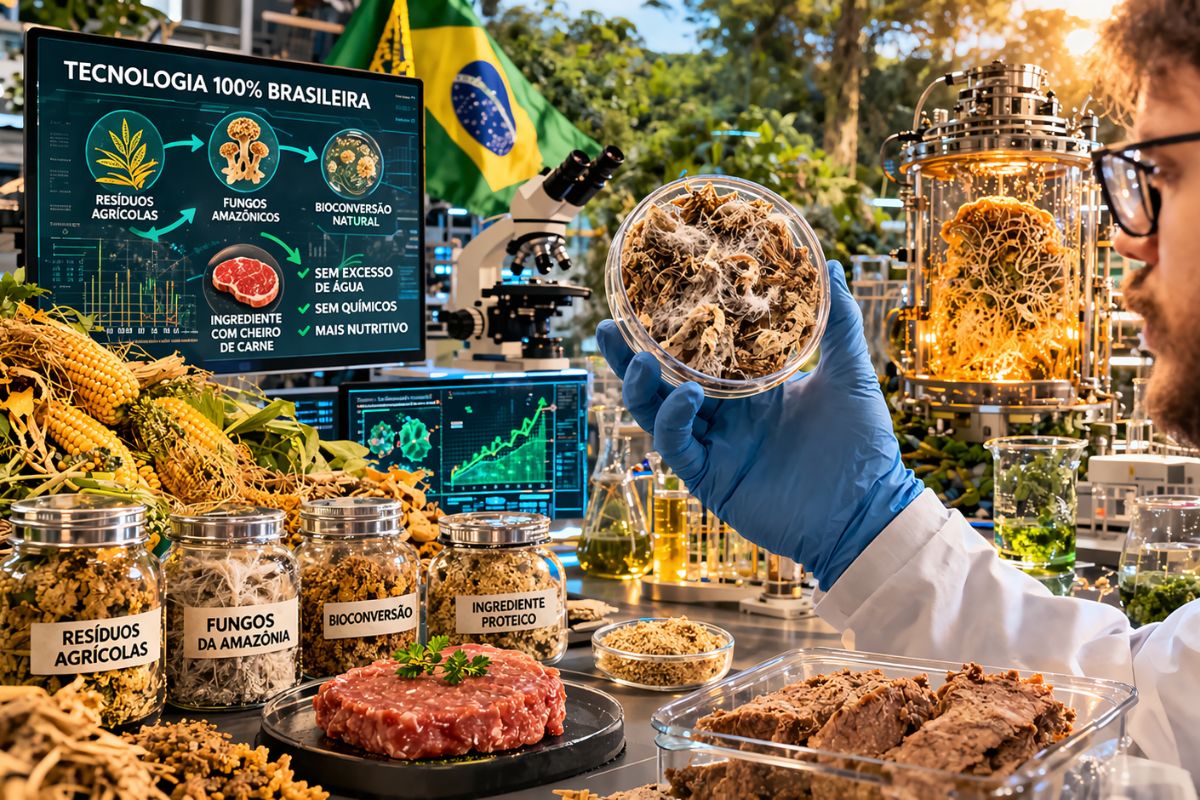
100% Brazilian technology transforms agricultural waste into a meat-scented ingredient using fungi from the Amazon rainforest. The process does not use excessive water or chemicals, and it also increases the nutritional value of the final product.
-
Psychology reveals that adults who avoid conflicts at all costs are not balanced individuals, but rather children who learned in the worst way that expressing emotions brought punishment and now live paralyzed by the fear of expressing themselves.


Diaper recycling in Japan: how reuse works
The proposal relies on reusing part of the materials from the diapers to produce new units of the same type.
In the sector, this process is called horizontal recycling, because the waste returns to the chain with a function similar to the original.
According to Unicharm, the initiative is part of the company’s strategy to enhance circularity in resource use and depends on separate collection and specific processing.
In Shibushi and Osaki, residents and institutions have started to dispose of used diapers in specific bags to allow for separate collection.
After that, the material goes through an industrial stage where it is dehydrated, crushed, washed, and separated into components such as pulp, plastic, and superabsorbent polymer.
This process is necessary because the diaper contains different materials and, without sorting, would typically be sent for incineration or landfill.
The pulp is the main component recovered for the manufacture of new diapers.
According to the company, this material undergoes ozone treatment for sterilization, bleaching, and deodorization before returning to the production line.
Unicharm reported that the technology was developed to meet sanitary standards required for this type of product.
This point helps explain why the experience has attracted attention outside Japan.
In many cases, recycled sanitary waste is converted into items different from the original or intended for other industrial purposes.
In the Kagoshima project, the goal is to reuse the treated pulp in the production of diapers themselves.
Still, the expansion of the system depends on factors such as public adherence to segregated collection, processing capacity, and logistical cost.

Aging population and increase in urban waste
The change occurs in a context of demographic transformation.
With declining birth rates and an aging population, the Japanese hygiene market has been experiencing a reduction in demand for baby diapers and an increase in the consumption of geriatric products.
This movement also alters the profile of urban waste, as used diapers have a high weight and require specific treatment in the waste system.
Commenting on this change, Unicharm’s president, Takahisa Takahara, stated that the demand for baby diapers is declining, while the use among the elderly and even in products for pets is increasing.
In statements reported by international media, he also associated the adoption of recycled items with the possibility of making the model economically viable in the future.
Data cited by reports on the subject indicate that diapers could represent about 7% of Japanese household waste by 2030, above the percentage recorded in 2020.
This scenario has helped to increase the interest of local governments and companies in recycling alternatives for a waste that is expected to grow with the aging population elderly.
Environmental policy and waste management in Japan
The advancement of this type of project in Japan is also linked to public authority actions.
The Ministry of the Environment published guidelines on the recycling of used disposable diapers in 2020, and the topic has started to appear in policies aimed at the circular economy and waste management in an aging society.
Official documents highlight the need to support technologies, operators, and collection models aimed at this material.
In addition to national guidelines, the experience of Osaki and Shibushi relies on a local history of more detailed waste separation.
Reports from the Japanese government and initiatives related to the circular economy indicate that the region had already been developing sorting and reuse actions before the consolidation of diaper recycling.
The inclusion of this item in the local disposal system expanded the already existing separation structure.

Sale of recycled diapers and expansion plan
Recycled diapers have started to be sold at retail locations in the Kyushu region, with circulation still limited.
Reports published when the product hit the market indicated that prices were about 10% higher than conventional diapers.
Before being sold to the general public, the items had already been used in hospitals and care institutions in Kagoshima.
The expansion of the project was organized in stages.
Unicharm reported in its integrated report that it operated at the end of 2024 recycling units in two municipalities in Kagoshima and was working towards bringing this model to 10 municipalities by 2030.
In subsequent corporate communication, the company began to mention the intention to reach 20 municipalities by 2035, conditioning this advancement on the development of more efficient technologies and the expansion of partnerships.
In this scenario, Shibushi and Osaki are treated as reference cases because they already have established waste separation policies.
Official documents and materials related to the circular economy show that the local structure helped to enable testing, dedicated collection, and processing of the material on a municipal scale.
The recycling of diapers, therefore, has been incorporated into a system that already had an operational base for initiatives of this type.
What the project shows about recycling and the circular economy
The Japanese experience has come to be seen as a test of the limits of recycling sanitary waste.
Disposable diapers involve challenges of hygiene, transportation, storage, and consumer acceptance, making reuse more complex than with materials like paper, glass, or metal.
Still, the case of Kagoshima indicates that the combination of specific collection, industrial treatment, and sanitary validation can open up space for the recovery of part of this waste.
For now, the system remains concentrated in a few municipalities and still depends on scale to prove its economic viability more broadly.
At the same time, the project shows how demographic changes have begun to influence not only the hygiene market but also urban waste management and circular economy strategies in Japan.






Seja o primeiro a reagir!