





 Portuguese
  English
  Spanish
  4 min of reading
  0 comments


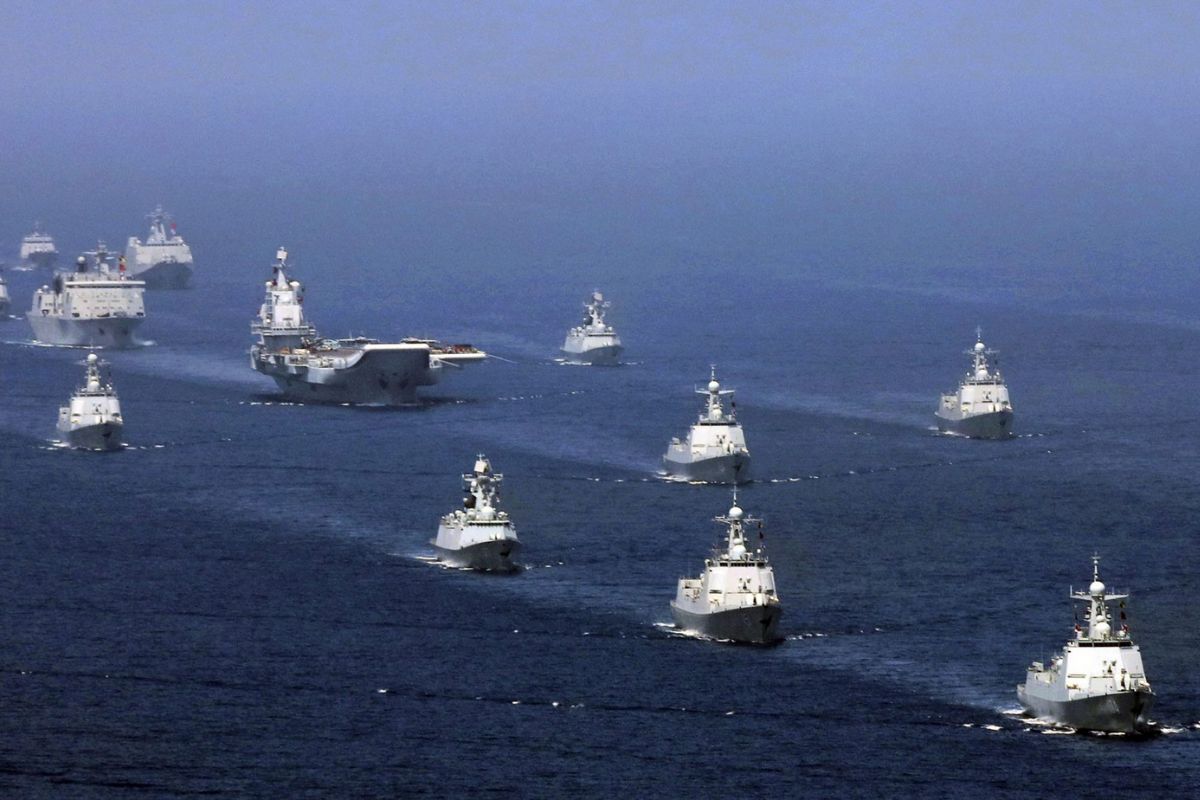
Japanese Island of Minamitori Hides More Than 200 Million Tons of Strategic Metals. But China Is Already Practicing How to Pressure the Region with Bold Naval Maneuvers
At a time when Japan seeks to reduce its dependence on China for the supply of rare earths, one of the most strategic resources of the 21st century, an unusual fact has raised alarms in Tokyo. Shortly after confirming the presence of a massive deposit of minerals on the seafloor near the Japanese island of Minamitori, a Chinese fleet led by an aircraft carrier crossed a sensitive area of the Japanese exclusive economic zone (EEZ).
Coincidence? In today’s geopolitical chessboard, few believe in coincidences.
Submarine Treasure That Could Change the Game
In 2022, Japan launched a technological and scientific offensive to find alternative sources of rare earths. The mission was clear: reduce dependence on China, which currently dominates about 60% of global production of these minerals essential for batteries, electric motors, turbines, and advanced military systems, according to the International Energy Agency.
-
Friends have been building a small “town” for 30 years to grow old together, with compact houses, a common area, nature surrounding it, and a collective life project designed for friendship, coexistence, and simplicity.

-
This small town in Germany created its own currency 24 years ago, today it circulates millions per year, is accepted in over 300 stores, and the German government allowed all of this to happen under one condition.

-
Curitiba is shrinking and is expected to lose 97,000 residents by 2050, while inland cities in Paraná such as Sarandi, Araucária, and Toledo are experiencing accelerated growth that is changing the entire state’s map.

-
Tourists were poisoned on Everest in a million-dollar fraud scheme involving helicopters that diverted over $19 million and shocked international authorities.


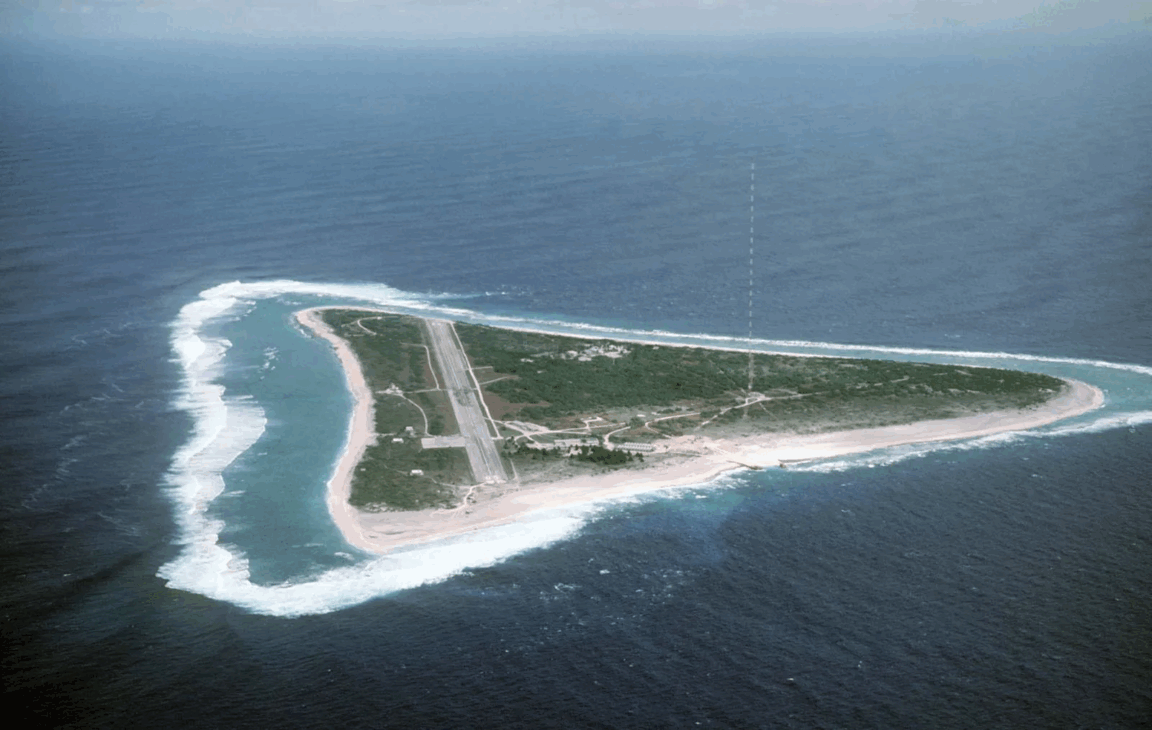
The effort began to bear fruit in 2024 when researchers located a huge field of polymetallic nodules on the seafloor near the island of Minamitori, 1,900 km from Tokyo. It is estimated that there are more than 230 million tons of critical minerals there, including manganese, cobalt, nickel, and rare earth elements.
This discovery quickly transformed the remote island into a new geoeconomic epicenter for Japan and a potential target for international interests.
The Unexpected Movements of the Chinese Navy
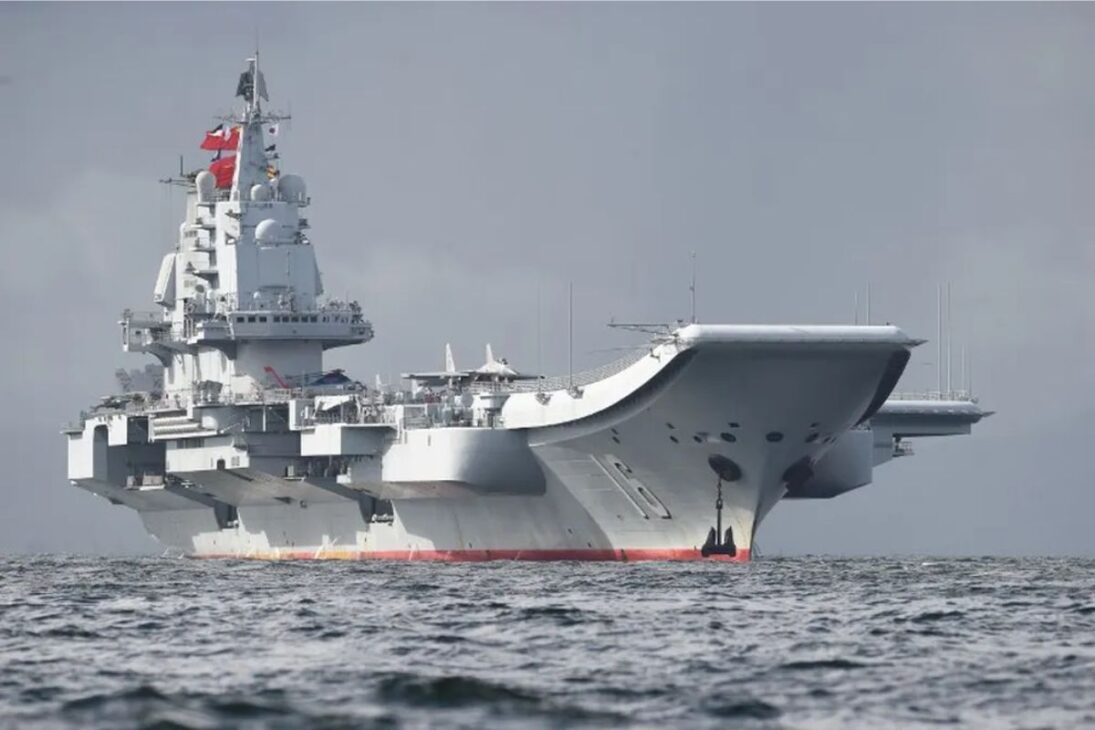
Almost simultaneously with the disclosure of these submarine deposits, the Chinese navy made an unprecedented move: for the first time, a naval combat group with an aircraft carrier entered the Japanese EEZ in that region.
The Chinese fleet, consisting of an aircraft carrier, two guided missile destroyers, and a supply ship, navigated about 300 km southwest of Minamitori before proceeding to air exercises in international waters.
The movement was closely monitored by Japanese defense forces, which sent the destroyer Haturo to track every step of the Chinese fleet. The Japanese government stated that it had conveyed an “appropriate message” to Beijing, but did not officially confirm whether there was a formal diplomatic protest.
Minamitori: Remote Island, But of Strategic Value
Although uninhabited by civilians, Minamitori is home to stations of the Japanese Meteorological Agency, units of the Defense Forces, and the Coast Guard. Its strategic importance has grown precisely due to the submarine deposits of critical minerals, which are increasingly sought after in times of energy transition and technological competition.
Recent studies from the University of Tokyo indicate that the mineral resources in the area could supply a significant portion of global demand for decades. According to Professor Yutaro Suzuki, a marine geology expert, “the nodules found there contain concentrations of rare earth elements that could ensure Japan’s self-sufficiency in key sectors.”
The sudden presence of the Chinese navy nearby has therefore raised concerns not only military but also economic.
Not an Isolated Incident
Although the operation near Minamitori was the first with an aircraft carrier in this specific area of the Japanese EEZ, it is not an isolated event. In September 2024, the Chinese aircraft carrier Liaoning conducted a similar maneuver between the islands of Yonaguni and Iriomote, near Taiwan.
On both occasions, China has demonstrated a clear strategy of expanding its naval reach in the Western Pacific. According to an analysis by the Center for Strategic and International Studies (CSIS), Beijing has been conducting a deliberate campaign to increase international tolerance of its forces in areas traditionally dominated by the United States and its allies.
A Tactical Escalation in an Already Tense Context
Regional tensions are not new. Japan and China have a territorial dispute over the Senkaku Islands (known as Diaoyu in China), located in the East China Sea. China has intensified its naval patrols in the region, while the United States reinforces military alliances with Japan, South Korea, and the Philippines.
The recent episode in Minamitori has been interpreted by analysts as a new step in escalation. The spokesperson for the Japanese Ministry of Defense assessed the maneuver as part of China’s efforts to “enhance its operational capabilities in distant regions.”
While Tokyo opted for a restrained response based on surveillance, experts warn that the trend is for a gradual increase in Chinese pressure. Professor James Holmes from the U.S. Naval War College noted in an interview with Nikkei Asia: “Each Chinese incursion serves as a test. The more normalized these operations become, the harder it will be to contest them in the future.”
A New Reality in the Pacific
Just a few years ago, imagining a Chinese fleet with an aircraft carrier operating so close to Japan’s easternmost territory would have been considered unlikely. Today, this is a new reality in the region’s geopolitical landscape.
The transit of the Chinese fleet around Minamitori not only challenges the regional balance but also signals a concrete step in the project of normalizing Chinese naval presence in areas crucial for territorial security and Japan’s technological future.
In the strategic game of the Pacific, every naval movement carries political messages. And the chess match between Japan, China, and the United States seems increasingly dynamic — and unpredictable.










Seja o primeiro a reagir!