





 Portuguese
  English
  Spanish
  4 min of reading
  0 comments


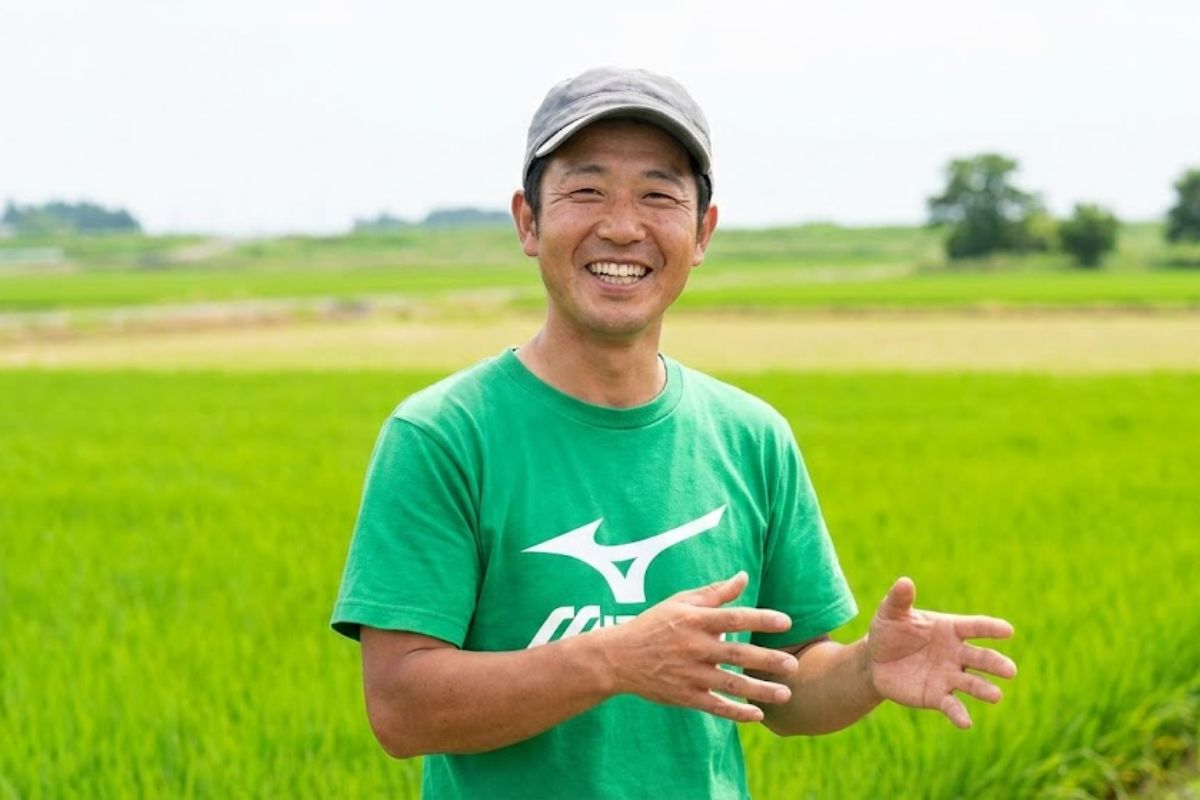
Japanese Farm on Island Uses Secret Water from Extremely Clean Underground Spring to Control Irrigation Minute by Minute, Producing Forty Tons of Onion in Just One Point Five Hectares, Grows Rice and Vegetables Three Annual Harvests, and Delivers Fresh Food Directly to One Hundred Local Families with Proven Continuous Precise Water Management
The secret water has become the central axis of a family farm located on an island in Japan that has turned an underground spring into a real productive advantage. The property demonstrates that absolute water control can overcome area, climate, and scale limits, ensuring intense harvests regularly throughout the year.
The experience takes place on Awaji Island, about two hours from Osaka, and draws attention for uniting Japanese agricultural tradition, precise mechanization, and continuous use of secret water with exceptional quality, without relying on random irrigation or excess inputs.
Where the Secret Water That Powers the Farm Comes From

The secret water used on the farm comes from a natural underground spring, filtered by deep geological layers of the island. It is extremely clean water, stable in temperature and free from surface contamination, allowing direct use on rice, vegetables, and onions.
-
Italian researchers have detected what appears to be a second Sphinx buried under the sands of Egypt, and satellite scans reveal a gigantic underground megastructure hidden beneath the Giza Plateau for over 3,000 years.

-
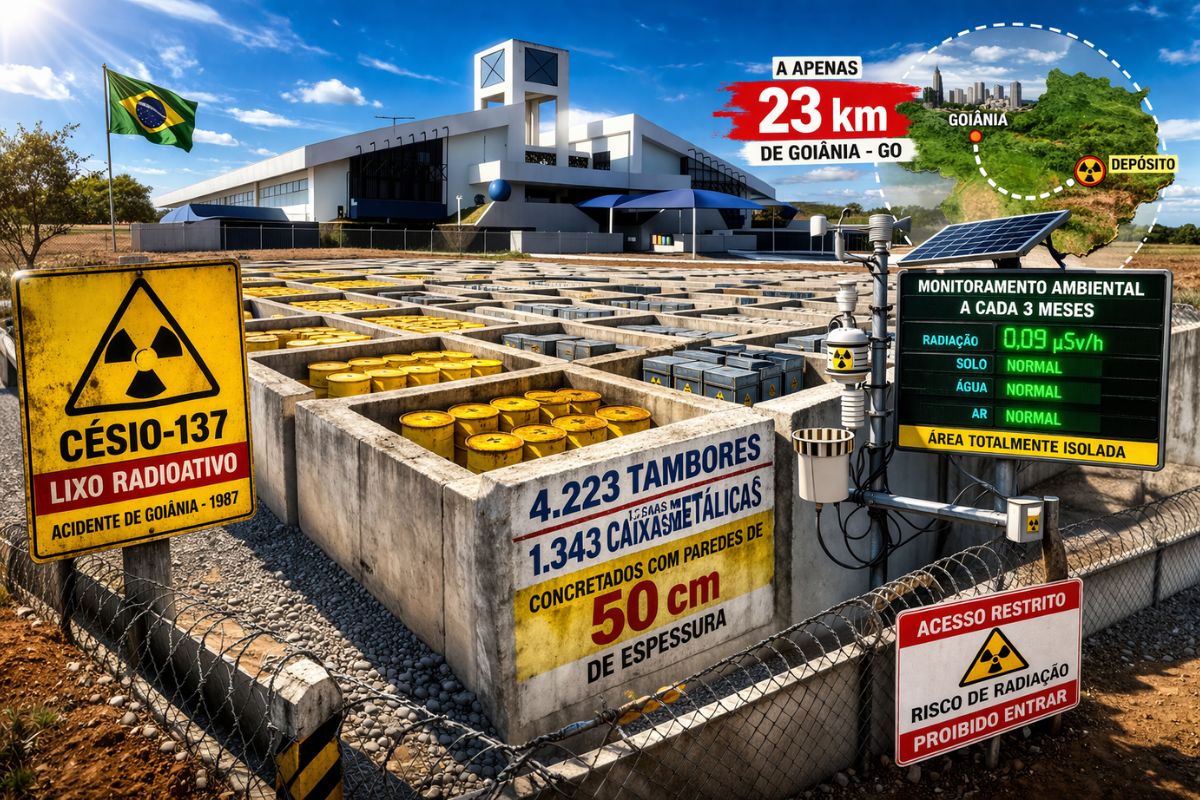
There are 4,223 drums and 1,343 metal boxes concreted with 50-centimeter walls that store the radioactive waste from Cesium-137 in the worst radiological accident in Brazil, just 23 kilometers from Goiânia, with environmental monitoring every three months.
-
Giant Roman treasure found at the bottom of Lake Neuchâtel in Switzerland reveals an advanced trade system, circulation of goods, and armed escort in the Roman Empire about two thousand years ago.

-
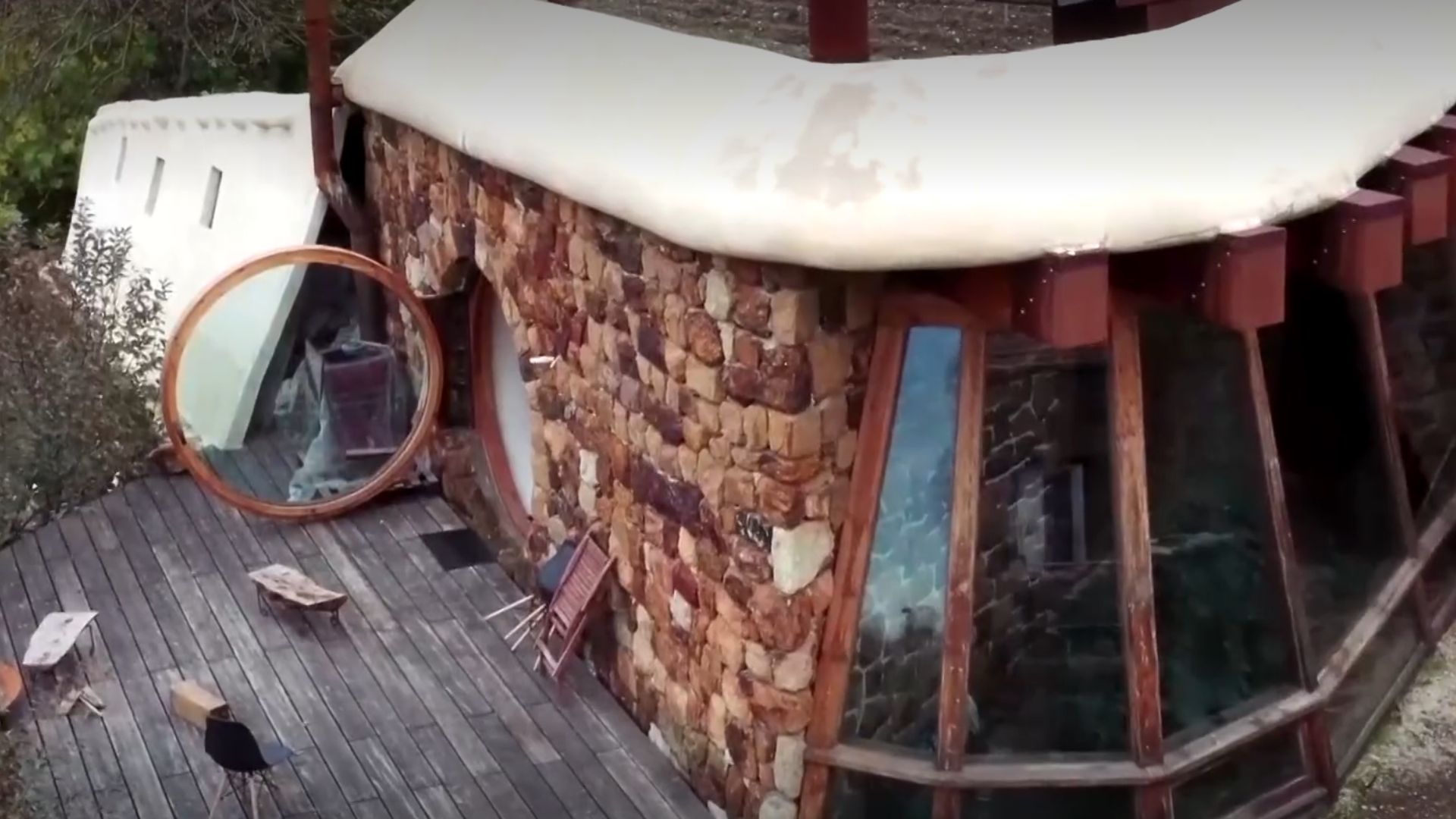
He buried 1,200 old tires in the walls to build his own self-sufficient house in the mountains with glass bottles, rainwater, and an integrated greenhouse.

The entire water system operates by gravity and manual and digital gates. The farmer controls the entry and exit of secret water in each plot, adjusting the level according to the crop stage. Nothing is left to chance, and excess water is drained to prevent saturation and soil loss.
40 Tons of Onion in Just 1.5 Hectares

Onion is the farm’s main cash crop. On 1.5 hectares, the annual production reaches 40 tons, a number considered high for small Japanese properties. The secret lies not in aggressive fertilization, but in the consistency of the secret water, which keeps the soil always active.
After harvest, the onions undergo mechanical cleaning, size standardization, and weighing within the property. Sales are made directly to consumers, allowing for immediate feedback on taste, texture, and preservation, something rare in long distribution chains.
Rice and Vegetables Grown Three Times a Year

The rice occupies the same fields in planned rotation. Secret water allows for natural soil sterilization through water management, reducing unwanted bacteria and facilitating vegetable planting immediately after the rice harvest.
With this method, the farm achieves up to three productive cycles per year on the same land, alternating rice, onion, Japanese corn, cucumber, okra, sweet peppers, and other vegetables adapted to local consumption.
Direct Distribution to One Hundred Families


About 100 families receive fresh food directly from the farm in a subscription system. Harvest occurs in the morning, and delivery takes place the following day, ensuring extremely fresh vegetables, something highly valued in Japanese food culture.
According to the farmers, children who previously rejected vegetables have started to consume them easily. The more intense flavor and natural aroma are attributed to the control of the secret water, which regulates nutrient absorption from the roots.
Small Machines and Japanese Efficiency
The property uses compact tractors, specific planters, and harvesters adapted to small areas. The focus is not on industrial scale, but on operational precision, reducing human effort and work time.
Even so, the farmer describes his routine as intense. The field requires daily attention, especially in managing the secret water, which must be monitored to ensure a balance between infiltration, drainage, and soil aeration.
Why Controlled Water Changes Everything
The experience of the Japanese island shows that excess water is just as harmful as scarcity. The difference lies in controlling flow, timing, and volume with precision. Secret water, when well managed, allows for deeper roots, more resilient plants, and faster cycles.
The result is a farm that produces a lot in a small space, with regularity and predictability. It’s not magic nor mystery, but agricultural engineering applied to water as the central element of the system.
If the secret truly lies in the secret water, how many other farms around the world could produce more just by learning to control every drop of what they already have?










-

-

-

-

6 pessoas reagiram a isso.