





 Portuguese
  English
  Spanish
  3 min of reading
  0 comments


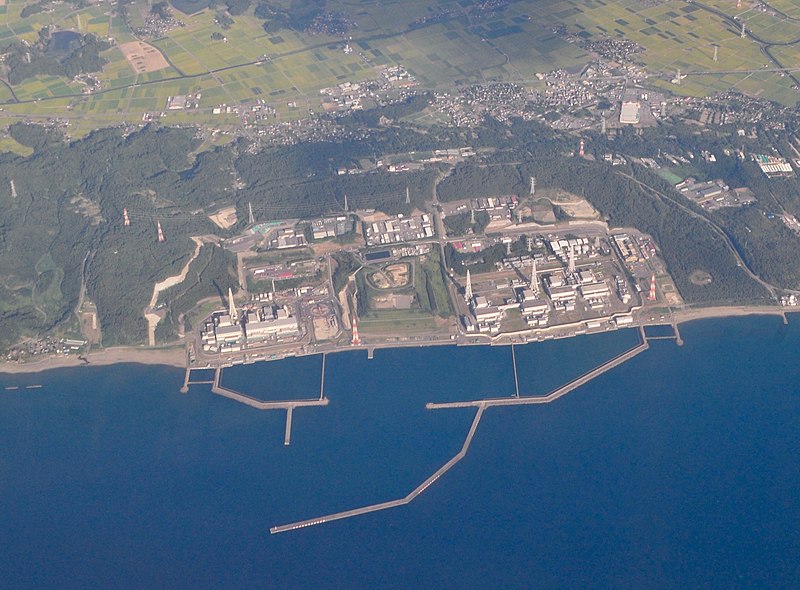
Japan Rehabilitates The Largest Nuclear Power Plant On The Planet. Understand The Safety Measures And The Return Of Operations
If we consider the installed capacity, the largest nuclear power plant in the world is the Kashiwazaki-Kariwa nuclear plant, located in the city of Niigata, northwest of Tokyo (Japan). It is managed by TEPCO (Tokyo Electric Power Company), which is the third largest electricity company in the world, and includes seven boiling water reactors capable of delivering over 8,200 MWe collectively.
This nuclear power plant fell from grace after the tragic Fukushima plant accident, despite its crucial role in Japan’s electrical infrastructure. Safety is the most important thing, and after the Fukushima incident, Japan’s nuclear regulatory agency, the NRA (Nuclear Regulation Authority), decided to suspend its operating license until TEPCO could implement new safety measures derived from the lessons learned in 2011.


Japan Is Gradually Reconciliating With Nuclear Energy
Currently, Japan operates twelve nuclear reactors, but also has two more under construction and twenty-seven reactors that, for now, remain inactive. In April 2023, the Japanese government approved new legislation on nuclear energy that allows the operation of nuclear plants to extend beyond the current limit of 60 years. In practice, this simply means that if a nuclear power plant can operate safely beyond these six decades, regulation allows it to do so.
-
Historic bankruptcy of Centauro shocks the market, and the century-old company puts more than 500,000 products, machines, and complete infrastructure up for online auction.
-
New shoe factory in Ceará is expected to create 400 jobs and strengthen the local economy.
-
No one imagined it, but a mixture of sawdust with a mineral that fights fires surprises scientists with a result that changes the course of fire-resistant construction.

-
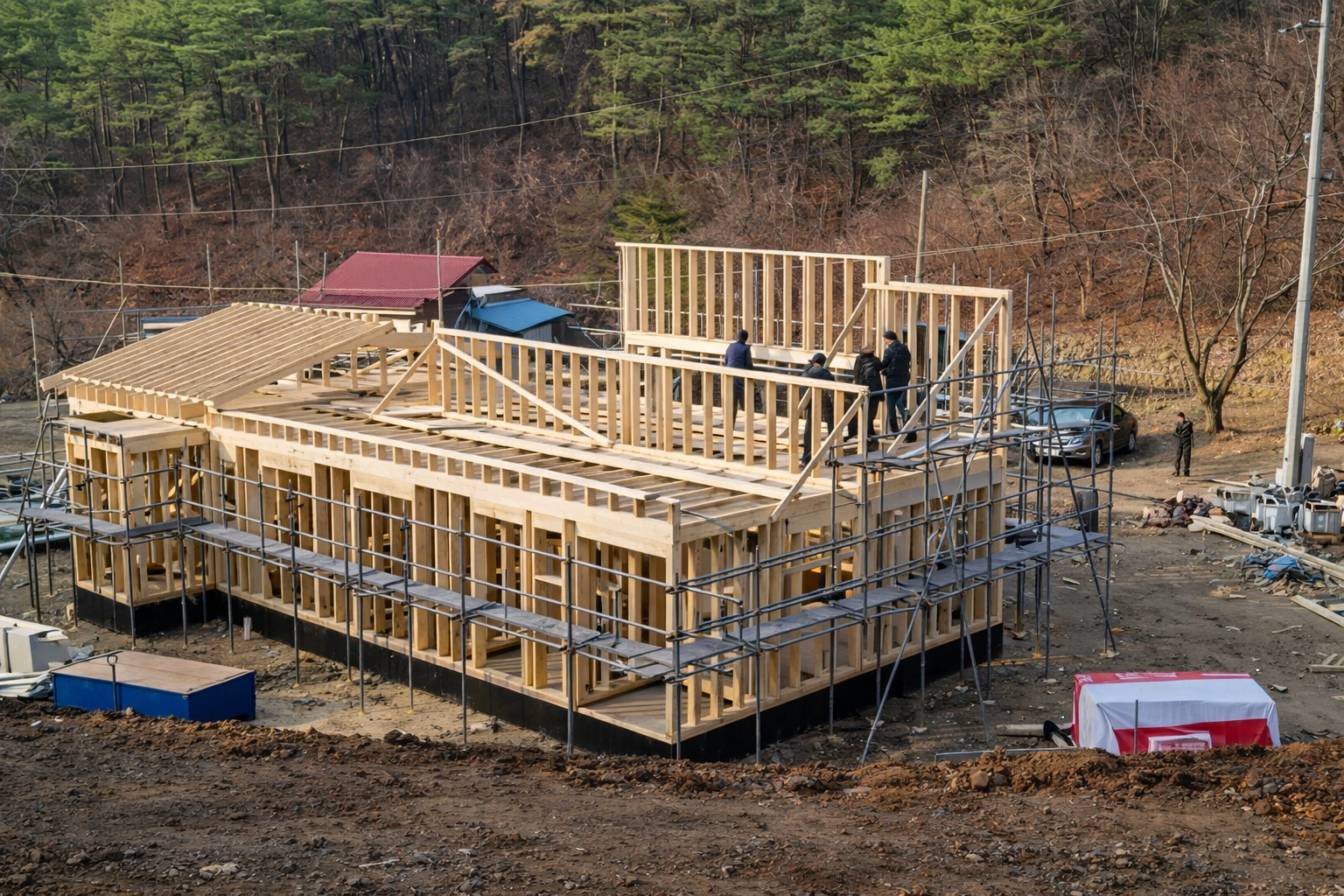
From empty land to a high-end house, wooden construction uses a lightweight system, metal structure for the foundation, ventilated ceramic cladding, and special windows to create an efficient and comfortable living space throughout the year.
In this new context, the Kashiwazaki-Kariwa nuclear plant has a promising future ahead. This is due to the fact that in December 2023, the NRA lifted the ban it had imposed on this facility in March 2011, shortly after the accident at the Fukushima Daiichi nuclear plant.
This milestone is the first step towards granting an operating license, and the regulatory agency decided to do so after inspecting the plant’s facilities for more than 4,000 hours. According to the NRA, TEPCO has implemented the necessary improvements in safety measures and protocols for the plant to resume operations.
Now the decision is in the hands of the regional government of Niigata, which must also approve the nuclear plant’s facilities before it can regain its operating license. In any case, it is very likely that after the NRA’s green light, the administration will not hinder the resumption of activities at the Kashiwazaki-Kariwa nuclear plant.
For now, TEPCO has chosen to accelerate its implementation and has already requested permission from the NRA to begin introducing fuel rods into the plant’s reactors. We will likely not have to wait long to witness the resumption of activities at the planet’s most ambitious nuclear power plant.
Source: Nuclear Forum






-

-

4 pessoas reagiram a isso.