





 Portuguese
  English
  Spanish
  3 min of reading
  39 comments


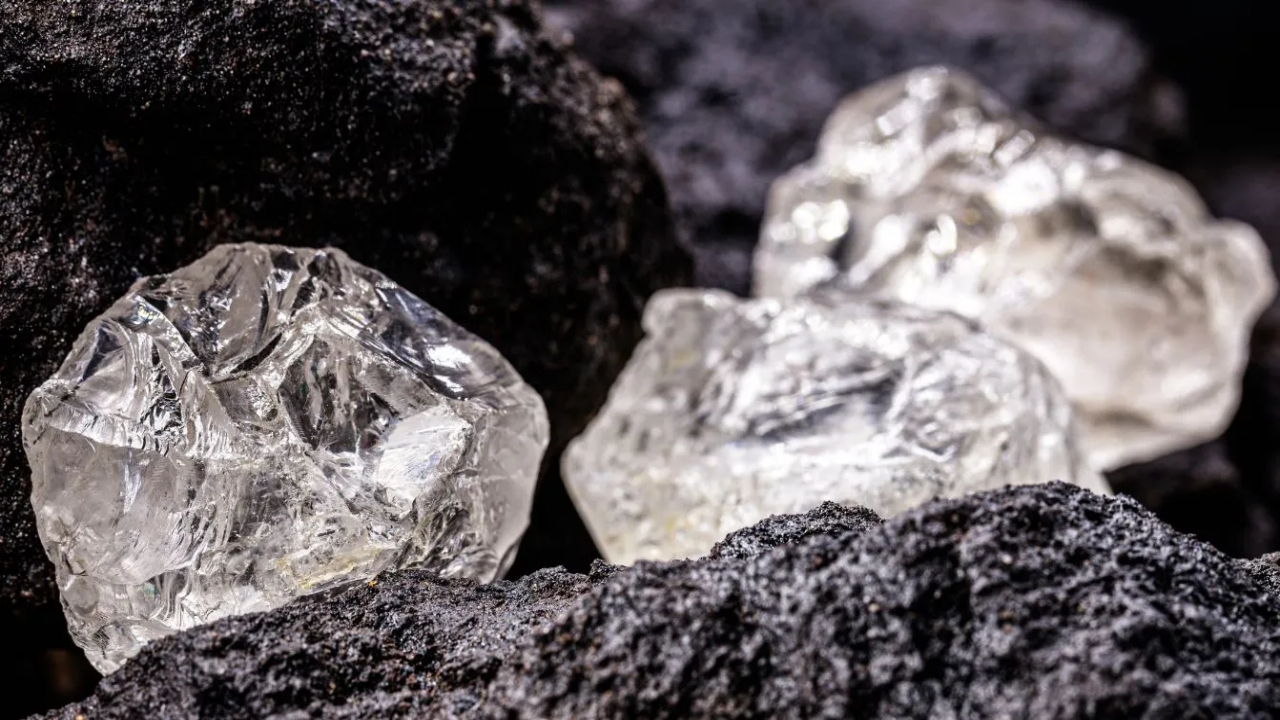


Billionaire Elon Musk’s Strategic Investment in Brazil Aims to Explore Lithium Reserves to Boost Tesla’s Electric Car Production and Transform Brazil into the Richest Country in America
Elon Musk has been showing increasing interest in Brazil in recent years. After visiting the country to launch the Starlink internet network, the magnate’s investment focus is now on lithium, an essential mineral for electric vehicle batteries. Known as the “new oil of the 21st century,” lithium attracts global companies, including Tesla, which Musk aims to expand using Brazil’s vast reserves.
This investment in Brazil, with large lithium reserves mainly in Minas Gerais, represents a strategic opportunity for mining, capable of benefiting from the growing global demand for the mineral and the need for more sustainable production.
The country has about 1.2 million tons of lithium, placing it among the largest holders of the resource. The growing demand for rechargeable batteries raises export prospects. It is estimated that global demand for lithium will increase fourfold by 2035, reaching 4 million tons, driven by the growth in electric vehicle sales.
-
Mothers and daughters come together, create an ‘express’ beauty salon and turn the idea into a network with 21 units, revenue of R$ 16.7 million and 12,000 subscribers.

-
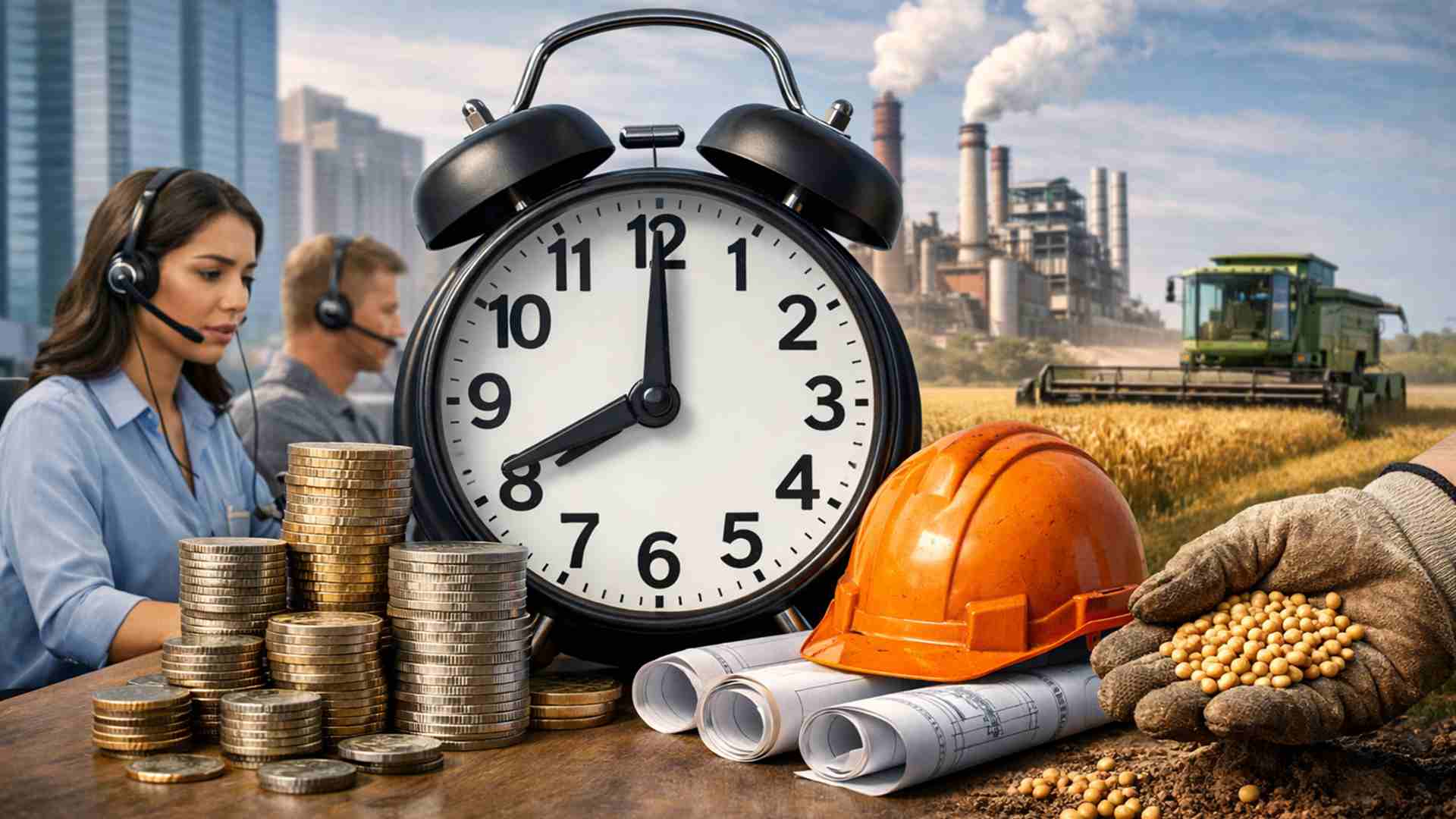
End of the 6×1 schedule: how the reduction of hours can affect service companies, industry, and agribusiness.
-
Brazil Ignores Trump’s threats to BRICS, Buys 42 tons of gold and reduces the Dollar’s share by 6.45% in international reserves.

-
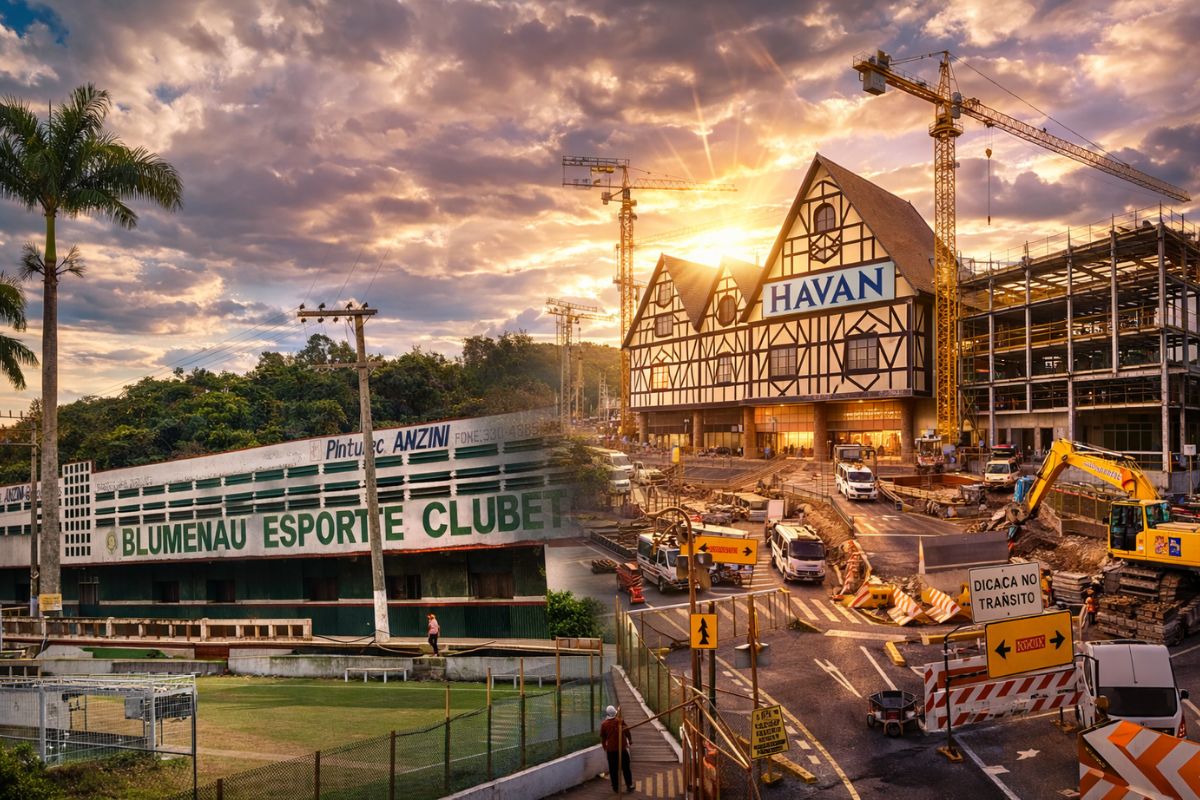
Havan buys historic football land in Blumenau for a million-dollar amount protected by a confidentiality clause and is already planning to change even the layout of streets to build a megastore in half-timbered style costing 80 million reais.
Lithium in Brazil: Sustainability and Attraction of Billion-Dollar Investments from Elon Musk, Currently Dominated by Major Producers Like Australia, Chile, and China
Currently, the lithium market is dominated by major producers like Australia, Chile, and China. Brazil, however, presents an important differential: a more sustainable extraction method. While the Lithium Triangle (Bolivia, Argentina, and Chile) uses techniques that affect local ecosystems, Brazil adopts a cleaner model.
Lithium is extracted from rocks through drilling, without the use of aggressive chemicals or evaporation processes that release carbon. This “green lithium” has attracted companies like BYD and Sigma Lithium, in addition to Elon Musk, who sees the value of environmentally friendly methods for producing his electric vehicles.
‘White Gold’: The Key to Electric Car Battery Production
The sustainability of Brazilian extraction attracts automakers seeking to minimize environmental impact. The country’s environmental commitment positions it as a potential hub for sustainable innovation, with the potential to become a center for battery and electric vehicle production, especially with projects like that of Bravo Motor Company, which plans to set up an industrial complex in Nova Lima, Minas Gerais.
Elon Musk and Billion-Dollar Investments in Strategic Reserves
In addition to large reserves, Brazil has the potential to lead the electric vehicle economy. With the Chinese company BYD investing R$5.5 billion to set up a factory in the country, Brazil is already attracting industry giants. Sigma Lithium, owner of Brazil’s largest lithium reserve, has also been targeted by investors. Musk attempted to acquire this mining company, and although the negotiation did not progress, he remains on the lookout for new opportunities.
Tesla already has an agreement with Vale for the supply of nickel, essential for electric car batteries. With growing attention on Brazilian sustainable lithium, there are chances of Musk implementing a Tesla factory in Brazil, which would create thousands of jobs and strengthen the economy, consolidating the country as a sustainable electric vehicle hub in Latin America.
Sustainable Lithium Mining in Brazil and the Future of Batteries and Electric Vehicles
Despite the potential, the race for lithium in Brazil brings challenges. Although local mining is more sustainable than in other countries, there are still environmental impacts to consider. There are also socioeconomic challenges, requiring planning so that the country can seize this opportunity without repeating past mistakes.
With projected growth in lithium demand until 2040, Brazil has a historic opportunity to become a global leader in the electric vehicle market. Keeping a focus on sustainable investments and practices can position the country among the world’s largest battery and electric car manufacturers, strengthening the economy and paving the way for a sustainable energy future.






Eu tenho a jazida na minha fazenda a Cel aberto. E vendo a fazenda , toda documentação em dias.
Seria maravilhoso se o dinheiro fosse repassado para o benefício da população e não desse governo lixo do Lula
Mas não era o presidente que ele apoio que disse que não precisava do brasil para nada? Que nós é que precisamos deles?