





 English
  Francês
  Alemão
  Italiano
  Japonês
  Norueguês
  Portuguese
  Spanish
  5 min of reading
  0 comments


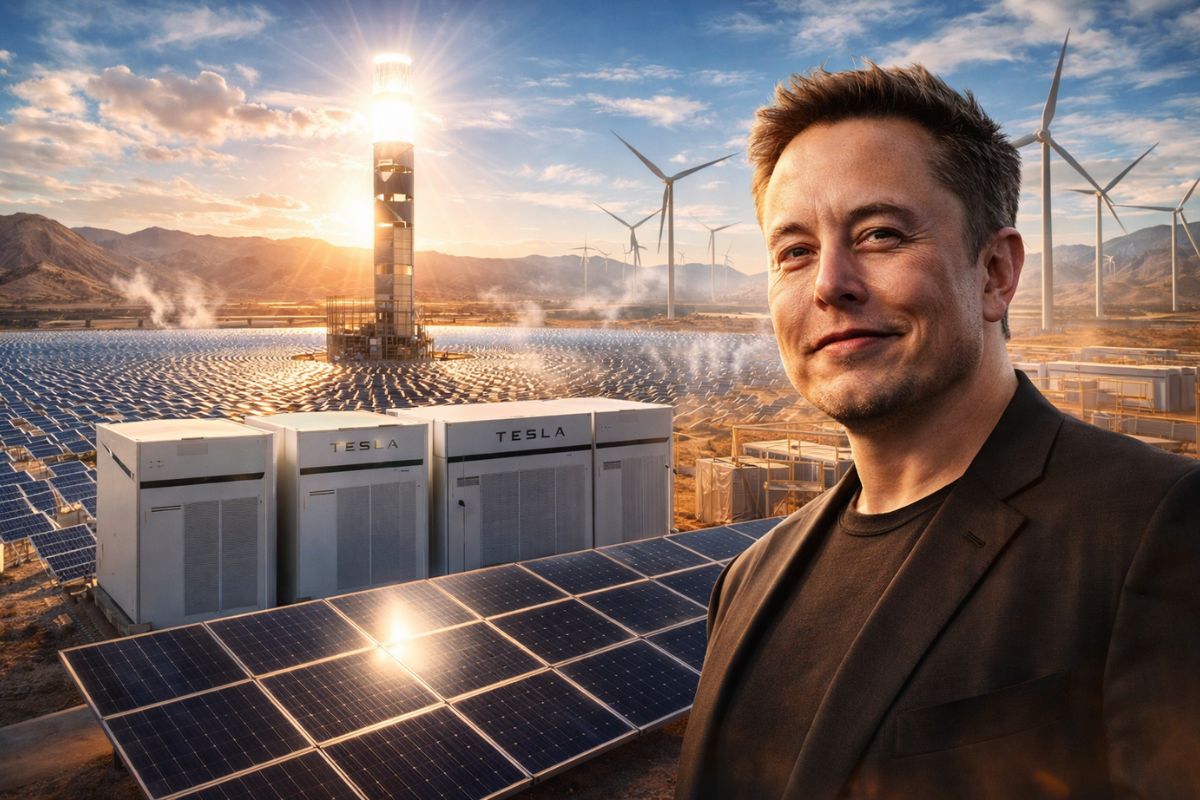
Dozens of gas turbines installed to power Elon Musk’s artificial intelligence data center in Southaven, Mississippi, generate constant noise of 60 decibels day and night. Residents report health problems, air pollution, and fear having to abandon their homes.
A power plant installed by Elon Musk to power an artificial intelligence data center is turning the lives of Southaven, Mississippi residents into a nightmare. Dozens of methane gas turbines operate 24 hours a day, 7 days a week, generating a constant noise that neighbors compare to the sound of jets taking off without ever leaving the ground. On-site measurements record levels around 60 decibels, equivalent to the noise of a dishwasher running continuously just a few meters from homes.
In addition to the noise, residents report concerns about air pollution emitted by the turbines. The U.S. Environmental Protection Agency states that gas turbines are a significant source of hazardous air pollutants, including formaldehyde and other likely human carcinogens. The plant linked to Elon Musk operated for months without an environmental permit, according to the Mississippi Department of Environmental Quality, which claimed that a permit was not required for the initial temporary turbines.
What Elon Musk installed in Southaven and why it generates so much noise

Southaven is a quiet suburb with over 50,000 residents, located in northern Mississippi. For months, dozens of methane turbines have been installed on-site to generate electricity for the artificial intelligence data center of xAI, Elon Musk’s company. The turbines operate continuously, producing a constant hum that reaches neighboring homes day and night.
-
350-year mystery may have been solved: remains of a soldier who inspired the hero of The Three Musketeers found beneath a church in the Netherlands.

-
NASA photographed a nearly perfect square with 3 km sides on Mars, 13 times larger than the Great Pyramid of Giza, but the official explanation is natural erosion; still, no one has explained why the four sides have almost identical lengths.

-
Starlink breaks the barrier of 10,000 satellites in orbit and takes its expansion to an unprecedented level, with a direct impact on global internet, technological competition, and the race for space.

-
Japan finds an alternative to oil amid rising prices by transforming ocean balance into electricity with a new technology that maintains efficiency even when the sea changes.

Residents describe the sound as something between a permanent jet and a metallic screech that never ceases. Crystal Pope, whose family has lived in the neighborhood for generations, since before Black people were legally allowed to own property in the United States, described the situation as unbearable. According to her, the noise is constant, never ends, and at times reaches peaks with loud screeches and impact sounds that make coexistence impossible.
Concern about air pollution caused by Elon Musk’s plant
The problem in Southaven is not limited to noise. The nonprofit organization Floodlight published thermal images captured by drone showing gas being burned at the facilities linked to Elon Musk’s plant.
The U.S. Environmental Protection Agency has already classified gas turbines as a significant source of hazardous air pollutants, including formaldehyde and substances considered likely human carcinogens.
A resident suffering from severe asthma reported that they can smell the pollution in the air and fear that prolonged exposure will worsen their health condition.
The Mississippi Department of Environmental Quality stated that the facility uses pollution control technology but confirmed that the turbines operated for months without an environmental permit. State authorities claimed that the permit was not necessary for turbines classified as temporary.
The reaction of residents against the artificial intelligence plant
Dissatisfaction with Elon Musk’s plant led to the creation of the Safe and Sound Coalition, a group of residents trying to prevent the turbines from becoming permanent. Jason Haley, co-founder of the group, states that official decibel measurements do not tell the whole story.
According to him, recording 50 to 60 decibels may seem harmless compared to a dishwasher, but no one leaves a dishwasher running 24 hours a day, 7 days a week.
Hundreds of people attended a state hearing in Southaven to seek clarification on the impacts of the operation. Despite the mobilization, Mississippi regulators unanimously approved the installation of 41 permanent gas turbines on-site.
The state’s Department of Environmental Quality stated that the permanent turbines will require a formal pollutant emission permit, but the decision has already been made.
What authorities say and what Elon Musk stated about the case
xAI, Elon Musk’s artificial intelligence company, did not respond to NBC News’ request for comment regarding the Mississippi plant and residents’ concerns. The mayor of Southaven described the noise as a legitimate concern and stated that the company installed a $7 million sound barrier, in addition to considering other mitigation measures.
The governor of Mississippi announced that the company plans to invest over $20 billion in the region, bringing jobs that he claims are much needed for the community.
Elon Musk expressed excitement about the approval of the permanent turbines, stating that the decision propels the future of innovation in artificial intelligence. For the affected residents, however, the talk of technological progress feels distant from the reality they face every day within their own homes.
The human impact that the progress of artificial intelligence is causing
Behind the investment numbers and promises of innovation, there are people losing their quality of life. Crystal Pope, who grew up in the neighborhood where Elon Musk’s plant was installed, said she will likely have to move, abandoning a property that has belonged to her family for generations. For her, the situation represents the end of something built over decades by people who now feel invisible to those responsible for the venture.
The case in Southaven raises a question that is likely to recur as the demand for energy for artificial intelligence data centers grows worldwide. The race for AI infrastructure is creating direct conflicts between large corporations and local communities, and the balance between technological development and residents’ rights is still far from being resolved. The case involving Elon Musk in Mississippi may just be the beginning.
The power plant installed by Elon Musk to power artificial intelligence in Southaven is generating constant noise, air pollution, and outrage among residents who have lived in the neighborhood for generations. With the approval of permanent turbines and billion-dollar investments in the region, the case exposes the human cost that the expansion of AI infrastructure can impose on entire communities.
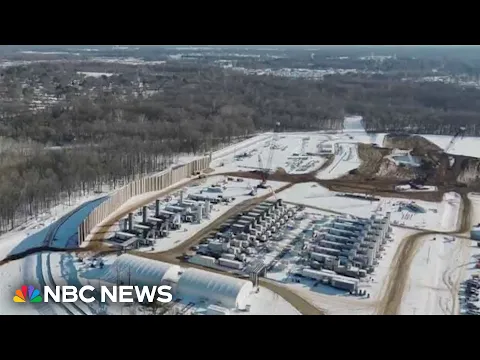

With information from the Channel NBC News.
What do you think about this case? Do you believe that the progress of artificial intelligence justifies the impact on the lives of neighboring residents? Leave your opinion in the comments and share with those who follow the real effects of AI expansion in the world.







Seja o primeiro a reagir!