





 Portuguese
  English
  Spanish
  3 min of reading
  0 comments


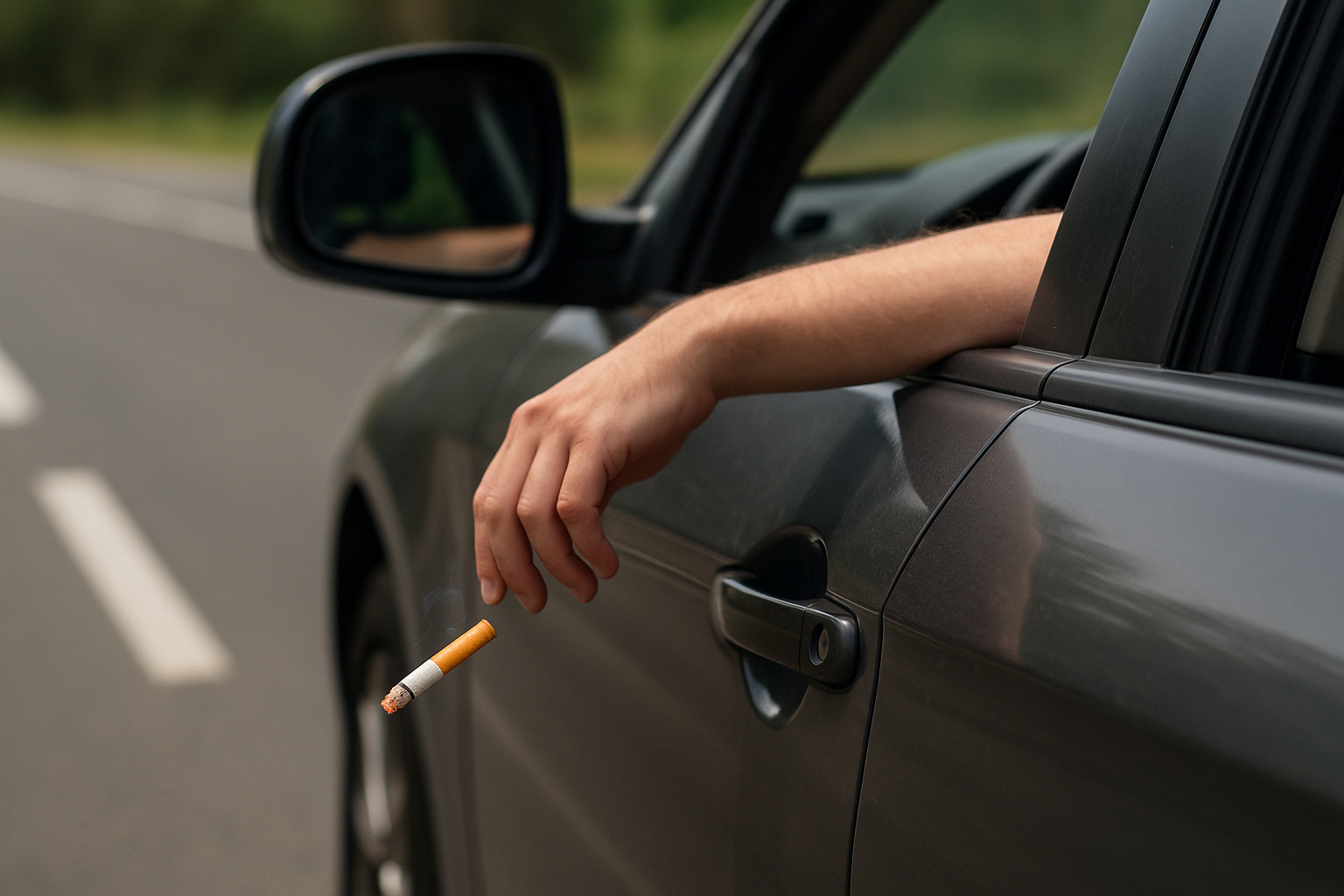
Understand What the Brazilian Traffic Code Says, How Much the Fine Costs in 2025, and Why This Habit Still Compromises Safety and the Environment
Since the enactment of the Brazilian Traffic Code in 1997, throwing any object out of a vehicle window has ceased to be merely an inappropriate behavior. The practice has come to be classified as a traffic offense, with direct impacts on the driver’s wallet, on the score of the driver’s license, and on collective safety. Over the years, traffic and environmental agencies have increased enforcement, making the topic a recurring issue in cities and on roads.
The disposal of cigarette butts, while it may seem irrelevant at first glance, has begun to be treated as a traffic and environmental risk. For this reason, the habit has gained special attention from state vehicle departments, municipal guards, and environmental agencies, especially following the intensification of educational campaigns and enforcement actions after 2020.
What Traffic Legislation Establishes about Waste Disposal
The legal basis is found in Article 172 of the CTB, which prohibits throwing objects or substances on public roads that can dirty, cause damage, or compromise safety. In this context, cigarette butts are considered waste, as are cups, papers, and packaging. Therefore, any disposal of this type outside the vehicle constitutes an offense, even when the car is parked.
-
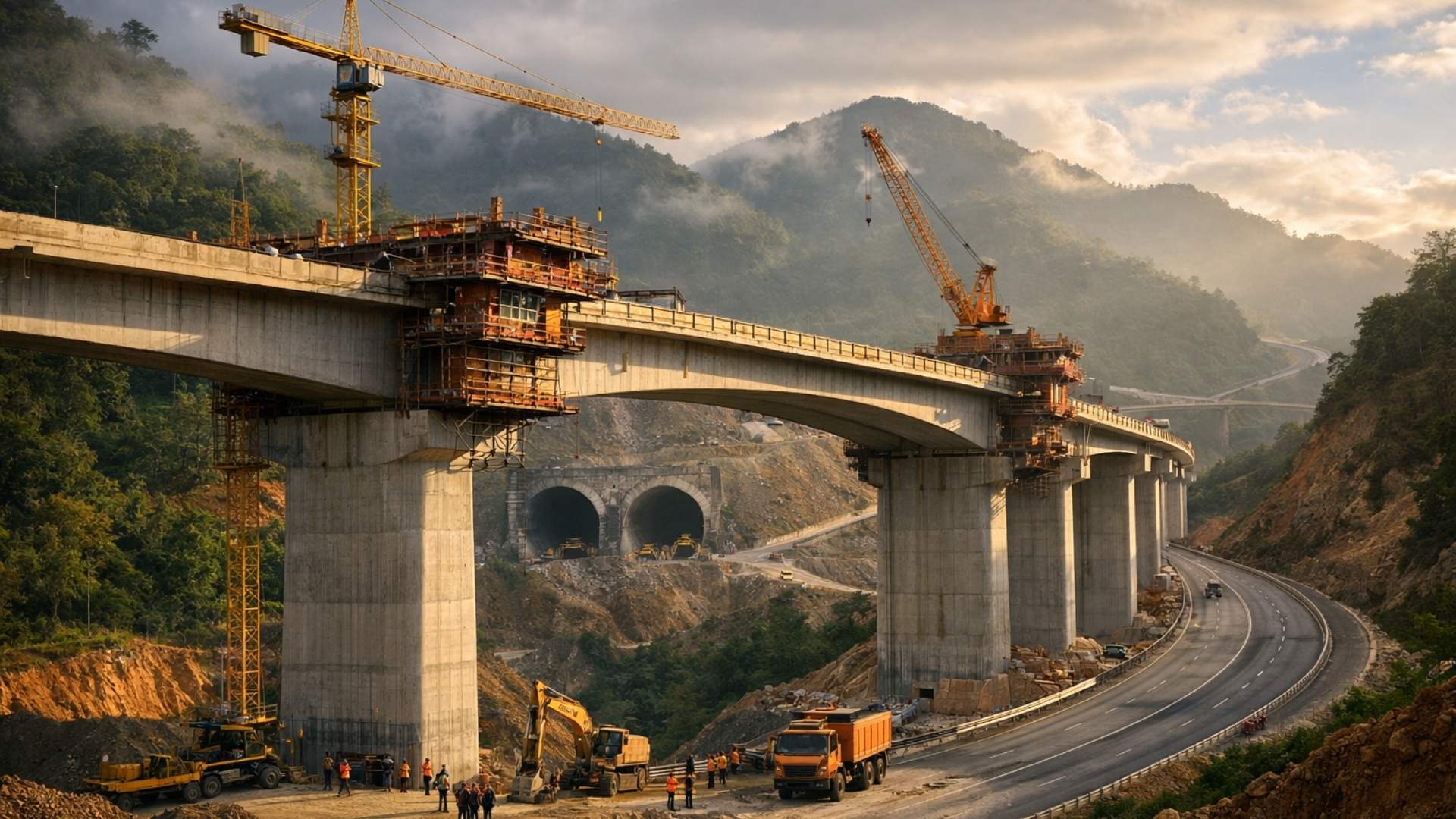
The government puts R$ 8.6 billion on the table to change the highway (BR) with 50 overpasses, 28 bridges, 4 tunnels, and 40 km of bike lanes in 180 km of historic duplication.
-
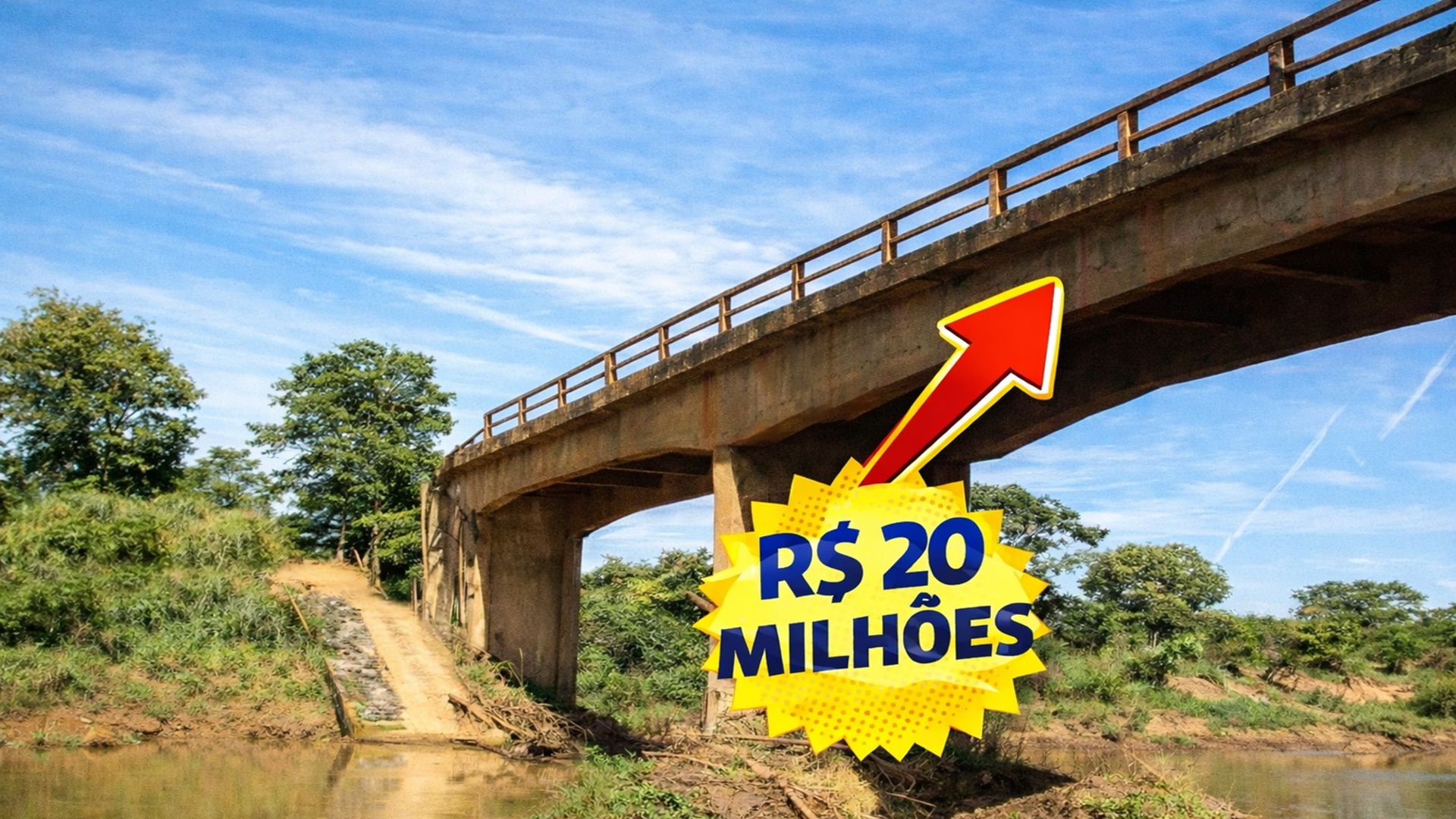
BRL 20.1 Million Bridge Project Kicks Off: 200-Meter Construction to Improve Access in Three Cities in Minas Gerais
-
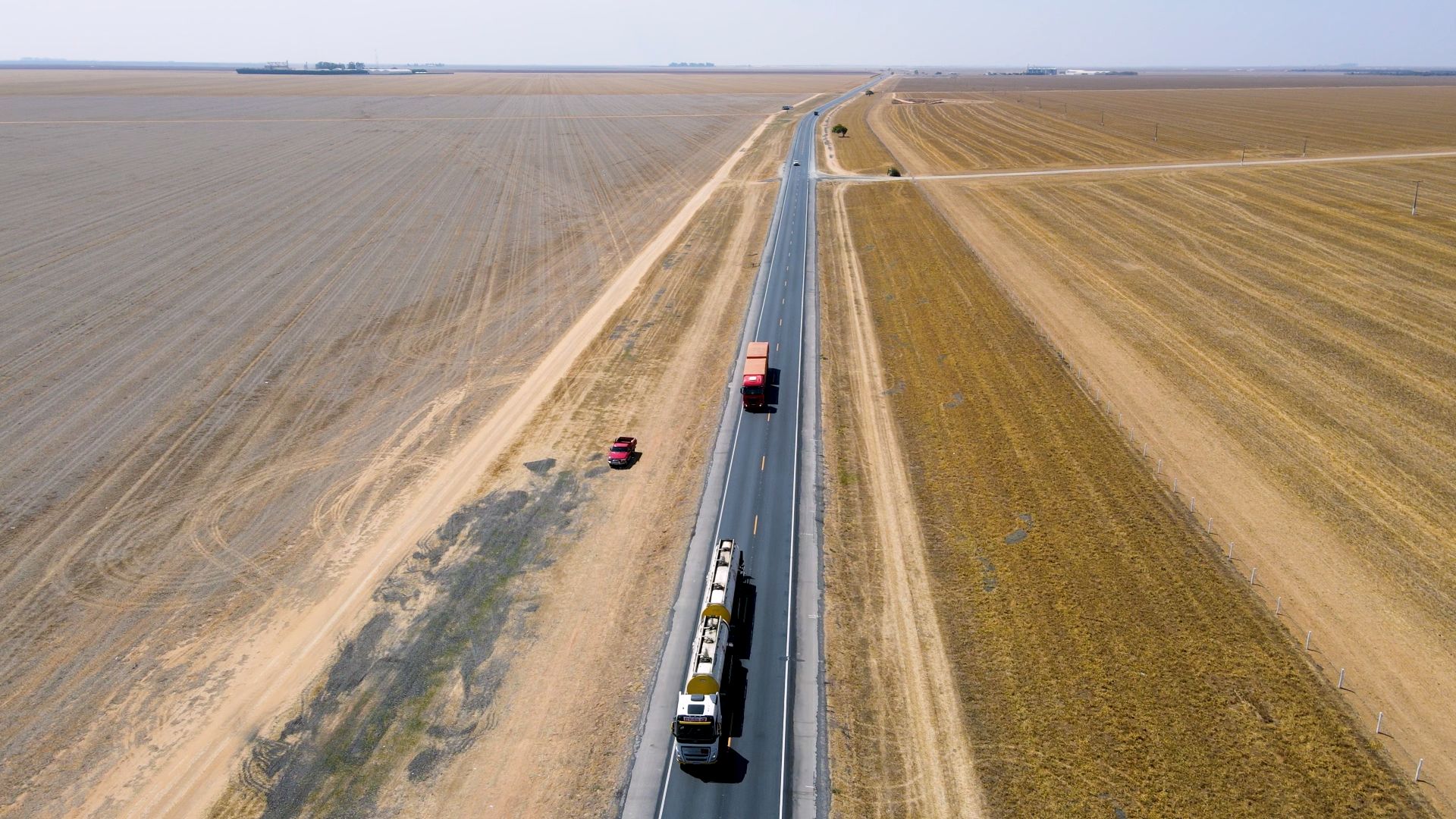
‘Endless Road’ In Brazil Is One of The Largest In The World: 145 Km Stretch On An Important Highway (BR) Crosses The West Of Bahia And Had 135.9 Km Revitalized With R$ 35.3 Million
-
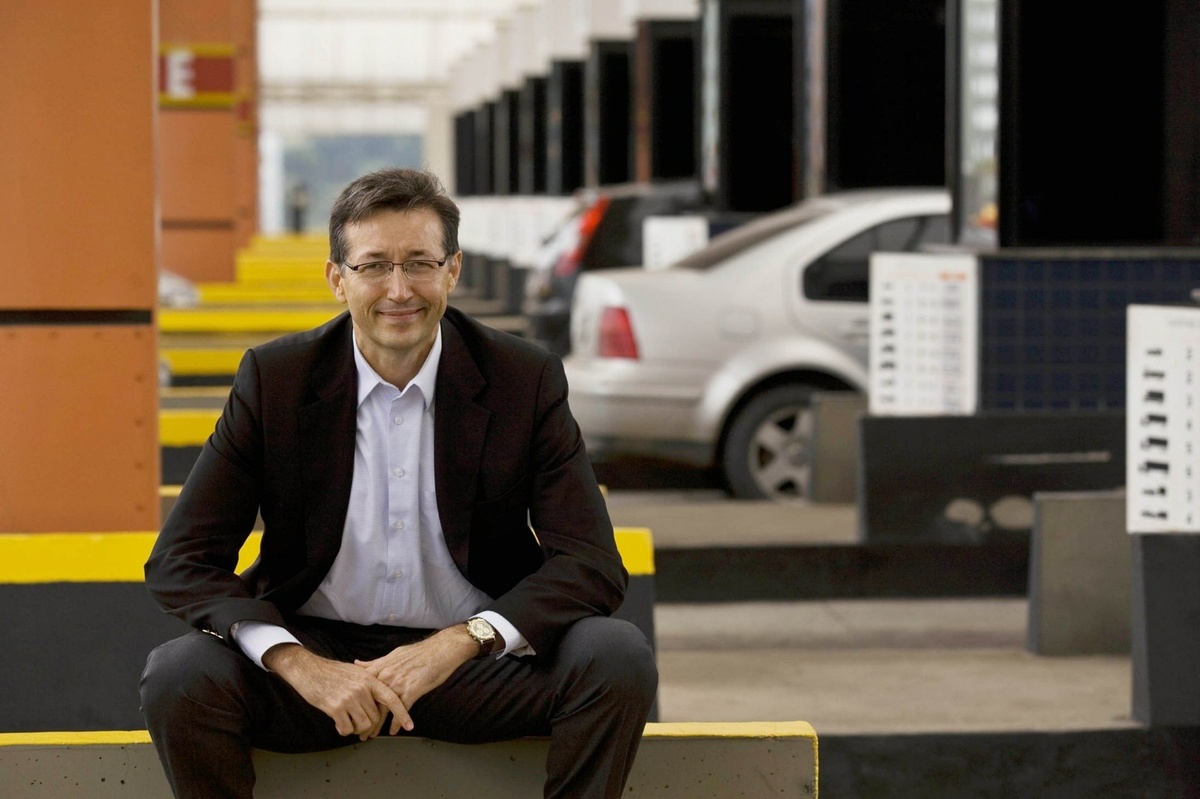
Engineer From ITA Who Worked at Embraer Leads Free Flow Expansion With National Artificial Intelligence and Technology for Toll Without Barriers in Brazil

Additionally, fines can be issued through different means. Traffic agents, municipal guards, urban camera recordings, and formal complaints can support the fines, in accordance with municipal and state regulations. Thus, the driver does not rely solely on a direct approach to be penalized.
Fines and Points on the Driver’s License Took Effect This Year
As it is a serious offense, throwing a cigarette butt out the window leads to immediate consequences. According to the national violations table in force in 2025, the driver receives a fine corresponding to the serious category and 5 points on the National Driver’s License. The offense also gets recorded on the driver’s record.
The situation becomes more serious when disposal results in additional damages. If the butt causes fires, harm to third parties, or environmental classification, the driver may face additional administrative penalties and, in specific cases, criminal responsibility, according to the Brazilian environmental legislation enforced by the relevant authorities.
Environmental Impacts and Risks to Road Safety
Despite its small size, the cigarette butt concentrates toxic substances and can take years to decompose. Recurring data from municipal urban cleaning and environmental agencies indicate that this waste contributes to structural and environmental problems in cities.
Among the main impacts are the risk of fires, especially during dry periods, clogging of drainage systems that exacerbates flooding, and the impact on urban wildlife, as small animals may ingest contaminating waste. Furthermore, irregular disposal raises the cost of public cleaning, putting pressure on municipal budgets.
How to Avoid the Offense in the Driver’s Daily Life
Avoiding the fine requires simple behavioral changes. Keeping portable ashtrays with lids inside the vehicle allows you to extinguish and store the butt until proper disposal. This practice reduces odors, prevents smoke, and eliminates the risk of throwing it on the road.
On long trips, planning stops at appropriate locations facilitates proper disposal. In urban areas, the recommendation is to completely extinguish the cigarette and use trash cans, avoiding throwing it on the ground or down drains, which increases environmental risks.
Behavioral Changes and Their Reflections on Traffic and the Environment
Small individual actions produce significant collective effects. Ceasing to throw cigarette butts out the window contributes to reducing fires, floods, and pollution, as well as making traffic safer. The combination of enforcement, information, and awareness, advocated for years by traffic and environmental agencies, shows progressive results.
When drivers and passengers understand that the butt is not ordinary trash, urban spaces become less vulnerable to avoidable problems. Thus, to what extent can simple behavioral changes transform road safety and environmental preservation in Brazilian cities?









Seja o primeiro a reagir!