





 Portuguese
  English
  Spanish
  5 min of reading
  0 comments


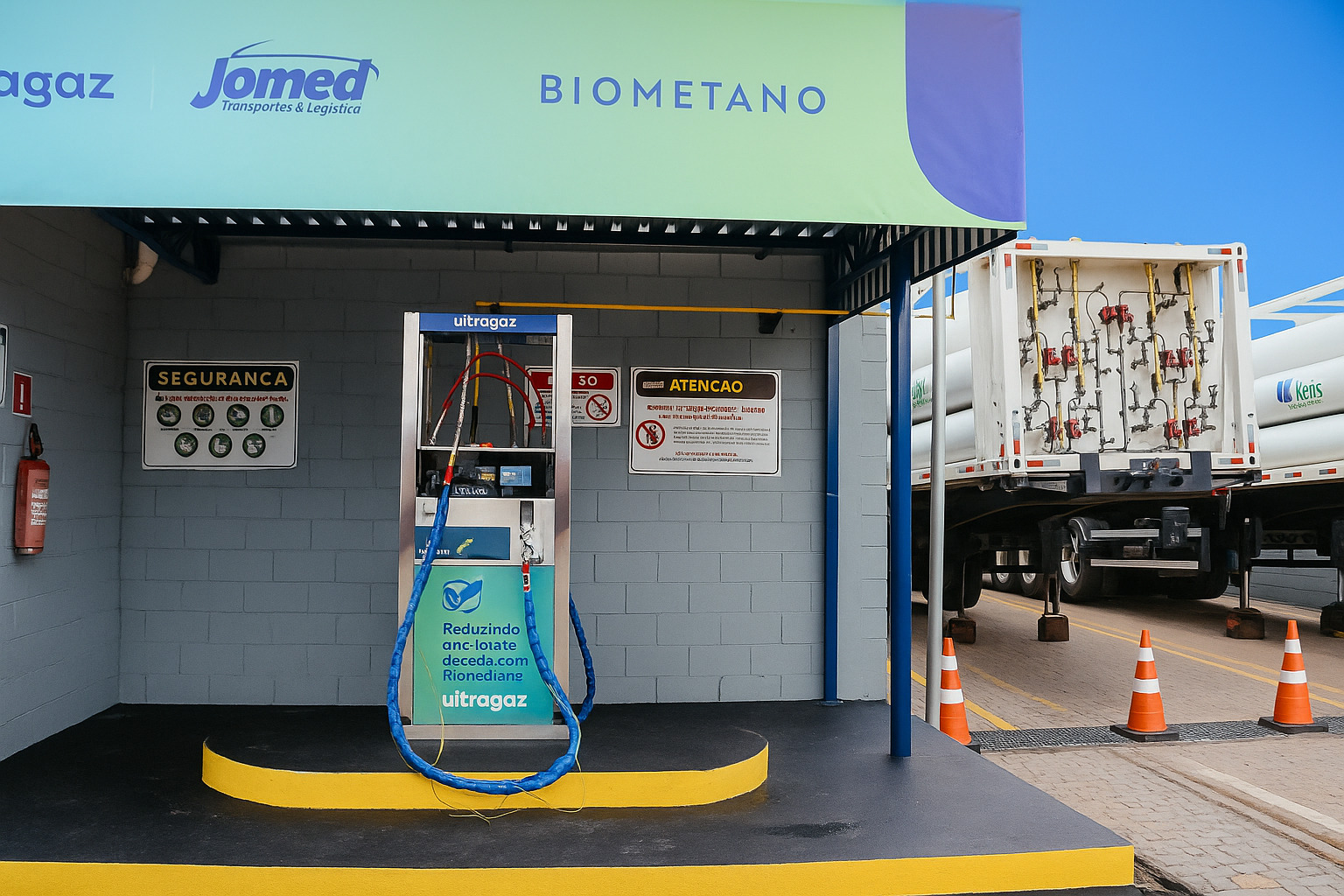
Jomed Log Opens Its First Biogas Station at Its Own Site, Reinforcing Decarbonization and Boosting Sustainable Logistics in Brazil.
Jomed Log, a reference in transportation and logistics solutions in Brazil for over 30 years, has taken an important step towards a more sustainable logistics. Therefore, the company inaugurated its first proprietary biogas station, a 100% renewable fuel that significantly reduces greenhouse gas emissions and strengthens clean mobility in the transportation sector.
As a result of this investment, Jomed Log reaffirms its commitment to innovation and operational efficiency. Throughout its journey, the company has always sought new technologies, being a pioneer in the use of CNG (Compressed Natural Gas) in its fleet.
Thus, the new station represents not only a technological evolution but also a symbolic milestone in the company’s journey towards decarbonization.
-
Brazil bets on biomethane, ethanol, and hydrogen as the definitive solutions for the decarbonization of heavy vehicles and the reduction of emissions in cargo transportation.

-
The biodiesel industry is pressuring the government for a simplified test to increase the blend with diesel and highlights the potential to attract investments, accelerate production, and consolidate Brazil’s leadership in biofuels.

-
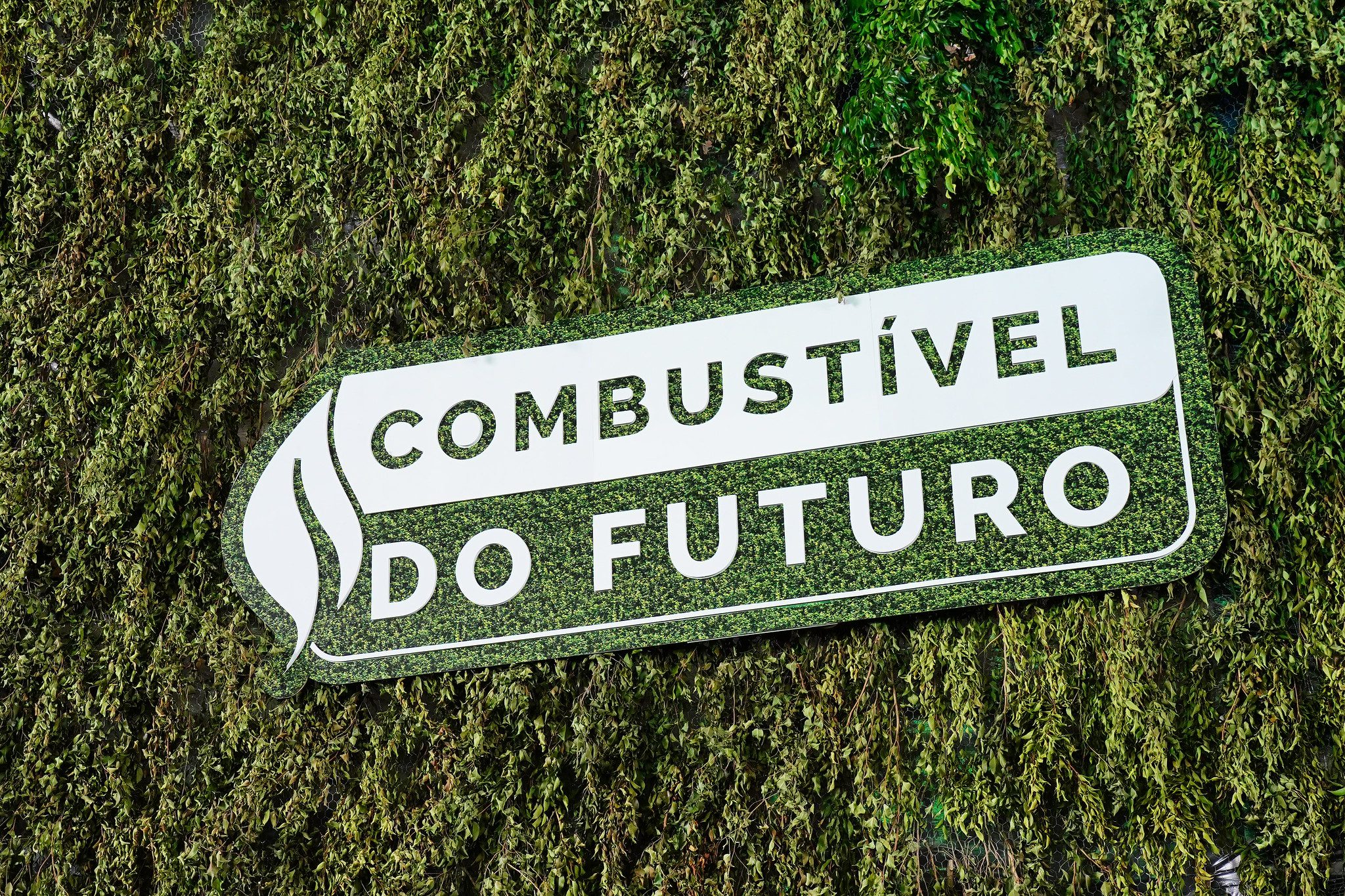
Brazil accelerates hydrogen and biofuel projects to consolidate the fuel of the future and reduce dependence on oil by 2026.
-
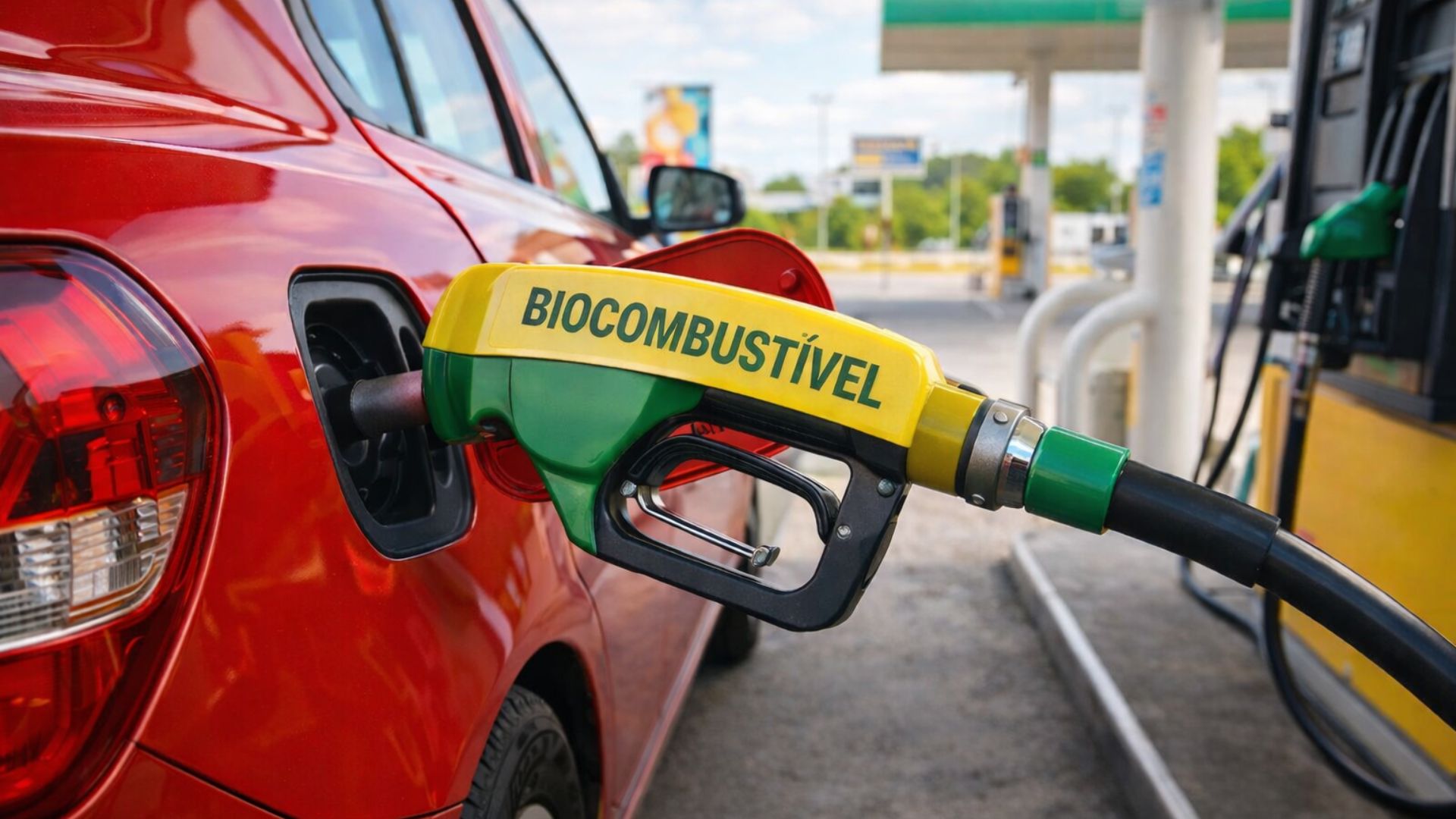
CNPE strengthens policy and prevents imported biodiesel from being mixed with diesel, aiming to strengthen the Brazilian industry and protect jobs by reducing external dependence amid tensions in the global market.
Furthermore, the station’s launch took place at Jomed Log’s headquarters and brought together clients, partners, suppliers, the press, and representatives from the transportation and sustainability sectors. In this way, the event highlighted the importance of on-site biogas as a strategic tool to reduce emissions and stimulate the circular economy.
Therefore, the company not only adopts clean technologies but also leads a movement that encourages the logistics sector to innovate.
Biogas as the Fuel of the Future
Biogas comes from organic waste that, after treatment, transforms into clean and renewable energy. For this reason, it differentiates itself from CNG, which, although less polluting than gasoline or diesel, still emits carbon.
With biogas, Jomed Log combines operational efficiency with environmental responsibility, reducing the carbon footprint of its operations.
Consequently, the adoption of biogas generates relevant practical and environmental impacts. The company projects a significant reduction in CO₂ and methane emissions in its fleet, as well as decreasing dependency on fossil fuels and ensuring cleaner and more efficient routes.
In this way, it reinforces its image as a leader in ESG practices and sustainable transportation, which helps meet the demand of clients who prioritize social and environmental responsibility.
In the national context, Brazil has great potential to use biogas due to the abundance of biomass from agricultural, industrial, and urban waste. However, the country still faces challenges such as insufficient infrastructure, lack of tax incentives, and low market awareness.
Nevertheless, by implementing its own biogas station, Jomed Log demonstrates that this transformation is possible and necessary.
Thus, the use of biogas also contributes to diversifying the energy matrix of Brazilian transportation. As a result, this diversification reduces dependency on fossil sources, strengthens energy security, and decreases vulnerability to fluctuations in the international oil market.
In addition to the environmental aspect, it is important to remember that biogas has a closed production cycle, in which the carbon emitted during combustion equals that captured during biomass formation. This means net emissions close to zero, making it essential to achieve the goals of the Paris Agreement.
Biogas on Site: Strategic Project with Sustainable Goals
During the first year of the project, Ultragaz will supply fuel for 19 trucks from Jomed Transporte. These vehicles will serve strategic routes in the states of São Paulo, Rio de Janeiro, Paraná, and Rio Grande do Sul.
Therefore, the company has set the goal of cutting its absolute direct emissions by 30% by 2030, reinforcing a plan that integrates innovation, sustainability, and efficiency.
In addition to being an environmentally responsible step, investing in a proprietary biogas station reflects the evolution of the global logistics sector. Currently, transport companies worldwide are seeking alternatives to reduce emissions, aligning with the Paris Agreement and the Sustainable Development Goals (SDGs).
In this sense, Jomed Log positions itself at the forefront of the energy transition, proving that Brazilian logistics can be a reference in environmentally responsible practices.
Additionally, biogas offers considerable economic advantages. As its price exhibits lower volatility than oil derivatives, the company can reduce operational costs in the long term.
Simultaneously, Jomed Log can establish partnerships with organic waste producers, such as sugar and ethanol plants, slaughterhouses, and landfills. Thus, a local supply chain is created that strengthens the regional economy.
Another relevant factor is that the maintenance of biogas engines tends to be simpler than that of diesel engines, as the fuel is cleaner and produces less combustion waste. This can result in less wear on parts and reduced maintenance costs.
Social Impacts and Future Vision
The social impact of this initiative also deserves attention. By investing in clean technology and sustainable mobility, Jomed Log creates green jobs, encourages research, and develops innovative solutions.
Furthermore, the company reinforces environmental awareness among employees, clients, and partners. Consequently, it inspires the sector to adopt cleaner transportation models.
Looking towards the future, the company plans to expand its biogas-powered fleet, increase circular economy projects, and invest in environmental monitoring and energy efficiency technologies.
Thus, the goal is to maintain operations that integrate innovation, sustainability, and social commitment, consolidating Jomed Log as a reference in clean transportation in Brazil.
Apart from its direct impact, the project paves the way for other companies to adopt similar models, creating a network of biogas stations across the country. This shared infrastructure can accelerate the energy transition in road transportation, which currently accounts for a large part of national emissions.
Therefore, the implementation of the proprietary biogas station marks a historic moment for Jomed Log and for the Brazilian logistics sector. By transforming organic waste into renewable energy, reducing emissions, and promoting the circular economy, the company demonstrates that it is possible to unite operational efficiency, technological innovation, and environmental responsibility.
In summary, Jomed Log’s journey, guided by pioneering spirit and sustainability, confirms that biogas goes beyond a simple operational choice.
In practice, it is a solid long-term strategy. Finally, the proprietary biogas station symbolizes the future of logistics, represents a decisive step towards cleaner transportation, and proves that decarbonization is necessary and feasible in Brazil.










Seja o primeiro a reagir!