





 Portuguese
  English
  Spanish
  3 min of reading
  1 comment


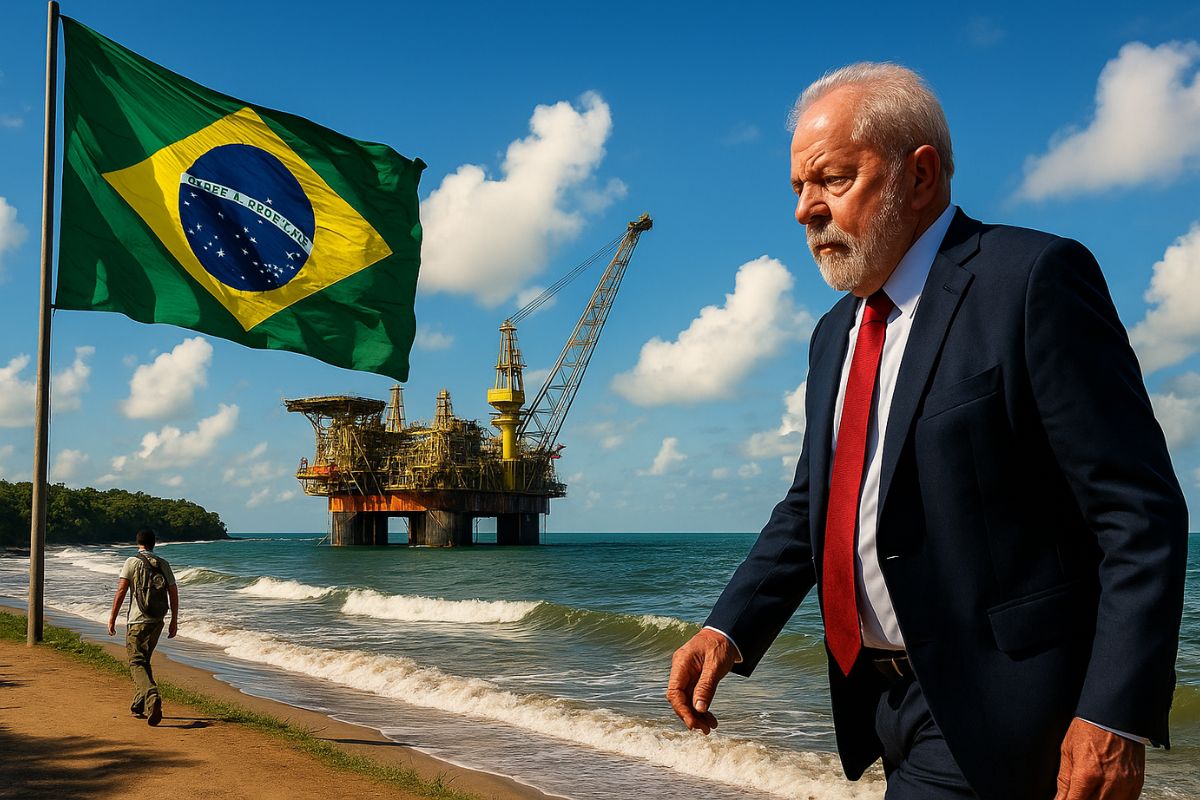


Lula Is Accused of “Double Game” With Oil in the Amazon. German Newspaper Points Out That Government Seeks Exploration of Reserves While Maintaining Environmentalist Discourse
According to a report by the German economic newspaper Handelsblatt, President Luiz Inácio Lula da Silva is adopting a “double game” strategy regarding oil in the Amazon. The outlet claims that the government is promoting exploration at the mouth of the river while maintaining a climate leadership discourse — a position that has garnered Brazil prominence in global environmental negotiations.
The allegation comes on the eve of the COP 30, the UN climate conference scheduled for November in Belém (PA). Analysts suggest that the event will serve as a showcase to reinforce the country’s environmental image, but also a space where decisions about oil in the Amazon will be demanded by the international community.
The Showcase of COP 30 and International Pressure
The COP 30 is expected to gather leaders from around the world to discuss the planet’s environmental future. The fact that the conference takes place in the Amazon region amplifies attention on oil exploration projects at the mouth of the river. According to Handelsblatt, this exposure creates a scenario of increased international scrutiny.
-
The rise in oil prices could ensure an extra revenue of R$ 100 billion for the Federal Government, indicates a recent economic study.

-
Naturgy begins an investment of R$ 1.6 million to expand the gas network in Niterói and benefit thousands of new residences and businesses.

-
A major turn in the Justice system suspends tax increases and directly impacts oil and gas companies in Brazil by affecting costs, contracts, and financial planning, leaving uncertain what could happen to the sector if these costs had increased.

-
Brava Energia begins drilling in Papa-Terra and Atlanta and could change the game by reducing costs in oil while increasing production and strengthening competitiveness in the offshore market.
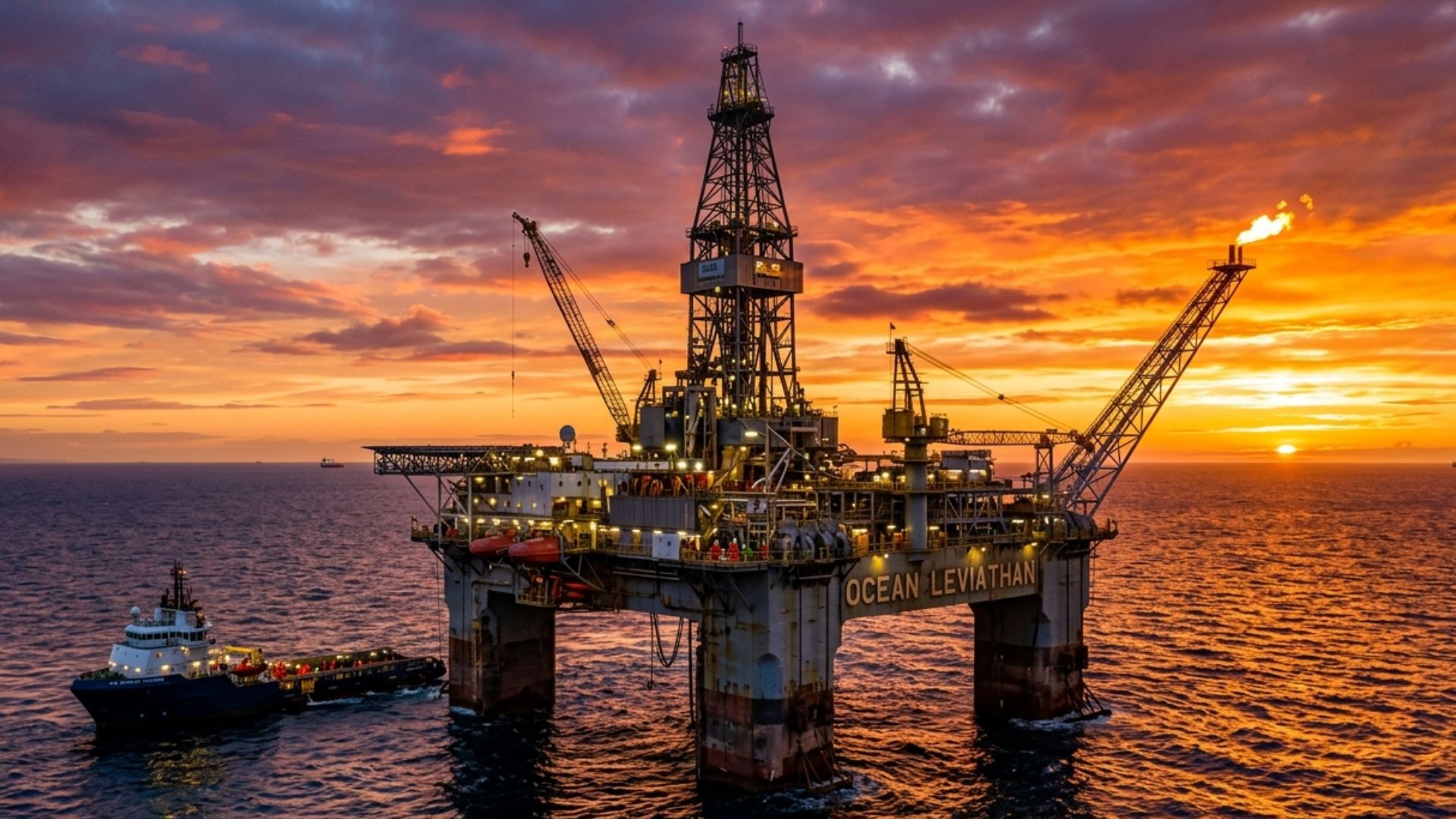

At the same time, the government has enacted mechanisms that accelerate the licensing of large enterprises, including oil, gas, and mining, even in areas of high environmental risk. This measure arises from the so-called Environmental Licensing Simplification Law, which has faced criticism from environmentalists and was wholly rejected by the Minister of the Environment, Marina Silva.
The Potential of Oil at the Mouth of the Amazon
Studies indicate that the region may contain reserves comparable to those that transformed Guyana into a new global production hub. OPEC projects that Brazilian production will increase from 4.2 million to 5.8 million barrels per day by 2030, placing Brazil among the world’s four largest producers.
Proponents argue that exploration could generate jobs, infrastructure, and new revenue for the Union, especially to finance health, education, and the energy transition. They also argue that current reserves will reach peak production in the next decade.
Risks and Opposition
Critics point out that oil in the Amazon involves high environmental risk, especially for little-studied ecosystems, such as coral reefs and mangroves. There are also concerns about the lack of consultation with indigenous peoples and the limited response capacity to accidents.
IBAMA has resisted granting exploratory testing permissions, but the creation of mechanisms to prioritize strategic projects increases political pressure. Handelsblatt states that this tension is the essence of the “double game”: balancing new investments and revenue generation without losing the green discourse.
Narrative Dispute
While the government reinforces Brazil’s role as a global mediator on climate issues, the push for oil in the Amazon calls into question the consistency of this positioning. The issue is expected to gain traction in the coming months, especially as COP 30 approaches.
And you? Do you believe it is possible to explore oil in the Amazon without compromising the environment? Or do the risks outweigh the benefits? Share your opinion in the comments.





Enquanto estiver no poder teremos só teatro.