





 English
  Francês
  Alemão
  Italiano
  Japonês
  Norueguês
  Portuguese
  Spanish
 3 min of reading


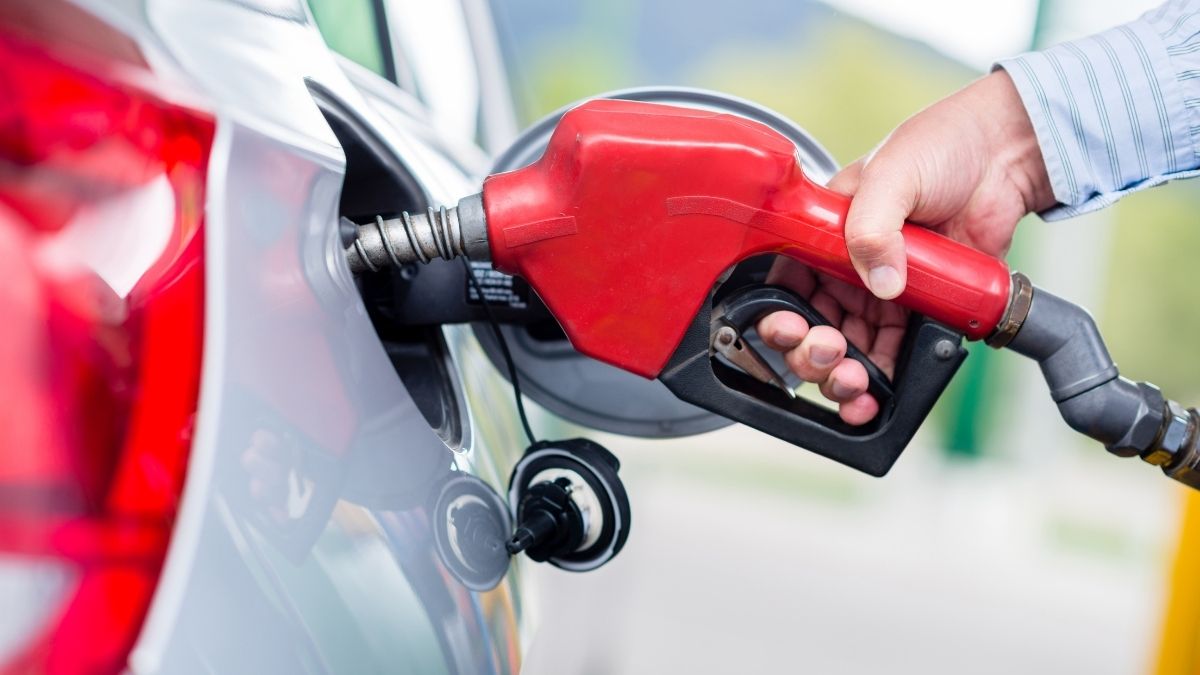
Federal University of Pampa (Unipampa) Student Creates Device That Will Help You Save Fuel Like Gasoline and Diesel in Vehicles
The constant rise in fuel prices since the start of the war between Ukraine and Russia has worried many people. Thinking of a way to ease the burden on consumers, a student from the Federal University of Pampa (Unipampa) created a device capable of optimizing vehicles and generating fuel savings like gasoline and diesel. The device helps cars achieve more kilometers per liter and also reduces greenhouse gas emissions due to the enhancement of combustion that powers the vehicle.
For this invention, the student and professor used electrolytic cells in vehicles to improve internal combustion efficiency, promoting an increase in engine efficiency. Alejandro Reyes, a graduate student in Chemical Industrial Process Management at Unipampa, is the name of the researcher. Learn more about this brilliant device!
Check Out the Current Situation of Oil This July 2022 in the Video Below

Device Uses a Mixture of Oxygen and Hydrogen to Reduce Fuel Consumption in Vehicles
Student Alejandro Reyes, in partnership with his research advisor, César Mantovani, and professor Sérgio Meth, developed a generator system using hydrogen and oxygen, capable of reducing greenhouse gas emissions in the atmosphere. This oxy-hydrogen (HHO) cycle was only possible thanks to the use of electrolytic cells, a novelty in the market.
-
350-year mystery may have been solved: remains of a soldier who inspired the hero of The Three Musketeers found beneath a church in the Netherlands.

-
NASA photographed a nearly perfect square with 3 km sides on Mars, 13 times larger than the Great Pyramid of Giza, but the official explanation is natural erosion; still, no one has explained why the four sides have almost identical lengths.

-
Starlink breaks the barrier of 10,000 satellites in orbit and takes its expansion to an unprecedented level, with a direct impact on global internet, technological competition, and the race for space.

-
Japan finds an alternative to oil amid rising prices by transforming ocean balance into electricity with a new technology that maintains efficiency even when the sea changes.

One of the first tests conducted was with a 2009 Chevrolet Classic, 1.0 flex model, and the results were very encouraging. The implemented system allowed the car to travel more kilometers per liter of gasoline while reducing greenhouse gas emissions.
The device features a gas HHO generator plate directly connected to a reservoir of electrolytes that feed each other. Then, the produced energy is conducted through a drying filter, a firebreak, and reaches the engine, as demonstrated in the figure below.
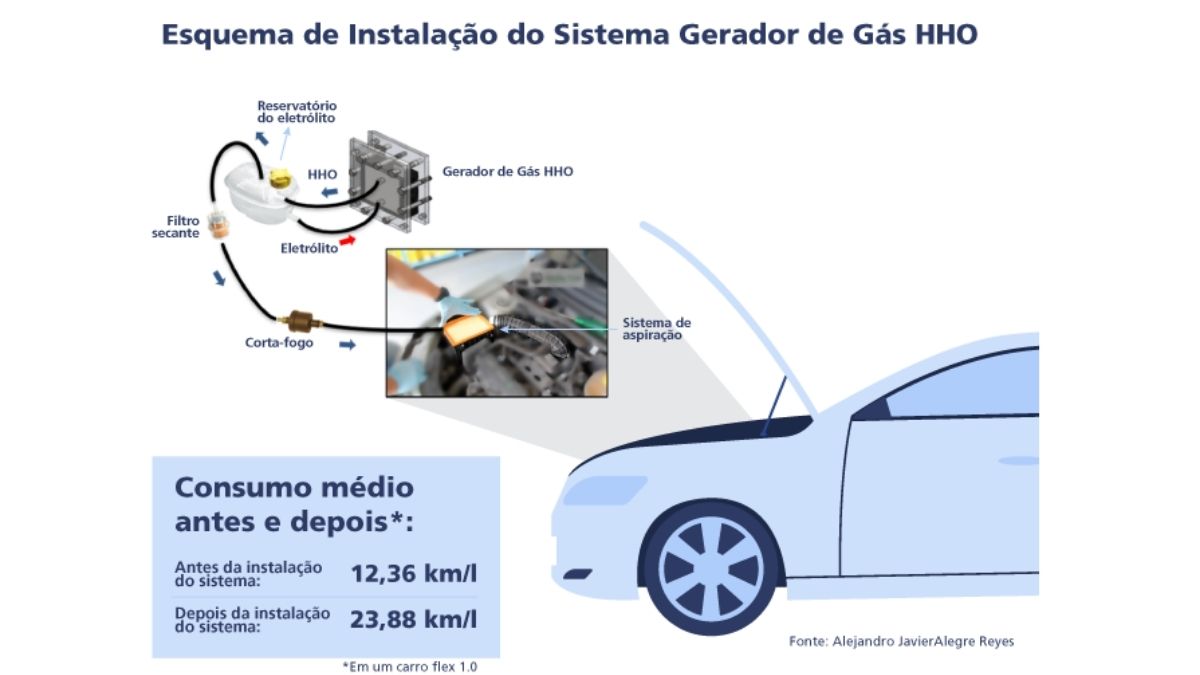
With this mechanism, the researchers were able to achieve 73% efficiency in oxy-hydrogen production and reduce fuel consumption by up to 50%. Additionally, there was a dissolution of carbon monoxide and carbon dioxide, resulting in lower emissions of greenhouse gases.
Device Was Created with Low-Cost Materials to Make the Electrolytic Cells Function and Save Fuels
This energy-saving mechanism for vehicles had been created before. However, the big breakthrough here was the use of low-cost materials to create an easily reproducible device for later mass production. The electrolytic cells can convert electrical energy into chemical energy through electrolysis.
However, to take advantage of the energy from the electrolytic cells, the researchers used repurposed materials such as stainless steel, milky white acrylic sheets, and a specific high-density rubber (HDPE). Additionally, they incorporated the use of sodium hydroxide (NaOH) in the process, as it facilitates the generation of current for oxy-hydrogen. This made the construction of the electrolytic cells cheaper.
The research is very promising and the scientists are optimistic that this device could reach the market at a low cost, making it accessible to people and compensating for the investment in the long term, considering the rising fuel prices. It is a significant step for Brazil towards greater sustainability in public transportation viability with personal vehicles. The team will continue its tests to then apply for a patent (a unique registration of something created in the world).





Seja o primeiro a reagir!