





 Portuguese
  English
  Spanish
  3 min of reading



To Generate Income, Vendors in Nigeria Often Use Fast Food Stalls and Serve the Public. However, Energy Costs Are Usually High and to Help, a Young Man Gave a Lesson in Empathy by Creating an Alternative Based on Solar Energy to Assist the Working Class.
Dealing with fast food is a job that requires tasty and quick food, as the name suggests. Hot dishes and cold drinks, for example, are kept that way with the help of electricity, which usually generates expenses and impacts vendors’ profits. Thinking about this, a young man decided to develop a kiosk that uses solar energy, reducing costs and optimizing financial returns. A lesson in innovation, but also in empathy.
Meet Usman Dalhatu a young inventor, he created a ventilator and a vacuum cleaner in his second year of university(ABU) and then later came up with a solar-powered kiosk for street food vendors.
The kiosk comes with a Tv and allows them to cook and sell their food without… pic.twitter.com/KXJ7ZViEOZ
ARTICLE CONTINUES BELOWSee also
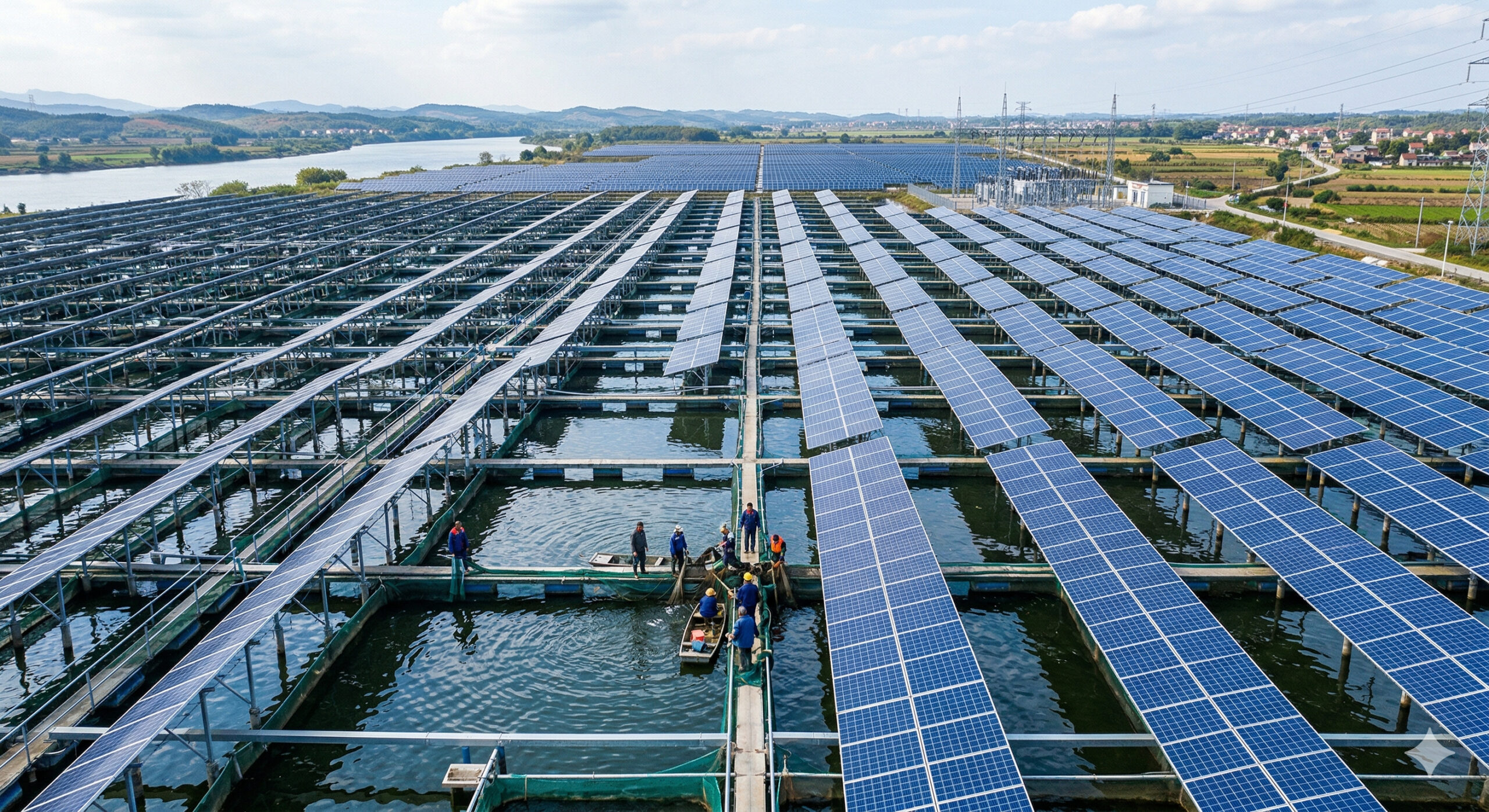
China bets on the Fishery-PV model and transforms fish farms into giant solar plants, covering ponds with panels that generate energy while utilizing the same space for large-scale aquaculture production.
Europe records strong euro economy with solar energy in March and sparks curiosity about which country leads growth that redefines the energy market and reduces costs.

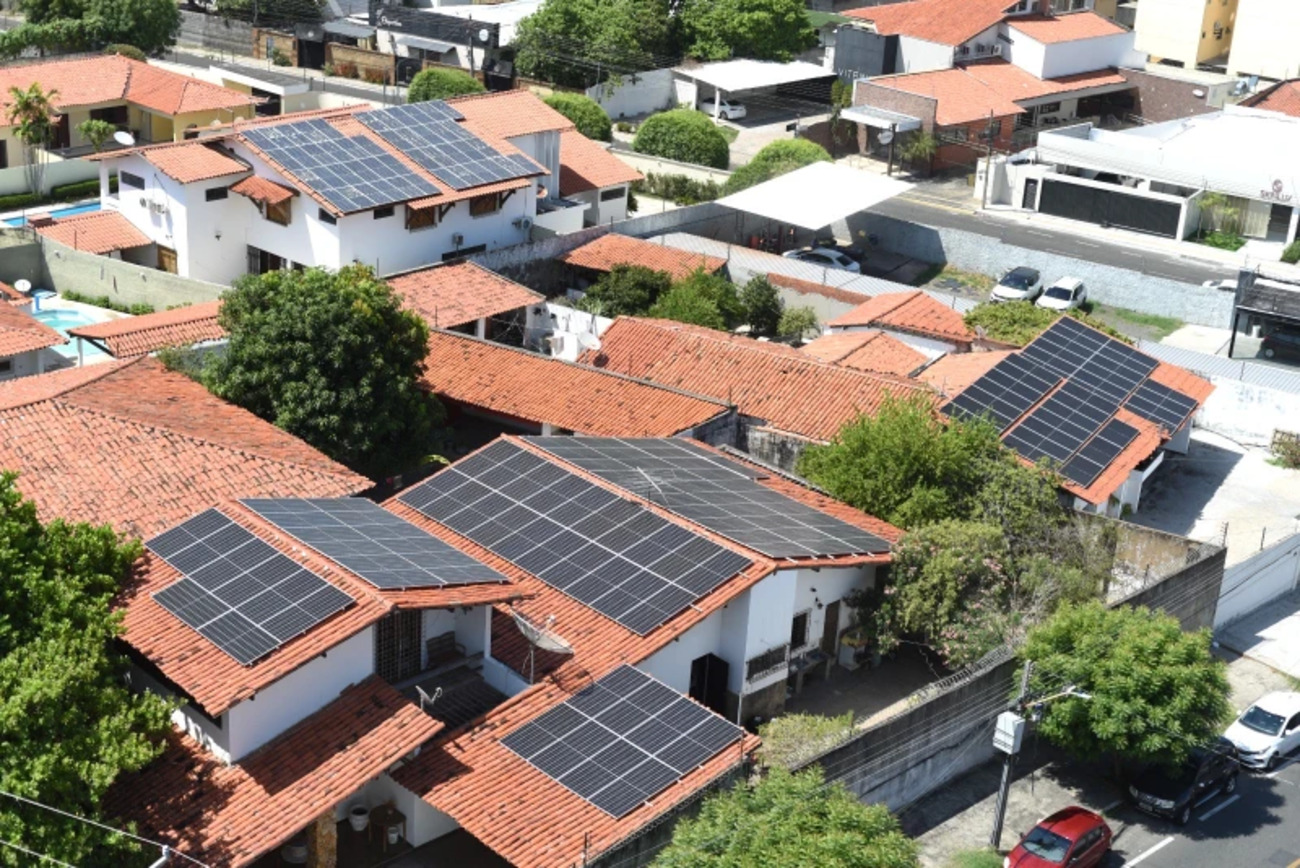
Piauí reaches a historic milestone in energy transition: State records nearly 160,000 households powered by solar energy and leads growth in the Northeast.
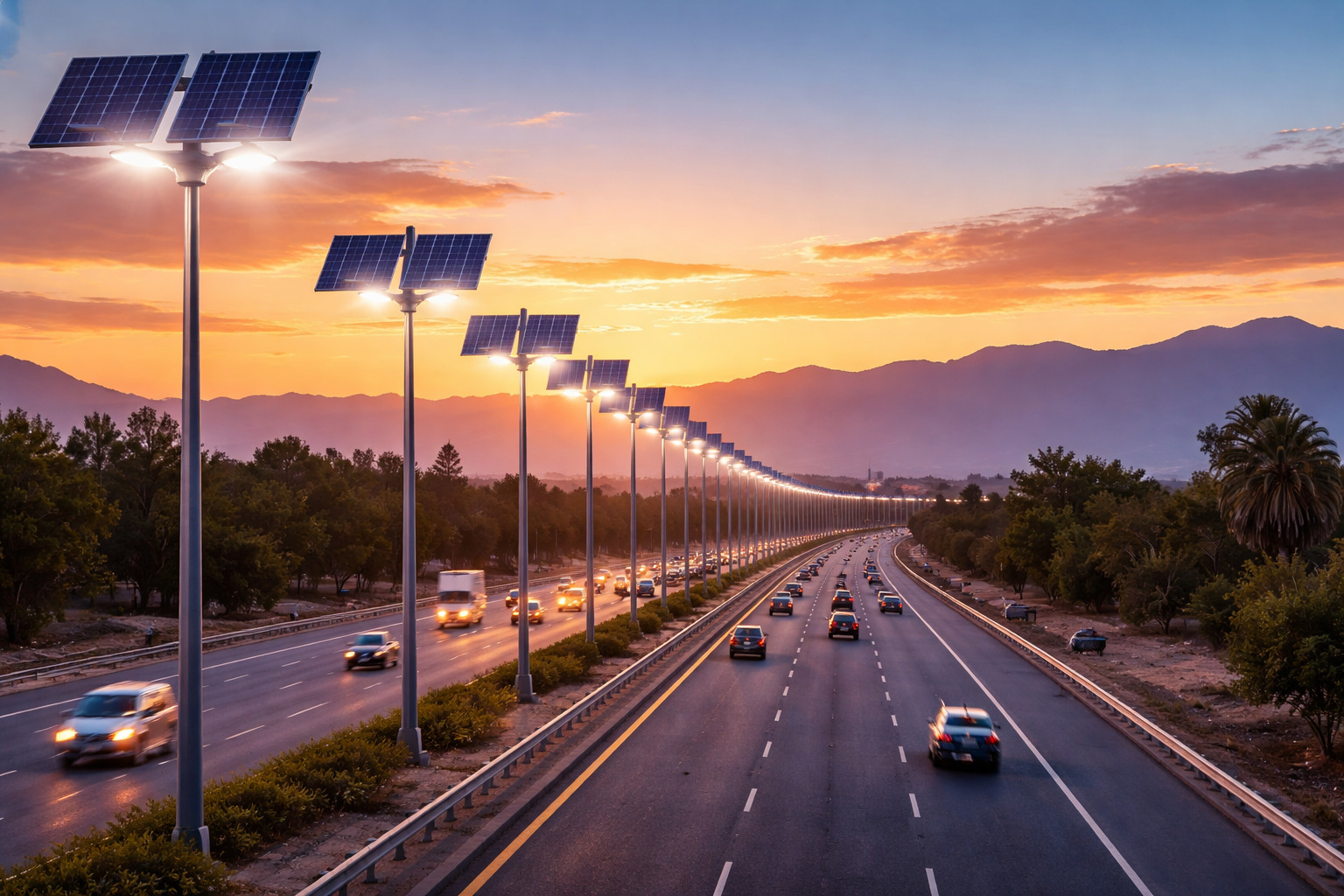
Argentina debuts its first 100% solar-powered highway and transforms an entire road into a showcase of clean energy.
— Nigeria Stories (@NigeriaStories) March 8, 2023
The Logic Behind the New Venture and How Solar Energy Can Be an Excellent Bet
The whole situation happened recently in Nigeria, specifically in the northern region of the country. It was there that Usman Dalhatu, CEO of Dalsman Tech, found an opportunity to develop an innovative solution.
Observing the vendors, he noted that the cost generated by electricity affects the monthly income of the kiosks.

At the same time, Nigeria has a strong and stable sun most of the time, giving the opportunity for solar energy-centered work to be developed.
The project was called iCart Solution and has a futuristic appearance. In addition to helping vendors become less dependent on electric power, the new kiosk can also attract the public’s attention with its unique shape, thus facilitating more frequent sales.
For Dalhatu, the iCart Solution can be described as a “mobile car used for fast food and snacks on the streets,” also highlighting the mobility of the vehicle.
With this, the vendor can easily move to the busiest places whenever they want, helping to supplement their income.
Gains for All: Vendors Can Profit More and the Environment Thanks
The innovation developed by Dalhatu is interesting on different levels: from the futuristic appearance that attracts attention to the sustainable aspect that preserves the environment, both are strong points and make the venture seen in a positive light.
With this, instead of relying on electric generators, vendors can count on a less harmful energy source for nature.
Additionally, it is worth noting that nothing in the iCart Solution is amateurish. Everything is the result of much study and analysis, as Dalhatu himself highlights.
According to his statement, it took five days for the prototype to be ready and for the idea to actually come to life. When choosing the parts, he also emphasized that there was a consensus for everything to have local origins, coming directly from Nigeria to build the project.
Upon seeing the completed model, it is clear that it is not just a regular solar-powered kiosk, but an innovative initiative that has been greatly improved by the professional.
The iCart Solution is equipped with an inverter battery, a stove, a portable table, and even a television – positioned right at the front of the kiosk so customers can comfortably watch while waiting for their order to be ready.
It is also worth mentioning that the television and stove can be easily recharged, as the kiosk is equipped with a side solar panel, already designed for this situation.
The lesson of empathy given by the young CEO is admirable and important from a sustainable perspective. Keeping a kiosk running on solar energy helps not only the vendors in Nigeria but the environment as a whole.









Seja o primeiro a reagir!