





 Portuguese
  English
  Spanish
  3 min of reading
  0 comments



Court of Justice of Minas Gerais Established Compensation of R$ 12 Thousand and Ordered Removal or Relocation of Cameras That Captured Sound and Image from the Neighboring Residence
The 17th Civil Chamber of the Court of Justice of Minas Gerais condemned a resident to pay R$ 12 thousand in damages to two neighbors for violating the privacy of neighbors with 360º security cameras that captured sound and image from inside their homes. The decision also ordered that the equipment be removed or repositioned, under penalty of a daily fine of R$ 500.
The case, which occurred in Tarumirim, a town in Minas Gerais, sparked debate about the limits between the right to security and respect for privacy. According to the court, the installation exceeded the objective of property protection and turned into a true invasion of private life.
The Conflict Between Neighbors
The plaintiffs reported that the cameras were installed one year before the legal action and began monitoring not only the external area of the defendant’s house.
-
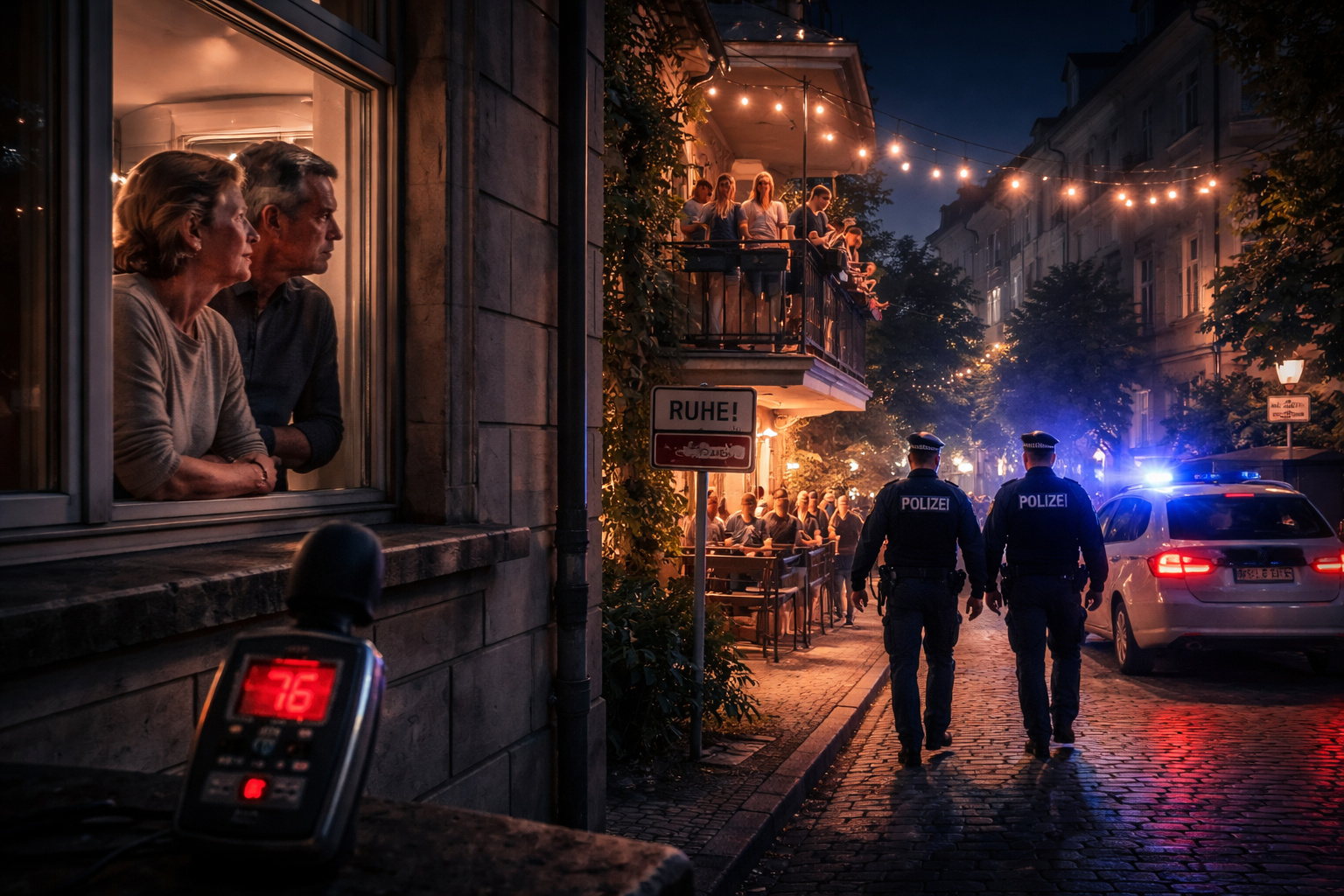
The noise law will no longer be in effect at 10 PM starting in June with a new rule valid during the 2026 World Cup.
-
The Chamber opens a debate on driver’s licenses at 16 years old as part of a reform that includes around 270 proposals to change the Brazilian Traffic Code and may redesign rules for licensing, enforcement, and circulation in the country.

-
The new Civil Code could revolutionize marriages in Brazil with “express divorce” and changes that could exclude spouses from inheritance.

-
Banco do Brasil sues famous influencer for million-dollar debt and intensifies debate on delinquency, risks of seizure, and direct impact on Gkay’s credibility.


But also the interior of their residence.
According to the complaint, the equipment captured 360-degree images and constant audio, restricting freedom and causing discomfort in daily activities.
The resident responsible for the devices denied any wrongdoing and argued that the devices were “essential” for her safety.
She also claimed that they were within her property and that there was no intention to invade the neighbors’ privacy.
First Instance Decision
In the first instance, the Single Court of Tarumirim ordered the removal or repositioning of the equipment that was directed at the neighboring house.
The ruling also established a daily fine of R$ 500 for noncompliance, limited to R$ 20 thousand.
However, the judge rejected the request for moral damages made by the neighbors.
Unconvinced, the plaintiffs appealed to the TJ-MG to secure financial compensation.
Meanwhile, the defendant also appealed, claiming a violation of her right to defense due to not having had witnesses heard in her favor.
The TJ-MG Decision
The report of the case, Judge Aparecida Grossi, understood that the capture of sound and image from the neighboring residence exceeds acceptable limits of surveillance.
She emphasized that the home should be a space for welcome and rest, free from external interference, and that, in this case, the plaintiffs’ privacy was clearly violated.
The panel set compensation at R$ 6 thousand for each neighbor, totaling R$ 12 thousand, and rejected the argument of a violation of defense.
According to the magistrates, the defendant herself admitted that the equipment captured sounds and images beyond the limits of her property.
Making the production of new evidence unnecessary.
Security Versus Privacy
The case raises an increasingly relevant discussion: to what extent can the installation of security cameras advance without compromising the private life of others.
For the court, the line was crossed at the moment the devices recorded the neighbors’ routine without consent.
Becoming an invasion of privacy.
The decision reinforces the idea that measures for property protection cannot violate fundamental rights, such as honor and privacy, which prevail even in situations of conflict between neighbors.
The ruling in Minas Gerais shows that, although security technology is becoming increasingly accessible, its use must respect legal and ethical limits.
The right to protection cannot be used as a justification for invading the private lives of others.
And you, do you believe that security cameras should have more legal restrictions to prevent abuse, or can the decision set precedents to limit residents’ self-defense? Leave your opinion in the comments and join the debate.









-

-

-

-

-

-

21 pessoas reagiram a isso.