





 Portuguese
  English
  Spanish
 3 min of reading
  0 comments



Piauí Court Decision Suspends ICMS Charge on Surplus Solar Energy in Compensation System and Considers Method Outside the Concept of Goods.
The charge of ICMS on surplus solar energy was immediately suspended by the Piauí Court.
The determination was made on Tuesday (9) after recognizing the non-compliance with a previous precautionary decision issued in October of this year. The understanding of the Judiciary is that the energy generated beyond self-consumption, in the context of the Electric Energy Compensation System (SCEE), cannot be treated as goods.
Thus, consumers who use solar energy and inject the surplus into the electrical grid now have legal backing not to incur the tax, provided there is no change in ownership of the compensated energy.
-
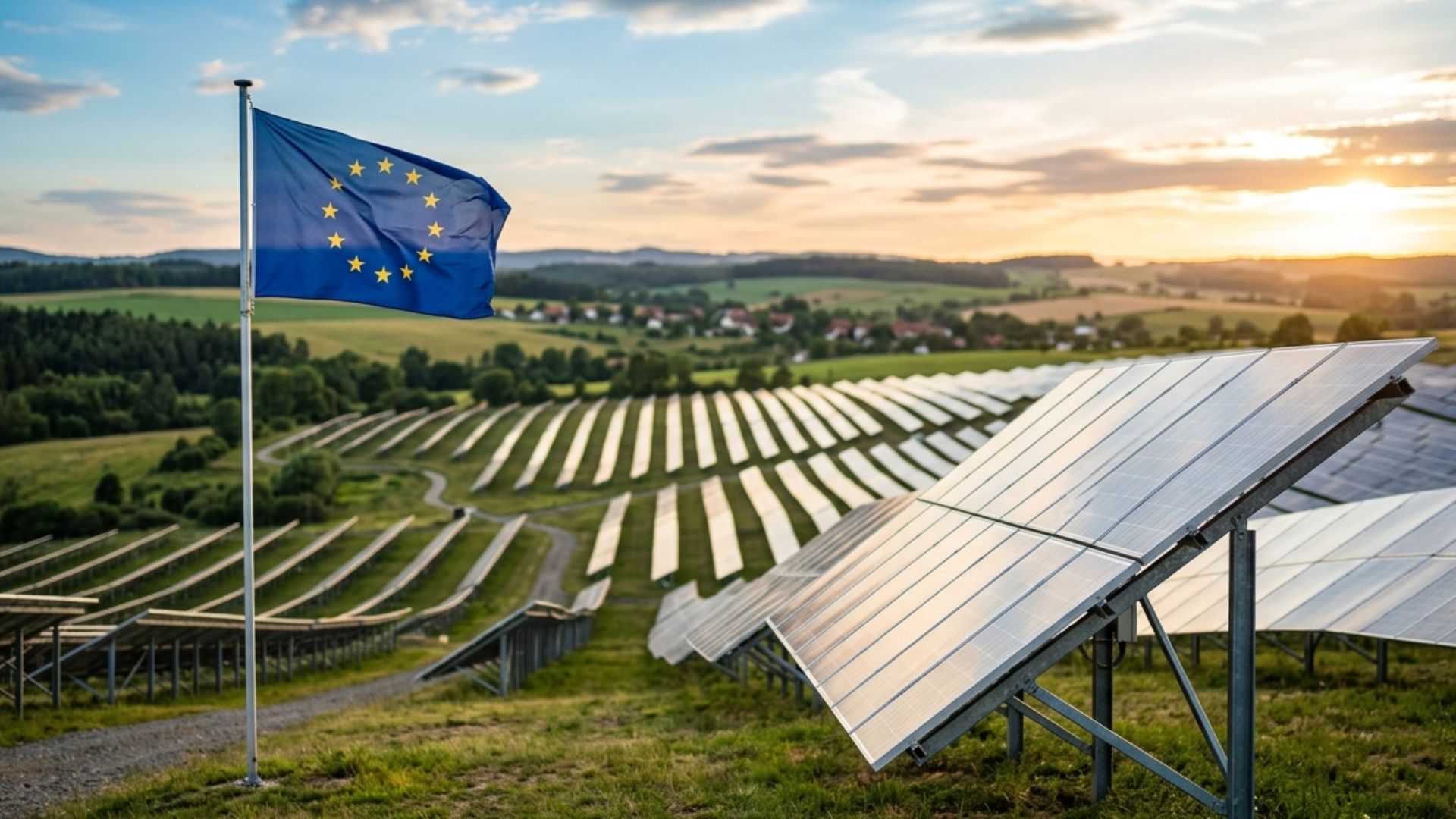
Europe records strong euro economy with solar energy in March and sparks curiosity about which country leads growth that redefines the energy market and reduces costs.
-
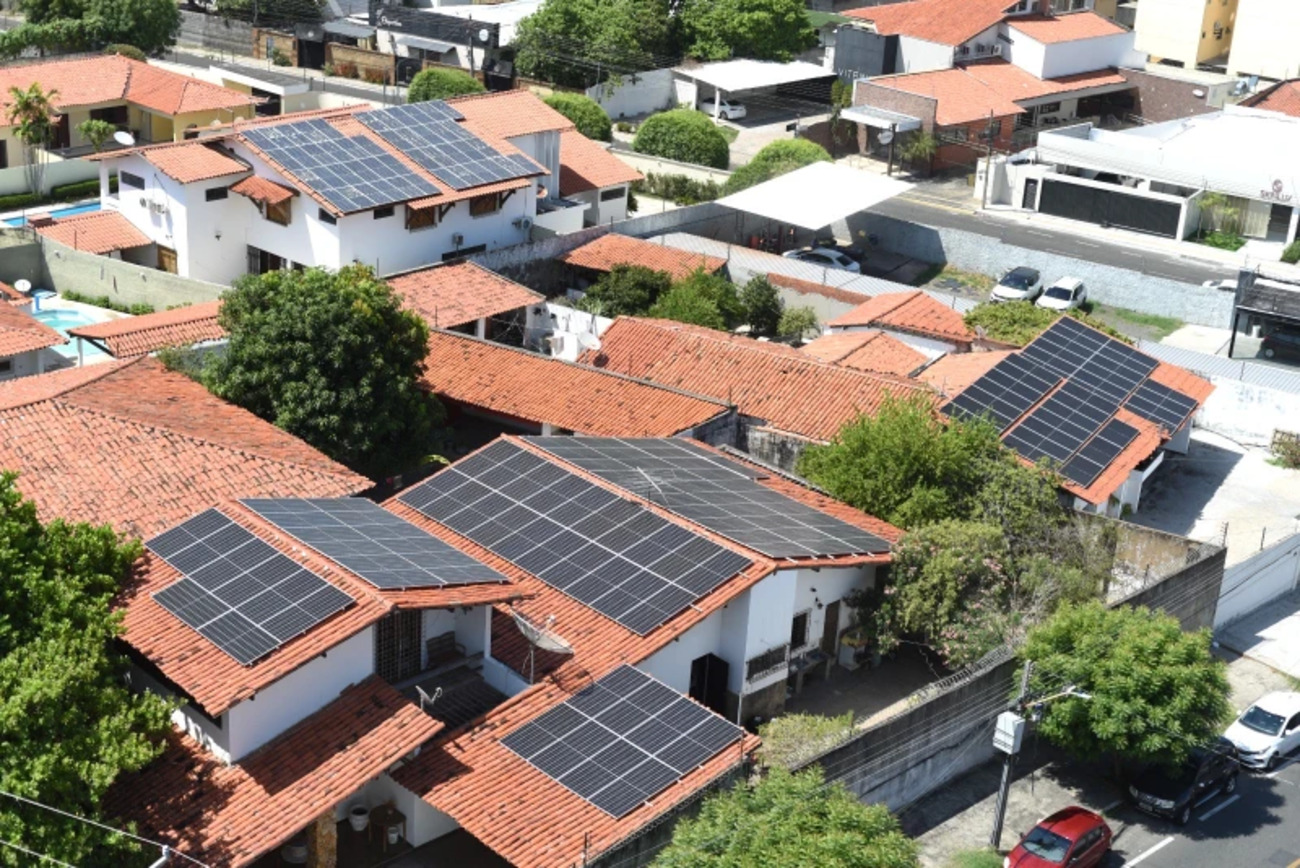
Piauí reaches a historic milestone in energy transition: State records nearly 160,000 households powered by solar energy and leads growth in the Northeast.
-
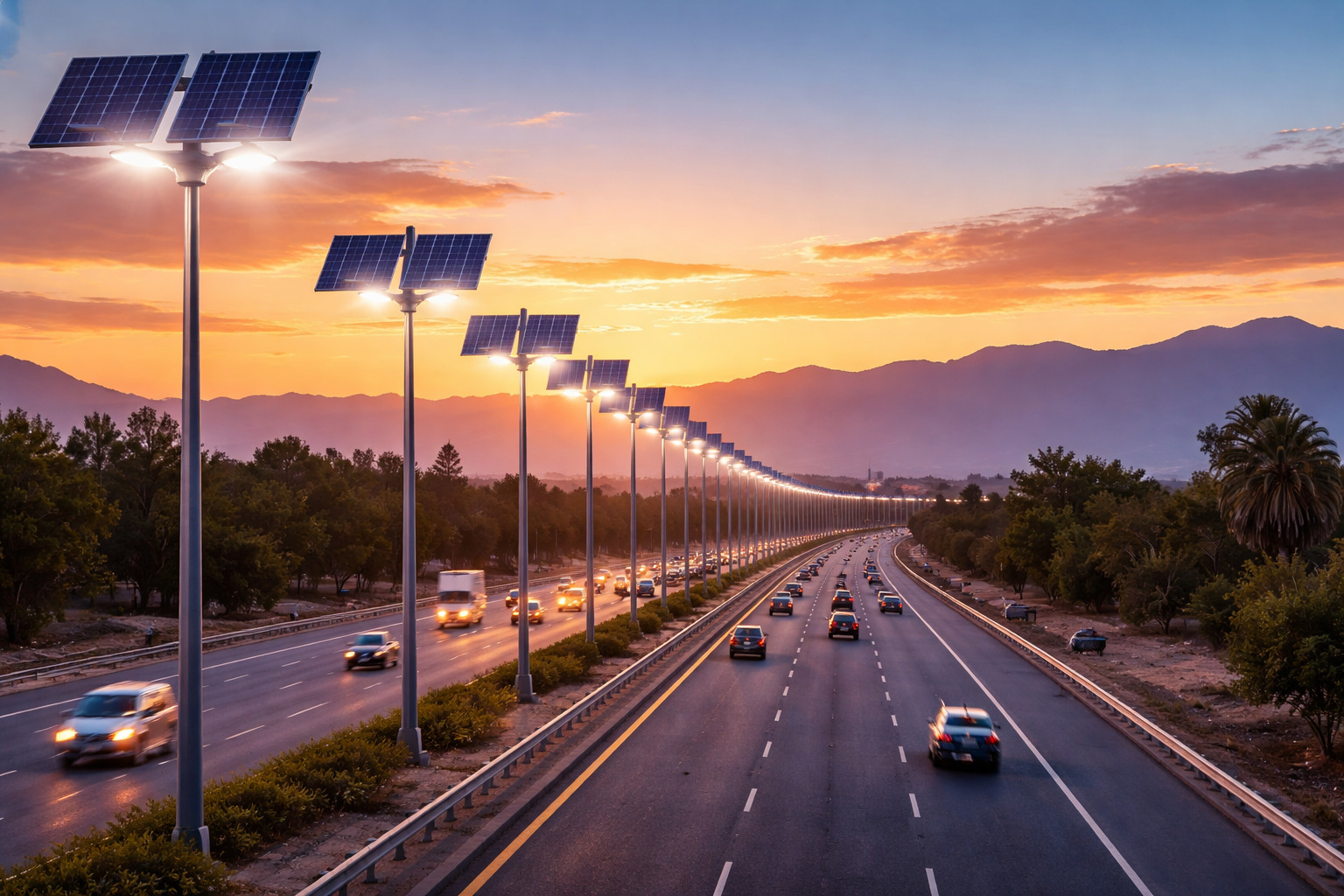
Argentina debuts its first 100% solar-powered highway and transforms an entire road into a showcase of clean energy.
-
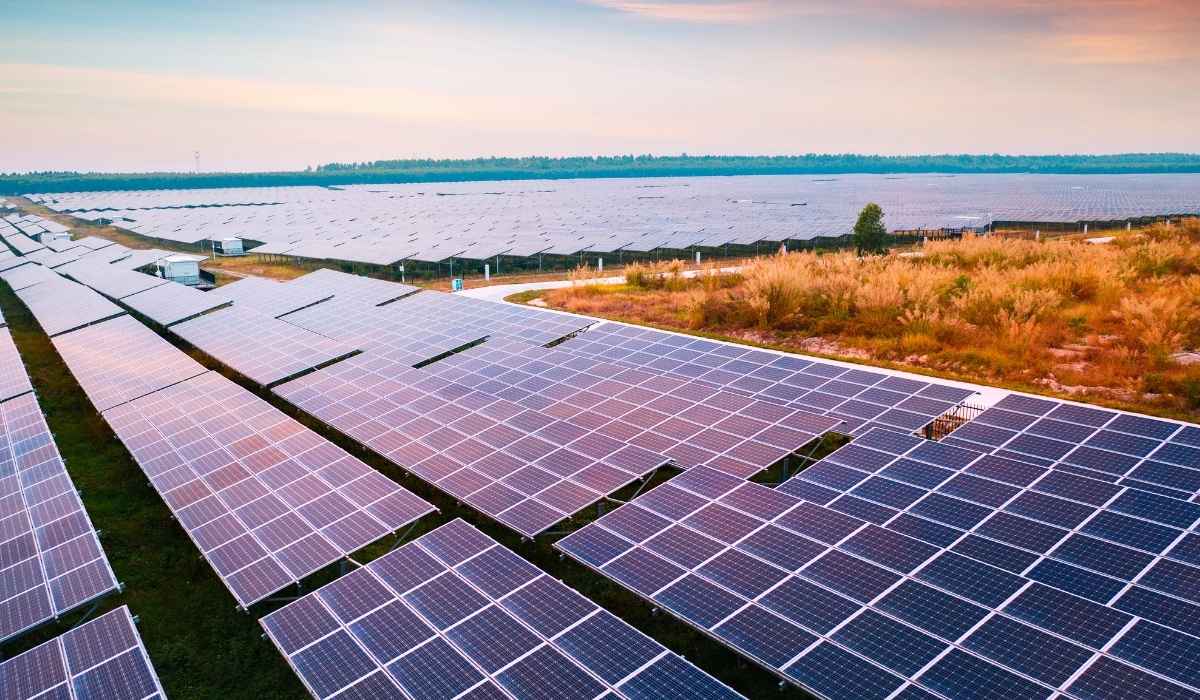
Minas Gerais reaches a historic record and surpasses the power of Itaipu, but network costs generate debate: Understand why solar energy in MG impacts the electricity bill of those without panels.

Compensation System Does Not Configure Circulation of Goods
The Electric Energy Compensation System is regulated by the National Electric Energy Agency (Aneel) and by the Federal Law No. 14.300/2022. The model allows that the surplus energy produced by photovoltaic systems be provided at no cost to the local distributor and subsequently compensated on the consumer’s bill.
For the Court, this mechanism does not characterize as supply or legal circulation of goods, an essential condition for the incidence of ICMS. The understanding was reinforced in the decision signed by Judge Sebastião Ribeiro Martins, who underscored the illegality of the charge under these circumstances.
“I reiterate that the absence of legal circulation of energy, in situations where compensation occurs between units of the same ownership, removes the occurrence of the tax generating event, making the requirement of ICMS on the energy injected and subsequently compensated in the Electric Energy Compensation System inadmissible”, says a portion of the decision.
In addition to suspending the immediate charge, the Court considered that the demand for ICMS on compensated solar energy or on tariff components is unconstitutional and illegal, as long as there is no transfer of ownership. This position strengthens legal certainty for consumers who have invested in distributed generation and rely on the compensation system to economically make their projects viable.
The Judiciary also warned that the non-compliance with the decision constitutes a violation of a court order, which may result in daily fines and personal liability for public managers or concessionaires responsible for the undue charge.
Distributor Claims Not to Have Been Notified
In an official statement, Equatorial Piauí stated that it has not yet been formally notified by the Court of Justice or the State Treasury Department regarding the decision on the suspension of ICMS in the context of the SCEE.
“Equatorial Piauí informs that it has not yet been formally notified by the Court of Justice or the State Treasury Department about the decision regarding the suspension of the ICMS charge on electrical energy in the context of the Electric Energy Compensation System – SCEE,” the company said.
The distributor also emphasized that it is not a party in the judicial demand and acts only as the tax collector, passing the amounts to the competent state entity. Even without official notification, the company stated that it has taken preventive measures to understand the terms of the decision.
“Although it has not been officially notified about the decision of the process, Equatorial Piauí clarifies that it has spontaneously presented a manifestation in the process to obtain clarifications on the conditions of the suspension of the ICMS charge within the SCEE, in order to ensure faithful and complete compliance with the court decision, which is why it awaits feedback from the court.”
Finally, the concessionaire reiterated its commitment to comply with court decisions, current legislation, and regulatory and tax norms related to solar energy and the distribution of electrical energy.







Seja o primeiro a reagir!