





 Português
  Inglês
  Espanhol
  2 min de leitura
  0 comentários



A recent labor court decision has caused controversy in the delivery sector. The company Rappi was forced to hire all its deliverers under CLT (Consolidation of Labor Laws), under penalty of a fine of R$ 1,000 per worker who does not have the contract properly regularized.
This measure is part of a continuous chapter in the labor court’s struggle to maintain its relevance. The Supreme Federal Court (STF) has already established that this type of hiring is legitimate, questioning the decision of the São Paulo court.
Why Is CLT Under Discussion?
The issue goes beyond Rappi’s case. Worldwide, the CLT model is losing ground. Many argue that this happens because it is bad for workers, making the labor court increasingly irrelevant. In other words, if no one wants to hire under CLT anymore, what is the purpose of this entity?
The action was filed by the Public Prosecutor’s Office of Labor in São Paulo, which alleges irregularities in the hiring of Rappi’s deliverers. According to the agency, even though it is app-based work, it should be governed by CLT.
-
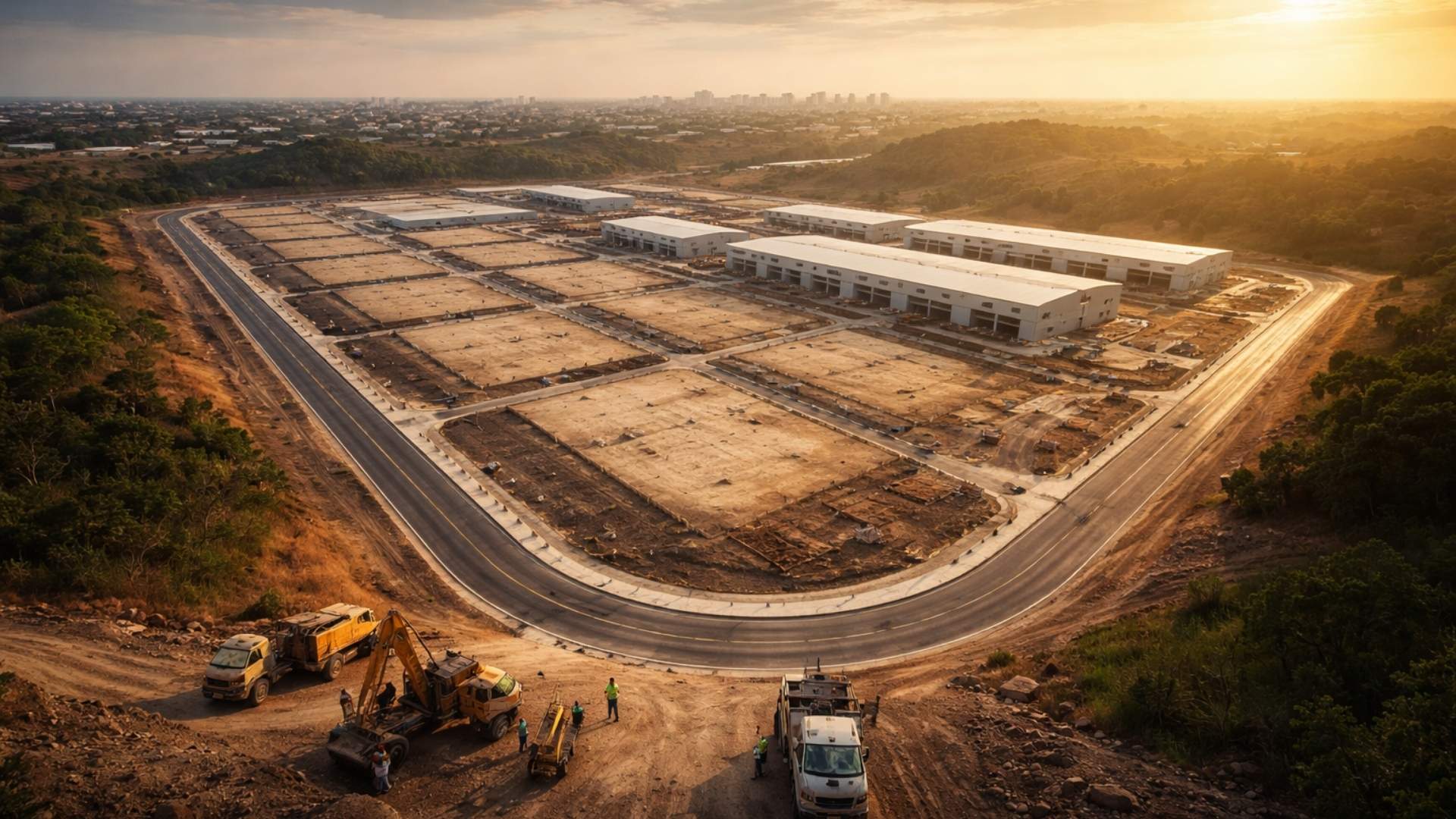
Brazilian city gains industrial hub for 85 companies that is equivalent to 55 football fields.

-
Peugeot and Citroën factory in Argentina cuts production by half and opens a layoff program for more than 2,000 employees after Brazil drastically reduced purchases of Argentine vehicles.

-
A Brazilian city gains a factory worth R$ 300 million with the capacity to process 200 thousand tons of wheat per year, a mill of 660 tons/day, silos for 42 thousand tons, and an industrial area of 276 thousand m².

-
Havan will leave the shopping mall in Blumenau to inaugurate something that the chain has never done before: a megastore in half-timbered style in the Historic Center of the city, which is expected to be completed in May and change the landscape of local retail.


What Does CLT Say?
Article 3 of the CLT defines what an employee is, considering four criteria: personal nature, non-temporary nature, subordination, and payment. In the case of Rappi, the last two criteria are the subject of intense discussion. While some argue that the relationship is temporary and without direct subordination, others claim otherwise.
The Supreme Court already has an established understanding on the matter, which puts pressure on regional courts that rule differently. The expectation is that if the issue reaches the STF, the decision of the São Paulo court will be overturned.
The Human Side of the Story
Finally, it is worth noting that many workers rely on delivery apps as an essential source of income, especially in times of high unemployment. Therefore, the labor court’s decision affects not only companies but also the lives of thousands of people who depend on this type of work to survive.










Seja o primeiro a reagir!