





 English
  Francês
  Alemão
  Italiano
  Japonês
  Norueguês
  Portuguese
  Spanish
  3 min of reading


According to Petrobras, the new oil platform in the Búzios field, which will be built in partnership with Keppel Shipyard, will be one of the largest operating in Brazil
The Petrobras reported that as a result of the progress in the development planning of the Búzios field in the pre-salt layer of the Santos Basin, it decided to enter into a contract with Keppel Shipyard Limited for the construction of a new oil production platform, the P-80 platform, which will be the ninth unit installed in the Búzios field.
According to Petrobras, the new oil platform will be one of the largest operating in Brazil and one of the largest in the global oil and gas industry, with a production capacity of up to 225,000 barrels of oil per day, processing up to 12 million m3/day of gas, and storage capacity of more than 1.6 million barrels of oil. The project foresees the interconnection of 14 wells, with 7 oil producers and 7 injectors.
Start of Production for the New Platform is Scheduled for 2026
The start of oil production on the new platform in the Búzios field is scheduled for 2026, with the P-80 being the 28th system to operate in the pre-salt layer of the Búzios field, according to Petrobras, which also emphasizes that the platform will be proprietary, of the FPSO type (floating unit that produces, stores, and transfers oil), with a minimum local content index of 25%.
-
Brazilian giant expands borders in the Southeast: Petrobras confirms new oil discovery in ultra-deep waters in the pre-salt of the Campos Basin.

-
Alert in the global energy market: Severe tropical cyclone hits the coast and disrupts gas production at major plants in Australia, threatening global supply.

-
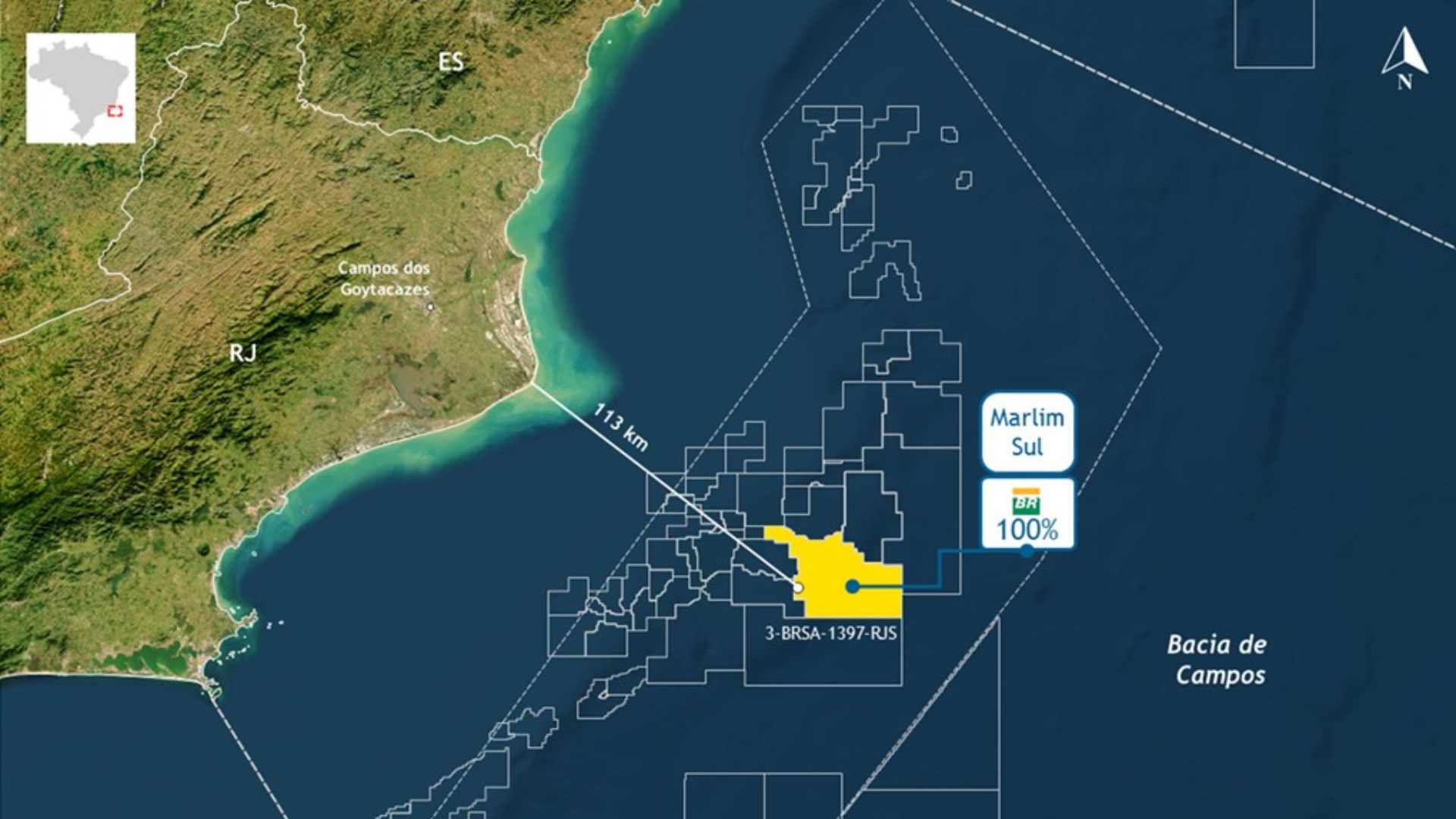
Petrobras finds high-quality oil in the pre-salt at 113 km from RJ and reignites expectations about strategic reserves in the Campos Basin.

-
Ocyan opens registrations for startups focused on innovation in the oil and gas sector and will select projects for Innovation Day with the support of Nexio.


“The P-80 integrates the new generation of platforms in the Búzios field region of Petrobras, characterized by high production capacity and exclusive technologies for reducing CO2 emissions. The unit, which will be located in the Búzios field, will incorporate, for example, closed flare technology, which increases gas utilization and prevents it from being burned into the atmosphere, operating in a safe and sustainable manner. Another innovation will be the methane gas detection system, capable of acting in the prevention or mitigation of leak risks,” informs Petrobras in a statement sent to the Securities and Exchange Commission (CVM).
The new platform will also be equipped with Carbon Capture, Utilization, and Storage (CCUS) technology, according to Petrobras, which highlights its pioneering use of this offshore technology, allowing for a balance between increased productivity and reduced carbon emissions.
Along with the construction of the P-80, a digital twin will be produced, an innovation that, according to the state company, consists of a digital reproduction through a virtual unit identical to the physical platform, allowing for numerous remote simulations and virtual operational tests, safely simulating various scenarios.
Búzios Field in the Pre-Salt Layer of the Santos Basin Breaks Monthly Oil Production Record
The Búzios field in the pre-salt layer of the Santos Basin achieved an average monthly production of 616,000 barrels of oil per day (bpd) in June. This value is the highest monthly average volume of oil barrels ever recorded in the Búzios field since it began operations in April 2018. According to Petrobras, the total number of barrels already produced in the field symbolizes an operational efficiency of around 95%.
Petrobras is responsible for 91.7% (564,000 bpd) of the volume of oil produced in the field, with the remaining 8.3% (51,000 bpd) corresponding to partners. “The result was achieved with the contribution of the four platforms operating in the field: P-74, P-75, P-76, and P-77,” Petrobras informed in a statement.








Seja o primeiro a reagir!