





 Portuguese
  English
  Spanish
  3 min of reading
  0 comments


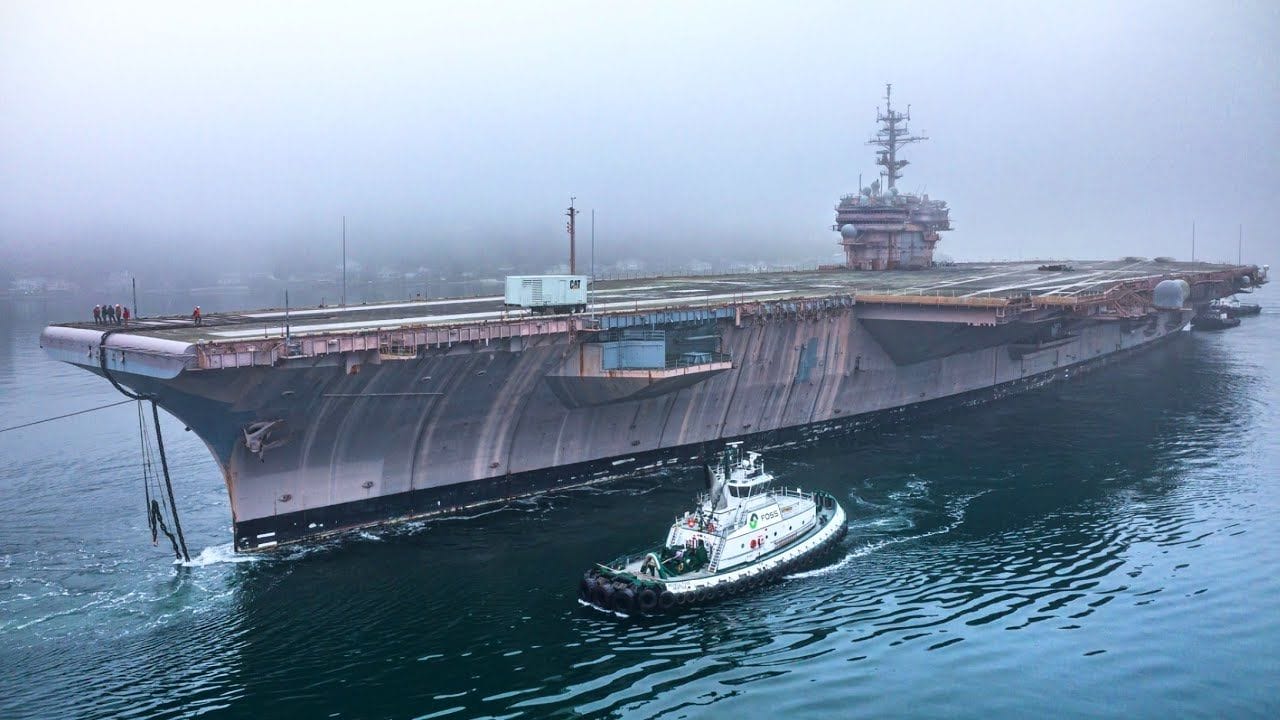
The Aircraft Carrier “Kitty Hawk”, One of the Last Giants Fueled by Fossil Fuels of the U.S. Navy, Was Sold for Just One Cent and Taken to Texas to Be Dismantled, Ending an Era of Military Service That Spanned Global Conflicts, from the Vietnam War to Iraq.
The “Kitty Hawk”, one of the last fossil-fuel-powered aircraft carriers of the United States Navy, concludes its historic journey with a symbolic sale. Sold for just one cent, this sea colossus was sent to the shipyard in Texas, destined to be dismantled and sold as scrap.
The transaction, seen as the bargain of the decade, surprised both admirers of the powerful ship and American politicians. The sale price stands in stark contrast to its original cost of 264 million dollars in the 1960s, equivalent to nearly 3 billion reais today.
Where Did the Aircraft Carrier Kitty Hawk Serve?
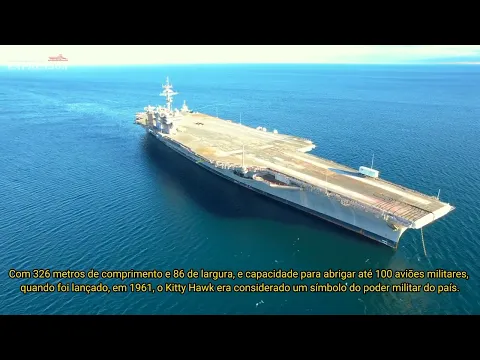

The “Kitty Hawk”, which bravely served in the Vietnam and Iraq Wars, was retired in 2009 after nearly 50 years of service. Its final journey is a colossal operation of 30,000 kilometers, circumnavigating South America to Texas. Without engines or equipment, it is slowly towed by four tugboats, a journey marked by technical stops and adjustments. The fate of the “Kitty Hawk” symbolizes the transformation of a tool of military power into recyclable metal, while raising questions about the economics and practicality of maintaining such giants of the sea. The United States previously also attempted to sell naval units to Brazil, read the full article.
-
Historic bankruptcy of Centauro shocks the market, and the century-old company puts more than 500,000 products, machines, and complete infrastructure up for online auction.

-
New shoe factory in Ceará is expected to create 400 jobs and strengthen the local economy.

-
No one imagined it, but a mixture of sawdust with a mineral that fights fires surprises scientists with a result that changes the course of fire-resistant construction.

-
From empty land to a high-end house, wooden construction uses a lightweight system, metal structure for the foundation, ventilated ceramic cladding, and special windows to create an efficient and comfortable living space throughout the year.


Propulsion and Capability: Fossil Fuel vs. Nuclear
Fossil-fuel-powered aircraft carriers, like the USS Kitty Hawk, operate with a propulsion system that relies on frequent fuel supplies, which can limit their range and ability to remain operational at sea. This limitation contrasts with nuclear-powered aircraft carriers, like those of the Nimitz class, which use nuclear reactors. These reactors provide an almost unlimited range without the need for refueling for two decades, offering greater operational capacity and additional space for aircraft and armaments, due to the space savings that would have been allocated for fuel.
The Pioneering of the Nuclear Aircraft Carrier
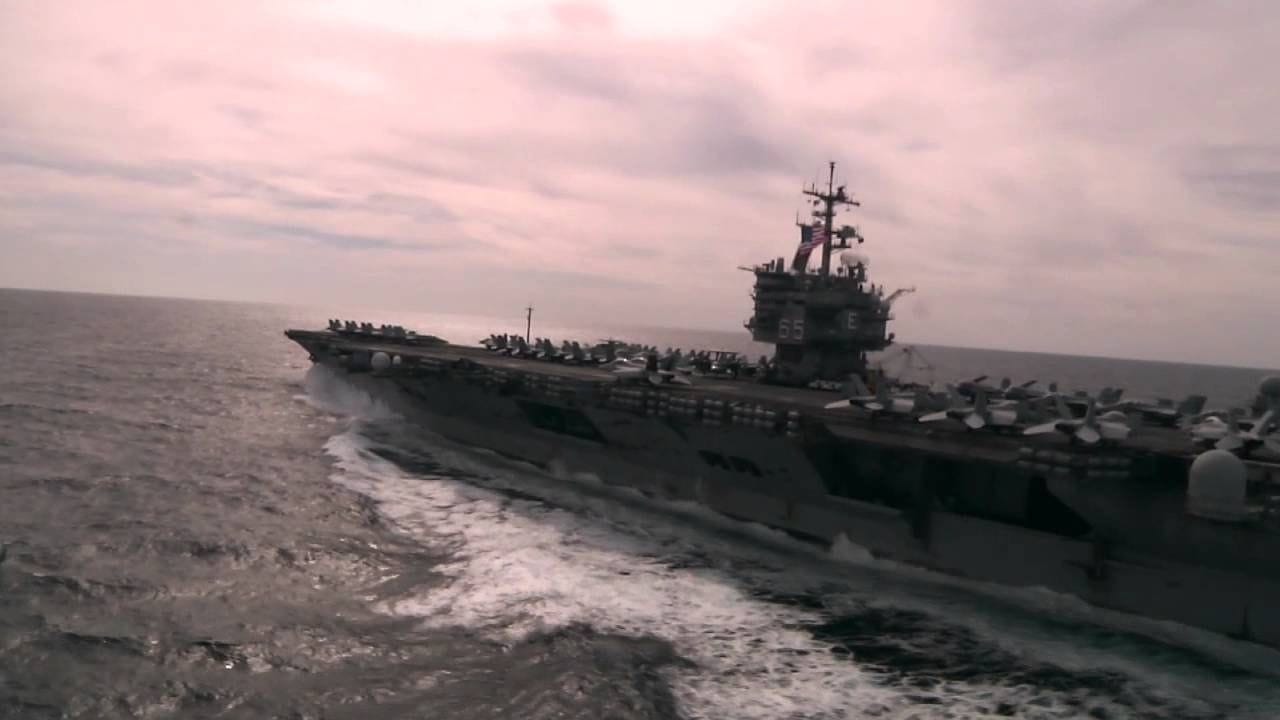
The history of nuclear-powered aircraft carriers began with the USS Enterprise (CVN-65), launched in 1961, revolutionizing naval strategy with its nuclear propulsion allowing for extensive operations without refueling. Followed by the Nimitz class, these giants of the sea represent the pinnacle of naval technology, with superior capabilities in range, speed, and offensive potential. The transition to nuclear propulsion allowed for more sustainable and efficient power projection globally, solidifying the naval dominance of the United States.
These differences highlight not only technological advances but also shifts in maritime military strategy, where aircraft carriers like the “Kitty Hawk” represent a legacy of a bygone era, contrasting with the modernity and efficiency of the nuclear giants that dominate the seas today.










Seja o primeiro a reagir!