Portuguese
  Spanish


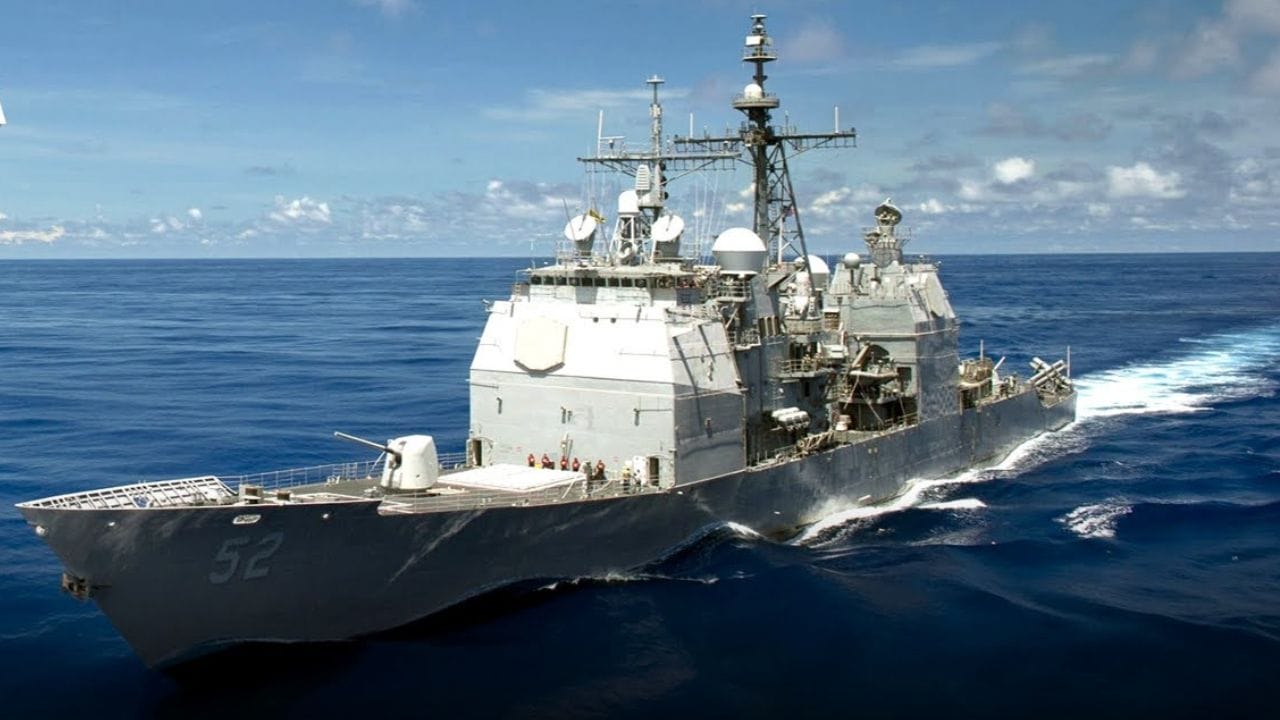

Historical Exploration Reveals Brazil’s Navy Ambitious Plans to Acquire Heavy Cruisers in the 20th Century, Highlighting Negotiations, International Treaties, and Naval Competition in Latin America.
In the 20th century, Brazil’s Navy was the stage for fascinating proposals for heavy cruisers, reflecting its position as one of the leading naval forces in Latin America. During the 1930s, Brazil was interested in expanding its fleet with the acquisition of a heavy cruiser, driven by regional competition, especially after Argentina acquired the ships Veinticinco de Mayo and Almirante Brown.
The initial highlight was the Modified HMS Raleigh, a proposal from Vickers in 1923. This vessel, an advanced version of the British Hawkins-class cruiser, promised military superiority with its 203mm guns, which would have put Brazil ahead in the Latin American naval race.
Restrictions on Naval Construction
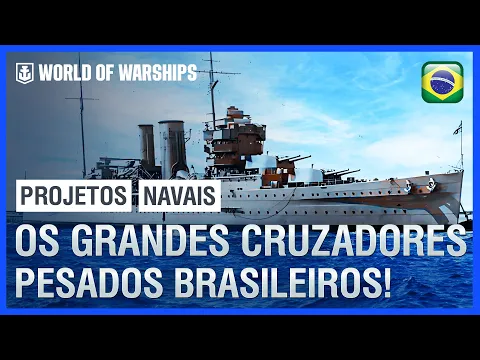

The London Naval Treaty of 1930 imposed restrictions on naval construction, but Vickers found loopholes, continuing to offer advanced designs like No. 1045 in 1933, superior to the Argentine cruisers in terms of armament and protection.
-
They exchanged the idea of a large house for a 35 m² warehouse, spent US$ 12,000 on the structure, and created a tiny house in Colorado with space to live and work.

-
While modern cities rely on pumps and electricity, in Iran, ancient tunnels carried water through the desert using only slope and gravity.
-
Instead of sending families far from the city, a project in Chile intentionally created incomplete houses on expensive urban land and left technical space for each to grow.
-
General Motors Replaces Over a Thousand Workers with 50 Cobots at Electric Vehicle Plant, UAW Union Criticizes Move Amid Industry’s Automation Push

At the same time, Brazil planned to strengthen its shipbuilding industry with the Naval Program of 1932, aspiring to build national heavy cruisers, which would reduce dependence on foreign shipyards and highlight Brazil’s industrial capacity. However, these plans were not realized, keeping naval projects as an intriguing chapter in Brazil’s military history.
The heavy cruiser projects for Brazil’s Navy illustrate a period of intense naval and strategic ambitions. Although none of these ships were completed, they represent a significant moment of planning and aspiration in the country’s naval history, highlighting Brazil’s Navy as a prominent maritime power in Latin America.
Learn More About HMS Raleigh
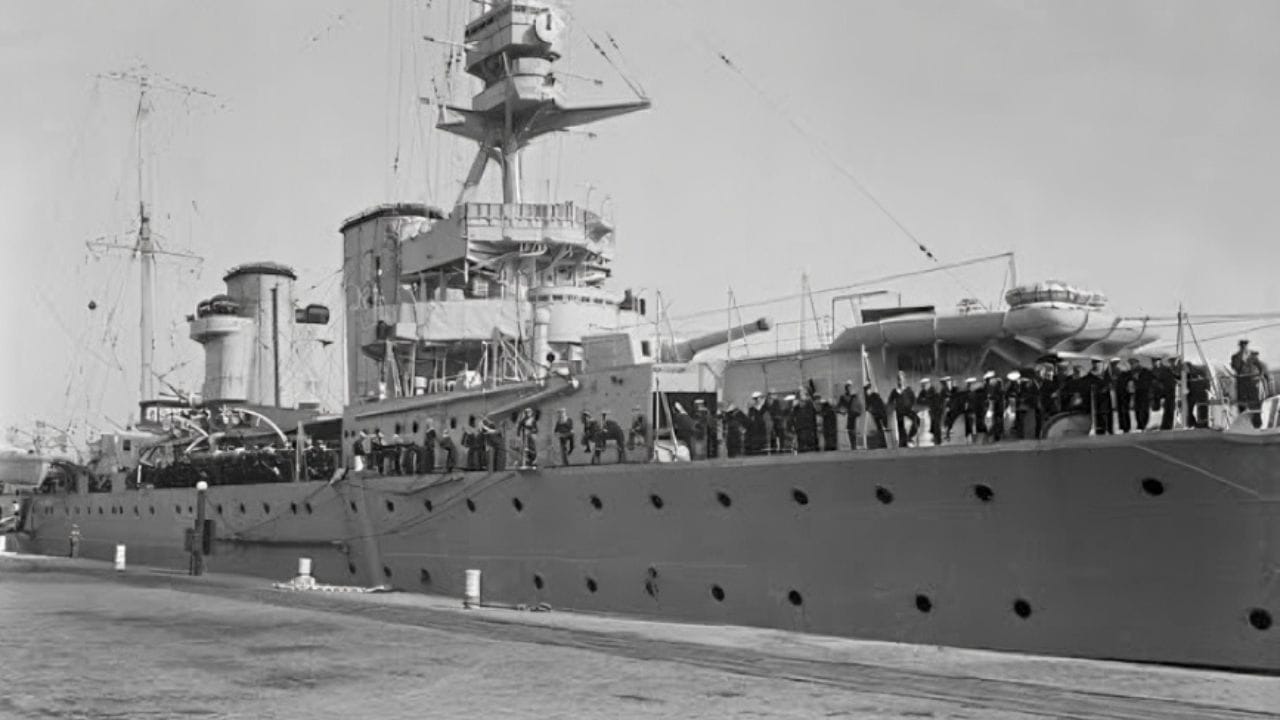
The HMS Raleigh, part of the Hawkins class, was launched in 1919 and represented an advancement in naval engineering, equipped with a battery of 190 mm guns and a structure designed for greater speed and combat capability. This cruiser, named in honor of Sir Walter Raleigh, had a short career in the Royal Navy, ending abruptly when it ran aground on the coast of Labrador in 1922. Despite the initial attempt to salvage it, the Raleigh was ultimately abandoned and destroyed in 1926, symbolizing a dramatic episode in British naval history.
London Naval Treaty
The London Naval Treaty of 1930 represented an international effort to limit the naval arms race, establishing restrictions on the size and armament of warships. This treaty, the successor to the Washington Naval Treaty, sought to balance power among great powers and prevent conflicts on a global scale. However, the pressures from the signatory nations and the geopolitical dynamics of the time led to challenges in the treaty’s implementation and compliance.
About the 1932 Naval Program of Brazil’s Navy
The Naval Program of 1932, under the government of Getúlio Vargas in Brazil, marked a period of renewal and nationalization of the shipbuilding industry. Focusing on modernization and autonomy, Brazil sought to revitalize its shipyards and shipbuilding capability. This program aimed not only to equip the Navy with new ships, but also to strengthen national infrastructure, highlighting the interaction between nationalist politics and military-industrial development. Although ambitious, the program faced challenges, such as dependence on imports, but laid the groundwork for future advancements in the Brazilian industry.