





 Portuguese
  English
  Spanish
  5 min of reading
  0 comments


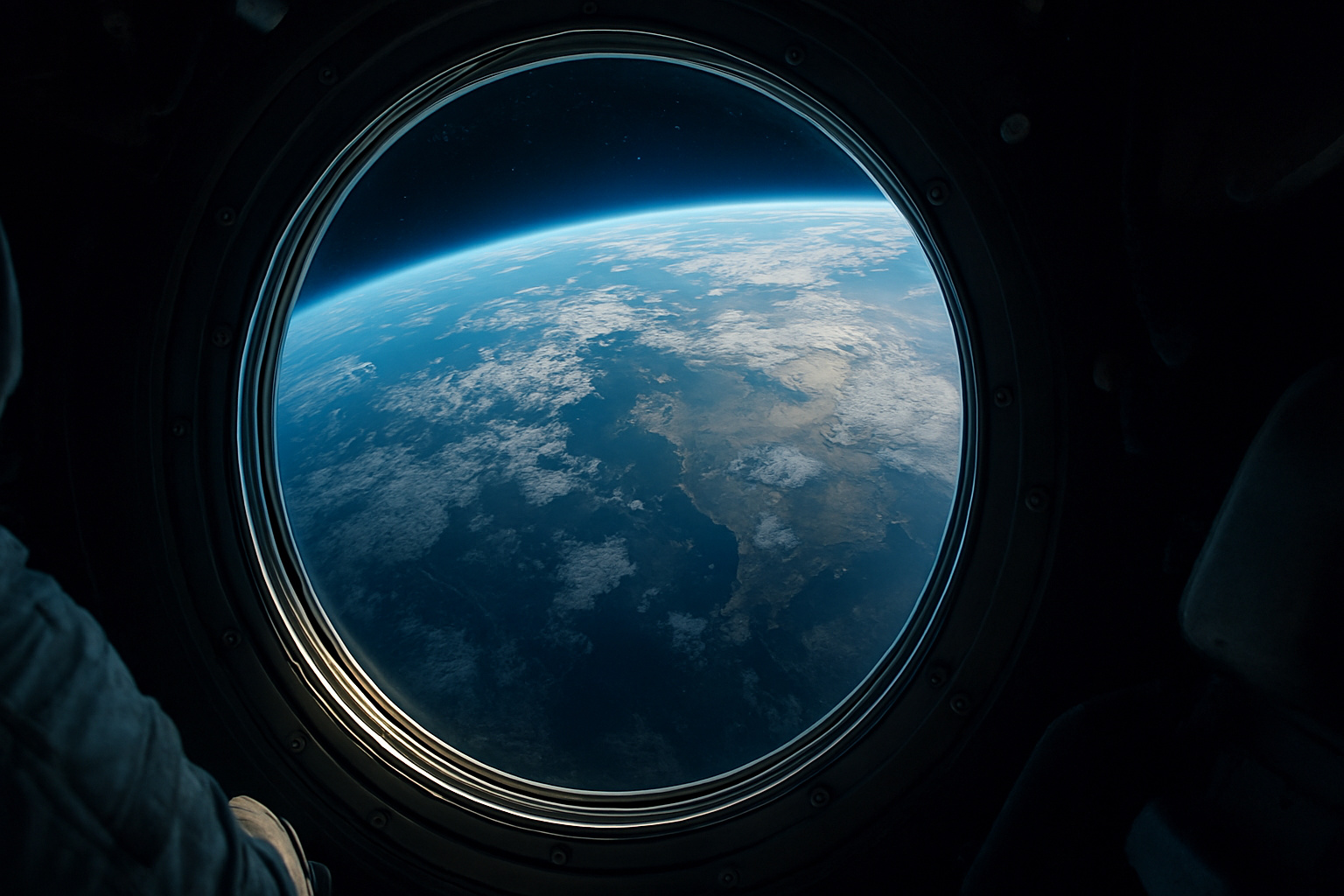
After Months on the International Space Station, Canadian Astronaut Surprises by Saying That “Up There, It Doesn’t Make Sense to Fight”, Describing Earth as a Planet Without Borders, Fragile and Indivisible.
The statement above is not rhetoric and did not come from a politician, philosopher, or activist. It came from an astronaut from the Canadian Space Agency (CSA), who spent months aboard the International Space Station (ISS), orbiting over 400 km above Earth at nearly 28,000 km/h. The phrase, recorded in interviews and public reports from CSA and NASA, repeats a pattern observed for decades: professionals trained to operate complex machinery, conduct science, and follow protocols return to Earth profoundly transformed after seeing the planet as a unique, fragile, and indivisible organism.
This psychological phenomenon has a name and scientific literature: “Overview Effect”. The term was coined in 1987 by writer Frank White and is now included in studies from MIT, NASA, and European universities. According to these materials, the view of the planet without political borders triggers a cognitive shift that combines global empathy, a sense of unity, and the perception that human conflicts are, at their core, absurdly small.
The View of Earth Without Borders and the Psychological Shock
From the ISS one does not see Brazil, the USA, Russia, Israel, Palestine, China, or any other division. One sees continents, clouds, oceans, and artificial light at night. Without maps, flags, or borders.
-
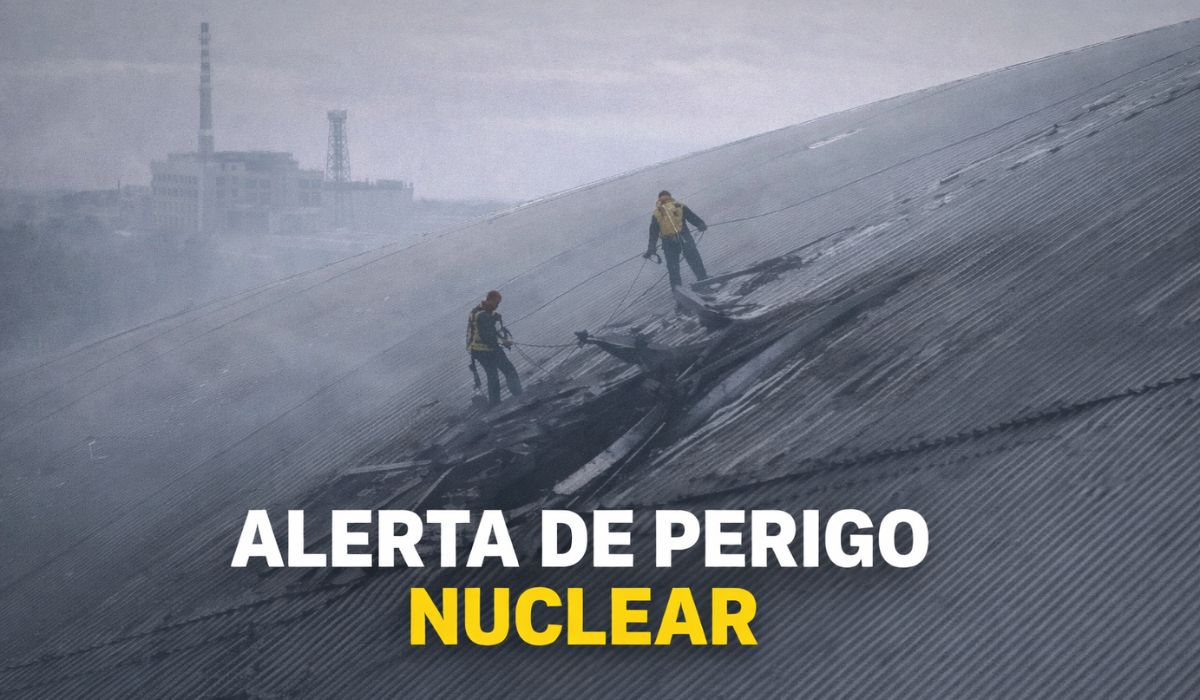
The gigantic steel shell built to contain Chernobyl for a century has been pierced by a drone, exposing a critical system and creating a hole that could cost over 500 million euros to repair.
-
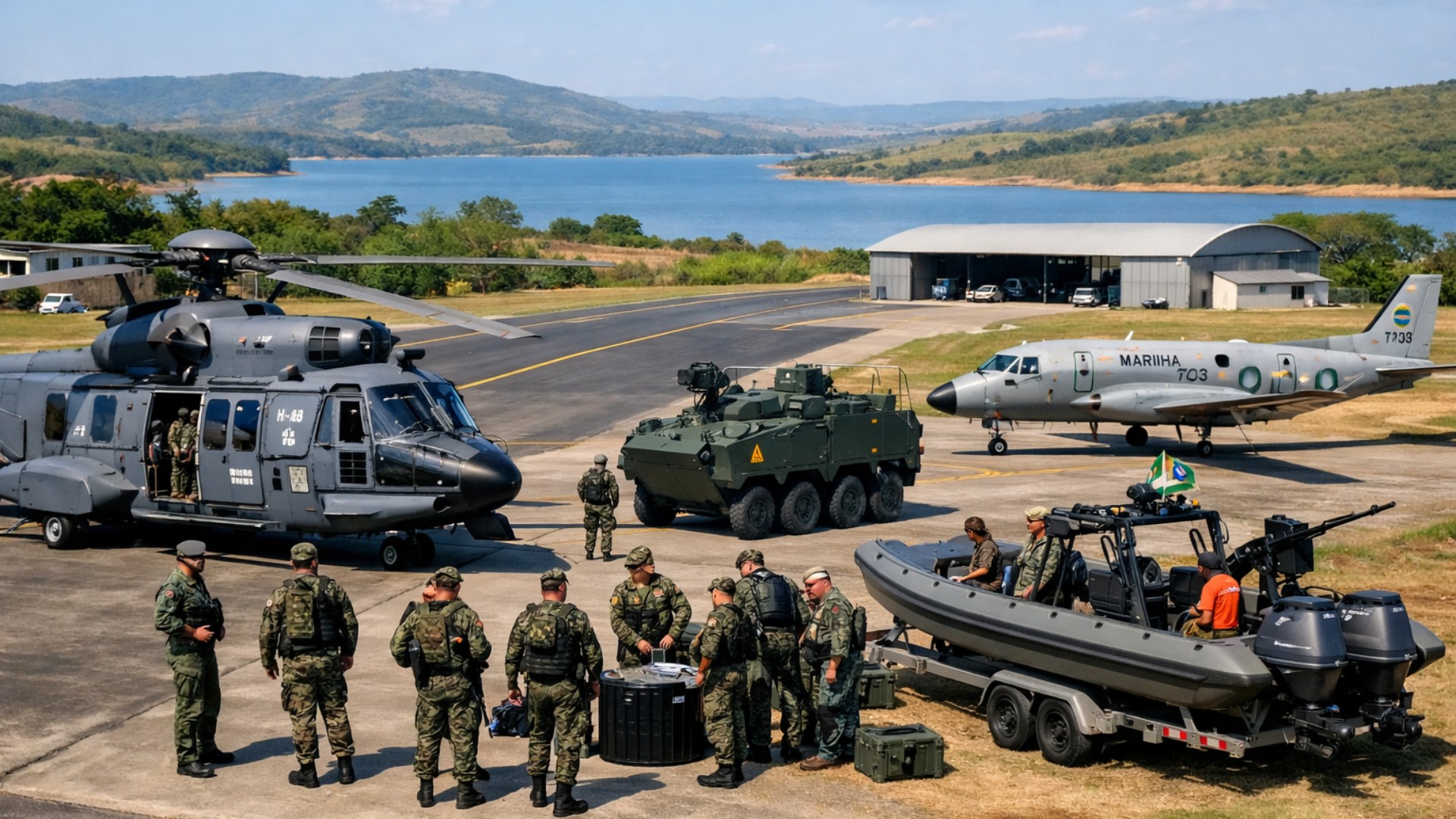
Brazilian Navy reaches a new level by taking over an airport with a 1,600-meter runway used by 1,800 military personnel and autonomous attack drone testing.
-
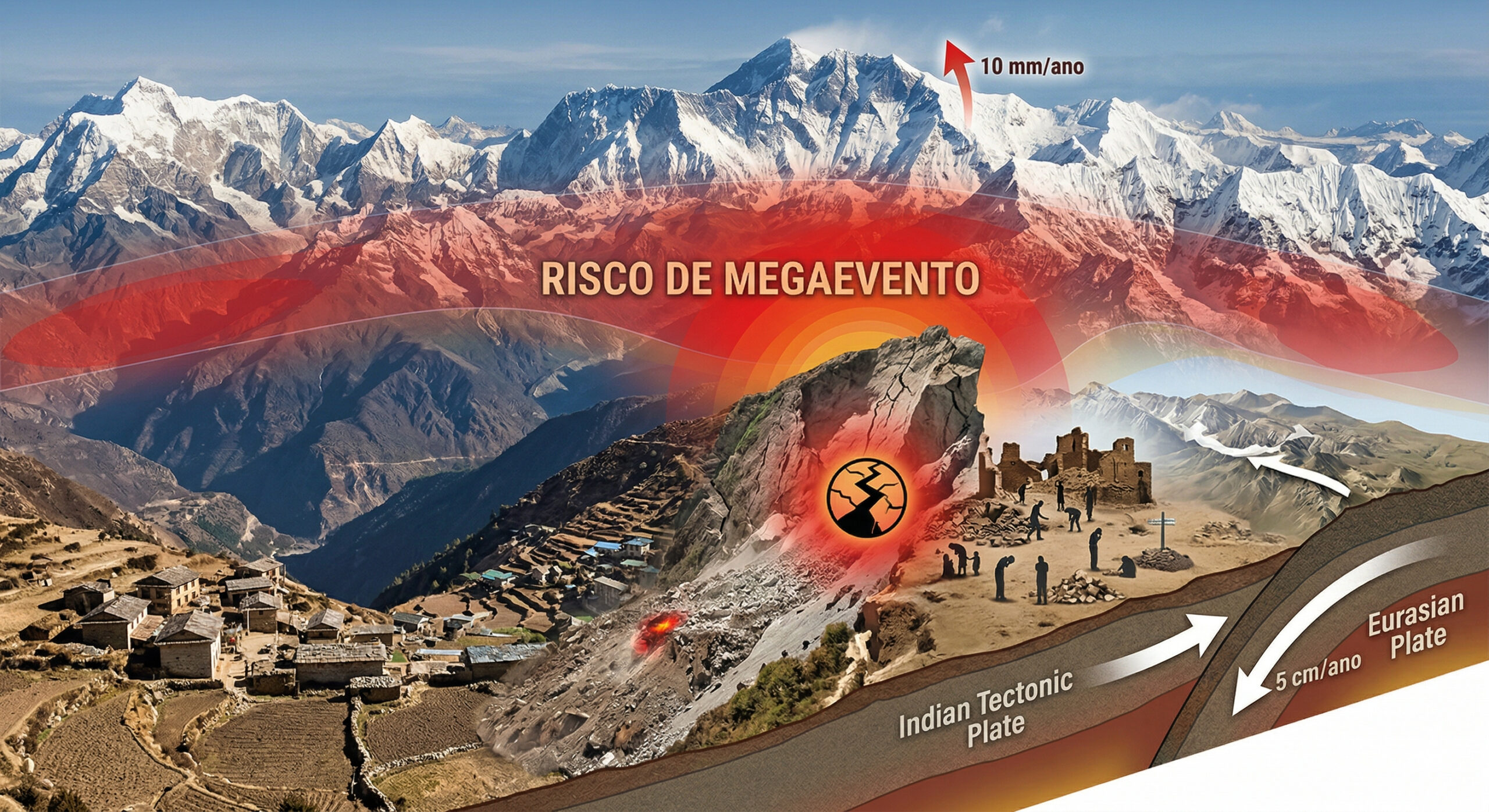
The Himalayas continue to grow to this day, with tectonic plates advancing 5 cm per year, mountains rising up to 10 mm annually, and the 2015 earthquake that killed 9,000 people may have increased the risk of an even larger seismic mega-event.
-
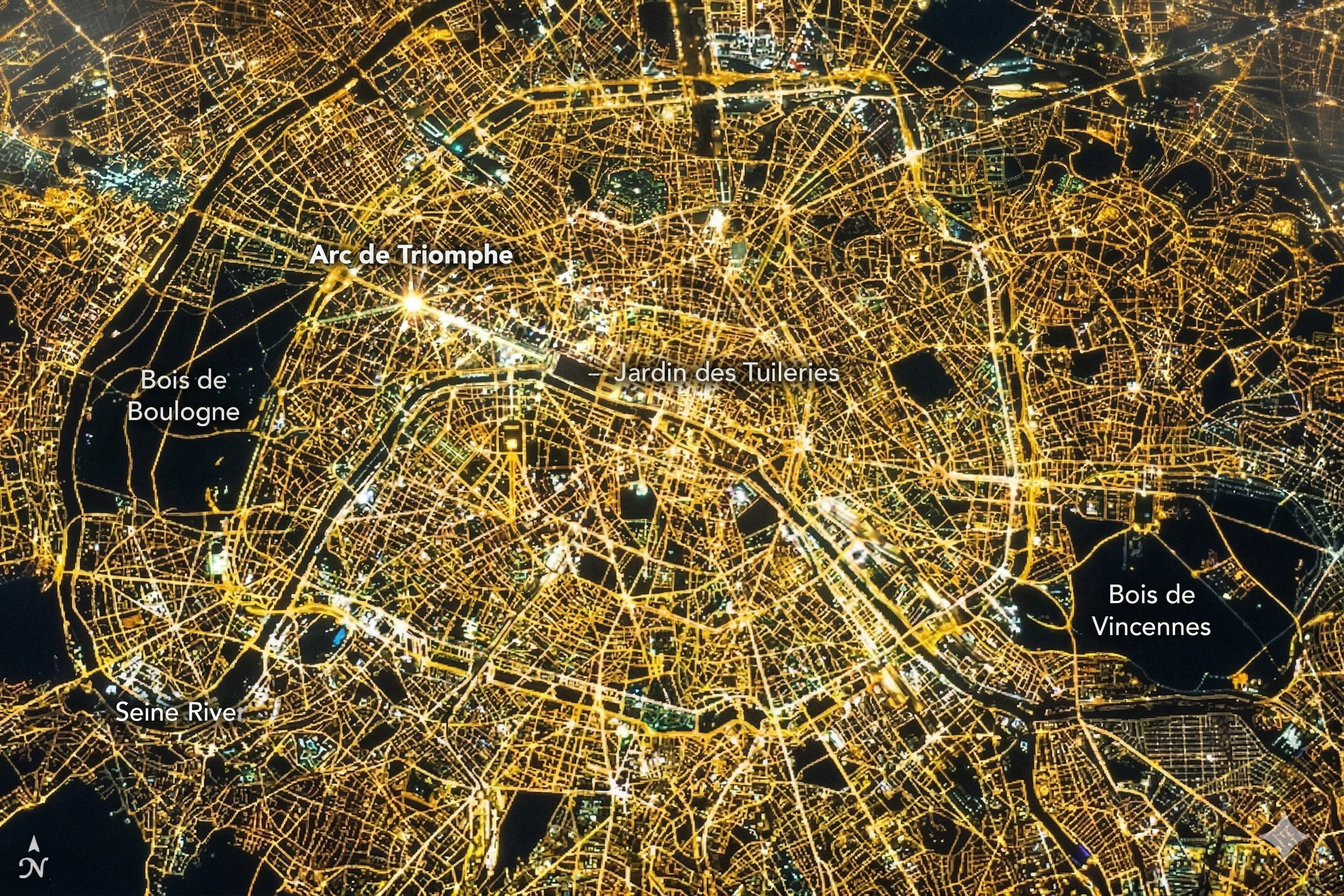
At an altitude of 400 km by astronauts from the International Space Station, Paris transforms at night into a golden mesh so precise that it reveals the outline of the Seine River, avenues, and entire neighborhoods like a luminous map drawn over the Earth.

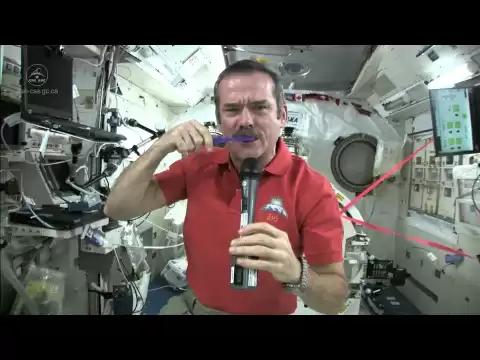
The Canadian astronaut Chris Hadfield, who inspired this content, reported in interviews that the lines dividing countries and peoples disappear entirely, but the damage, wildfires, pollution, storms, and climate impacts appear with alarming clarity.

The ESA (European Space Agency) has already described this visual shock as “a mixture of absolute beauty with silent anguish”.
NASA astronauts reported that the first time they saw the deforestation of the Amazon, the light source of the fires in Australia, or the dust storms in Africa was “emotionally devastating”, precisely because the spatial perspective shows scale, continuity, and connection—elements invisible on the ground.
Earth as a Living Organism and Extremely Fragile
The same statement from the Canadian astronaut continues to be cited in debates on geopolitics and the environment because it summarizes a central point: from up there, Earth does not look like a fragmented board, but an ecosystem.
The thin blue line of the atmosphere, which protects all known life in the universe, appears “like a tissue paper over a fragile sphere,” as NASA astronaut David Scott has stated.
This perception has a technical basis: the habitable atmosphere is about 20 km thick—comparable, proportionally, to the skin of an apple. Oceans function as thermal regulators, forests as filtration systems, and rivers as metabolic corridors. In the orbital view, all of this appears interconnected.
ISS astronauts have captured photos showing fires crossing national borders, storms traveling thousands of kilometers across different countries, and clouds of air pollution moving from East Asia to North America. Viewed from space, the phenomena do not respect politics, ideology, religion, or diplomacy.
Why Do Astronauts Return Different?
Space agencies and universities have been studying the “Overview Effect” not only out of psychological curiosity but because it changes behaviors.
The Canadian astronaut who made this title’s statement reported that after returning, he began to question the logic of conflicts, rigid borders, and material disputes, as none of this is visible from the orbital perspective.
Many other astronauts report similar phenomena:
- David Williams (Canada) described Earth as “a vulnerable home floating in cosmic void.”
- Chris Hadfield (Canada), commander of the ISS, stated that “it doesn’t make sense to fight over pieces of land when the entire planet is rare and alone in space.”
- Edgar Mitchell (Apollo 14) reported feeling “an immediate connection with all humanity.”
- And ESA astronaut Alexander Gerst described crying while photographing conflict zones because “up there, there are no sides, just people.”
These accounts are widely cited in documentaries, scientific reports, and books about the human space experience.
The Contrast Between Technology and the Fragility of the Planet
While astronauts witness this unified perspective, the ISS orbits over a planet plagued by wars, climate crises, territorial disputes, and geopolitical rivalries.
Paradoxically, the ISS itself—where Americans, Russians, Europeans, Canadians, and Japanese cooperate side by side—is one of the few places in the solar system where this union exists operationally.
The space station is a synthesis of humanity’s greatest paradox: we have enough technology to live and work in orbit, but we still fail to live harmoniously on the planet that sustains us.
Back to Earth: What Remains from the Experience
When the Canadian astronaut declared that “up there, it doesn’t make sense to fight,” he was not making poetry. He was describing a real cognitive shock caused by months of observing Earth from another perspective. What for us are immutable borders, for those in orbit are merely invisible lines that do not exist in physical reality.
The experience does not erase politics, but broadens the sense of scale:
For those in orbit, humans are a unique species on a rare blue dot in space.
For those on the ground, the species divides into dozens of nations competing for territory.
This is the fundamental contradiction that resonates among astronauts from Yuri Gagarin to the ISS.
Why Does This Statement Resonate So Much in 2026?
We are in 2026, and the planet remains pressured by conflicts, climatic instabilities, and geopolitical disputes.
The statement of the Canadian astronaut returns to the debate because it touches on something that is both scientific and philosophical: when viewed from space, Earth is not a map, it is a living organism.
Perhaps that is why astronauts return more concerned about the environment, scientific cooperation, and long-term policies. Because, unlike any other professional category, they truly see the planet as it is: a statistical miracle floating amidst cosmic silence.







-

-

6 pessoas reagiram a isso.