





 Portuguese
  English
  Spanish
  6 min of reading
  0 comments


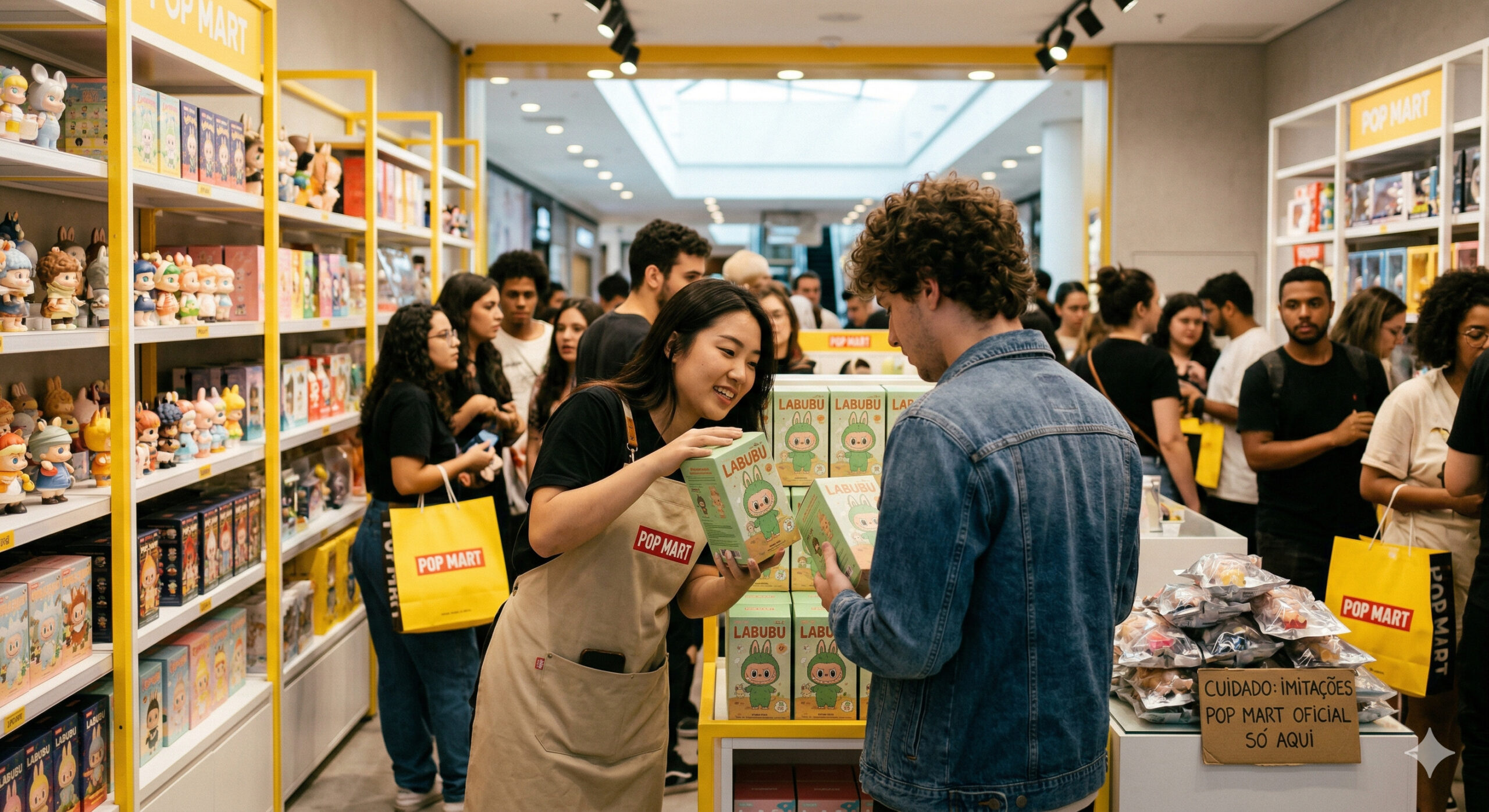
Labubu becomes a global fad, arrives in Brazil, and Pop Mart intensifies the fight against counterfeits dominating marketplaces and informal sales.
In 2025, the global collectibles market saw Labubu as one of its biggest commercial phenomena. Created by artist Kasing Lung within the The Monsters universe and turned into a global success by Pop Mart, the character became central to the company’s strategy, which established itself internationally with the blind box model. According to the 2025 annual report from Pop Mart, the THE MONSTERS line generated RMB 14.16 billion that year and accounted for 38.1% of the company’s total revenue, while Reuters highlighted that the toy became a global craze, with products sold out in stores around the world and strong momentum from pop culture and social media.
With the international expansion of Pop Mart, Brazil has firmly entered the company’s radar, a move formalized with the opening of a subsidiary in the country at the turn of 2025 to 2026. However, the surge in demand brought an immediate side effect: a proliferation of counterfeit versions and digital scams involving the character. Reports from O Tempo, A Gazeta, and CNN Brasil show that copies and frauds began circulating in marketplaces, fake Portuguese websites, and in informal trade, creating a competitive environment between the brand’s original products and unauthorized replicas.
Pop Mart establishes itself as a global giant and turns Labubu into a high-value commercial asset
Pop Mart is not just a toy manufacturer. The company has built a business model based on scarcity, exclusive design, and a collecting culture, transforming characters like Labubu into globally desired items.
-
India begins to count 1.4 billion people: the census is the most ambitious in the world, mobilizing 3 million enumerators in 640,000 villages and 9,700 cities, with an app and two phases until 2027.

-
Navios resume transit through Hormuz after ceasefire between Iran, the USA, and Israel: two bulk carriers cross safely, but hundreds remain held in the Persian Gulf, in a strategic corridor through which 20% of the world’s oil passes.

-
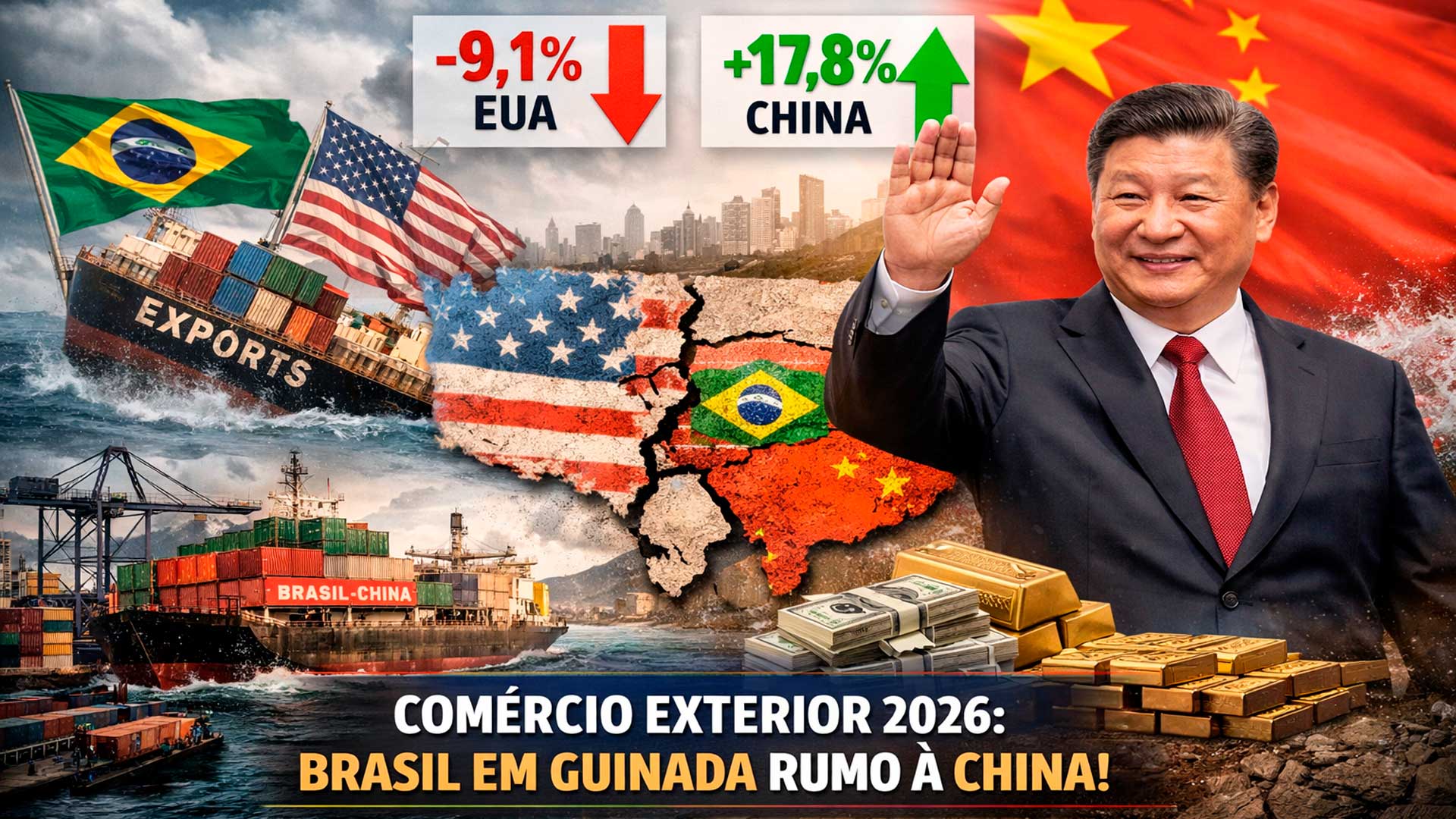
Brazil’s exports to the U.S. plunge for the eighth consecutive time, while China expands its leadership, and this is changing the landscape of foreign trade in 2026.
-
The Federal Government wants to curb family indebtedness and is considering releasing FGTS with a renegotiation that could cut up to 80% of debts for families and individual micro-entrepreneurs (MEIs).

The surprise box sales system, known as blind box, means that buyers do not know which version of the toy they are purchasing until they open the packaging. This factor increases demand for rare pieces and creates an active secondary market.


Labubu has come to represent a significant portion of the company’s revenue, solidifying itself as one of the main growth drivers for Pop Mart on the global stage. The success was so remarkable that it boosted the company’s valuation and expanded its international presence.
Accelerated growth attracts parallel market and expands presence of counterfeit products
With the popularization of Labubu, unofficial versions of the product quickly emerged. These copies began circulating in different countries, often at significantly lower prices and inferior quality.
These products, informally known as “Lafufu,” attempt to replicate the original design but show visible differences in finish, material, and packaging. The presence of these counterfeit versions intensified especially in digital environments, where oversight is more difficult and the reach is greater.
In Brazil, the phenomenon followed the same pattern observed in other markets. The growth in demand was accompanied by an increase in the supply of unlicensed products.
Company intensifies fight against piracy and has already filed lawsuits against illegal sales
Pop Mart has taken an active stance against the counterfeiting of its products. In markets such as the United States and Asia, the company has already filed lawsuits against distributors and retailers involved in selling fake toys.
In addition to legal actions, the company has also invested in brand protection mechanisms, including registering terms associated with pirate versions and developing authentication systems.
This movement demonstrates that the company views piracy as a direct threat to its business model, which heavily relies on the exclusivity and authenticity of its products.
Although there has not been widespread disclosure of specific lawsuits in Brazil so far, Pop Mart’s global pattern indicates that similar measures may be adopted as the local market grows.
Brazil enters the expansion route and becomes a new battleground between originals and copies
The Brazilian market presents characteristics that favor the rapid dissemination of viral products. High engagement on social media, combined with a culture of collectibles and the search for global trends, creates a conducive environment for the expansion of Labubu.
As a result, both original and counterfeit products began circulating more intensively. The initial absence of a structured official distribution contributed to the entry of informal sellers and parallel importers, increasing the presence of unlicensed versions.
This scenario places Brazil in a position similar to that of other countries that have faced rapid market growth accompanied by an increase in piracy.
Differences between original and fake become central element in consumer experience
The distinction between a genuine Labubu and a counterfeit version has become one of the main points of attention for consumers. Pop Mart and industry experts highlight technical criteria that help identify authentic products.
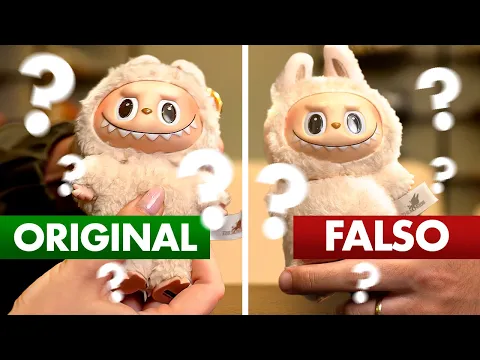
Among the main indicators are the quality of the finish, the presence of official elements on the packaging, verification codes, and accuracy in design details. Counterfeit products often show visual flaws and lower quality materials, which can compromise the buyer’s experience.
This differentiation becomes even more relevant in a market where the product’s value is directly linked to authenticity and resale potential.
Secondary market transforms toys into investment items and expands global interest
The success of Labubu is also associated with the growth of an active secondary market. Rare pieces or limited editions can be resold for significantly higher prices than the original, creating an environment similar to traditional collectibles.
This phenomenon increases the interest of buyers who see the toys not only as entertainment items but also as valuable assets. The potential for appreciation contributes to increasing demand and intensifies competition for authentic products.
At the same time, this scenario further encourages the production of counterfeits, which attempt to capture part of this market value.
Pop Mart’s strategy combines pop culture, scarcity, and exclusive design
The consolidation of Labubu as a global phenomenon is directly linked to the strategy adopted by Pop Mart. The company invests in differentiated design, collaborations with artists, and the creation of narratives around its characters.
Controlled scarcity, combined with frequent releases, keeps public interest alive and encourages repeat purchases. This model transforms each launch into an event, increasing engagement and strengthening the brand.
International expansion follows this same logic, adapting strategies for different markets and exploring local trends.
Global growth pressures companies to protect intellectual property more stringently
The case of Labubu illustrates a broader movement in the global consumer market. As products become viral and gain international scale, the protection of intellectual property becomes a central element for companies.
Lawsuits, trademark registrations, and authentication systems become essential tools to preserve value and reputation. The ability to combat counterfeiting becomes an integral part of the growth strategy, especially in digital markets.
Expansion of Labubu shows how cultural products can become economic phenomena
The success of Labubu demonstrates how products linked to pop culture can transcend their original role and transform into global economic phenomena. The toy has ceased to be just a collectible item and has come to represent a complex chain of production, distribution, and consumption.
This type of product connects design, marketing, consumer behavior, and international trade, creating new market dynamics. The expansion into countries like Brazil reinforces the global reach of these trends and their capacity to generate significant economic impact.
Would you buy an original Labubu or risk a cheaper version?
Leave your opinion in the comments and tell us if the phenomenon of collectibles like Labubu is here to stay or if it is just another passing trend in the global market.







Seja o primeiro a reagir!