





 Portuguese
  English
  Spanish
  4 min of reading
  210 comments





Lack of Engineers in Brazil Threatens Crucial Sectors Like Infrastructure and Technology. With Increasing School Dropout Rates and Outdated Curricula, the Country Needs Urgent Solutions, Ranging from Investments in Basic Education to Reforms in Higher Education.
Engineering, traditionally associated with progress and innovation, faces a troubling challenge in Brazil.
Despite being one of the most strategic areas for the country’s development, the shortage of professionals threatens to hinder the advancement of crucial sectors such as infrastructure and technology.
The scenario is alarming: there is a shortage of 75,000 engineers to meet market demands, exposing a deficit that is both educational and structural.
-
China alone accounts for 70% of trade within the BRICS, while Brazil establishes itself as an essential supplier of food and minerals: understand how the group, which already represents nearly 40% of the world’s GDP, is changing the game.

-
Starting in May, those who do not have registered biometrics will not be able to apply for Bolsa Família, sickness benefits, or unemployment insurance: understand the new rule that changes access to benefits for millions of Brazilians.

-
A new law being voted on in Brazil proposes a minimum fare of R$ 10 per trip and R$ 2.50 per kilometer for Uber and 99 drivers, and promises to ensure they earn as well as taxi drivers did during the golden age of taxis in the country.

-
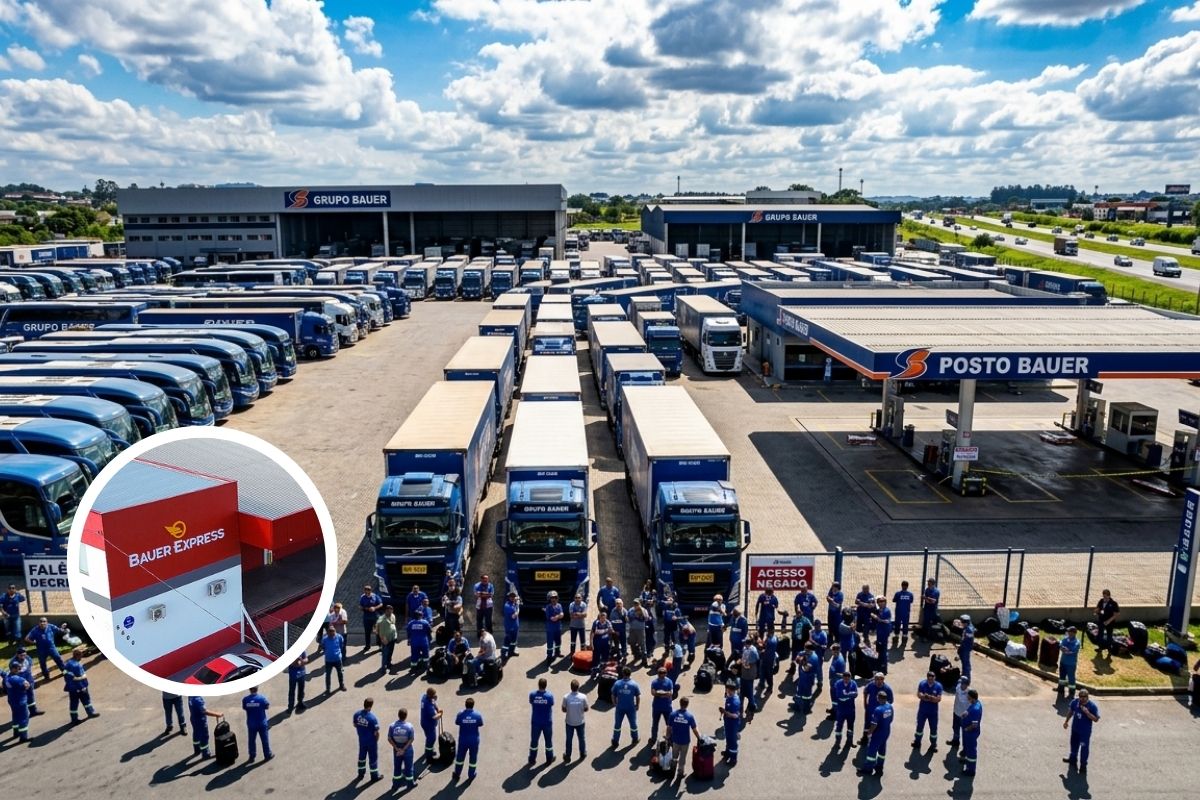
Bauer Group collapses after failed judicial recovery: 25 years, 800 vehicles, and a network of gas stations leave a debt of R$ 50 million and 100 layoffs, exposing costs, tight margins, and expensive credit in Brazil.
According to data from the National Confederation of Industry (CNI), the training of engineers in Brazil does not keep pace with the growing needs of the market.
School dropout rates, outdated curricula, and lack of investment in basic education and infrastructure have created a bottleneck that is hard to overcome.
This panorama reflects problems that have spanned decades and that, if not urgently addressed, could compromise the country’s future.
Insufficient Training and International Comparisons
Brazil produces about 40,000 engineers a year, a number that seems insignificant when compared to other emerging nations.
China and Russia, also members of the BRICS, produce more than 450,000 professionals annually. This discrepancy highlights Brazil’s lag in a sector essential for global competitiveness.
Between 2014 and 2021, approximately 150,000 students dropped out of engineering courses in Brazil, according to the Federal Council of Engineering and Agronomy (Confea).
This dropout issue results from factors such as the economic crisis and low employability prospects.
According to Marcos Gabriel Oliveira de Souza, a mechatronics engineering student at UnB, “working as an engineer requires determination and, often, family connections that facilitate access to the job market.”
Deficiencies in Basic Education and Disinterest in the Field
The problem begins long before entering higher education.
The poor quality of basic education in mathematics and exact sciences hinders the creation of a solid foundation for future engineers. Experts, such as Michelly de Souza from the Inaciana Pe.
Saboia de Medeiros (FEI), advocate the need to stimulate interest in exact sciences from an early age.
According to her, “interest needs to be sparked in a playful manner, showing how to solve real problems.”
Initiatives like those promoted by the Company-School Integration Center (CIEE) aim to reduce this disinterest by offering internships and partnerships with renowned institutions.
Mônica Vargas, superintendent of CIEE, emphasizes that these efforts are essential but still insufficient to overcome the aversion to mathematics or the lack of awareness about engineering possibilities.
Outdated Curricula and University Dropout
Another significant hurdle lies in the curricula of engineering courses, considered outdated by students and experts.
The curricula, often focused on experimental subjects without practical application, do not reflect the market reality.
“We have many subjects that do not contribute to the practice of the profession,” criticizes Marcos Gabriel from UnB.
Michelly de Souza suggests an urgent reform, emphasizing the inclusion of practical experiences and projects connected to the market. Additionally, more welcoming university environments, with modern laboratories and active methodologies, could reduce dropout rates, especially in the first semesters.
Impacts of the Lack of Engineers in Brazil
The shortage of engineers is already impacting fundamental sectors.
The expansion of infrastructure, technological development, and even the execution of large projects face delays and additional costs due to the absence of qualified professionals.
As reported by the Correio Braziliense, areas such as transportation and energy face significant challenges, while multinational companies and government agencies offer the only attractive opportunities for these professionals.
Marcos Gabriel points out that many companies do not even meet the minimum salary for the category, estimated at R$ 7,000 in the Federal District.
This further discourages young people from pursuing the profession, increasing the cycle of difficulties faced by the sector.
Possible Solutions for a Sustainable Future
Although the scenario is challenging, there are possible paths to reverse the crisis.
Investing in basic education, promoting curricular reforms, and expanding access to internships are essential steps to make engineering more attractive.
Moreover, communicating to society the importance of engineering in solving real problems can help attract new talent.
As Michelly concludes, “engineering plays a fundamental role in building a fairer and more sustainable future, with clean technologies and solutions to optimize resources.”
But is Brazil prepared to face this challenge and value its engineers?
And you? Do you believe Brazil can overcome this deficit and place engineering in the prominent position it deserves? Share your opinion in the comments!









Nenhum dos pontos apontados é realmente o problema . O sistema governamental brasileiro é perdulário, investe recursos extraordinários para sustentar áreas como advocacia e saúde e não se preocupa com um projeto de desenvolvimento da nação . É muito dinheiro jogado fora apenas para sustentar interesses pessoais e eleitoreiros .
Esse escritorzinho medíocre só podia mesmo ter tirado essa publicação RIDÍCULA do fundo da própria imaginação podre, enquanto estava sentado no trono do seu fracasso. Um festival de baboseiras lançado na véspera de um ano que termina sendo tão insuportável quanto a sua escrita!
E essa realidade não fica muito atrás. A indústria continua um show de desrespeito! Contratam Engenheiros(as) como Auxiliares de Engenharia e têm a audácia de justificar isso com a desculpa esfarrapada da falta de experiência. É um festival de burlas: pejotização, salários indignos, e uma total desvalorização de quem estudou e se dedicou à profissão.
Pois eu, como profissional formado, aprendi algo importante: não vou gastar nem mais um pingo da minha energia com esses absurdos. Para esses tipos de contratações, digo apenas uma coisa: ME RECUSO!
Não acredito! Que notícia MENTIROSA! Muitos engenheiros recém formados ou com muita experiência estão desempregados no Brasil, ou os que conseguem colocação, trabalham feito feito mula sem receber se quer o piso salarial, as vezes é contratado como analista para trabalhar como engenheiro e não reivindicar o piso…. até para conseguir estágio está difícil! Aí vem essa notícia justificar com qualidade de ensino e evasão ( kkkkk ). A engenharia se aprende na prática, mas para consolidar precisamos do ensino teórico também! O que temos é mercado de trabalho fraco, com muitos altos e baixos e ultimamente, só com baixos….