





 English
  Francês
  Alemão
  Italiano
  Japonês
  Norueguês
  Portuguese
  Spanish
  5 min of reading
  0 comments



Discover How the Guidelines for the Solar Energy Sector Can Transform Brazil’s Energy Future with Innovation, Sustainability, and Social Inclusion.
Brazil is experiencing a decisive moment in its energy trajectory. The national launch of guidelines for the solar energy sector, scheduled for this Friday, represents a historic milestone. The country, which already stands out globally for its use of renewable sources, now reinforces its commitment to expand access to clean and sustainable energy.
The guidelines emerge in a context of global transformations in energy consumption and generation. Since the 1970s, when the world faced oil crises, the debate on diversification of sources gained relevance. In Brazil, solar energy has shifted from a distant promise to a rapidly expanding reality.
Moreover, the document emphasizes the need for energy expansion to follow ethical and socio-environmental standards. This means that investments in solar energy must respect the rights of communities, preserve ecosystems, and promote balanced regional development.
-
Roraima bets on the sun to escape high tariffs: Amid the energy crisis and price hikes, solar energy is growing in Roraima and transforming consumption in the North region.

-
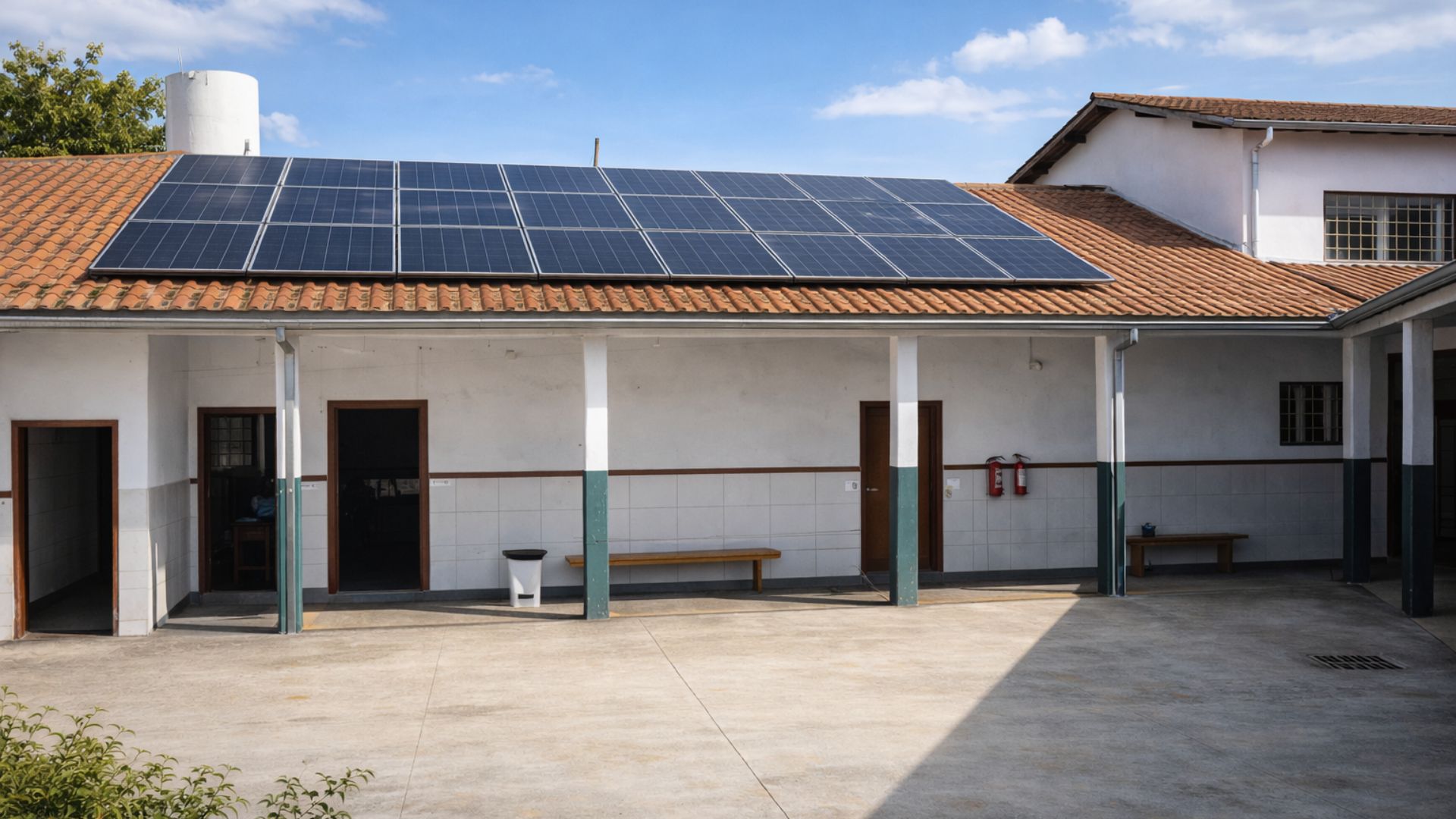
Copel boosts solar energy in Paraná and brings innovation to public schools, promoting savings on electricity bills, energy efficiency, and a direct impact on the quality of education.
-
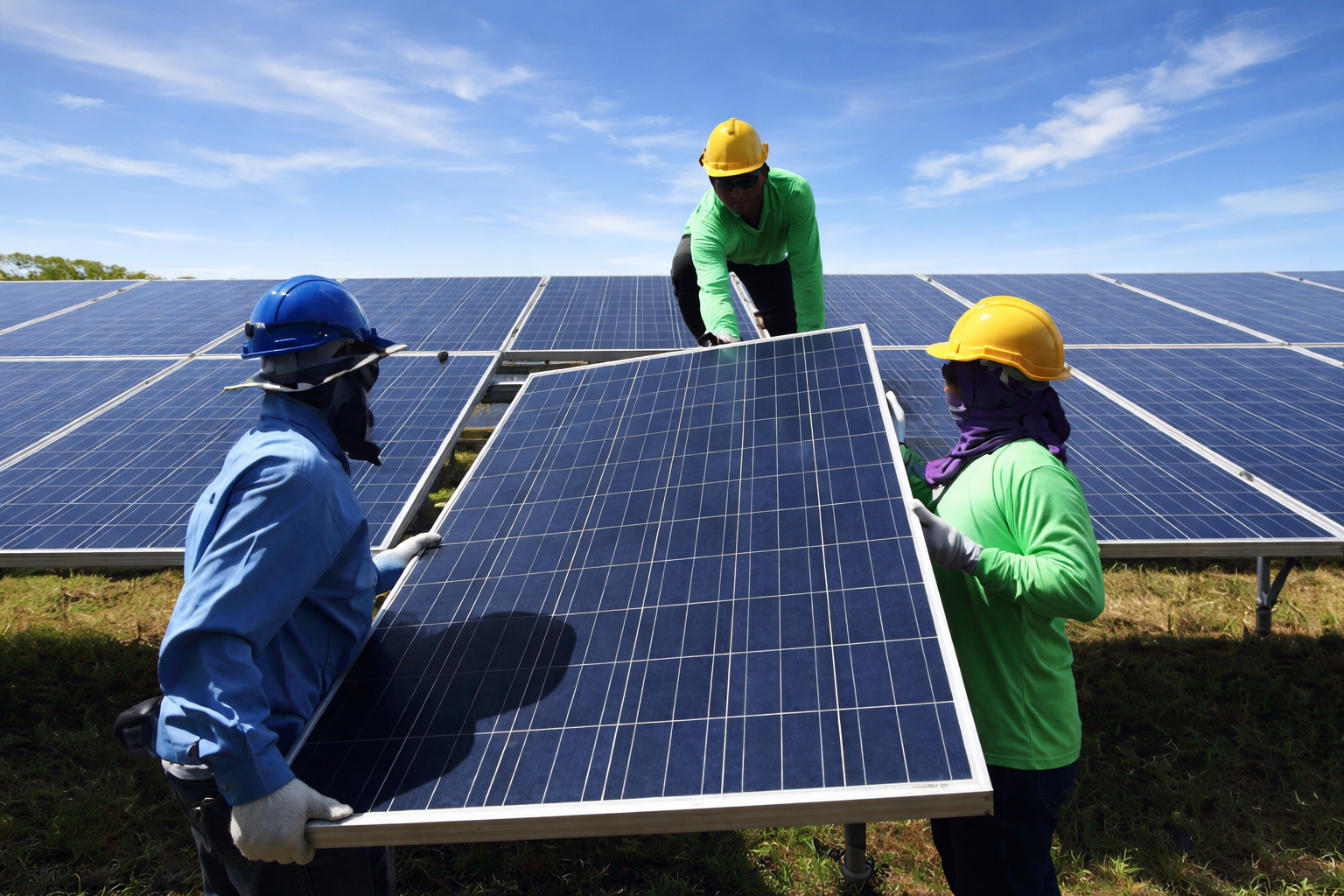
Brazil reaches historic milestone in solar energy: Sector surpasses 2 million accumulated green jobs and generates billions in the national economy even under market pressure.
-
Minas Gerais takes the lead in renewable energy: State surpasses historic mark of 14 GW in solar energy generation in MG and consolidates dominance in the Brazilian electric sector.


The Historical Context of Solar Energy in Brazil
The development of solar energy in the country began timidly in the 1990s, with specific initiatives mainly aimed at isolated areas. However, starting in 2012, with the regulation of distributed generation by the National Electric Energy Agency (ANEEL), the sector took a leap forward. This measure allowed consumers to install solar panels in their homes and businesses, injecting excess energy into the electrical grid.
This advancement democratized access and stimulated investments in technology and training. Currently, Brazil ranks among the ten largest solar markets in the world. Therefore, the new guidelines arrive at a time when solar energy already plays a relevant role, yet still has enormous growth potential.
The central objective of the guidelines is to establish clear goals to increase the share of solar energy in Brazil’s electrical matrix. Furthermore, they aim to ensure regulatory security for investors and promote social inclusion through accessible energy. This strategic approach seeks not only to expand generation capacity but also to strengthen local supply chains and stimulate research that leads to more efficient technologies.
Benefits of Solar Energy and the New Guidelines
Among the main benefits of solar energy are reducing greenhouse gas emissions and diminishing dependence on fossil sources. Additionally, solar energy contributes to diversifying the matrix, making the system more resilient to water crises and oil price fluctuations.
The launched guidelines also encourage research and development programs. In this way, they strengthen the national equipment industry, stimulate job creation, and promote technological innovation. Another highlight is the creation of energy inclusion mechanisms, which favor the installation of solar systems in low-income communities.
This social aspect is crucial, as access to energy directly impacts quality of life. With cheaper and more sustainable energy, families can reduce expenses, invest in education, and improve health and well-being conditions. Moreover, communities gain greater autonomy, which helps strengthen the local economy and create new income opportunities.
Another important point is that the guidelines establish environmental sustainability criteria for projects. They recommend constant monitoring of impacts on soil, vegetation, and water resources, as well as socio-environmental remediation measures whenever necessary.
The Importance of Regulatory Security
The consolidation of solar energy depends on clear and stable rules. Therefore, the new guidelines prioritize regulatory security as an essential factor to attract investors. By ensuring predictability, Brazil becomes more competitive in the global energy transition landscape.
Moreover, regulatory stability provides confidence for consumers and companies wishing to invest in self-generation. This creates a virtuous cycle where increased investments lead to sector expansion, more jobs, and greater technological development.
Another relevant aspect of the guidelines is the concern with the integration of solar energy into the national electrical system. The expansion of this source requires investments in infrastructure, especially in transmission and storage. Thus, planning aims to avoid bottlenecks that could limit sector growth.
Additionally, the guidelines encourage incentive policies that promote public-private partnerships, which are essential for responsibly enabling large projects. This includes training local technicians and developing ongoing training programs.
Innovation and Sustainability as Drivers of the Future
Solar energy symbolizes innovation, as it combines cutting-edge technology with environmental preservation. Photovoltaic panels, inverters, and batteries are constantly evolving. Moreover, new storage solutions allow for better utilization of generated energy.
In terms of sustainability, the sector helps to reduce environmental impacts from electrical generation. Unlike large hydropower plants, which cause significant changes to ecosystems, or fossil fuel thermal plants, solar energy has a low environmental impact during its operation.
The guidelines, by promoting technological advancement, expand these benefits. They also seek to integrate solar energy with other renewable sources, such as wind and biogas, creating a more efficient and balanced system.
Furthermore, the recommendations reinforce the need for transparency in project execution, with active participation from communities. This ensures that local impacts are monitored and mitigated, promoting a fair and responsible expansion.
Solar Energy as an Instrument for Regional Development
Another important point of the guidelines is the stimulus to regional development. Brazil has vast areas with high solar radiation potential, especially in the Northeast. Thus, large-scale projects can transform regions historically marked by inequalities into centers of sustainable growth.
These projects attract companies, generate local jobs, and invigorate supply chains, from equipment manufacturing to installation and maintenance services. Additionally, they strengthen municipal and state revenue, creating new opportunities for communities.
With the expansion of solar energy, small rural producers also find alternatives to reduce costs and increase competitiveness. In this way, the sector contributes not only to energy security but also to social justice and economic inclusion.
Furthermore, the guidelines encourage the adoption of agrovoltaic models, which combine agriculture and solar energy in the same area, promoting efficient land use and simultaneous environmental and social benefits.
Perspectives for the Future of Solar Energy in Brazil
The future of solar energy in Brazil is promising. The launched guidelines indicate a path of sustainable expansion, technological innovation, and social inclusion. The country, with its abundant natural resources, has all the conditions to become a global leader in solar energy.
The global energy transition calls for cleaner solutions, and Brazil can seize this opportunity to stand out. Furthermore, the pursuit of affordable and reliable energy reinforces the importance of consistent public policies.
By aligning economic growth with sustainability, the guidelines for the solar energy sector represent a decisive step. More than an energy policy, they symbolize a vision for the future. A future where energy not only illuminates homes but also transforms lives and fosters development.











Seja o primeiro a reagir!