





 Portuguese
  English
  Spanish
  4 min of reading
  0 comments


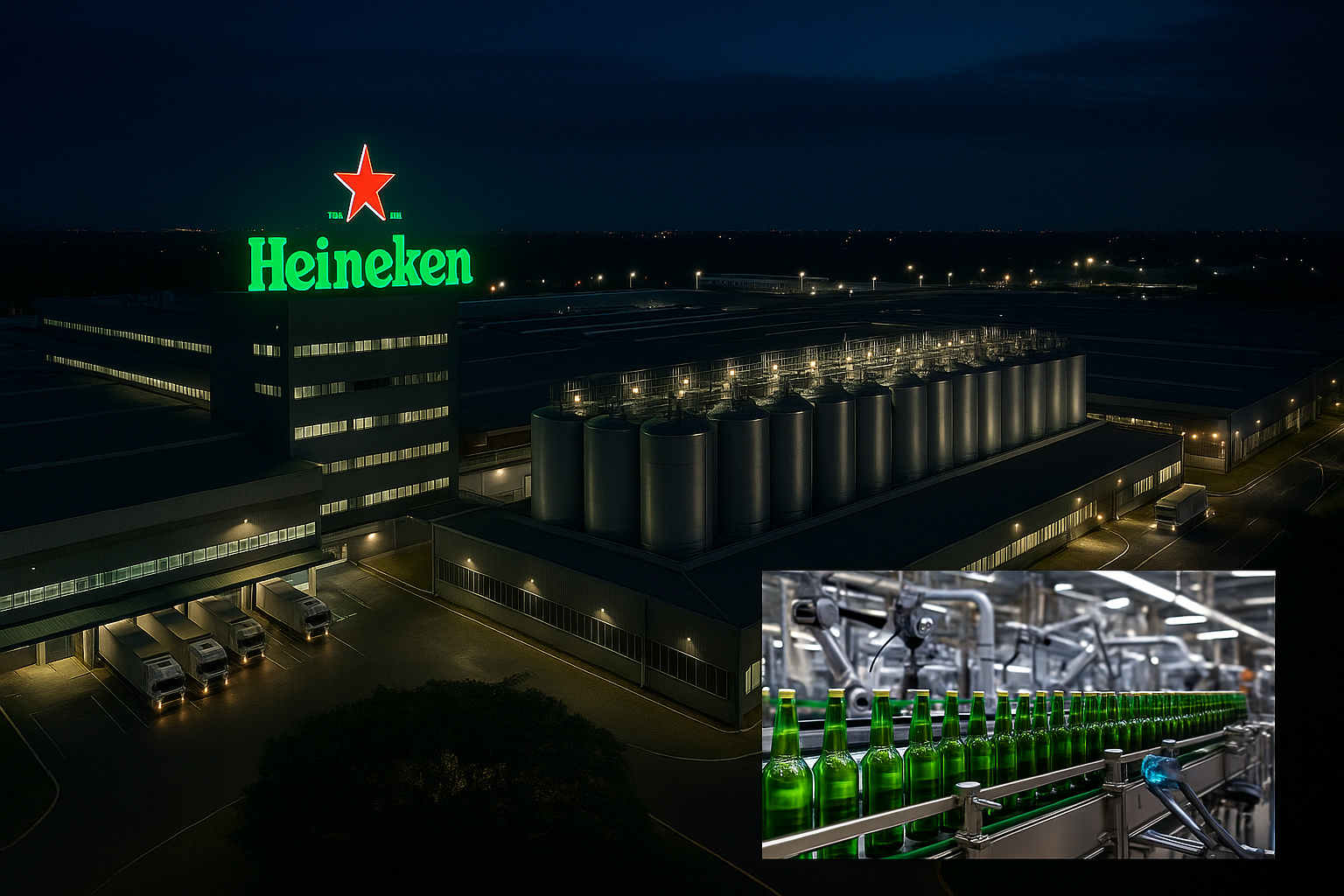
The Heineken Facility in Ponta Grossa (PR) Received R$ 1.5 Billion in Investments, Uses Renewable Energy, Generates Thousands of Jobs, and Became a National Reference in Sustainable Brewing Production.
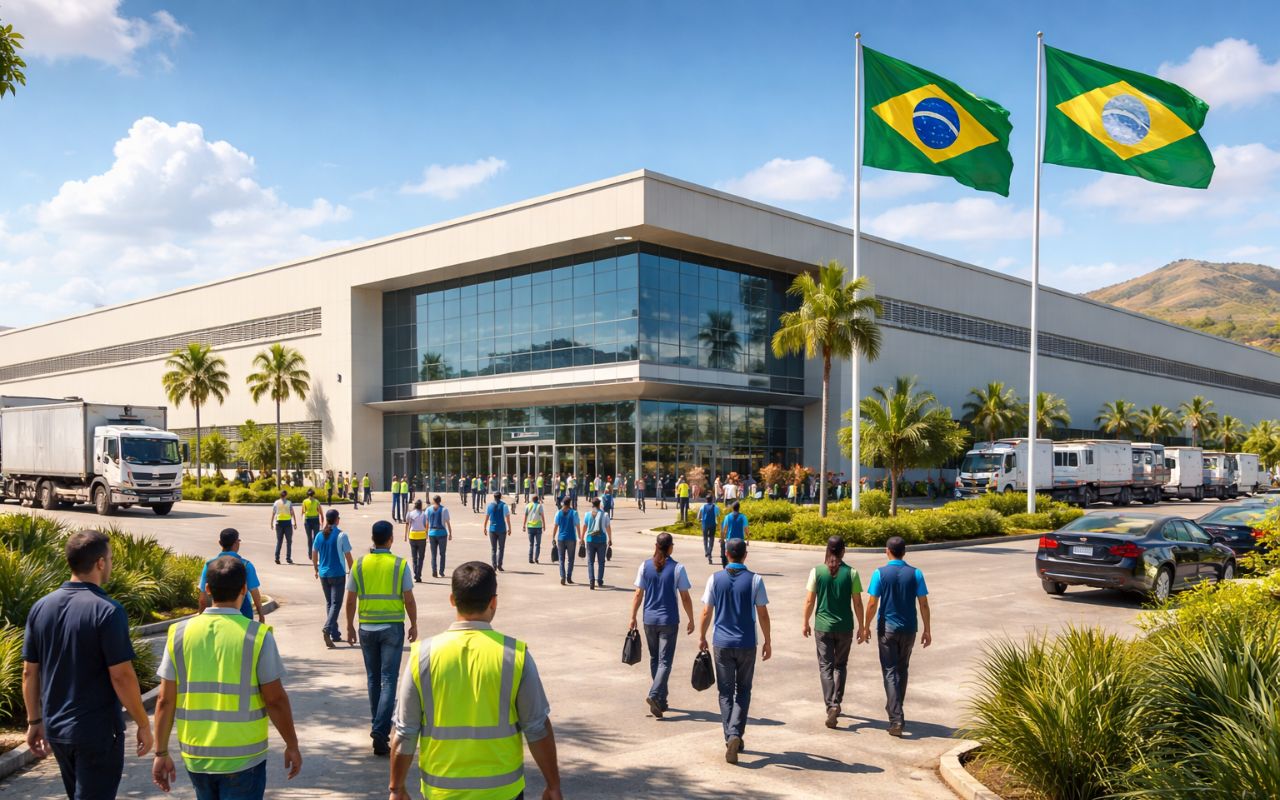
Located in Ponta Grossa, in the Campos Gerais region of Paraná, the largest Heineken brewery in Brazil represents one of the pillars of the brand’s global strategy outside of Europe. The complex, covering an area of 1.2 million square meters, underwent a comprehensive expansion completed in 2024 and has established itself as the main production unit of the company in Latin America, according to the Paraná government.
With an investment exceeding R$ 1.5 billion, the plant expanded its annual production capacity to over 8 million hectoliters — enough volume to supply hundreds of millions of consumers. The project turned Ponta Grossa into a strategic industrial hub, strengthening the production chain and generating thousands of direct and indirect jobs.
The unit has also become a reference in innovation and sustainability by adopting water reuse technologies, renewable energy, and green logistics.
-
With 74% of companies facing difficulties in hiring, technicians and engineers in renewable energy are becoming scarce in Brazil and are essential to support the expansion of solar, wind, and green hydrogen projects.

-
Historic bankruptcy of Centauro shocks the market, and the century-old company puts more than 500,000 products, machines, and complete infrastructure up for online auction.

-
New shoe factory in Ceará is expected to create 400 jobs and strengthen the local economy.
-
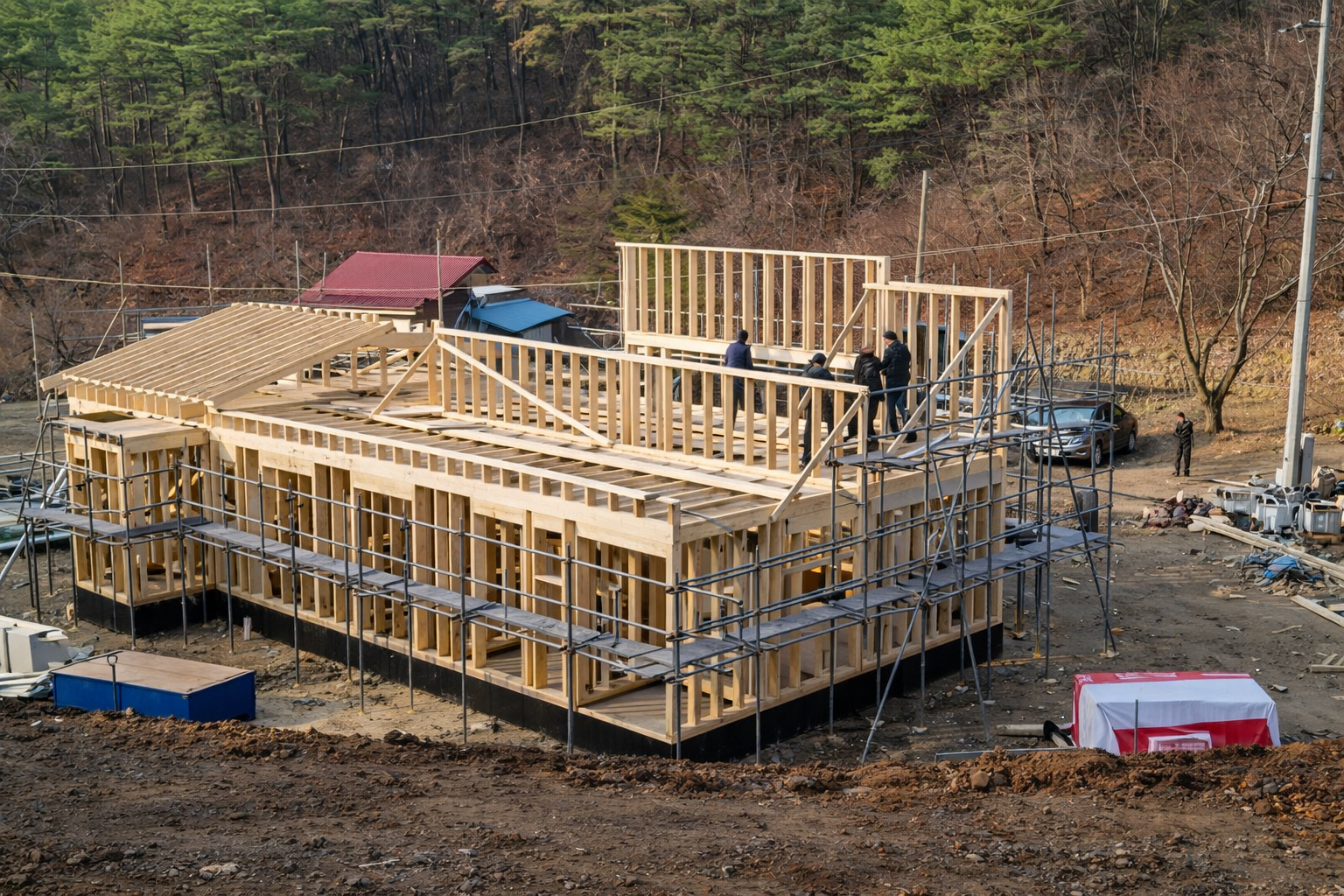
No one imagined it, but a mixture of sawdust with a mineral that fights fires surprises scientists with a result that changes the course of fire-resistant construction.

History: From Regional Brewery to Global Giant
The history of the Paraná factory began long before Heineken became the owner.
The plant was originally inaugurated in 2011, still under the management of Brasil Kirin, formerly Schincariol.
With the acquisition of Brasil Kirin by Heineken in 2017, the Dutch group took over operations and initiated an aggressive modernization and expansion plan.
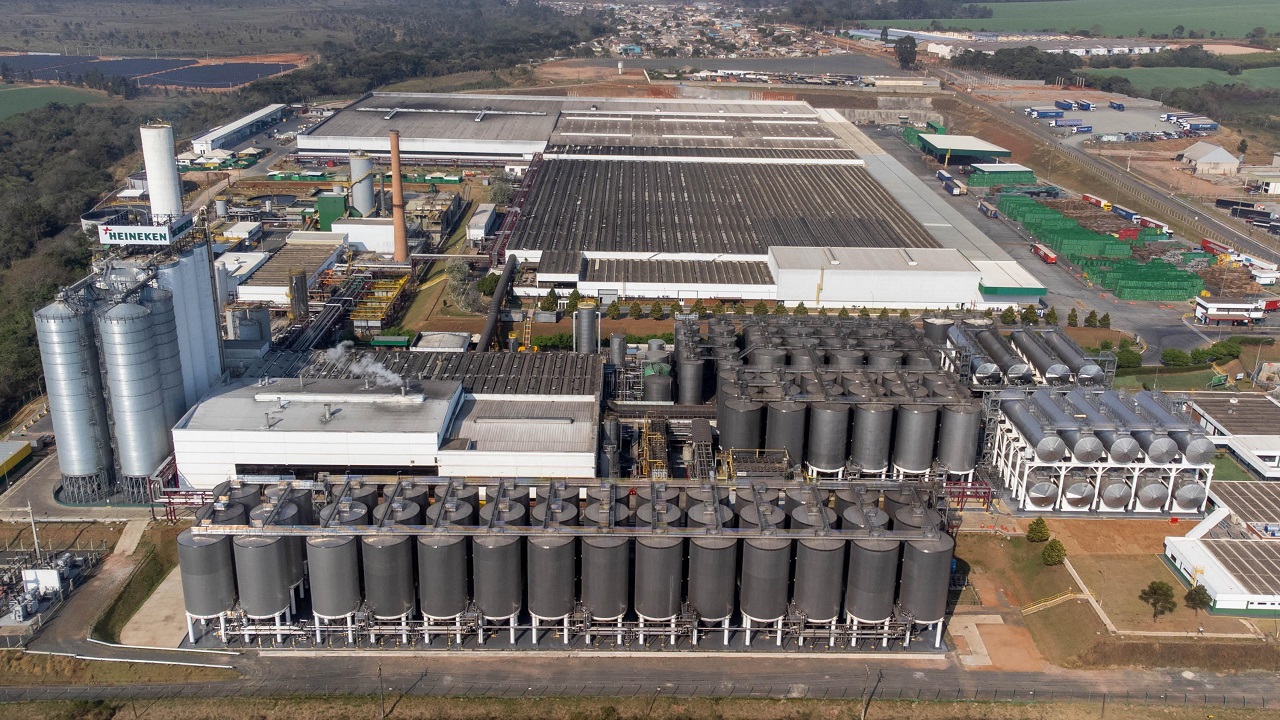
In the following years, the industrial site in Ponta Grossa was transformed into the largest Heineken brewery in the country, responsible for a significant share of the production of premium brands such as Heineken, Amstel, Schin, Eisenbahn, Devassa, and Sol.
The plant also houses specialized lines, such as the Heineken 0.0, the alcohol-free version, and the draf beer barrels — a differentiator among the group’s units in Brazil.
Billion-Dollar Investment and Job Creation
The government of Paraná confirmed that the expansion of the unit included a total investment of R$ 1.5 billion, resulting from partnerships between the company, the state, and the municipality.
The expansion created over 300 new direct job positions and stimulated a network of local suppliers and distributors that today contribute to the regional economy.
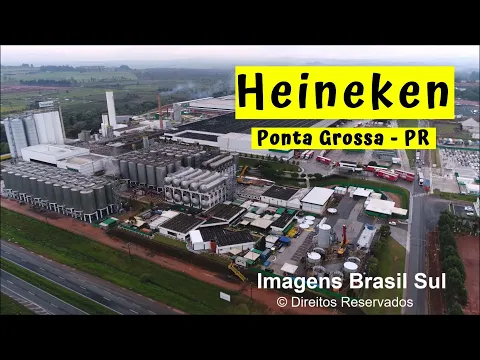

“This is one of the most modern and sustainable plants of Heineken in the world, and reinforces the company’s commitment to the development of Paraná,” declared Governor Ratinho Junior during the ceremony marking the completion of the works.
In addition to the direct economic impact, the factory boosted the logistics sector in the region, with the construction of new transportation routes, warehouses, and distribution centers focused on exports and supplying other states.
Technology and Sustainability in Production
The Ponta Grossa unit was designed to operate with state-of-the-art energy and water efficiency. According to Heineken Brasil itself, the goal is to minimize the consumption of natural resources with each liter produced. Among the main initiatives are:
- Reusing 97% of the water used in the manufacturing process;
- Using 100% renewable energy, sourced from wind and solar;
- A waste treatment system that allows for clean discharge into the environment;
- A reverse logistics program for glass and aluminum packaging;
- Reforestation of nearby areas and partnerships with local producers for recycling by-products.
These measures are part of the global plan “Brewing a Better World”, which aims to make all Heineken operations carbon neutral by 2030 at the breweries and by 2040 across the entire value chain.
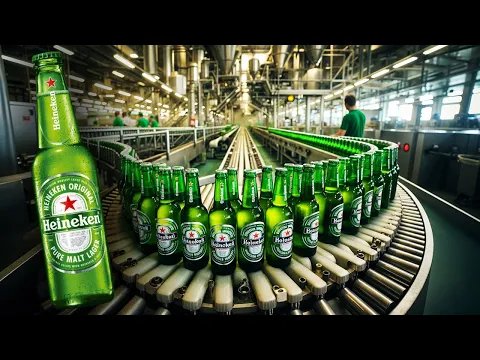
Future Projects: Passos (MG) and Igarassu (PE)
Although the Ponta Grossa plant is currently the largest Heineken facility in Brazil, the group continues to invest in new units that could rival in size and capacity. In Minas Gerais, the new Heineken brewery in Passos is under construction, a “greenfield” project with an estimated investment of R$ 1.8 billion.
The Minas Gerais plant will operate based on clean energy and automated production systems, focusing on the Heineken and Amstel brands. According to the government of Minas, construction began in 2024 and the inauguration is scheduled for 2026, when it could become the largest facility of the group in the country in terms of technology and sustainability.
In the Northeast, the Igarassu (PE) brewery is also undergoing expansion, with an investment of R$ 1.2 billion to triple its production capacity and meet the growing regional demand.
These initiatives reinforce the group’s goal of making Brazil its largest production hub outside Europe — currently responsible for more than 10% of Heineken’s global volume.
Heineken Brasil: Power in Expansion
Currently, Heineken Brasil operates 15 manufacturing units, including 12 breweries and 3 soft drink factories, spread across almost all states in the country.
The group employs around 13 thousand people and maintains a portfolio with over 30 labels, including beers, draft beers, and non-alcoholic beverages.
Brazil is now the second largest consumer market for Heineken in the world, second only to Mexico — and the first in growth. With the success of the Ponta Grossa plant and the construction of new units, the brand consolidates its leadership and transforms the country into a global brewery innovation lab.








-

-

2 pessoas reagiram a isso.