





 Portuguese
  English
  Spanish
  3 min of reading
  1 comment


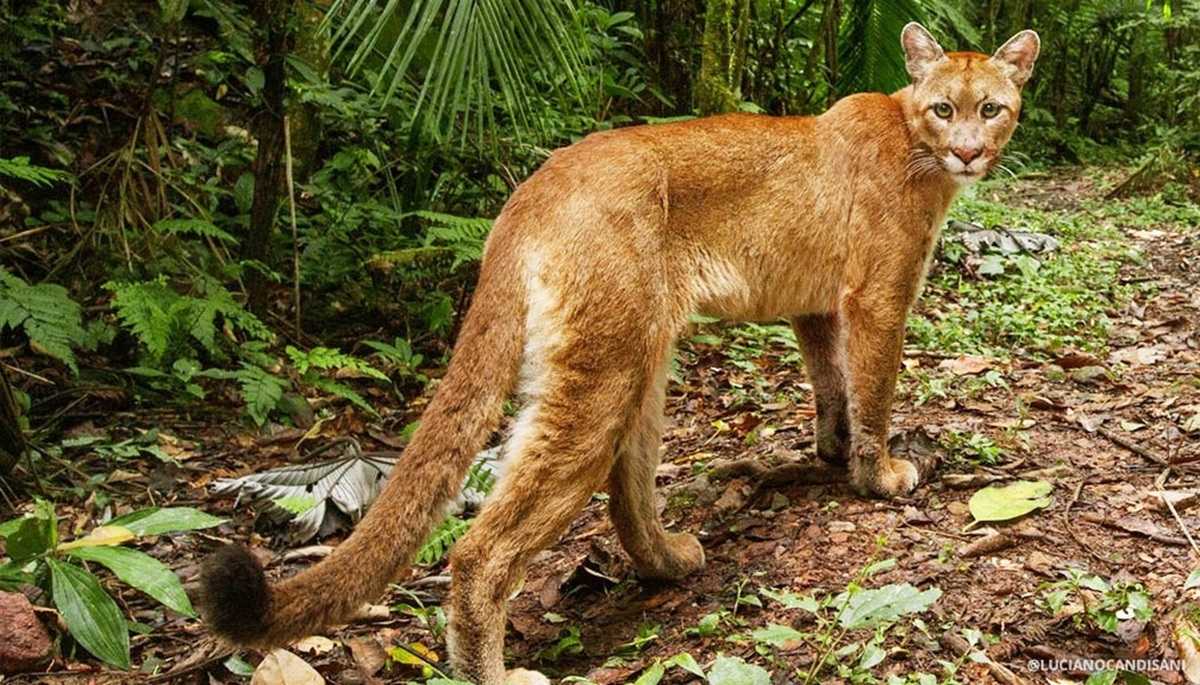


With Trails, Lookouts, and Potable Rivers, the Largest Reserve of Atlantic Forest Preserves Biodiversity and Surprises with Unprecedented Scientific Discoveries.
Ecotourism in São Paulo offers a unique experience for those seeking direct contact with nature. Located in the Ribeira Valley, the Legado das Águas is the largest private reserve of Atlantic Forest in the country and provides a combination of leisure, science, and environmental preservation.
With 31,000 hectares spread across Juquiá, Miracatu, and Tapiraí, the area is managed by Reservas Votorantim and is equipped to host visitors for various activities.
History and Mission of the Reserve
The area has been preserved for over 50 years and protects the springs of the Juquiá River Basin. In 2012, it was officially institutionalized as Legado das Águas, with the mission of protecting natural resources for future generations.
-
Friends have been building a small “town” for 30 years to grow old together, with compact houses, a common area, nature surrounding it, and a collective life project designed for friendship, coexistence, and simplicity.

-
This small town in Germany created its own currency 24 years ago, today it circulates millions per year, is accepted in over 300 stores, and the German government allowed all of this to happen under one condition.

-
Curitiba is shrinking and is expected to lose 97,000 residents by 2050, while inland cities in Paraná such as Sarandi, Araucária, and Toledo are experiencing accelerated growth that is changing the entire state’s map.

-
Tourists were poisoned on Everest in a million-dollar fraud scheme involving helicopters that diverted over $19 million and shocked international authorities.


In addition to conserving habitats, the reserve seeks to ensure the survival of species of fauna and flora from the Atlantic Forest, one of the most threatened biomes in Brazil.
Ecotourism Activities
The area offers infrastructure for different types of ecotourism. Visitors can hike, go rappelling, enjoy water activities, canoeing, and take advantage of lookouts with panoramic views of the forest. There are also options for lodging and camping.
Activities may be guided, with set programming, or self-guided, available for purchase of tickets. This diversity attracts families, adventurers, and scholars interested in experiencing the Atlantic Forest in a high level of conservation.
Contact with Biodiversity
During the tours, the prominent presence of native vegetation is evident. Birds such as Kingfishers, Ospreys, herons, and Cormorants are easily spotted. Additionally, crystalline rivers and springs with potable water enhance the experience in a preserved environment.
The Center for Biodiversity of the Atlantic Forest complements the proposal by producing up to 200,000 seedlings per year of over 80 native species, used in ecological restoration and landscaping projects.
Research and Scientific Discoveries
Legado das Águas is also a research hub. Recent discoveries include the recording of two albino tapirs, possibly the only ones in the world; the rediscovery of an orchid considered extinct in São Paulo, reintroduced into its habitat; and the recognition as an Advanced Post of the Atlantic Forest Biosphere Reserve by the UN/UNESCO.
These initiatives reinforce the role of the area in scientific conservation and sustainable development.
Social Projects and Impact
In addition to environmental preservation, the reserve contributes to social actions and environmental education in the municipalities of Juquiá, Miracatu, and Tapiraí. Over 40,000 people have already benefited from programs aimed at regenerating the Atlantic Forest and strengthening local communities, uniting conservation and human development.
How to Visit
Access to Legado das Águas is via the Régis Bittencourt Highway (BR-116), towards Curitiba. The reference point is the Restaurante Graal Japonês, at km 348.
After 300 meters, there is a marked entrance to the right for the reserve’s base, located 26 km away on a well-maintained dirt road. Reservations and information about accommodation can be found on the official website, as trails, meals, and activities vary according to the time of visit.
Thus, Legado das Águas establishes itself as a destination for ecotourism, research, and preservation, uniting leisure, science, and environmental commitment in one of the richest regions of Brazil.










muito bom que continue assim