





 Portuguese
  English
  Spanish
 3 min of reading
  2 comments


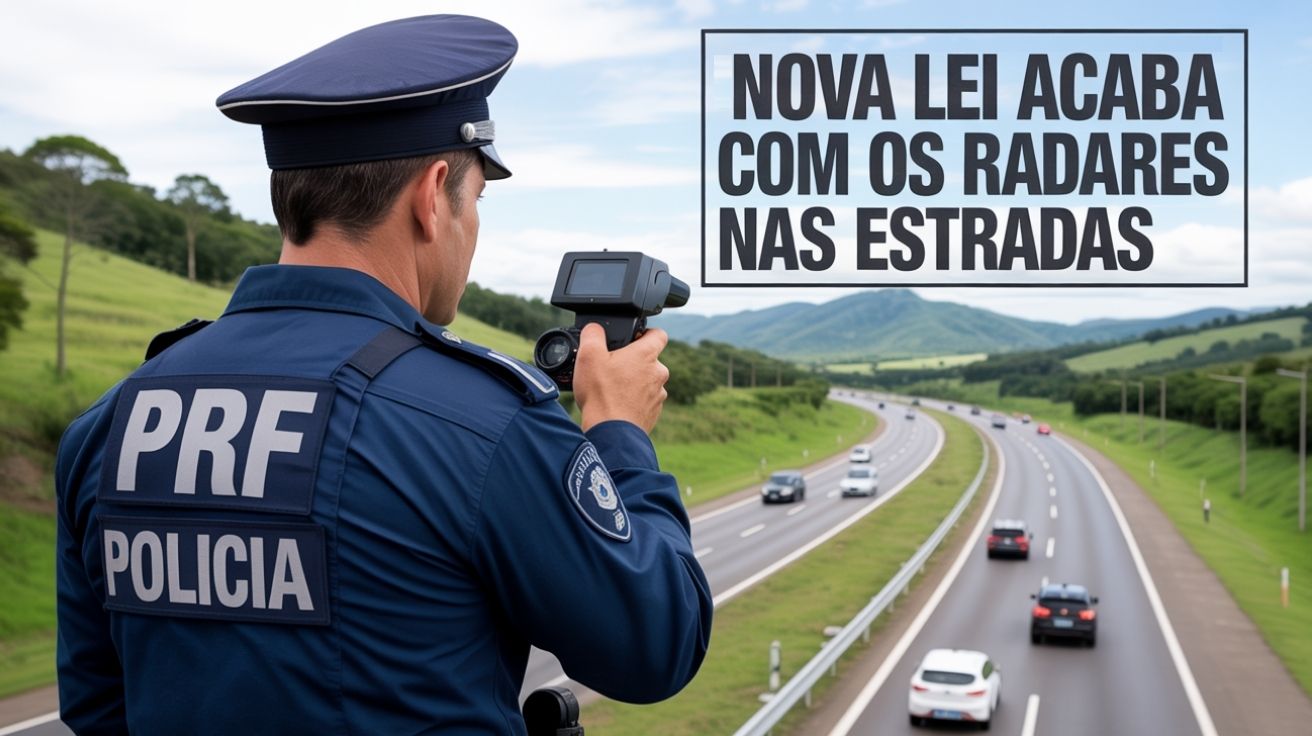

New Law Under Review Could Radically Transform Enforcement on State Highways.
A bill in law in Santa Catarina proposes the end of enforcement by mobile radars and drones on state highways, raising doubts and debates about the impacts on road safety in the state.
The proposal, which is progressing in the Santa Catarina Legislative Assembly (Alesc), generates strong reactions from traffic specialists and authorities, who warn of the increased risk of accidents and question the constitutionality of the measure.
Proposal Bans Mobile Radars and Drones
According to the text from Representative Sérgio Guimarães (União), the goal is to prohibit the use of these devices to monitor speed on roads under state responsibility.
-
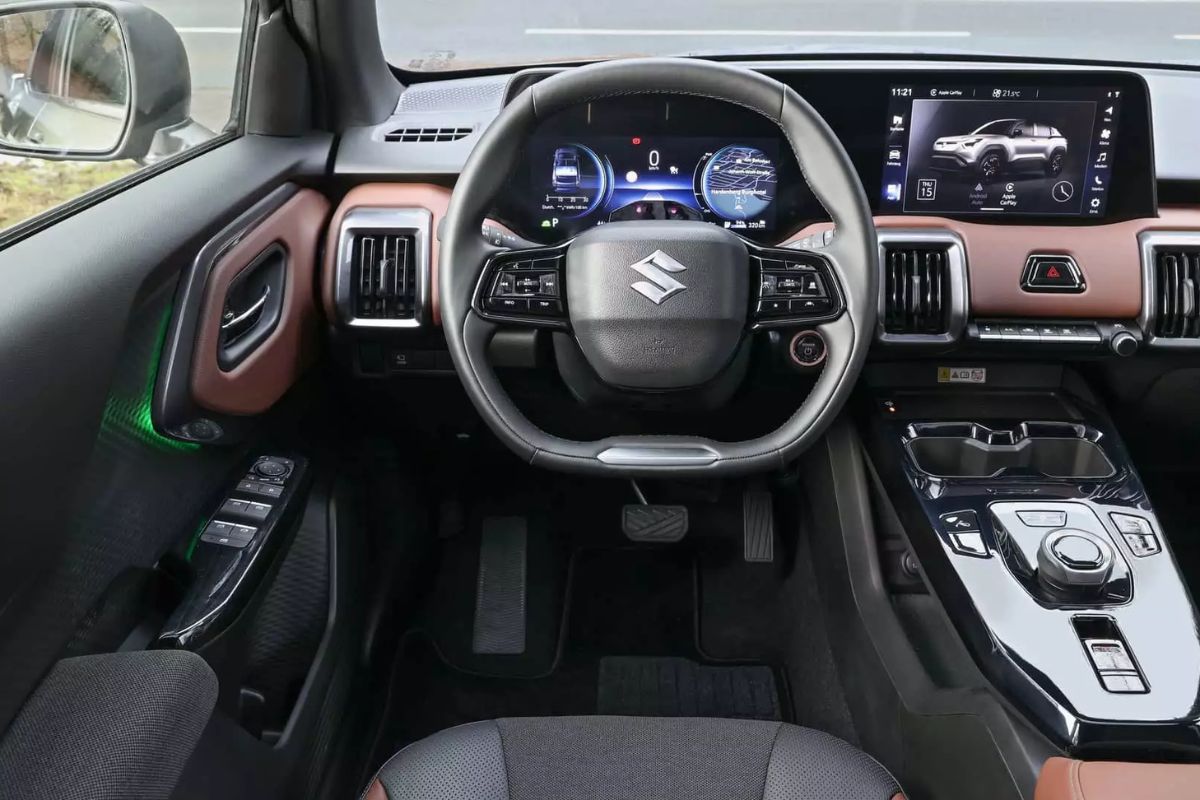
The 2026 electric Vitara arrives in Brazil and proves that Suzuki is not leaving: 4×4 traction, 184 hp, 61 kWh LFP battery, 293 km range, R$ 259,000, and a trunk capacity of 224 L.
-
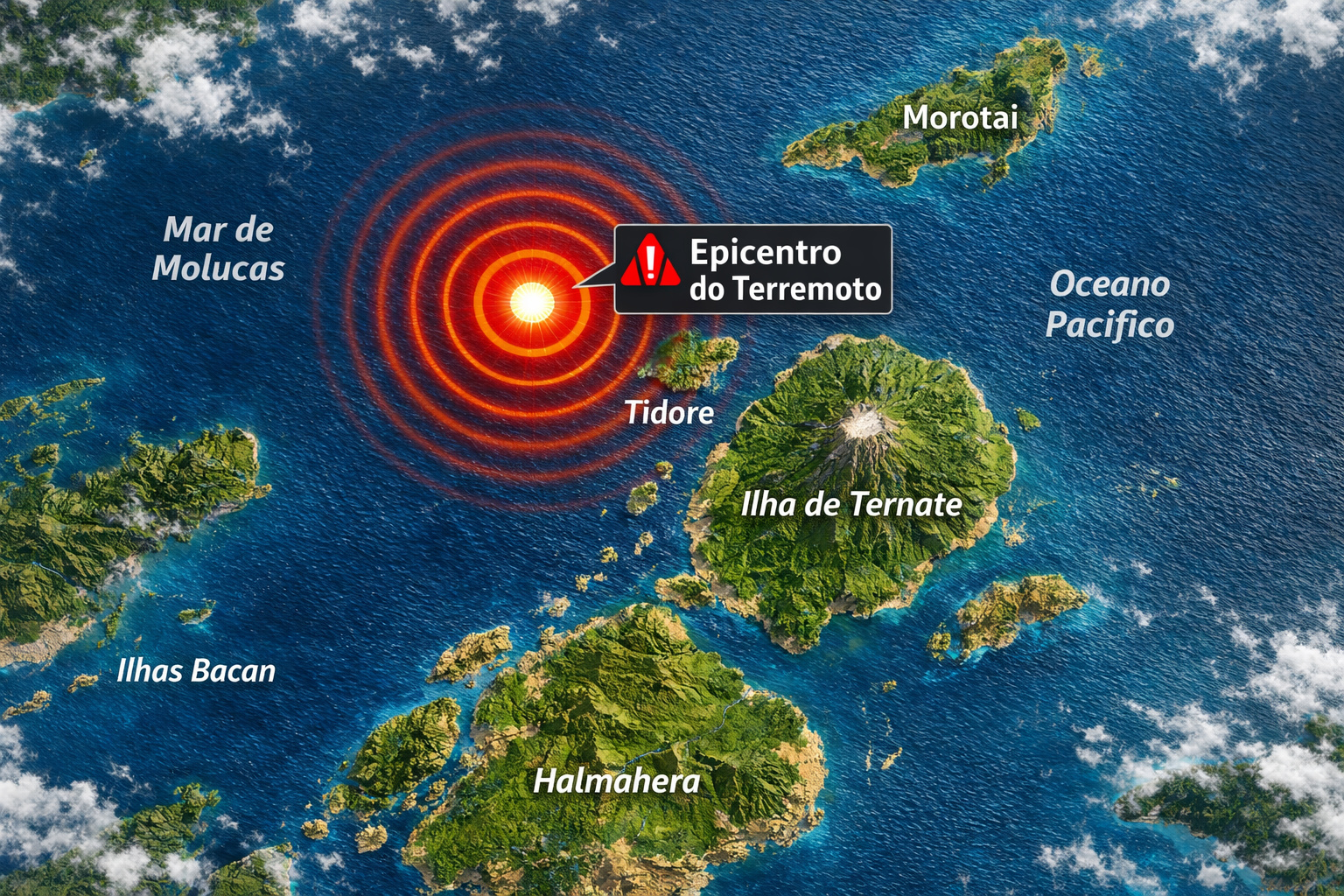
7.8 magnitude earthquake in Indonesia frightens the population, triggers tsunami alert, and hits an island with over 200,000 inhabitants this Thursday.
-
Google will finally let you change that embarrassing Gmail address you created in your teenage years without losing any accounts, logins, or old emails: the feature is already available in the United States.

-
The institute that trained the greatest aerospace engineers in Brazil has just opened its first campus outside São Paulo after 75 years: ITA Ceará will have R$ 445 million, new courses in energy and systems, and classes are expected to start in 2027.


Currently, Santa Catarina does not have fixed radars on state highways, making mobile radars and drones the main tools for controlling speeding on these roads.
With the possible approval of the measure, drivers could operate at high speeds without any official enforcement, which concerns security agencies and specialists.
Criticism from the State Highway Police
The commander of the State Highway Police (PMRv), Marcos Vinícius dos Santos, harshly criticizes the proposal, classifying it as a setback in the state’s road safety policy.
According to him, the absence of such controls tends to encourage violations and increase the number of accidents, putting the lives of road users at risk.
Legal Questions About the Proposal
Traffic legislation experts emphasize that enforcement on state highways is a responsibility that must adhere to federal standards, and question the legality of the bill.
In addition, there is a misunderstanding about the use of drones: as clarified by authorities, they are not used to monitor speed, but to flag violations such as illegal overtaking and other irregularities, demonstrating the complexity of the issue.
Impact on Road Safety
The latest data indicate that Santa Catarina records about 200 annual deaths on its state roads, a concerning figure that could worsen if enforcement loses effectiveness.
Studies show that the presence of mobile radars contributes to the reduction of fatal accidents by deterring risky behaviors, especially speeding, which is one of the main factors for serious collisions.
Project Progress in the Assembly
In the current scenario, Alesc is reviewing the project in important committees, such as the Constitution and Justice Committee, and the Taxation and Finance Committee, where heated debates are still taking place among lawmakers.
The advancement of the proposal reveals an internal division over how to ensure safety without compromising the transparency and predictability of enforcement for drivers.
Consequences of Law Approval
If the law is approved, Santa Catarina could become one of the few federative units to completely abandon the use of mobile radars and drones for speed enforcement on state highways.
This unprecedented change could create challenges for controlling violations and represent a setback in the state’s road safety policy, which currently exhibits still concerning statistics.
Moreover, the measure may affect drivers’ perceptions of enforcement and encourage impunity in cases of violations, which experts see as a negative factor in combating traffic violence.
Decision in the Hands of the Legislators
The final decision rests with the state legislators, who must assess not only the technical arguments but also the social impact and the statistics related to road safety in Santa Catarina.
Meanwhile, drivers, specialists, and authorities remain attentive to the developments of this proposal that could profoundly alter how the state manages safety on its highways.
Do you believe that the suspension of enforcement by mobile radars and drones on state roads could increase the risks of accidents, or do you think that this change would bring greater transparency and fairness for drivers?






Óbvio que o “chefão” da PMR iria *chiar”,alguém duvidava disso? E acreditem, eles não estão preocupados com segurança alguma… E as propinas? Mania do Estado justificar TODA taxa, imposto, ou multa como sendo “para sua segurança”…AFF!…
…urge que se acabe com a indústria da multa e que se cinscientize os motoristas desde os bancos escolares…