





 Portuguese
  English
  Spanish
  4 min of reading
  0 comments



Future Fuel Law Sanctioned by Lula Boosts Biofuels and Puts Brazil at the Forefront of the Energy Transition.
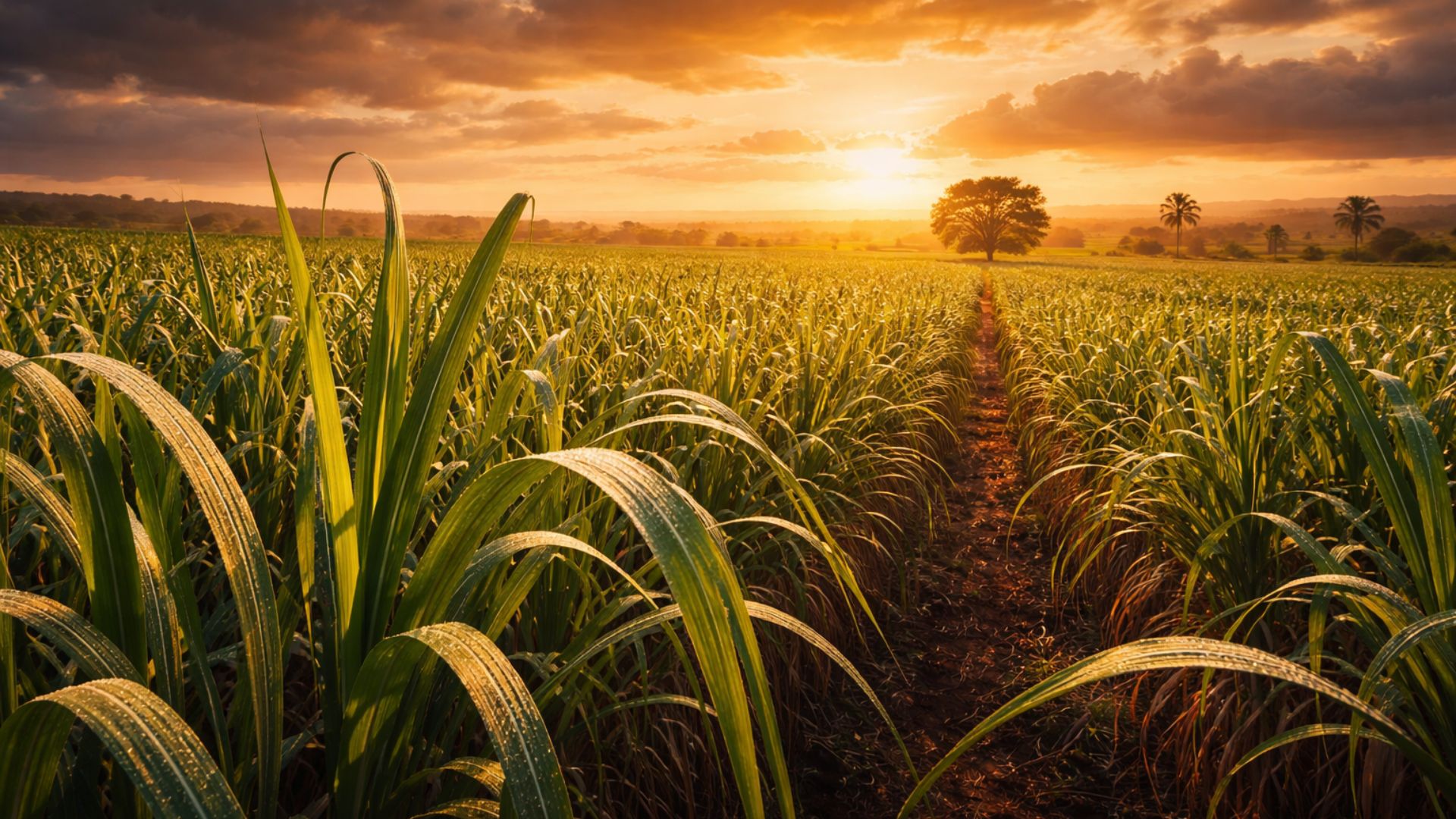
The recent legislation known as the Future Fuel Law, sanctioned by President Lula, is paving the way for robust investments exceeding R$ 260 billion in the national scenario. This regulatory landmark aims to strengthen the biofuels sector in Brazil, promoting initiatives that promise to solidify its position as a leader in the global energy transition. By focusing on biofuels, the legislation is also creating opportunities in agribusiness, a fundamental sector for the Brazilian economy and for sustainable fuels.
With the aim of reducing dependence on fossil fuels, the new legislation is directed at promoting biofuels, including ethanol and biodiesel. These sustainable fuels not only represent a more ecological solution but also serve as a strategic bet for the country to lead the global race towards a greener economic model. Brazil positions itself as a driving force in the transition to renewable energies, with policies that encourage the development of new technologies and solutions in the biofuels sector, reaping benefits that will reverberate for decades.
Brazil Towards Leadership in Clean Energies
In the global scenario of energy transition, Brazil emerges as a powerhouse, especially after recent developments in biofuels. At a ceremony attended by important figures from the Three Powers, President Luiz Inácio Lula da Silva officially enacted the Future Fuel Law. This legislation aims to catalyze the production and use of sustainable fuels in Brazil, standing out on the global stage. The expectation is that this initiative will significantly transform the Brazilian energy matrix, with the introduction of national programs focused on developing green diesel, sustainable aviation fuels, and biomethane. Additionally, it allows for an increase in the proportion of ethanol in gasoline and biodiesel in diesel, a fundamental step to strengthen the biofuels sector.
-
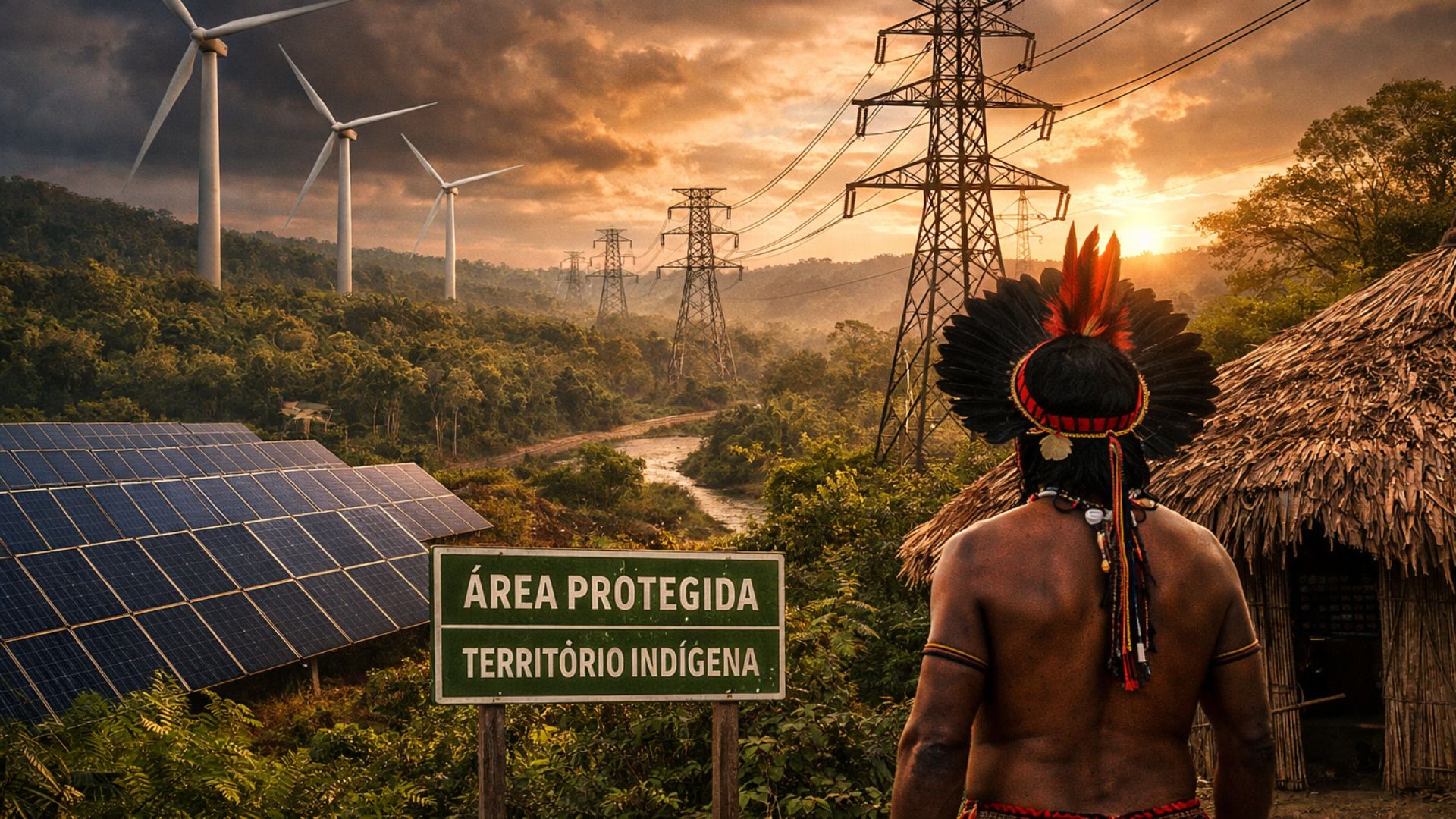
Renewable energy advances over protected areas in Brazil, and a survey by the Energy Transition Observatory reveals silent impacts that challenge environmental conservation and pressure sensitive traditional territories.
-
The Economist states that Brazil has a “secret weapon” against expensive oil and highlights how the country can reduce economic impacts even in international scenarios of high volatility.
-
Rio Grande do Sul accelerates energy transition: State invests in renewable technologies and consolidates decarbonization strategies and pathways to attract billions in new industrial investments.

-
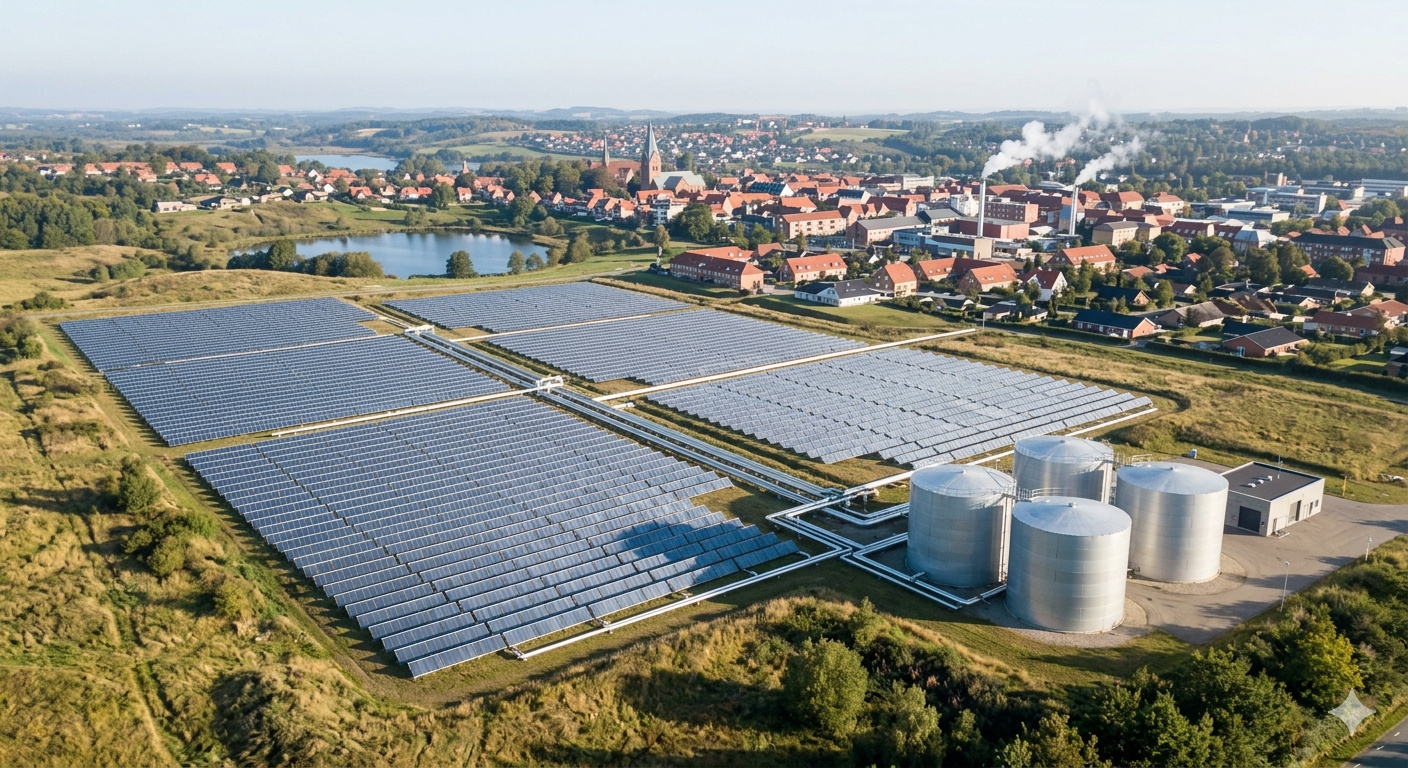
With 160,000 m² of collectors, an area larger than 20 football fields, Silkeborg, in Denmark, hosts a solar thermal plant that heats 19,500 homes and could become the largest solar heating plant in the world.

Advances in Sustainable Fuels
The event where the law was sanctioned took place during the prestigious ‘Green Leadership Brazil Expo’, recognized for showcasing innovations in the biofuels sector and new technologies for sustainable fuels. ‘The sanctioning of this law is proof that we have a promising future as a major economy,’ Lula stated, reflecting on the trajectory of ethanol in Brazil and concluding with a message of optimism: ‘Now is the time to reap the fruits of our labor.’ The president highlighted his mission to ensure that Brazil is globally respected for its competence in making this energy revolution.
Investments and Opportunities in the Biofuels Chain
Jorge Viana, president of ApexBrasil, celebrated the new legislation, forecasting it will attract over R$ 260 billion in investments in both agribusiness and the biofuels chain. ‘It will be a great demonstration of the potential Brazil possesses,’ Viana pointed out. In addition to promoting job creation and economic development, the law amplifies ApexBrasil’s challenge to attract foreign capital to this production chain. According to the text of the law, the mixture of ethanol in gasoline should be between 22% and 27%, potentially reaching up to 35% in the future. Currently, the mixture can be up to 27.5%, with a minimum of 18% ethanol.
Expansion of Ethanol Production
The Minister of Mines and Energy, Alexandre Silveira, expressed enthusiasm for the new investments that will boost ethanol production, made possible by current legislation. Silveira highlighted that, with these new investments, the national ethanol production, currently at 35 billion liters, could reach 50 billion liters per year. ‘That’s more than R$ 40 billion in new investments and R$ 25 billion for the development of sugarcane fields, new corn fields, and transportation logistics. We are at the second generation of ethanol,’ he stated.
ApexBrasil and Brazil’s Potential in Renewable Energies
ApexBrasil has been playing a crucial role in promoting renewable energies in Brazil. Among its numerous initiatives to attract foreign investments and accelerate the energy transition of the Brazilian matrix, it highlights the partnership with the Northeast Consortium and its participation in the World Hydrogen Summit & Exhibition in Rotterdam, Netherlands. This event is recognized as the largest green hydrogen fair in the world, bringing together thousands of professionals and hundreds of exhibitors. The green hydrogen technology is seen as a revolutionary promise for the global energy market, with significant potential for Brazil and, in particular, for the Northeast.
The Northeast Consortium and Sustainable Development
This year, ApexBrasil also organized meetings with representatives of European governments to highlight Brazil’s energy potential and attract more investments. The Northeast Consortium, created in March 2019, is an initiative that seeks to integrate the nine states of the region to attract investments and leverage projects collectively. This strategy has been fundamental in showcasing, in collaboration with ApexBrasil, the possibilities of sustainable development, contributing to solidifying Brazil’s position in the international scenario of sustainable fuels and biofuels.
Source: © adriana.reis@inpacto.co










Seja o primeiro a reagir!