





 Portuguese
  English
  Spanish
  5 min of reading
  0 comments



The Proposal That Could Transform The Lives Of Brazilian Workers Is Under Discussion In The Senate And Promises Deep Changes To The Weekly Working Hours Without Salary Reduction, Affecting Companies, Unions, And The Routine Of The Country.
A proposal currently under consideration in the Federal Senate could profoundly change the routine of Brazilian workers by gradually reducing the weekly work hours to 36 hours, without a salary reduction and with two mandatory days of rest.
The Proposed Constitutional Amendment (PEC) 231/1995 has returned to the center of political debates after years of waiting and was the subject of a public hearing in the Senate Committee on Constitution and Justice (CCJ) held last Tuesday (8).
Authored by Senator Paulo Paim (PT-RS), the proposal provides for the reduction to occur gradually: 40 weekly hours in the first year after its approval, decreasing by one hour per year until reaching 36 hours.
-
Spain surprises the world by erecting 62 artificial dunes, mixing sand with natural remains of posidonia, and causing the structure to lose only 1.4% of its volume in 1 year.

-
With 16 Bulava missiles, improvements in acoustic stealth, and a design focused on silent patrols, Russia’s nuclear submarine was born to ensure Moscow’s invisible retaliation and has become one of the pillars of its maritime strength.

-
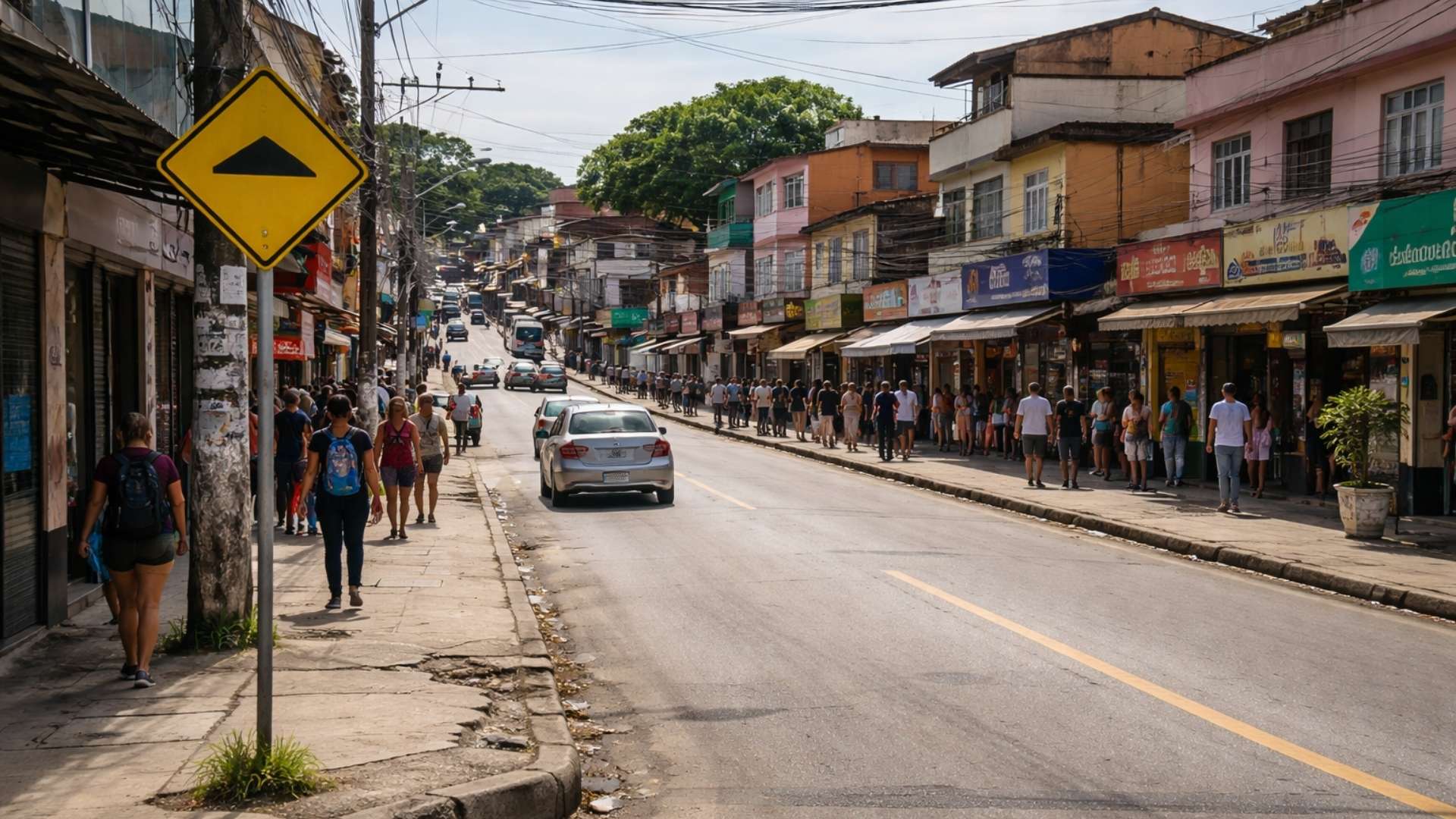
‘Populous’ city in Rio among the worst in Brazil in national ranking and exposes silent development crisis.
-
Couple buys house in the South Zone of São Paulo, opens a hidden door in the garage, and finds a secret wine cellar with dozens of old wines forgotten since the 1970s.


The PEC’s rapporteur, Senator Rogério Carvalho (PT-SE), has already issued a favorable opinion on the project, including amendments that ensure important rights during the transition, such as salary irreducibility and the right to two days of weekly rest.
According to him, this is a necessary update of labor relations that could contribute to the physical and mental well-being of Brazilians, in addition to stimulating the generation of new jobs.
Debate Brings Together Representatives Of The Government And Civil Society
The public hearing included representatives from government agencies and social movements linked to labor and mental health issues.
Among the participants were Shakti Prates Borela, a tax auditor and technical advisor of the Labor Relations Secretariat of the Ministry of Labor, and Abel Santos, coordinator of the Life Beyond Work (VAT) Movement in the Federal District.
Also invited to the debate were Rick Azevedo, founder of VAT, federal deputy Erika Hilton (PSOL-SP), deputy Reginaldo Lopes (PT-MG), and a representative from the Ministry of Women, who discussed the social and economic impacts of the possible change.
The main argument of the PEC supporters is that reducing the weekly workload without salary cuts could be a way to combat structural unemployment in Brazil.
According to the Brazilian Institute of Geography and Statistics (IBGE), the unemployment rate in the country, although decreasing in recent quarters, still affects millions of Brazilians — especially young people, women, and black people.
Fewer Hours Of Work, More Quality Of Life
Supporters of the proposal point out that the current work schedule — set at 44 weekly hours — no longer corresponds to the reality of many countries that are part of the Organization for Economic Cooperation and Development (OECD), where the average working hours are lower than in Brazil.
International studies have shown the benefits of a reduced work week.
In the United Kingdom, an experiment conducted in 2022 by 61 companies adopted a 4-day work week, without salary reductions, and the results were positive for both employees and employers.
According to the final report of the initiative, there was an increase in productivity, a reduction in stress, and a lower incidence of absences due to mental illness.
In Iceland, a similar experience took place between 2015 and 2019 and also showed significant results.
Workers reported greater personal satisfaction and a better balance between professional and personal life, with no losses in efficiency.
These international cases reinforce the argument that productivity can be maintained — or even improved — with shorter work hours.
Impacts On The Market And The Economy
Despite growing support, the proposal also faces resistance from business sectors and parts of the political class.
Critics argue that reducing working hours could increase costs for employers, especially in sectors such as commerce, industry, and services, where constant workforce presence is considered essential.
Entities like the National Confederation of Industry (CNI) and the National Confederation of Commerce (CNC) have expressed concern about implementing the measure, arguing that it could create operational difficulties and compromise the competitiveness of companies.
Still, labor economics specialists argue that, with planning and incentives, negative impacts can be mitigated — especially if the change is made gradually, as proposed by the PEC.
According to rapporteur Rogério Carvalho, the PEC represents an opportunity for Brazil to align itself with global trends and prioritize the mental health of workers without compromising the economy.
He argues that transitioning to shorter working hours could create space for new hires, which would help reduce unemployment and better distribute the available working hours.
PEC Is An Issue That Touches On The Future Of Work
The discussion about the weekly working hours is part of a broader debate about the future of labor relations.
With the advancement of automation, artificial intelligence, and new technologies, there is a growing movement in favor of reorganizing work time and valuing free time as a human right.
The Life Beyond Work Movement, represented in the debate by its coordinators, reinforces this vision.
According to its members, working fewer hours is a way to combat burnout, promote gender equality — as many women juggle double shifts — and ensure more time for personal care, study, and family interaction.
Moreover, reducing working hours could benefit informal and self-employed workers, provided that public policies are designed to reach this segment of the population, which accounts for about 40% of the workforce, according to recent data from IBGE.
The expectation is that the PEC will advance in the next stages of consideration, being debated in other committees and later voted in the Senate and the Chamber of Deputies.
If approved in two rounds with at least three-fifths of the votes in each House, the change will be incorporated into the Federal Constitution.
The proposal reignites one of the oldest debates in the world of work, which gained new strength after the Covid-19 pandemic, when many people began to reflect on the balance between productivity and well-being.
Although it still faces political and economic challenges, the possibility of a 36-hour work week puts Brazil on the radar of modern transformations in the labor market.
And you, do you believe that a shorter work week can actually improve quality of life while maintaining productivity? Leave your opinion in the comments!







-

Uma pessoa reagiu a isso.