





 Portuguese
  English
  Spanish
  3 min of reading
  0 comments


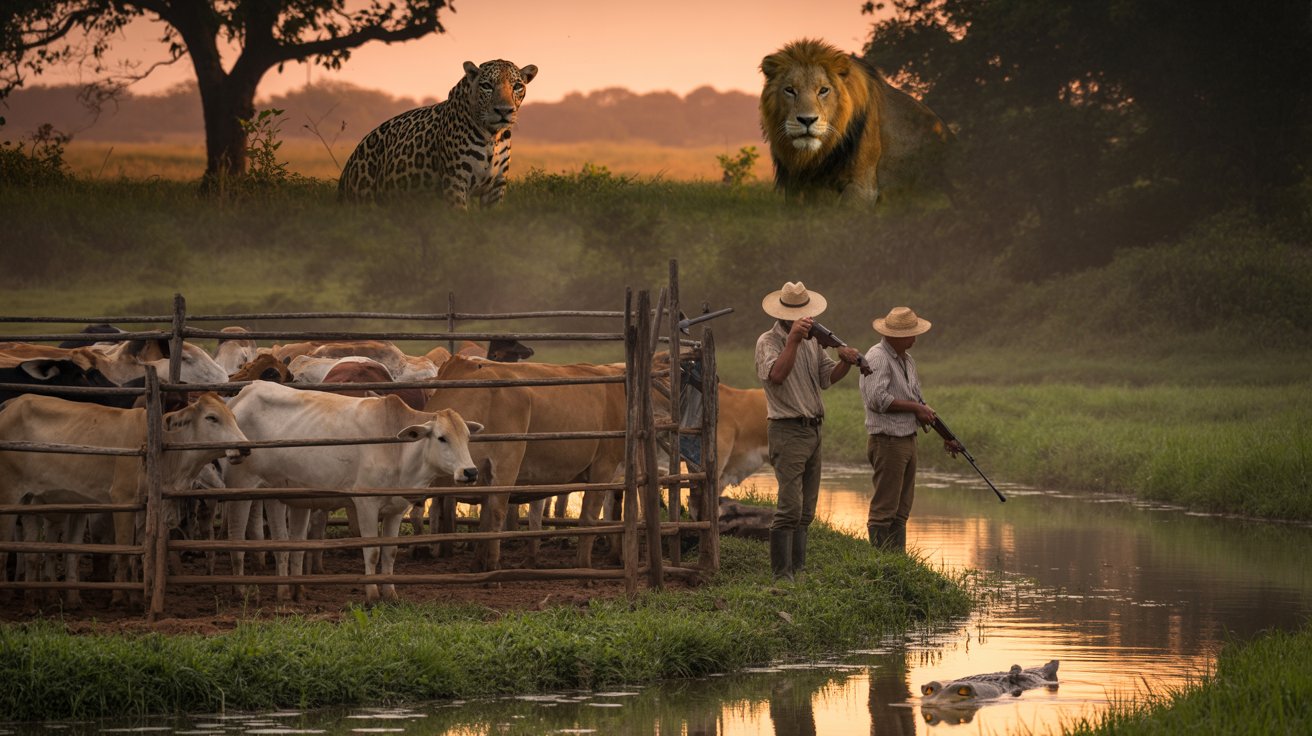
Attacks By Large Predators Like Leopards, Lions, Crocodiles, and Even Baboons Put Farmers and Rural Residents in Danger in India, Africa, and Australia, Forcing Governments to Authorize Controlled Hunts to Contain Deaths and Losses
In Rural Areas of India, Kenya, Tanzania, South Africa, and Australia, Residents Live Daily With the Risk of Fatal Attacks by Large Predators Like Leopards, Lions, and Crocodiles. In India Alone, About 162 People Are Attacked by Leopards Every Year, Forcing Governments and Organizations to Adopt Extreme Measures Like Legal Hunting to Control These Populations.
In Rural Maharashtra, Western India, Leopards Are Frequently Seen Invading Crops, Homes, and Even Schools. The Attacks Typically Occur at Night, Targeting Both Animals and People. To Mitigate the Risks, Legal Hunts Have Been Authorized, with Specialized Teams Using Tracking Dogs, Traps, and Even Live Baits.
In Kenya, Particularly in Areas Near Reserves Like Maasai Mara, 11 to 14 People Are Attacked by Leopards Annually. Many of These Incidents Involve Attempts to Protect Livestock. Despite the Relatively Low Number of Victims, Financial Losses and Community Trauma Are Significant, Leading Farmers to Collaborate with Rapid Response Units and Conservation Teams.
-
Agricultural drone sprayed poison into the air and destroyed the neighbor’s crops, causing 1 million in damages; 48 cows died from nitrite poisoning in the pasture, and Russia is hiding a possible outbreak of foot-and-mouth disease: the week was brutal for the rural sector.
-
Russia cut fertilizers, China cut fertilizers, and oil prices soared with the war in the Middle East: sugarcane producers in the interior of São Paulo are seeing costs explode from all sides and warn that the effects will take months to be absorbed.

-
It does not come from flowers, is produced only every two years, and more than 90% goes straight to Europe: meet the bracatinga honeydew honey from Santa Catarina, considered one of the rarest in the world and overlooked by Brazil itself.

-
They said no to 26 million dollars and would do it all over again: mother and daughter from Kentucky reject a million-dollar offer from a mysterious company that wants to build the largest data center in the state on more than 2,000 acres of rural land.


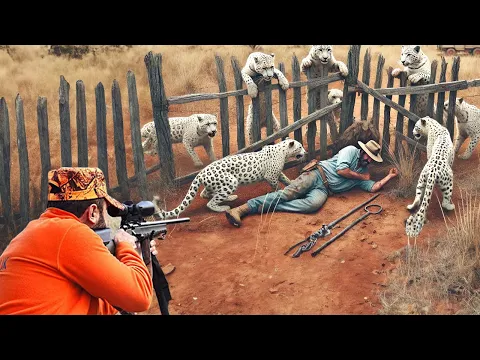

Lions, In Turn, Present an Even Greater Threat. In Tanzania, Where Vast Savannas House Large Populations of These Animals, The Average Is 94 Attacks Annually, With More Than 30 Deaths Recorded Each Year. Many of the Victims Are Pastoralists Herding Cattle Near Bush Areas, Attracting Lions Looking for Easy Prey.
Control Actions with Legal Hunting and Community Initiatives
To Address the Growing Threat of Lions, Tanzania Authorized Legal Hunting with Regulated Licenses. In 2022, 117 Permits Were Issued, Each Requiring a Professional Team, Adequate Armament, and Specialized Vehicles. The Cost of Hunting Ranges Between US$ 49,800 and US$ 58,600. Additionally, Initiatives Like the Lion Guardians Project in Kenya Train Residents to Prevent Attacks, Monitoring the Big Cats and Protecting Livestock with Fences and Lights.
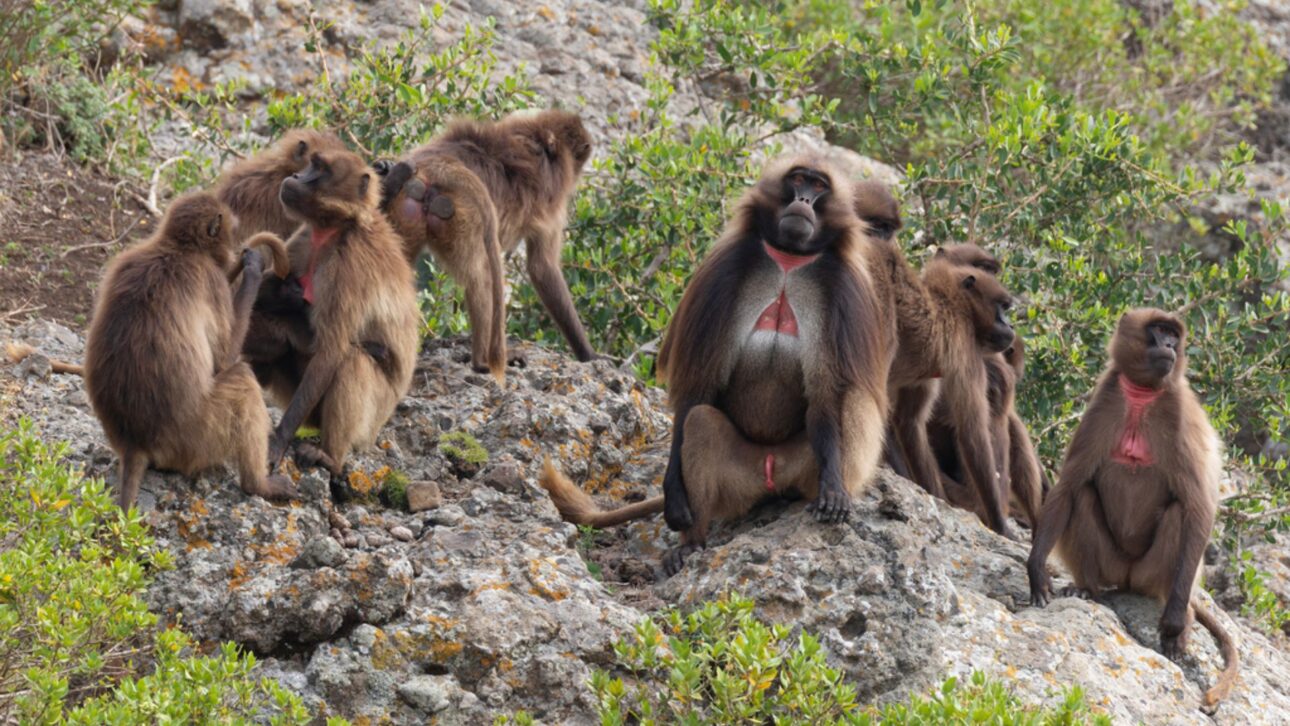
Meanwhile, in Agricultural Areas of South Africa and Ethiopia, Baboons Cause Severe Damage by Devastating Crops in Organized Groups. Although They Rarely Attack Humans, It Is Estimated That Between 12 and 15 People Are Injured Annually. Hunting Baboons, with More Accessible Licenses, Is Used as a Control Method and Is Typically Carried Out by Local Teams Using Light Rifles or Traps.
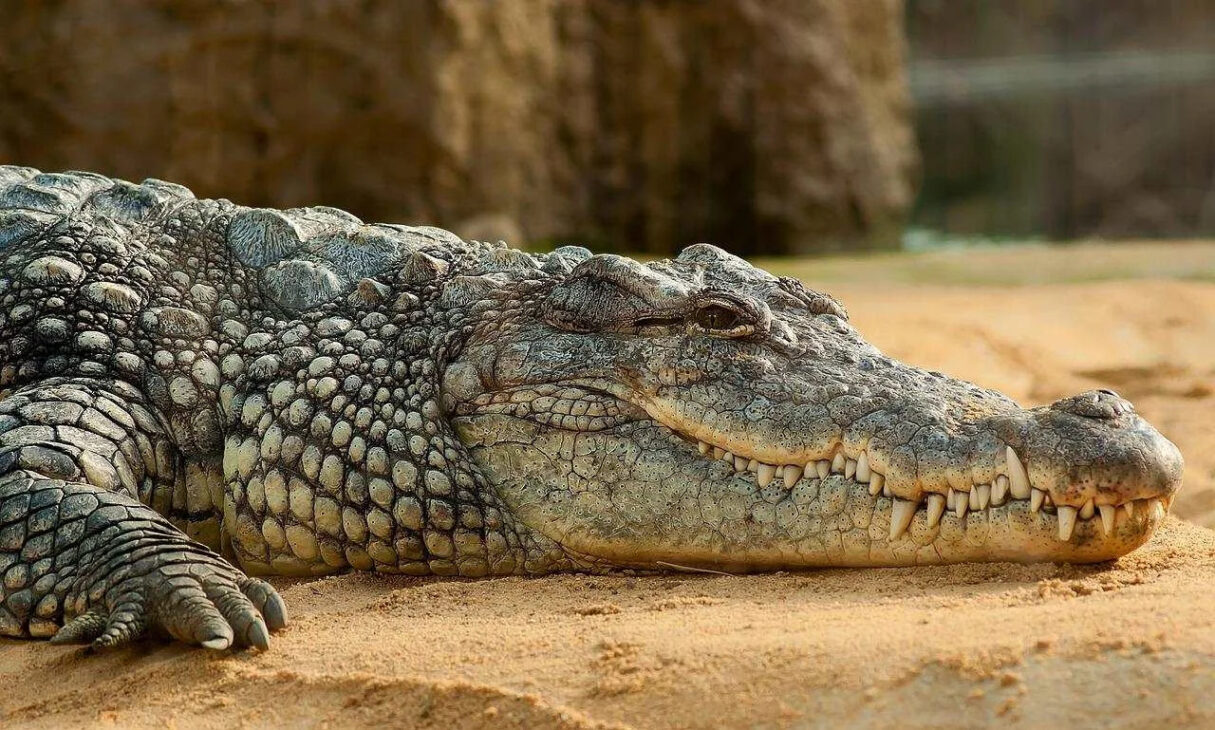
In Australia, Africa, and Parts of Florida, Crocodiles Represent One of the Biggest Dangers. Their Attacks Are Stealthy and Often Fatal. In Lake Victoria, Uganda, It Is Estimated There Are Between 35 and 50 Attacks per Year, with More Than 65% Resulting in Deaths. In Response, Local Authorities Have Implemented Floating Traps, Sensor Fences, and Safe Water Collection Stations.
Financial Losses and Preventive Measures
The Economic Losses Caused by These Predators Are Huge. Just One Night of Lion Attacks Can Mean the Loss of Up to Six Heads of Cattle, Each Worth Thousands of Dollars. In the Case of Crocodiles, a Cow Can Be Dragged into the Water in Seconds. Besides the Financial Impact, The Attacks Leave Deep Marks on Affected Communities, Instilling Fear and Insecurity.
On the Other Hand, Effective Control Programs Have Shown Positive Results. In Florida, Strict Control Has Reduced Alligator Attacks by Up to 38% Over the Last Five Years. In Tanzania, Lion Attacks on Livestock Fell Between 23% and 27% After the Introduction of Regulated Hunts and Community Protection Measures.
Controlled Hunting, Although Controversial, Has Been Used as an Emergency Strategy by Countries Seeking a Balance Between Wildlife Conservation and Protection of Human Populations. Each License Is Granted Based on Impact Studies, Respecting Population Limits of the Species and Prioritizing the Elimination of More Dangerous Individuals.
The Information Was Gathered from Reports and Content Released by Outlets Like BBC Earth, Chu Fazenda, and Documentaries Available on Public Video and Wildlife Conservation Platforms.
Do You Think Legal Hunting Is an Acceptable Solution to Protect Communities or Should There Be Other Alternatives for Coexisting with Wildlife?









-

-

2 pessoas reagiram a isso.