





 Portuguese
  English
  Spanish
  3 min of reading
  0 comments


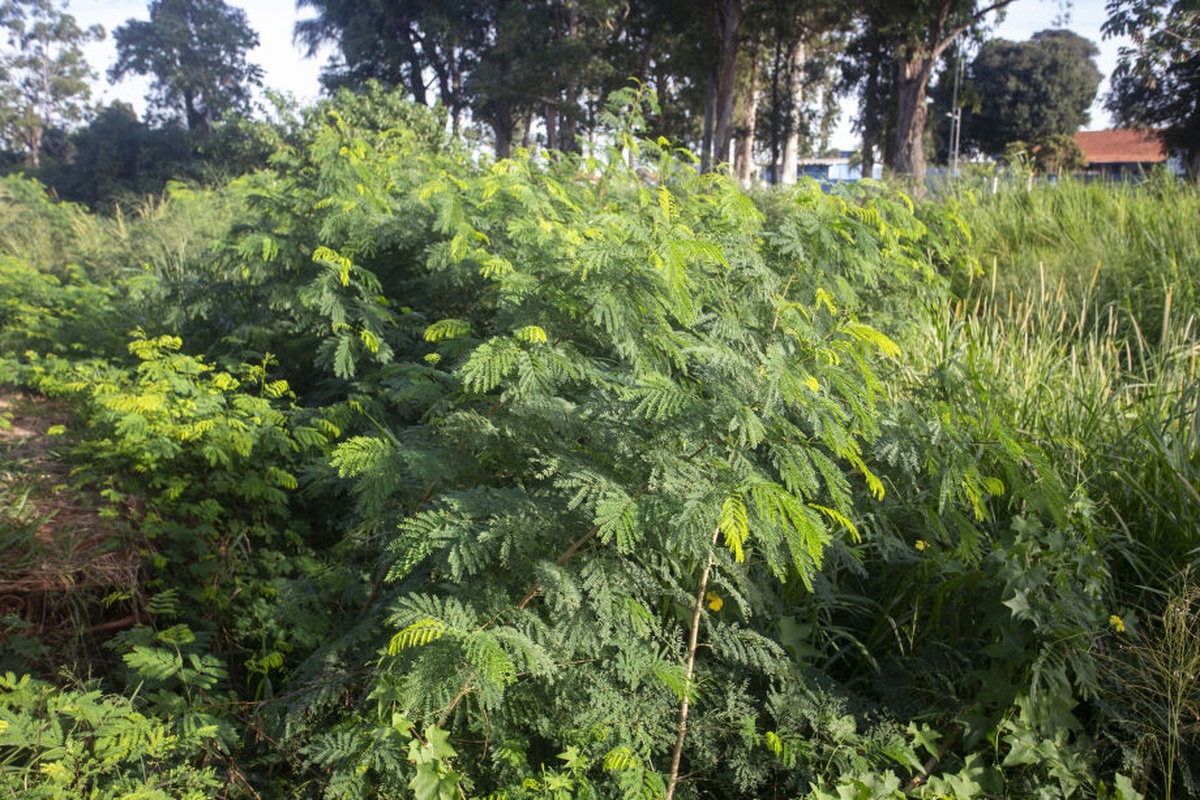
Species Introduced for Reforestation Now Challenges Municipalities from North to South
Leucaena leucocephala, known as leucaena, arrived in Brazil in the 1940s as a solution for reforesting degraded areas.
It was also used to feed livestock. However, its rapid growth and ability to adapt transformed this exotic plant into an environmental pest.
It directly threatens biodiversity. From north to south, states and municipalities are creating laws and eradication plans to contain its spread.
-
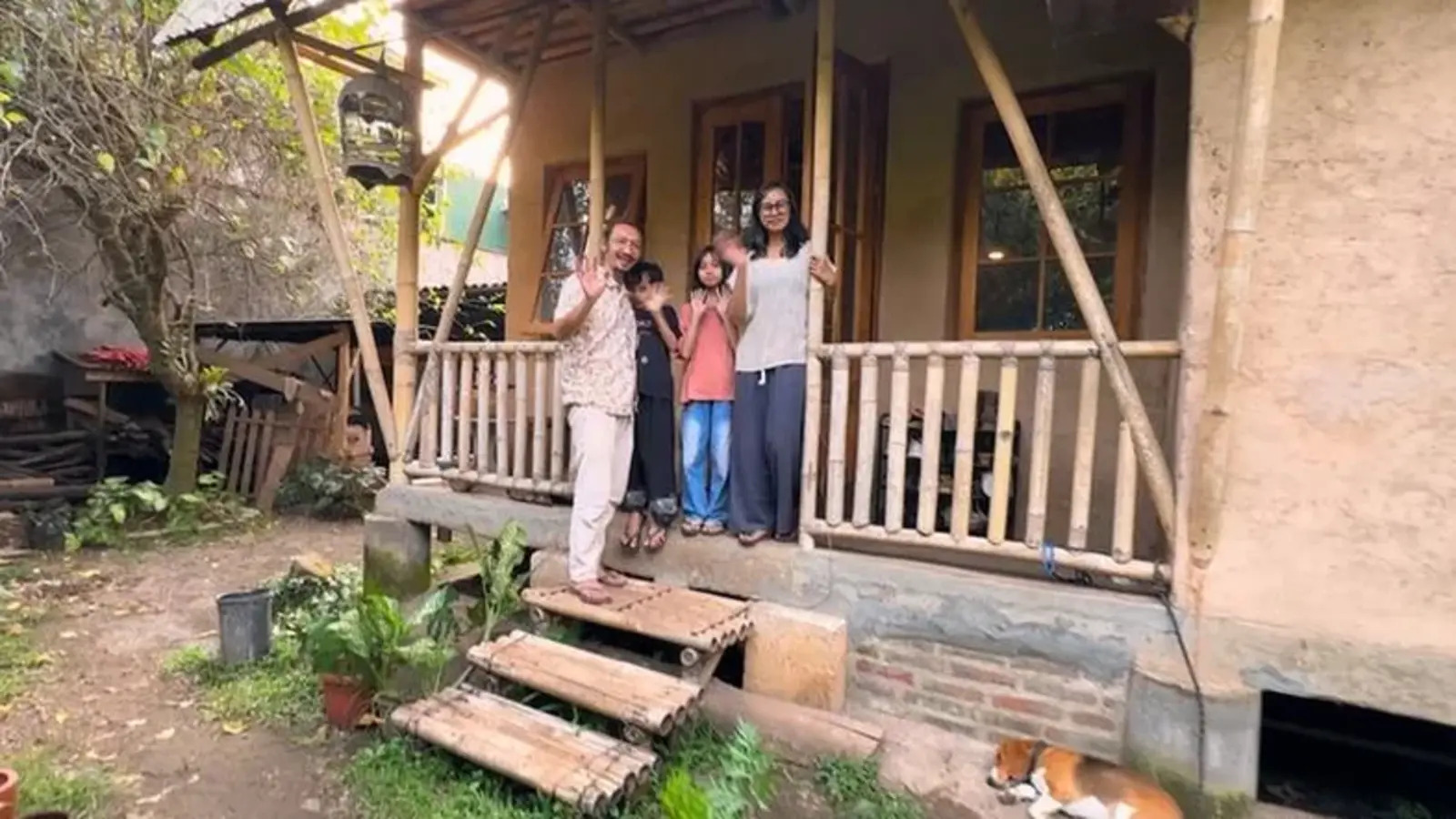
With earth, bamboo, straw, and lime mortar, a specialist builds a house for just over $460 and draws attention for its cost being much lower than traditional construction.
-
Rodrigo de Freitas Lagoon advances in environmental recovery with sanitation, elimination of irregular sewage, and the resumption of water sports in Rio de Janeiro.

-
Sustainable housing gains strength with a nationally awarded project in Campo Grande, highlighting innovative solutions that combine sustainability, urban integration, and efficiency in the use of natural resources.

-
City Where Residents Live Underground to Escape 52°C May Be a Picture of the Future on an Increasingly Hot Planet


Control Intensifies in Campo Grande
In Campo Grande, the City Hall announced the Eradication and Replacement Plan for the Exotic Plant Leucaena.
The measure prohibits the planting, transportation, trade, and production of the species. Additionally, it imposes a fine of R$ 1,000 on offenders.
Leucaena trees dominate the margins of streams and highways, such as BR-262. They obscure the natural landscape of the Pantanal.
The state superintendent of Ibama, Joanice Battilani, reported that the plant prevents the germination of native species.
According to Joanice, management must follow specific technical standards. This ensures road safety during removal actions.

Fernando de Noronha Fights Against Invasion
On the island of Fernando de Noronha, where environmental conservation is a priority, leucaena arrived in the 1940s.
At that time, it was brought in to feed animals and also to serve as firewood.
He highlights that ICMBio maintains a strict control plan. This includes cutting trees and removing germinated seedlings.
To restore invaded areas, the institution invests in planting native species. On islands, the impact of invaders is even greater.
Municipalities Expand Eradication Actions
Cities like Aracaju, Sorocaba, Caçapava, and Piracicaba are intensifying actions to remove leucaena, as well as creating more effective strategies.
In Aracaju, since 2021, successive cuts are always carried out; however, leucaena regrows, which requires constant monitoring.
Therefore, in Piracicaba, the greatest challenge is concentrated on the banks of the Piracicaba River, where the plant thus creates a “green desert.”
There, leucaena threatens animal life, but the City Hall, in June 2024, trained 50 agents to contain its spread.
Felipe Del Lama, an agronomist, emphasized the importance of quality seedlings, as this makes reforestation more efficient.
Thus, specialists warn that continuous management is essential, as the plant spreads easily without action.
Lamartine Oliveira, coordinator at the Federal University of Ceará, emphasizes that leucaena was introduced as a forage crop.
It was also used to restore soils; however, technical criteria were lacking, resulting in the problem spreading.
He points out that total eradication is unfeasible; therefore, control, in addition to monitoring, becomes essential.
For Lamartine, the fight must combine environmental education, restrictive legislation, and intensive monitoring, as this protects biodiversity.
In Rio Grande do Sul, the species has been listed as invasive since 2013 by Sema; therefore, studies confirming damages exist.
Research has shown a reduction in native species in occupied areas, impacting local fauna and weakening the ecosystem.
The state secretary informs that leucaena alters vegetation; moreover, it harms animals that depend on native plants.
With so many challenges, specialists reinforce that, although there has been a historic technical error, it is essential to engage the local community.
Furthermore, clear legislation must be applied, constant vigilance maintained, and thus, Brazilian biodiversity protected from new invasions.









-

2 pessoas reagiram a isso.