





 Portuguese
  English
  Spanish
  5 min of reading
  0 comments


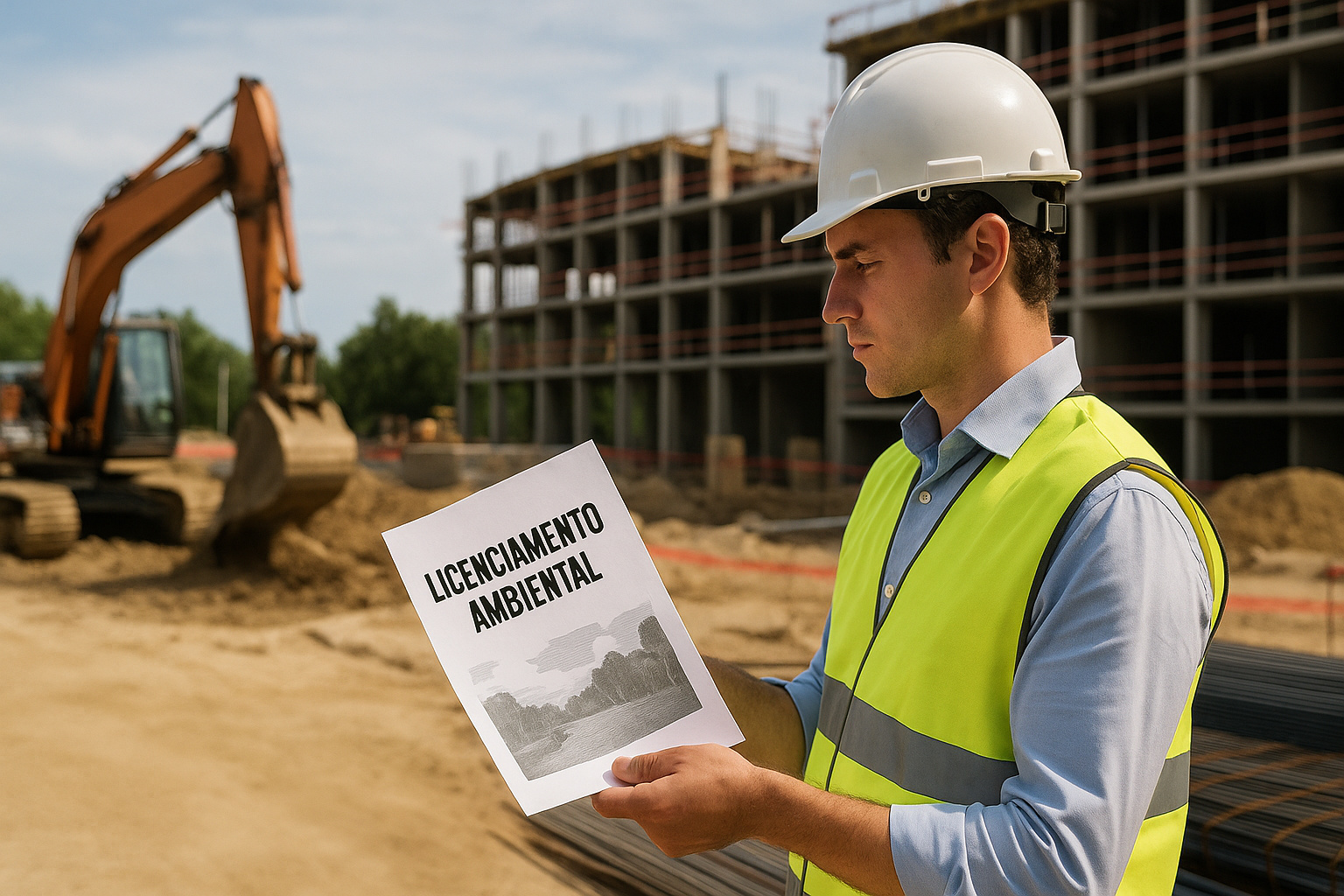
Discover Why Environmental Licensing of Works Is Essential to Ensure Responsible, Sustainable, and Legal Construction in Any Type of Enterprise.
Over the last few decades, the accelerated growth of cities and the advancement of major infrastructure projects have driven increasingly urgent discussions about the environmental impacts of human activities.
Thus, rapid urbanization, combined with the increased consumption of natural resources, has highlighted the need to regulate works to prevent irreversible damage to the environment.
In this context, environmental licensing of works has emerged as an indispensable tool to promote sustainable development.
-
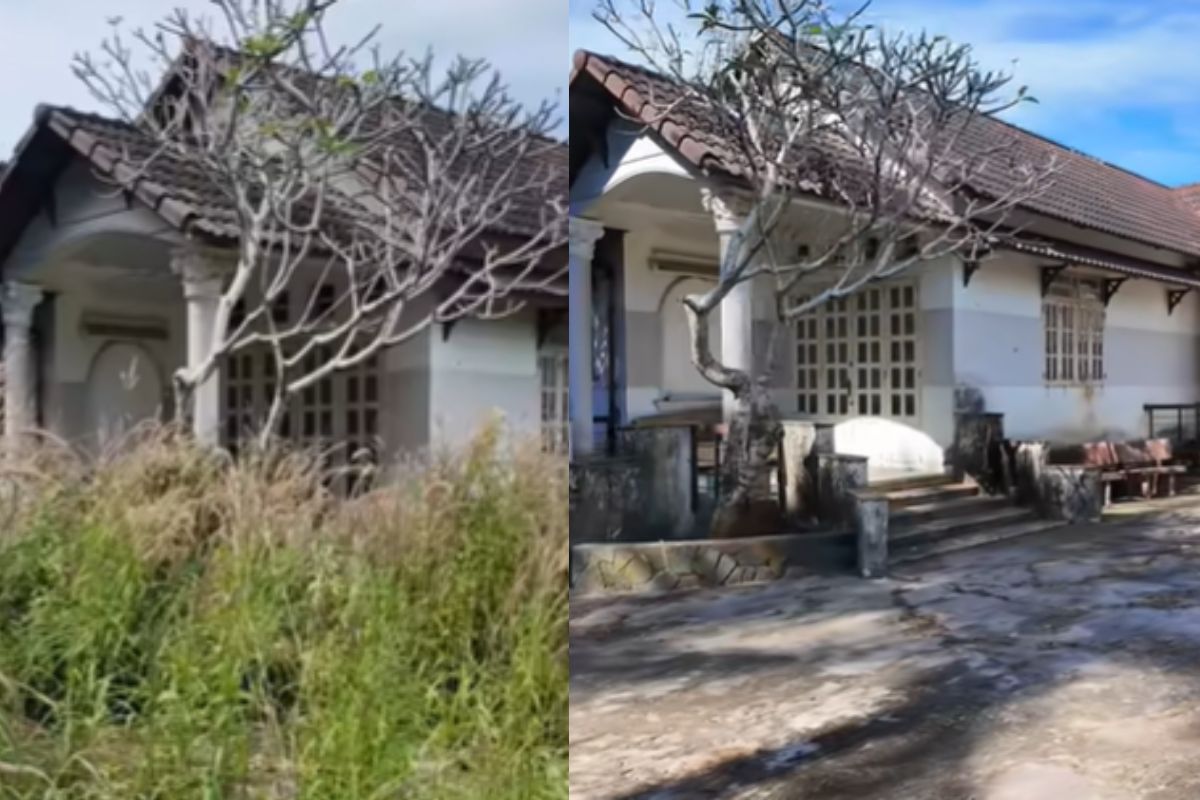
Abandoned house for 15 years disappears in the woods, shocks owner with unrecognizable scenery and is reborn in an intense transformation after almost 90 hours of work in just 10 days.
-
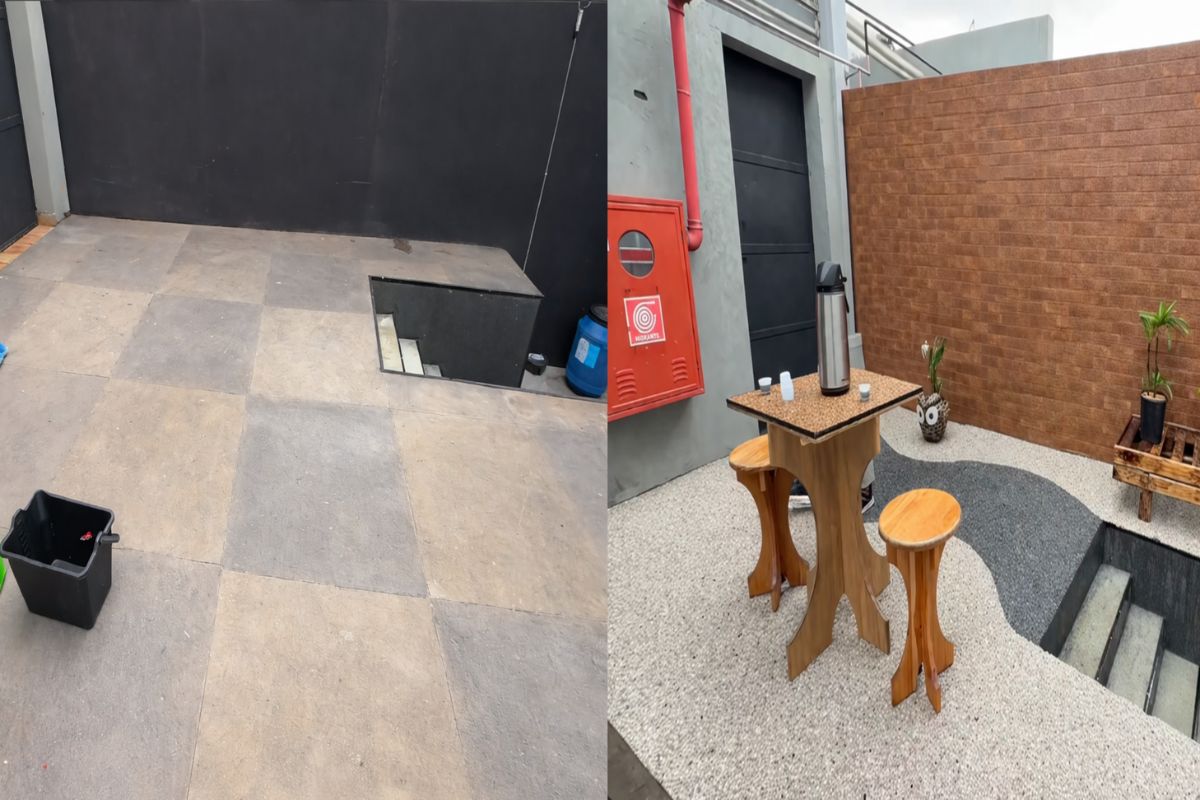
In just three hours, a natural stone floor transforms the entrance of the house with an organic effect, immediate drainage, and a sophisticated non-slip finish that doesn’t puddle water, dries quickly, and impresses with the final result.
-
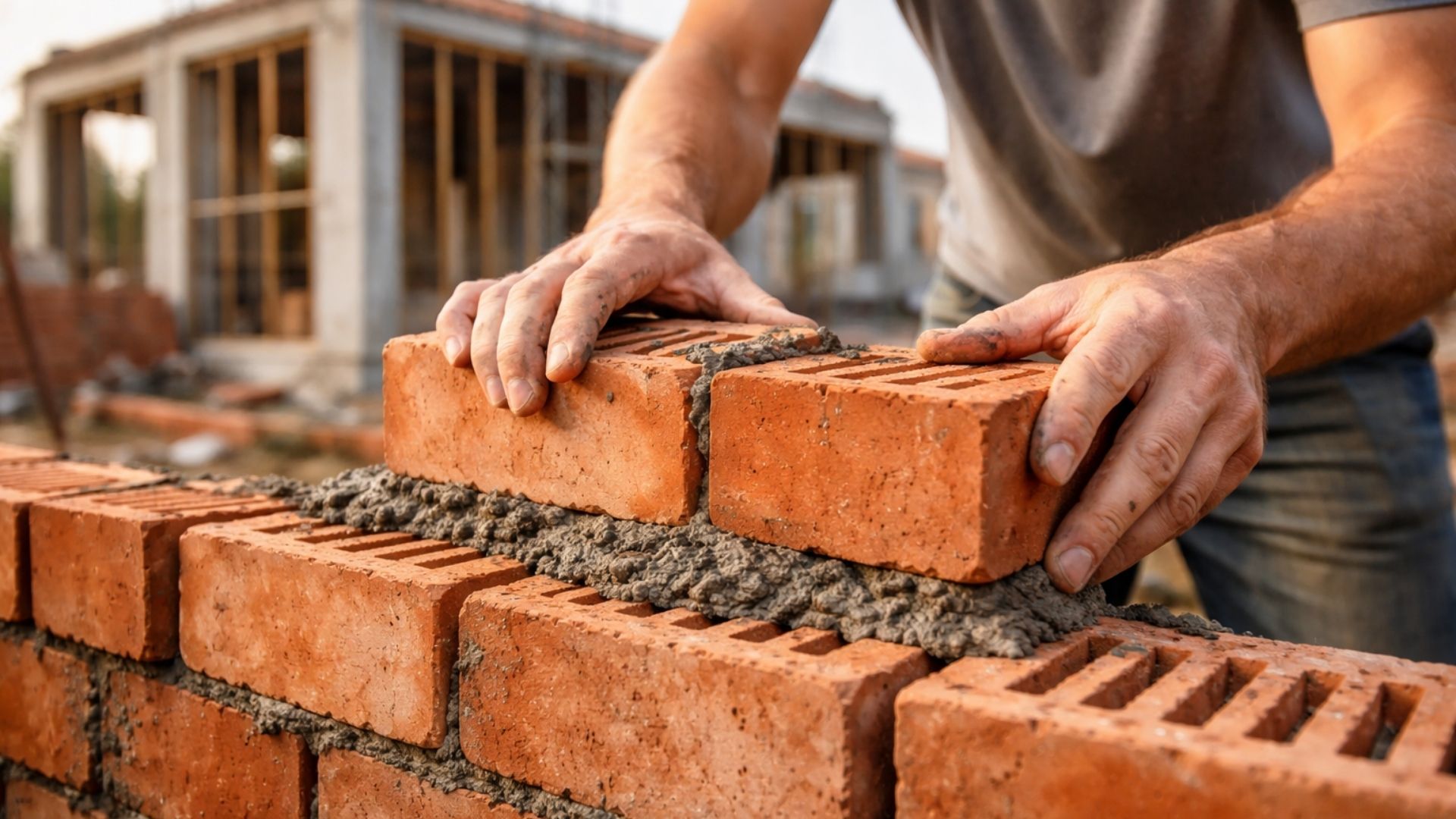
‘Interlocking brick’ made of earth arrives in the construction industry with cost reductions of up to 40% on the project.
-
Espírito Santo will receive the largest engineering project in its history with the duplication of BR 262, which will have 50 viaducts, 28 bridges, and 2-kilometer tunnels cutting through the most challenging mountainous region of the entire state.
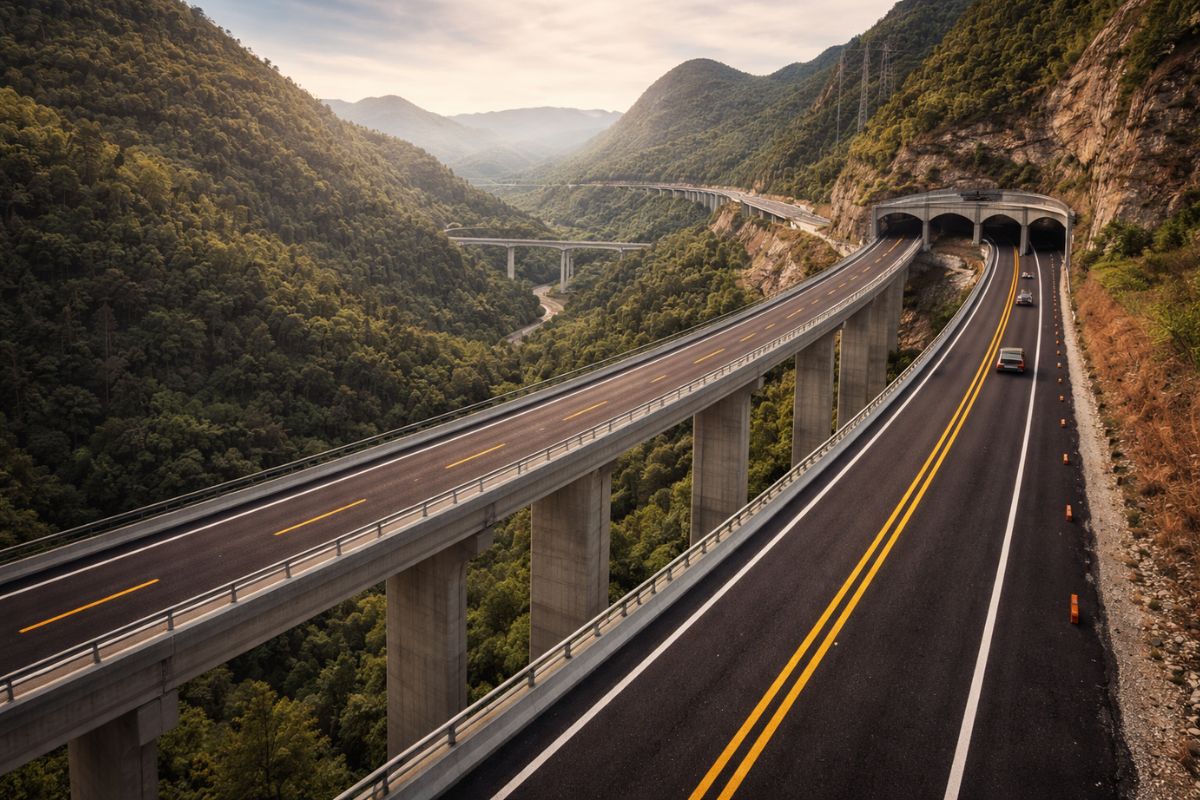

Therefore, understanding how it works and why it ensures the balance between progress and preservation is fundamental for anyone involved in civil works.
Environmental licensing consists, basically, of an administrative process that authorizes and monitors enterprises and activities that use natural resources or that may cause degradation to the environment.
This procedure ensures that any significant intervention in the national territory, such as:
The construction of highways, dams, buildings, and subdivisions, occurs responsibly, respecting legal standards and sustainability principles.
Additionally, licensing contributes to land use planning and biodiversity protection, thus avoiding conflicts between urban development and environmental conservation.
The Origin of Environmental Licensing in Brazil
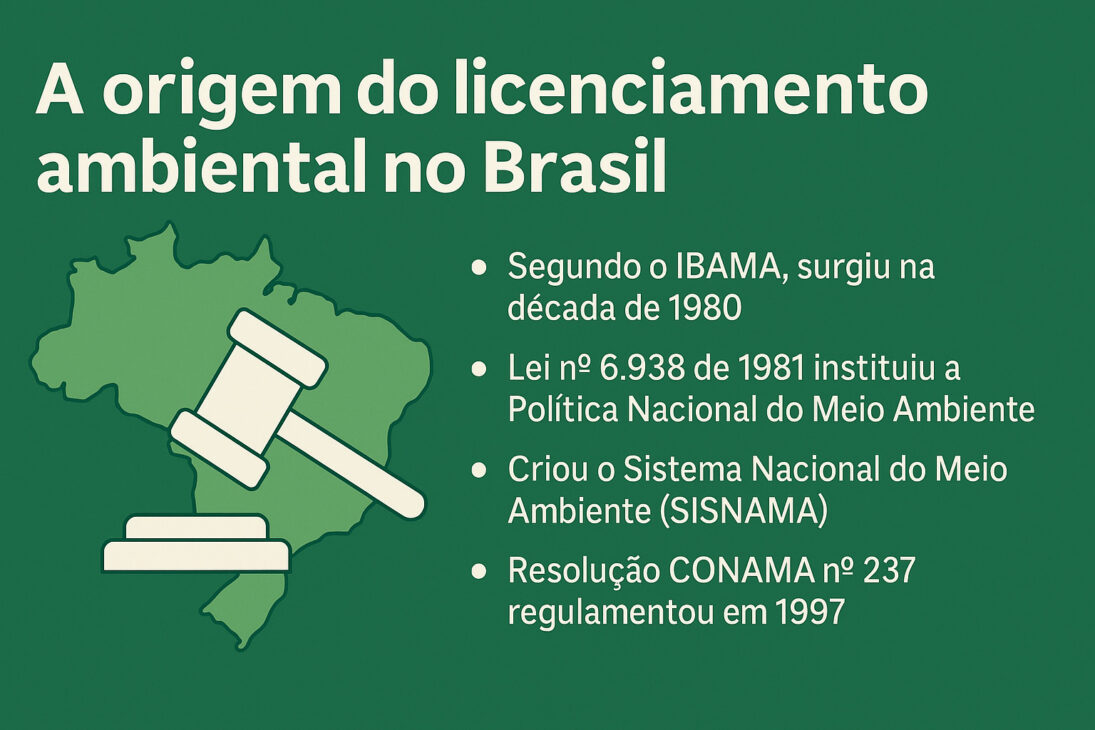
According to the Brazilian Institute of Environment and Renewable Natural Resources (IBAMA):
Environmental licensing in Brazil had its initial milestone in the 1980s.
When the country began to structure its environmental policies more rigorously, in response to the impacts caused by rapid industrial and urban development.
In 1981, the federal government promulgated Law No. 6,938/81, which established the National Environmental Policy, according to the Ministry of Environment (MMA).
This law was a watershed, as it established guidelines to preserve, improve, and recover environmental quality.
Moreover, it created fundamental legal instruments, such as the very environmental licensing.
According to the MMA, the law established the National Environment System (SISNAMA), an organizational structure that integrates federal, state, and municipal agencies to implement environmental policies and oversee activities that impact the environment.
In 1997, the National Environment Council (CONAMA) regulated environmental licensing through Resolution No. 237/97.
This defined the modalities and criteria for the licensing of enterprises.
This regulation consolidated licensing as an essential tool for sustainable development in the country.
IBAMA emphasizes that this decentralization strengthened state and municipal environmental agencies, making the process more accessible and agile, respecting regional specificities.
The Stages of Environmental Licensing of Works
As advised by IBAMA, the licensing process is divided into three main stages: preliminary license (LP), installation license (LI), and operation license (LO).
The preliminary license is granted during the planning phase and assesses the project’s environmental viability, verifying whether the location and the characteristics of the work are compatible with environmental protection and social interest.
The installation license authorizes the start of the works, provided that the entrepreneur fulfills all required environmental conditions.
Finally, the operation license allows the enterprise to function, proving compliance with all legal requirements.
To ensure proper analysis, those responsible must present technical studies, such as the Environmental Impact Study (EIA) and the Environmental Impact Report (RIMA), regulated by CONAMA Resolution No. 01/86, according to MMA.
These documents are especially required for large-scale works or those with significant potential to cause environmental damage.
They detail the anticipated impacts and suggest measures to prevent, minimize, or compensate for them.
IBAMA highlights that multidisciplinary teams prepare these studies, evaluating physical, social, cultural, and economic aspects to ensure that decisions are based on reliable technical data.
Sustainability and Legal Safety for Works
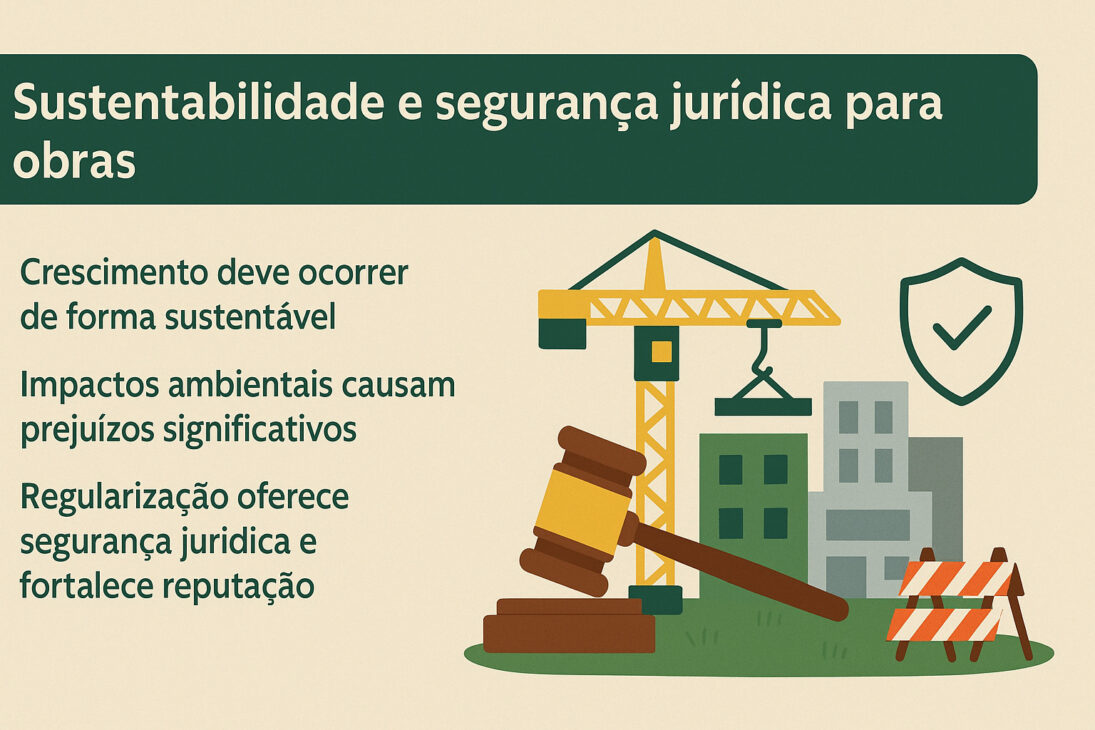
Although environmental licensing involves detailed stages and documents, the Ministry of Environment warns that it should not be seen as an obstacle to development, but as a guarantee that growth occurs sustainably.
Works that ignore or neglect this process can cause severe harm to the environment and the population, including illegal deforestation, river contamination, displacement of communities, and tragedies such as landslides and dam ruptures.
These impacts result in economic, social, and environmental losses that could be avoided with proper planning.
Furthermore, according to IBAMA, enterprises without licensing face severe legal sanctions, such as fines, shutdowns, and civil and criminal liability.
Therefore, environmental regularization offers legal security and strengthens the reputation of companies.
It also facilitates access to financing and partnerships that require proof of environmental compliance.
Pathways to Modernize Licensing
In recent years, environmental agencies and experts have advocated for the modernization of environmental licensing to make it more agile and efficient without losing its effectiveness, as reported by MMA.
Slow processes, especially when involving multiple agencies and government levels, are the main criticism raised.
However, most agree that the solution lies in making licensing more technical, transparent, and digitalized, rather than weakening its requirements.
Thus, the federal government invests in integrated electronic systems, facilitating the processing of documents and communication between parties, according to IBAMA information.
Additionally, the use of strategic environmental assessment and licenses by adhesion and commitment is growing, instruments that simplify the process for projects with lower impact.
These measures seek to balance environmental protection and administrative efficiency, promoting more effective governance.
Social Participation and Environmental Education
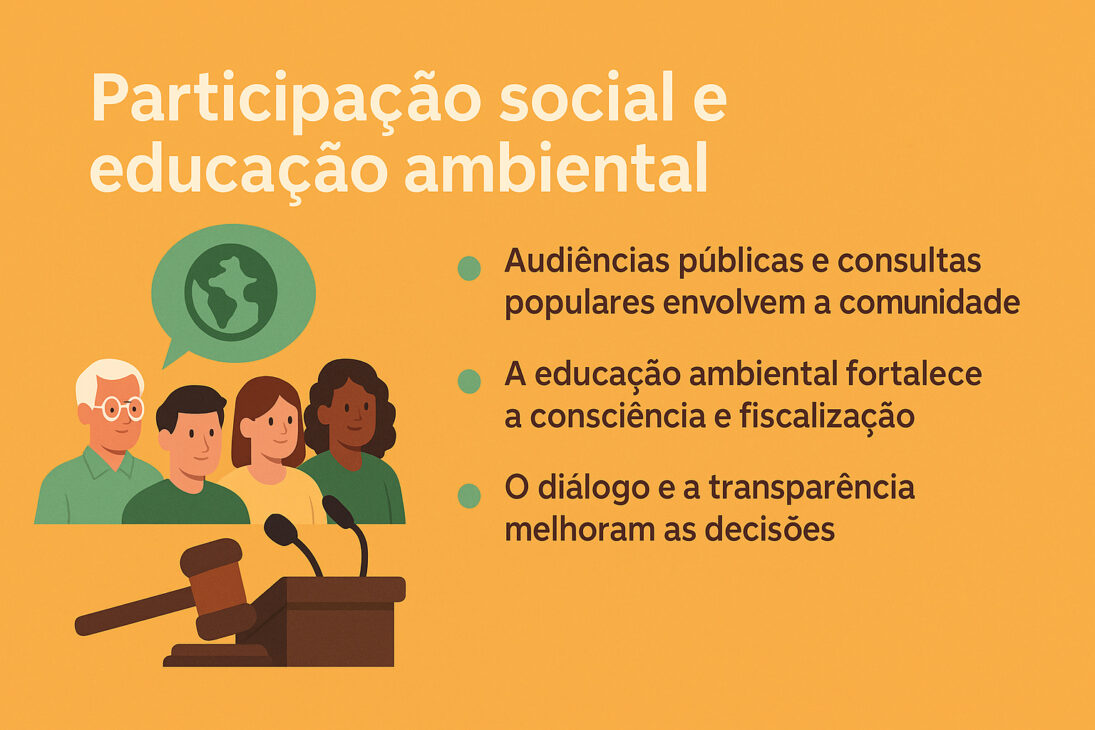
The Ministry of Environment emphasizes that society’s participation is fundamental in environmental licensing.
Through public hearings and popular consultations, the community contributes information, critiques, and suggestions about works that will affect their territory.
This dialogue strengthens the democratic management of the environment and prevents social and legal conflicts.
Transparency in the process increases trust among the parties and promotes fairer decisions.
Environmental education complements this dynamic by informing the population about their rights and duties, strengthening oversight and accountability for conscious works.
It also broadens the view that the environment is an essential ally for a sustainable and just future.
Therefore, investing in awareness is investing in the balanced development of communities.
Responsibility to Build with Awareness
In summary, environmental licensing of works represents a commitment to sustainability, legality, and respect for future generations.
It ensures that works occur responsibly, respecting environmental limits and seeking alternatives that balance economic development and the preservation of natural resources.
Understanding its importance is fundamental for engineers, architects, public managers, and everyone involved in urban planning, civil construction, and territorial management.
More than a legal requirement, licensing is an essential tool to transform the way we produce, build, and coexist with nature.
In this way, it promotes a future in which progress and conservation go hand in hand.











-

Uma pessoa reagiu a isso.