





 Portuguese
  English
  Spanish
  4 min of reading
  0 comments



“Nomophobia” is the new word of the Portuguese language and reflects a modern fear! ABL officializes the term in VOLP, consolidating digital dependency as a real phenomenon. See what it means, why it can be a problem for your mental health, and learn about other words that are now part of our vocabulary!
In an increasingly connected world, technology has become indispensable in daily life.
Cell phones, social networks, and applications have created a new form of interaction but also brought unexpected challenges.
Among them, a growing fear has caught the attention of specialists and has now gained an official name in the Portuguese language.
-
Italian researchers have detected what appears to be a second Sphinx buried under the sands of Egypt, and satellite scans reveal a gigantic underground megastructure hidden beneath the Giza Plateau for over 3,000 years.

-
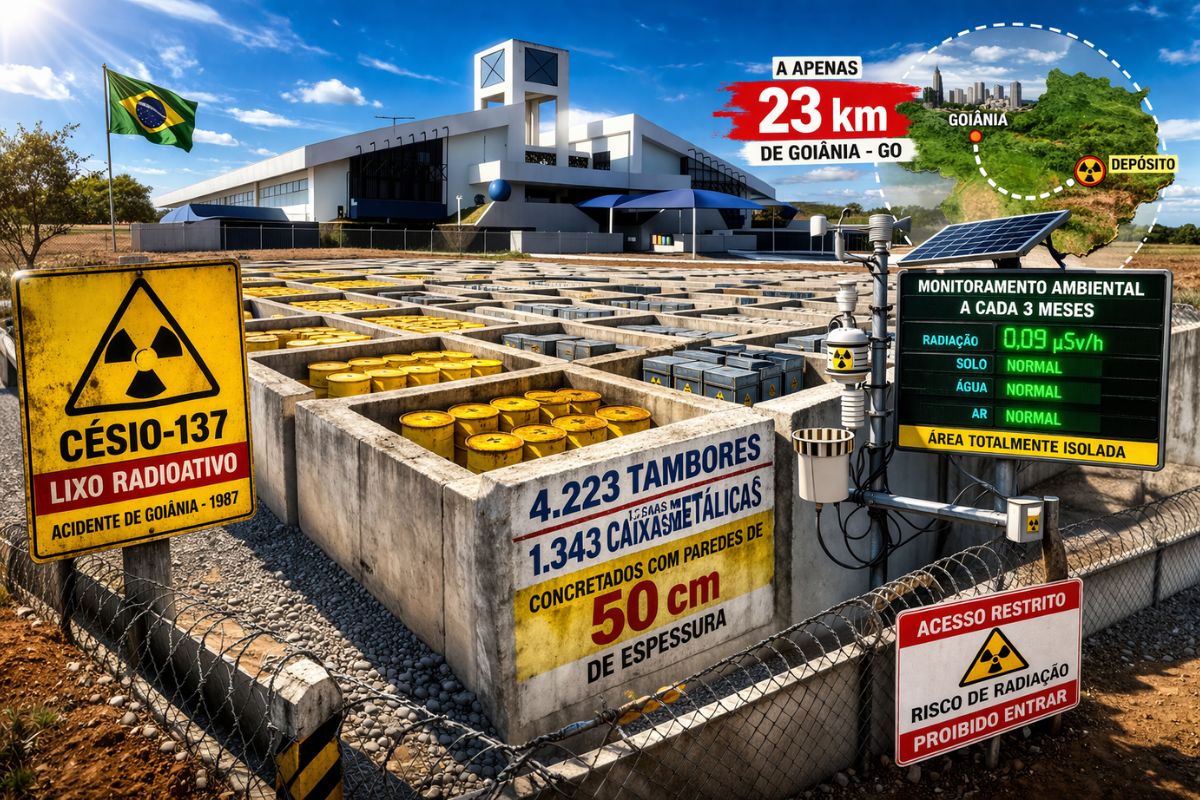
There are 4,223 drums and 1,343 metal boxes concreted with 50-centimeter walls that store the radioactive waste from Cesium-137 in the worst radiological accident in Brazil, just 23 kilometers from Goiânia, with environmental monitoring every three months.
-
Giant Roman treasure found at the bottom of Lake Neuchâtel in Switzerland reveals an advanced trade system, circulation of goods, and armed escort in the Roman Empire about two thousand years ago.

-
He buried 1,200 old tires in the walls to build his own self-sufficient house in the mountains with glass bottles, rainwater, and an integrated greenhouse.


The Brazilian Academy of Letters (ABL) included “nomophobia” in the Orthographic Vocabulary of the Portuguese Language (VOLP), recognizing a phenomenon that already affects millions of people: the irrational fear of being without access to a cell phone or the internet.
The term, derived from the English “nomophobia” (“no mobile phone phobia”), reflects the growing digital dependency and its impacts on mental well-being.
What Is Nomophobia and Why Is This Fear Growing?
Nomophobia describes extreme anxiety caused by the lack of a cell phone, whether due to a dead battery, loss of the device, or absence of internet connection.
According to specialists, this condition is directly linked to excessive technology use, especially among young people and professionals who rely on mobile devices for work or socializing.
Research indicates that smartphone addiction can lead to symptoms such as irritability, rapid heartbeat, and difficulty concentrating when the device is not nearby.
During the pandemic, the problem intensified as social isolation increased the need for digital connection, raising anxiety levels related to cell phone use.
How to Identify?
The symptoms of nomophobia can vary but include:
- Feeling panic when the battery is low or when there is no internet
- Checking the phone compulsively, even without notifications
- Avoiding places where the signal is weak or nonexistent
- Extreme anxiety when forgetting the phone at home
- Difficulty disconnecting, even during leisure moments
Studies indicate that people with nomophobia may develop insomnia and experience reduced productivity due to excessive use of mobile devices.
The problem is already considered a psychological disorder by some specialists, although it is not yet officially recognized by psychiatric manuals.
Other Words Added to VOLP
Every year, new terms are incorporated into VOLP to reflect changes in society and science. In addition to “nomophobia,” the ABL has recorded other words that have become established in Brazil.
Apnist – refers to athletes who practice breath-hold diving, a technique that requires holding one’s breath underwater for long periods. The term has gained popularity with the growth of freediving as a sport.
Cryovolcano – a geological phenomenon found on icy moons of the Solar System, where volcanoes would erupt ice and compounds like methane and ammonia instead of lava.
Handbike – a bike adapted to be powered by hand, primarily used by people with reduced mobility in competitions and leisure activities.
Microplastic – small plastic particles found in hygiene products and from the degradation of larger plastics. The term has become central in discussions about environmental pollution.
Petrichor – the characteristic scent that arises when rain falls on dry soil, a phenomenon described by scientists in the 1960s and only now gaining popularity in the Portuguese language.
How to Deal?
The recognition of the term by ABL highlights a real problem, but there are ways to reduce digital dependency and improve relationships with technology. Some strategies include:
Establish phone-free times, such as during meals or before sleeping.
Turn off unnecessary notifications to reduce the compulsion to check.
Engage in offline activities, such as sports, reading, and moments outdoors.
Practice “digital detox” and take breaks from social media.
Seek professional help if the anxiety caused by being without the phone is affecting quality of life.
The advancement of technology has brought comfort and convenience but also psychological challenges.
Nomophobia is not just a modern fear but a reflection of how mobile devices have become an extension of daily life.
Now that “nomophobia” is officially part of our vocabulary, the question that remains is: are we ready to balance the use of technology and prevent this fear from controlling us?









Seja o primeiro a reagir!