





 Portuguese
  English
  Spanish
 3 min of reading
  0 comments


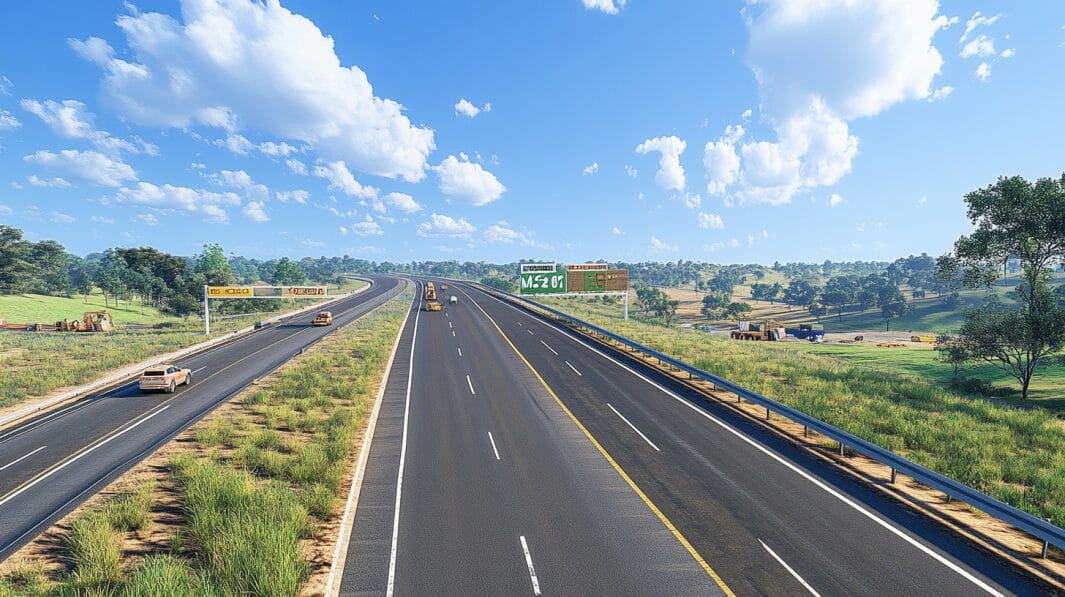
Government Launches Study for a 151 km Road Complex on the Coast, Aiming to Optimize Mobility and Logistics in the Region. The Project, Which Includes Three Segments, Seeks to Reduce Congestion and Strengthen Tourism and Cargo Transport.
In the scenario of major infrastructure works, ambitious projects often promise to transform mobility and regional development.
Recently, an initiative in Paraná has drawn attention for its magnitude and potential impact on the state’s coast.
Although still in the study phase, expectations are high for the changes that may arise.
-
China alone accounts for 70% of trade within the BRICS, while Brazil establishes itself as an essential supplier of food and minerals: understand how the group, which already represents nearly 40% of the world’s GDP, is changing the game.

-
Starting in May, those who do not have registered biometrics will not be able to apply for Bolsa Família, sickness benefits, or unemployment insurance: understand the new rule that changes access to benefits for millions of Brazilians.

-
A new law being voted on in Brazil proposes a minimum fare of R$ 10 per trip and R$ 2.50 per kilometer for Uber and 99 drivers, and promises to ensure they earn as well as taxi drivers did during the golden age of taxis in the country.

-
Bauer Group collapses after failed judicial recovery: 25 years, 800 vehicles, and a network of gas stations leave a debt of R$ 50 million and 100 layoffs, exposing costs, tight margins, and expensive credit in Brazil.
The Department of Infrastructure and Logistics of Paraná (SEIL) is moving forward with the project for a 151-kilometer road complex, aiming to improve access to the ports of Antonina and Paranaguá and integrate the state’s road network with Santa Catarina and São Paulo.
The first step for the implementation of this system will be the preparation of the Technical, Socioeconomic, Environmental, and Legal Feasibility Study (EVTEA-J), for which the selection process for companies is already underway.
Division of Segments of the Roads on the Coast
The road complex will be divided into three segments, each playing a crucial role in optimizing traffic and improving the transport of goods and passengers:
Segment 1: Will connect BR-277 (Marta) to BR-116 (Alpino), with a length of 55 kilometers, including a new 10-kilometer access to the Port of Antonina.
Segment 2: Will focus on the connection between BR-277 (Marta) and BR-376, at the border with Santa Catarina, covering 62 kilometers.
Segment 3: Will create a link between Segment 2 and PR-508, bypassing the northern part of Guaratuba Bay, totaling 24 kilometers.
Phases of the Study
The EVTEA-J will be conducted in two distinct stages:
Preliminary Phase: Involves environmental, traffic, geological/geotechnical, socioeconomic, and routing studies.
Executive Phase: Includes technical analysis of alternatives, determination and calculation of costs and benefits, comparison between costs and advantages, as well as the preparation of risk matrices and final recommendations.
Investment and Timeline
The projected investment for the preparation of the study is approximately R$ 4.16 million, with an execution timeframe of 15 months from the signing of the contract and the issuance of the work order.
Expected Impacts and Benefits
According to the SEIL, the implementation of the new roads aims not only to improve the logistical flow of the ports in Paraná but also to facilitate the movement of tourists, especially during the high season.
The project also promises to reduce congestion and minimize the environmental impact of excessive road traffic in the region.
In recent years, simultaneous blockages on highways such as BR-376, BR-277, and PR-410, due to heavy rains and landslides, have caused significant disruptions for residents and cargo transporters.
The new infrastructure aims to provide safe alternative routes, preventing similar situations from isolating the Paraná coast again.
Public Participation and Sustainability
SEIL reiterated its commitment to listening to the population and various sectors involved, including transporters, environmentalists, and municipal managers.
The integration with ongoing projects, such as the construction of the Guaratuba Bridge, will also be considered to ensure an efficient and environmentally balanced mobility solution.
Next Steps for the Roads on the Coast
After the completion of the studies, the Government of Paraná will evaluate, together with society, the feasibility of implementing the road complex in its entirety or partially.
SEIL will continue to monitor all stages of the process, ensuring that the execution of the contract follows the established technical and regulatory standards.
The project represents a fundamental initiative for the development of the Paraná coast, seeking to balance economic progress, mobility, and sustainability.
If implemented as planned, it could become a milestone in the state’s infrastructure.
Do you believe this project will transform the Paraná coast into a new economic and tourist hub? Share your opinion in the comments!







Seja o primeiro a reagir!