





 Portuguese
  English
  Spanish
  3 min of reading
  0 comments


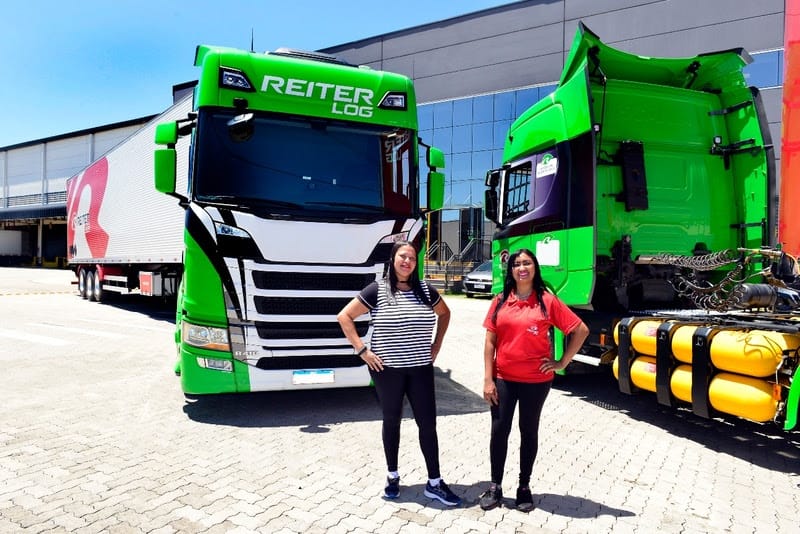
L’Oréal Brazil Advances in Sustainability with Biogas
The L’Oréal Group in Brazil, in an innovative partnership with Gás Verde, launched the first dedicated biogas fueling station in Latin America. This pioneering initiative will allow the entire fleet of the company’s trucks to be powered by this renewable fuel, produced from solid waste, marking a significant advance in sustainable practices.
Located next to the Gaia Distribution Center, the second largest of the company in Latin America, the station symbolizes a milestone in the cosmetics segment, being the first to adopt a 100% renewable biofuel for its entire dedicated fleet.
Emission Reduction and Environmental Contribution
The substitution of natural gas with biogas represents a 94% reduction in Greenhouse Gas emissions in L’Oréal’s dedicated operation, compared to 2021. This move aligns with the company’s goals to reduce total CO2 emissions, aiming for a 50% decrease – on average and per final product – in emissions related to transportation by 2030, compared to 2016.
-
Oncorp wins auction and enables biodiesel and gas thermal plants in Brazil, with strategic projects in Suape and Xavantes Aruanã.
-
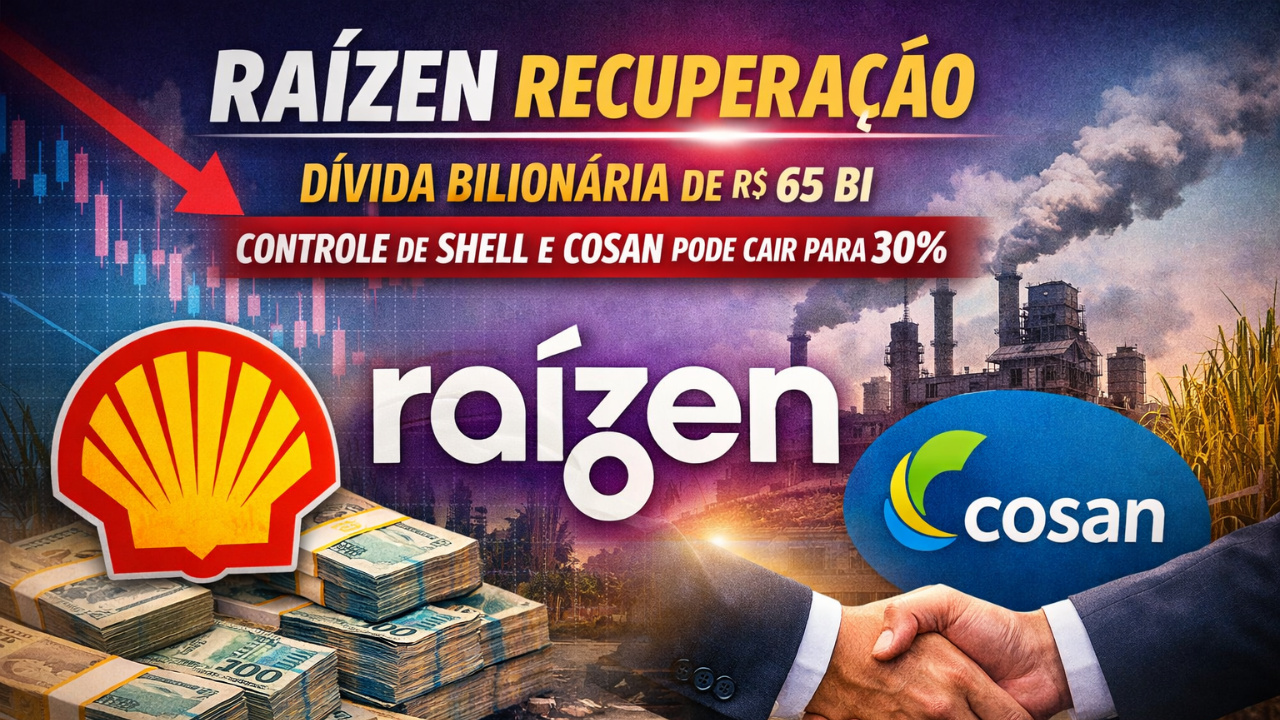
Raízen Recovery: Shell Cosan May Reduce Control After R$ 65 Billion Debt
-
Outback Montes Claros: Chain Confirms First Unit in Northern Minas in 2026

-
Inpasa Creates Advisory Council and Brings José Olympio to Strengthen Corporate Governance


Jeferson Fernandes, Operations Director of the L’Oréal Group in Brazil, emphasized the company’s commitment to reducing environmental impact and contributing positively to society. He highlights that transforming L’Oréal’s business chain to respect the planet’s limits is a strong pillar of the “L’Oréal for the Future” program, which has ambitious goals for the 2030 agenda.
Biogas: A Sustainable and Innovative Solution
Biogas, a 100% renewable fuel produced from the purification of biogas from urban solid waste, is an increasingly sought-after environmental solution by industries and transport companies due to its effectiveness in reducing emissions.
Marcel Jorand, CEO of Gás Verde, highlighted the importance of making a biogas fueling station available to heavy fleets. He points out that biogas represents a significant advancement in the decarbonization process of industries and aligns with companies’ ESG goals.
Produced by Gás Verde from the Seropédica Landfill (RJ), the largest in Latin America, biogas has the same applications as natural gas and can replace fossil fuels in production processes and fleets of various sizes.
About Gás Verde and the L’Oréal Group
Gás Verde, part of the Urca Energia Group, is the largest producer of biogas in Latin America. With plants in six Brazilian states, the company expects to reach a production of 580,000 m³/day of biogas by 2026. Gás Verde also offers BIORec, the first biogas certification from urban solid waste in Brazil.
The L’Oréal Group, a global leader in beauty, with a portfolio of 36 diverse and complementary brands, is present across all distribution networks. With a dedicated research team, L’Oréal works to meet beauty aspirations worldwide and reinforces its commitment to sustainability through the “L’Oréal For the Future” program.
In Brazil, the fourth largest beauty market in the world, L’Oréal celebrated its 60th anniversary in 2019 and remains one of the leaders among beauty companies, with a portfolio of 20 brands in the country.
This joint milestone between L’Oréal Brazil and Gás Verde reflects an important step towards a more sustainable and responsible industry, aligned with the environmental needs of the present and future.
Source: Leonardo Araujo Figueiredo.







Seja o primeiro a reagir!