





 Portuguese
  English
  Spanish
  3 min of reading


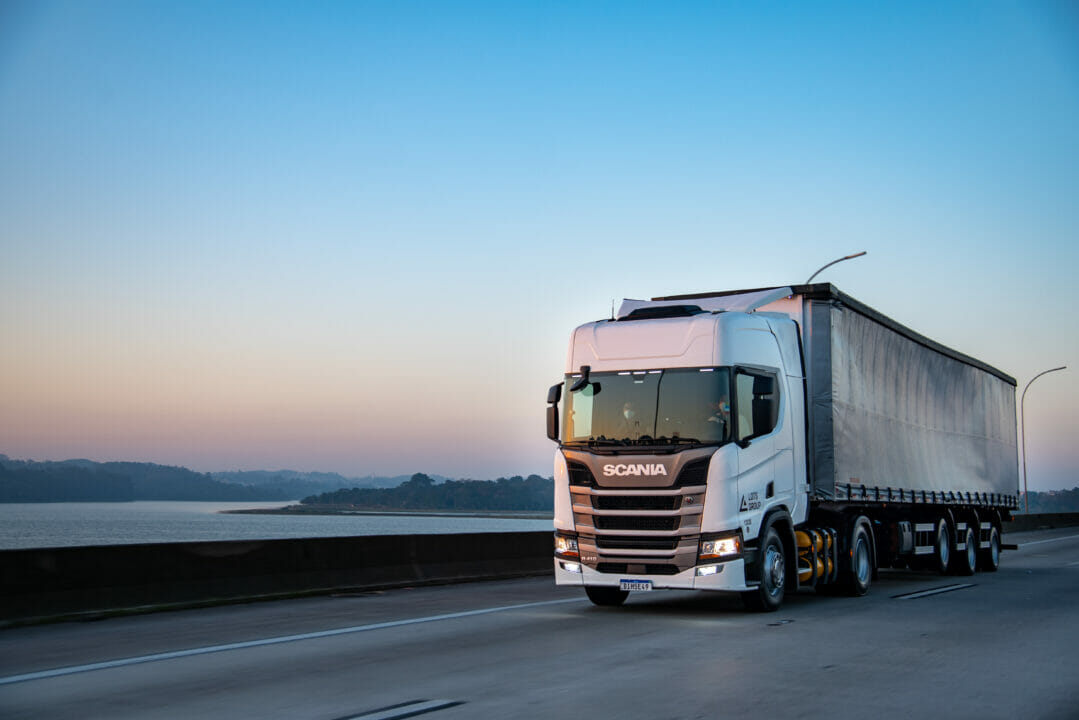
Replacement of Diesel Vehicles Resulted in a 21% Savings in Fuel Costs
Fossil fuels, such as gasoline and diesel, used by most means of transport, are among the main emitters of carbon dioxide. According to information from the Institute of Applied Economic Research (IPEA), the transportation sector is one of the largest contributors to greenhouse gas emissions, accounting for about 20% of global CO₂.
Aware of its responsibility, LOTS Group, a company of the Scania group responsible for optimizing logistics operations through technology and innovation, began its energy transition to reduce the impact of climate change caused by the high concentration of carbon dioxide.
The first energy transition action by LOTS was implemented in 2021 in the fleet of the São Bernardo do Campo unit in São Paulo, replacing four diesel-powered trucks with new Scania models powered by compressed natural gas (CNG).
-
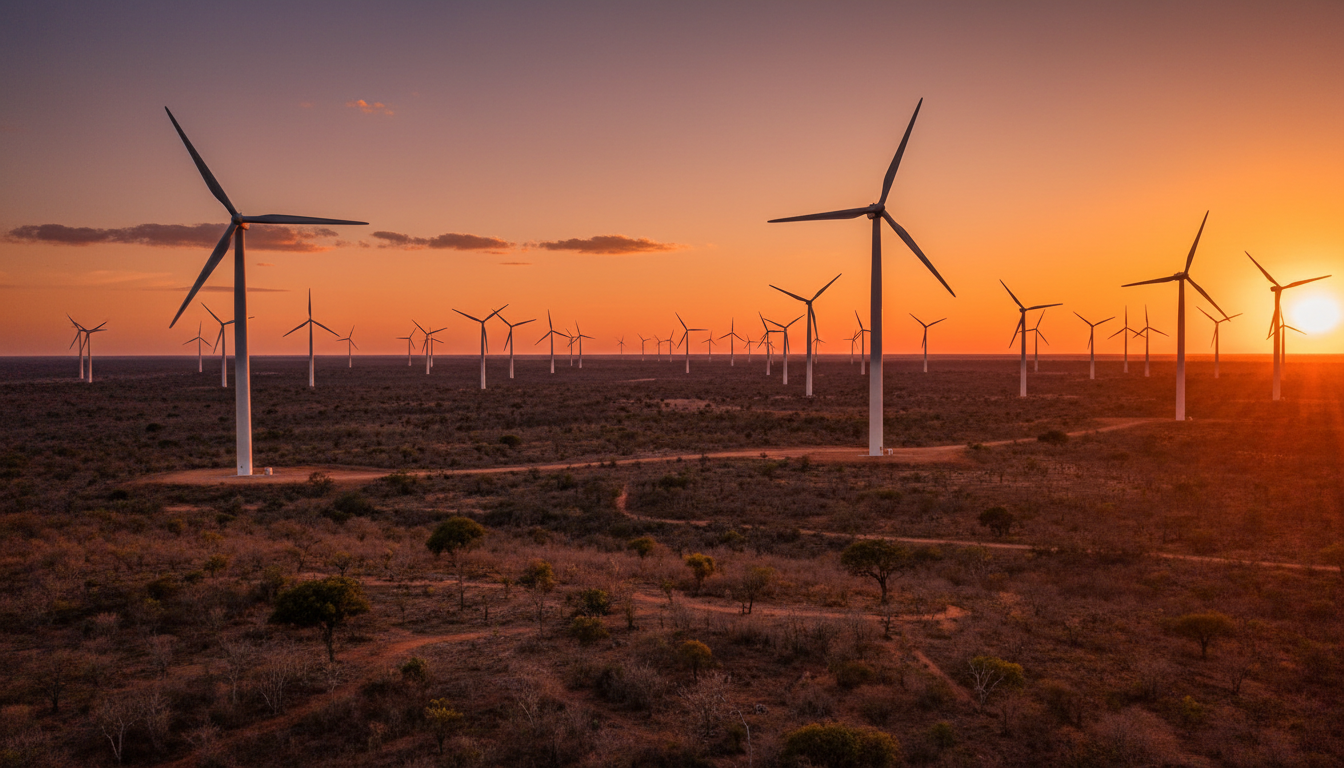
The Brazilian Northeast is receiving the largest wave of investments in clean energy ever seen in the country, with R$ 200 billion in wind and solar, 9,000 km of transmission lines, and a promise that could change the economy of 60 million people.
-
Chinese company creates solar cell that breaks the physical limit of silicon with 34.85% efficiency and promises to revolutionize electricity bills with panels that generate 20% more energy starting in 2026.

-
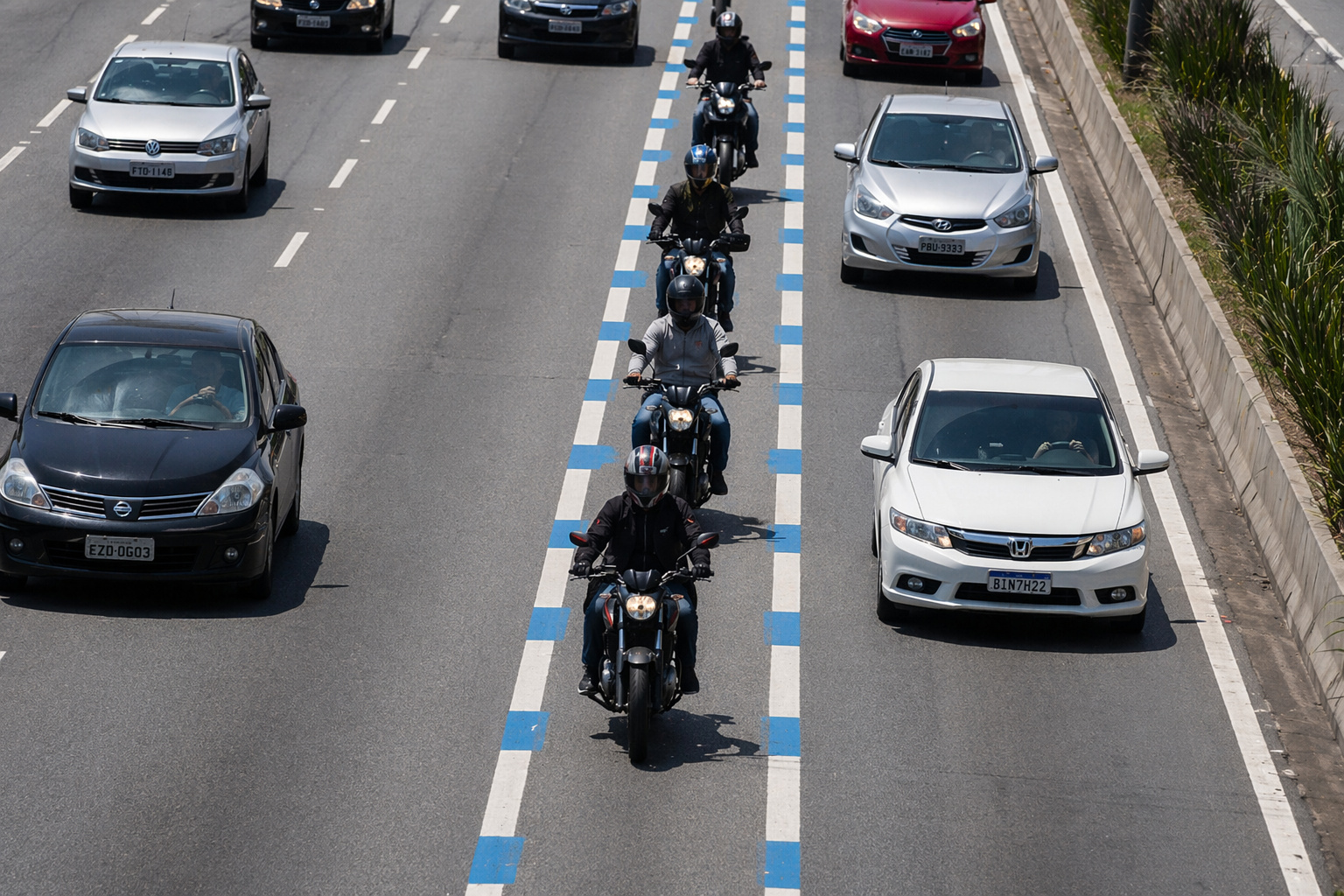
Blue stripe for motorcycles blocked: project may be suspended after the end of authorization and studies raise doubts about the real impact on traffic safety in São Paulo.
-
Blue strip for motorcycles blocked: project may be suspended after the end of the authorization and studies raise doubts about the real impact on traffic safety in São Paulo.
After the replacement, in partnership with the LOTS Group and the Green Logistics Brazil Program (PLVB), we began monitoring the data related to pollutant emissions from the trucks, and the study pointed out that, during the analyzed months, the CNG-powered vehicles reduced greenhouse gas emissions by 27% into the environment.
“Today, we have 14 gas-powered trucks in LOTS’ road operation in São Bernardo do Campo, which represents 50% of the local fleet. Our goal is to continue renewing the vehicles and soon have an operation with 100% of trucks powered by alternative fuels to diesel,” reveals the Road Operations Manager of LOTS Group, Rafael Santos.
Cost Savings
The transition from diesel-powered trucks to gas-powered vehicles stands out as a viable solution not only for contributing to environmental preservation but also for bringing economic benefits. “Natural gas, as an alternative fuel, is generally cheaper than diesel. In this case, our study showed that we achieved a 21% reduction in fuel costs after the introduction of gas-powered vehicles into our fleet,” says Rafael.
In addition to the vehicle replacement, effective management, driver training, and onboard technologies also contributed to these results. “LOTS invests in transportation technology; we have sensors and modules that monitor driver behavior to improve driver performance, as well as various training programs that result in more efficient and safer driving, reduced vehicle wear, and thus, lower fuel consumption and emissions of polluting gases,” explains the Road Operations Manager.
About LOTS Group
Founded in 2016 in Sweden, LOTS Group was established with the mission of optimizing logistics flows through technology and innovation. Since 2018 in Latin America, the company offers logistics solutions to better analyze flows, identify bottlenecks, and improve deviations. Focused on four sectors: agribusiness, mining, forestry, and road transport, LOTS works to truly enhance delivery quality with innovative implementations, aiming for the arrival of hyper-technological vehicles in logistics operations that occur in confined environments and with less human interaction.







Seja o primeiro a reagir!