





 English
  Francês
  Alemão
  Italiano
  Japonês
  Norueguês
  Portuguese
  Spanish
  3 min of reading
  0 comments


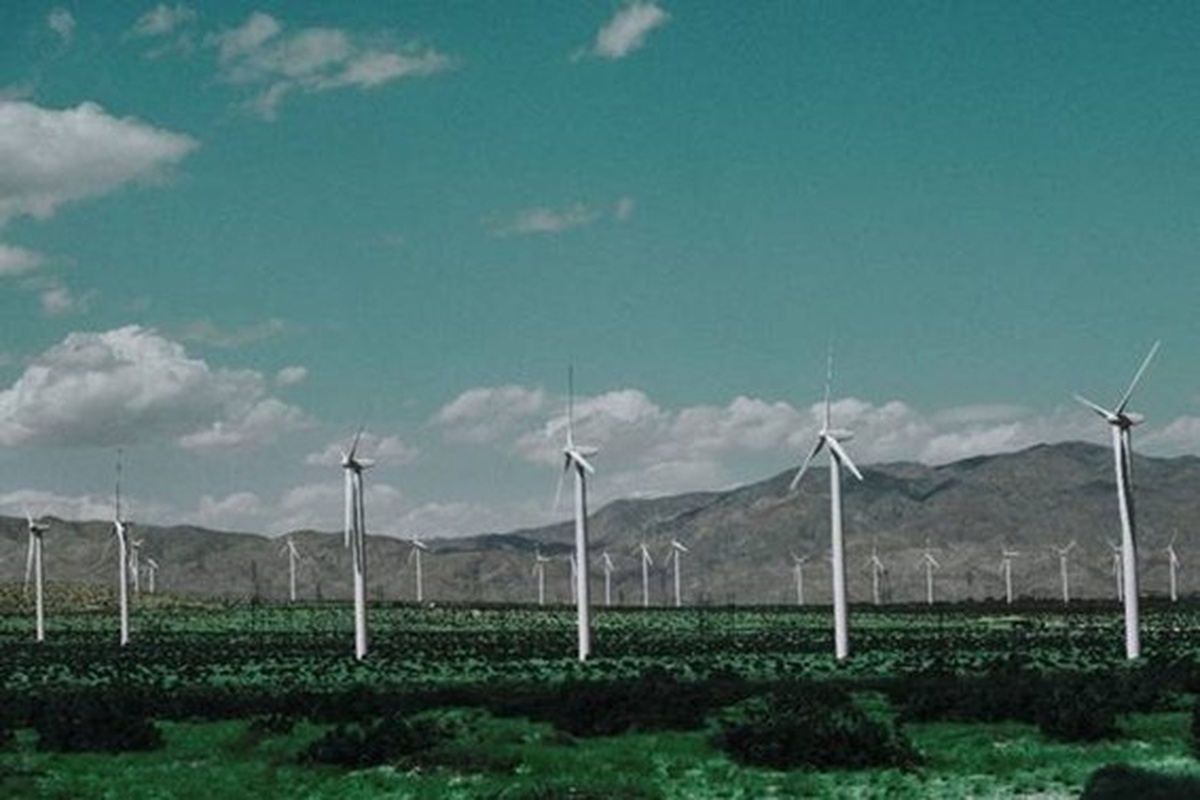
How Lubrication Technology Ensures Performance, Operational Safety, and Cost Reduction in the Expansion of Wind Energy in the Country.
Wind energy has established itself in recent years as one of the main renewable sources in Brazil and the Americas. According to the Global Wind Energy Council, in a report released in 2023, Brazil, the United States, and Mexico lead wind generation on the continent. Moreover, still in 2023, Brazil ranked third globally in new wind farm installations.
Currently, according to 2023 data from the Brazilian Wind Energy Association (ABEEólica), the country has 1,104 wind farms and 11,728 wind turbines in operation, distributed across 12 states. Therefore, this growth is supported by continuous technological advancements and, at the same time, by the high potential of constant and strong winds in strategic regions.
Growth of Wind Energy Demands High Operational Performance
Given this significant advancement, it becomes essential to ensure that the turbines operate at maximum efficiency. In this context, industrial lubricants play a strategic role as they ensure the proper functioning of mechanical components.
-
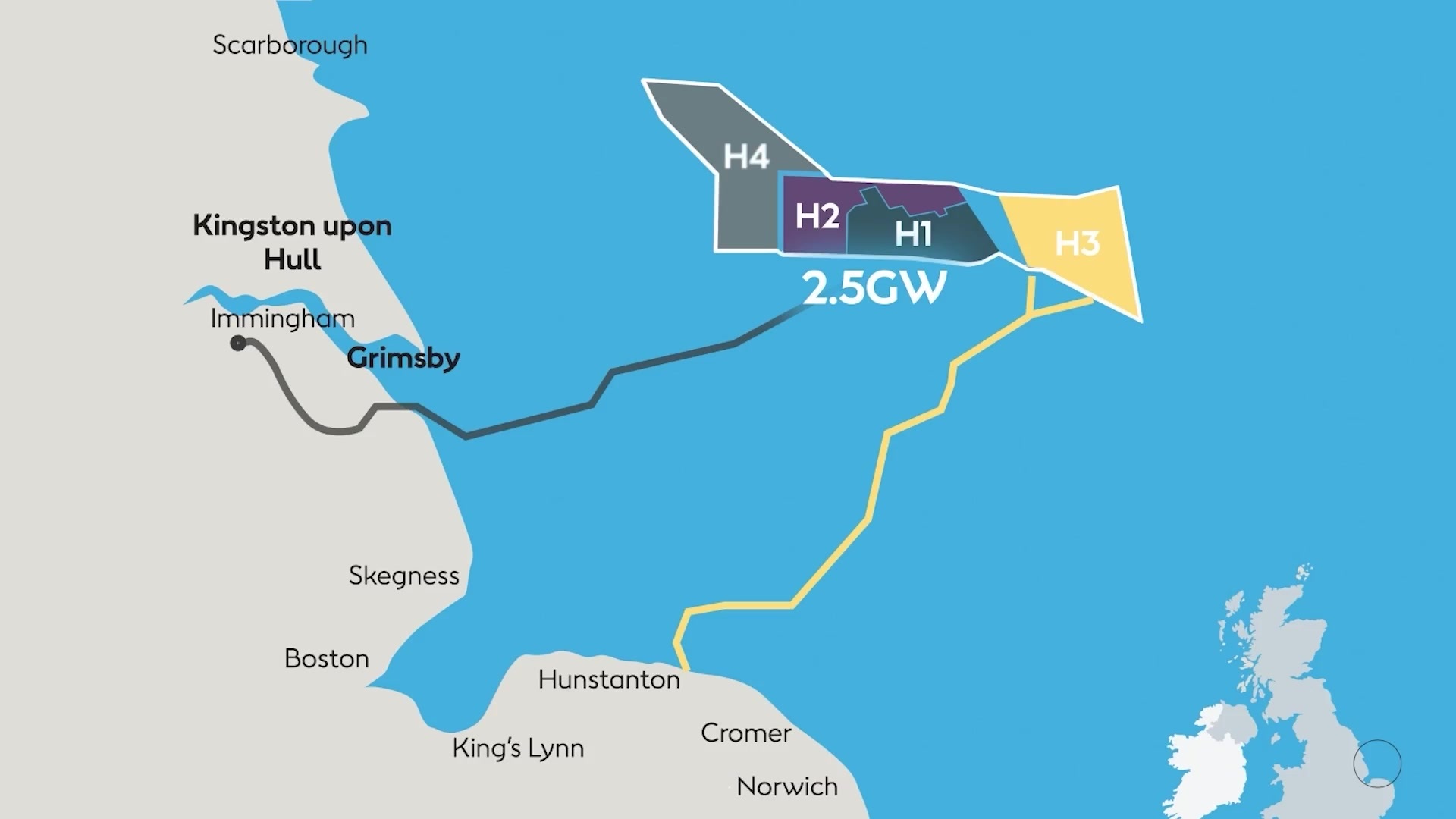
231 turbines of 260 meters at 160 km from the coast, monopiles weighing as much as nine blue whales embedded in the North Sea, and a crane ship taller than the Eiffel Tower: Hornsea 3 will be the largest offshore wind farm on the planet by 2027, and its first components have already arrived in England.
-
International Certification Puts Senai Norte on the Renewable Energy Map and Expands Access to Essential Training for Qualified Wind Power Professionals

-
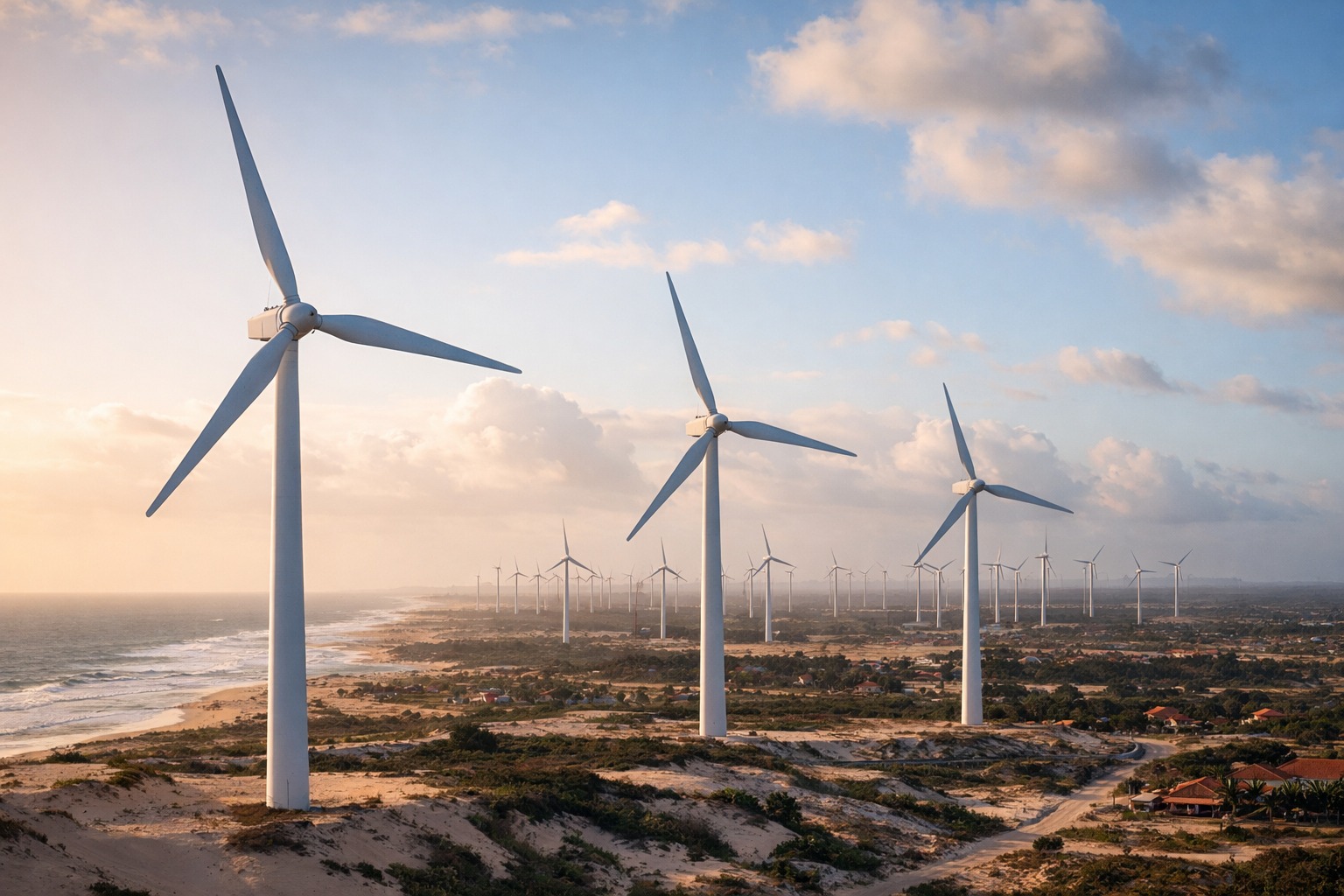
The Winds of the Northeast Are in Foreign Hands: Nearly 70% of the Region’s Wind Farms Are Owned by International Companies, with France, China, and Italy Leading Investments in Wind Energy in Brazil
-
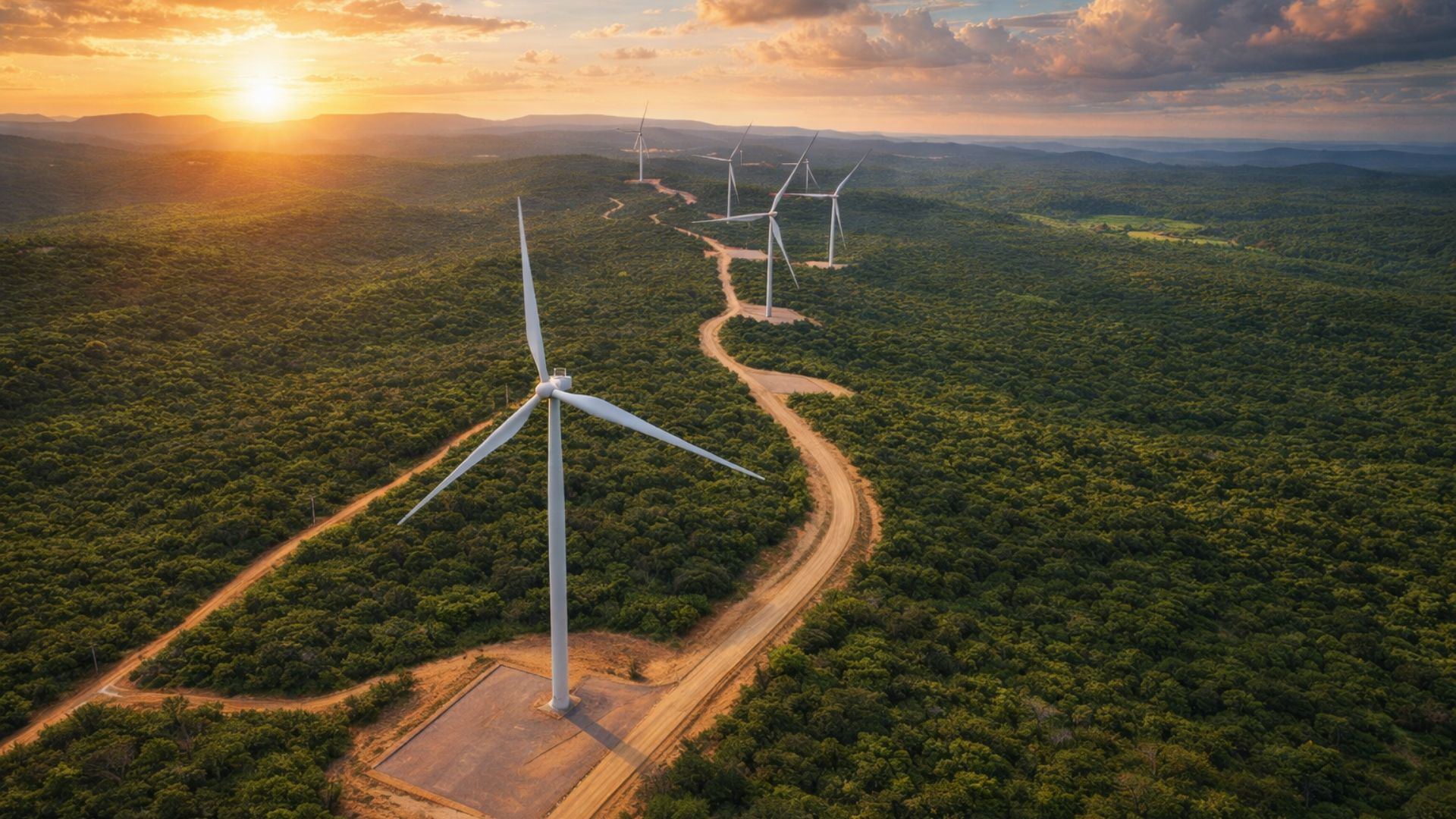
Echoenergia’s Wind Farms Receive Diamond and Platinum Seals and Boost Carbon Credits with Projects that Prevent Large Volumes of Annual Emissions

Additionally, each turbine requires lubrication in multiple systems, such as:
• Hydraulic System
• Bearings
• Gears
• Yaw System Transmission
Consequently, the main goal is to preserve optimal performance and extend the lifespan of these elements. Therefore, the correct application of the lubricant reduces failures and prevents premature wear.
Technical Challenges in Brazilian Wind Farms
However, the maintenance of turbines presents relevant challenges. Firstly, the towers are very tall. Additionally, many installations are located in remote areas.
As a result, access for maintenance becomes complex and, in certain situations, dangerous for technicians. In mountainous regions, for example, strong winds and extreme temperatures hinder operations.
In this scenario, high-tech lubricants become even more relevant. This is because they form a protective film against friction and wear.
Thus, investing in advanced formulations reduces the need for frequent interventions. Consequently, this decreases operational risks and maintenance costs.
Direct Impact of Lubricant on Energy Generation
Wind turbines operate under severe environmental conditions. Therefore, choosing the right lubricant directly impacts the efficiency of electricity generation.
However, it is important to highlight that not all products have the same formulation. Thus, the physicochemical properties influence energy performance.
Among the main benefits of high-performance lubricants, the following stand out:
• Protection Against Corrosion
• Reduction of Energy Losses Due to Friction
• Prevention of Mechanical Failures
• Increased Lifespan of Components
• Decrease in Wear of Parts
Moreover, formulations with lower viscosity may have less environmental impact. Thus, they contribute to more sustainable operations.
Efficiency, Sustainability, and Growing Energy Demand
Meanwhile, the increase in energy demand in Brazil reinforces the importance of operational reliability. This scenario is driven, among other factors, by the expansion of data centers in the country.
Therefore, investing in high-tech industrial lubricants becomes a strategic measure. After all, these products support the efficiency of wind farms and strengthen the Brazilian renewable matrix.
Finally, by aligning technical performance, operational safety, and sustainability, the wind sector consolidates its position as a pillar of the energy transition in the country.

By: Charles Leite is Business Development Coordinator for Windpower at FUCHS, the world’s largest independent manufacturer of lubricants and related products.










Seja o primeiro a reagir!