





 Portuguese
  English
  Spanish
 3 min of reading
  0 comments


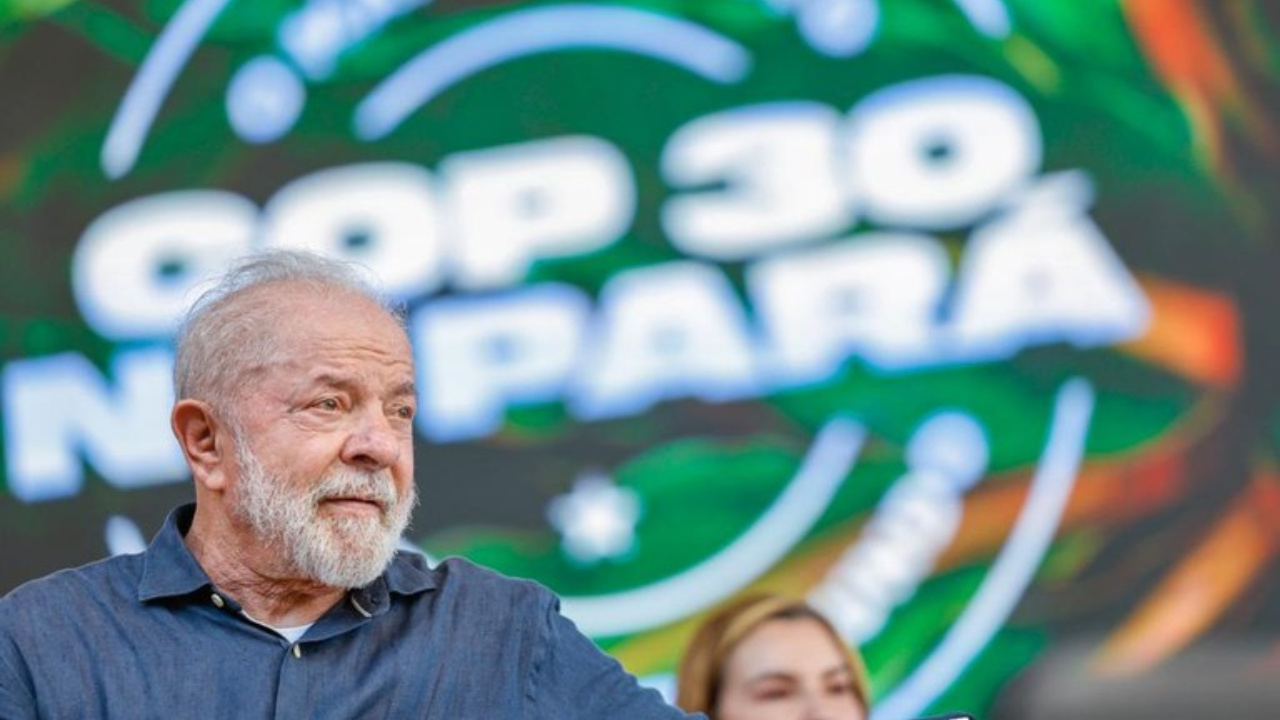
In Interview, Lula Defends Oil Exploration by Petrobras in the Mouth of the Amazon, Despite Environmental Criticism and the Global Goal of Reducing Fossil Fuels. President Reinforces That No Country Is Ready to Give Up Oil.
President Luiz Inácio Lula da Silva stated in an interview with BBC News Brasil on Wednesday, 09/17, that the definitive abandonment of fossil fuels, such as oil, is not a viable reality at present. For Lula, the energy transition needs to occur responsibly and adapted to the needs of each country.
“I want to know which country on the planet is prepared to have an energy transition capable of renouncing fossil fuel,” the president asserted, emphasizing that the planned exploration in the Equatorial Margin does not contradict the environmental commitments made by Brazil.
Petrobras Project in the Equatorial Margin
Petrobras is conducting an oil exploration project in the Equatorial Margin, located about 500 km from the mouth of the Amazon River and over 160 km from the coast of Amapá. The goal is to drill an exploratory well in deep waters, an initiative that has already received approval from Ibama’s prevention plan, but still depends on the completion of the environmental licensing process.
-
The rise in oil prices could ensure an extra revenue of R$ 100 billion for the Federal Government, indicates a recent economic study.

-
Naturgy begins an investment of R$ 1.6 million to expand the gas network in Niterói and benefit thousands of new residences and businesses.

-
A major turn in the Justice system suspends tax increases and directly impacts oil and gas companies in Brazil by affecting costs, contracts, and financial planning, leaving uncertain what could happen to the sector if these costs had increased.

-
Brava Energia begins drilling in Papa-Terra and Atlanta and could change the game by reducing costs in oil while increasing production and strengthening competitiveness in the offshore market.
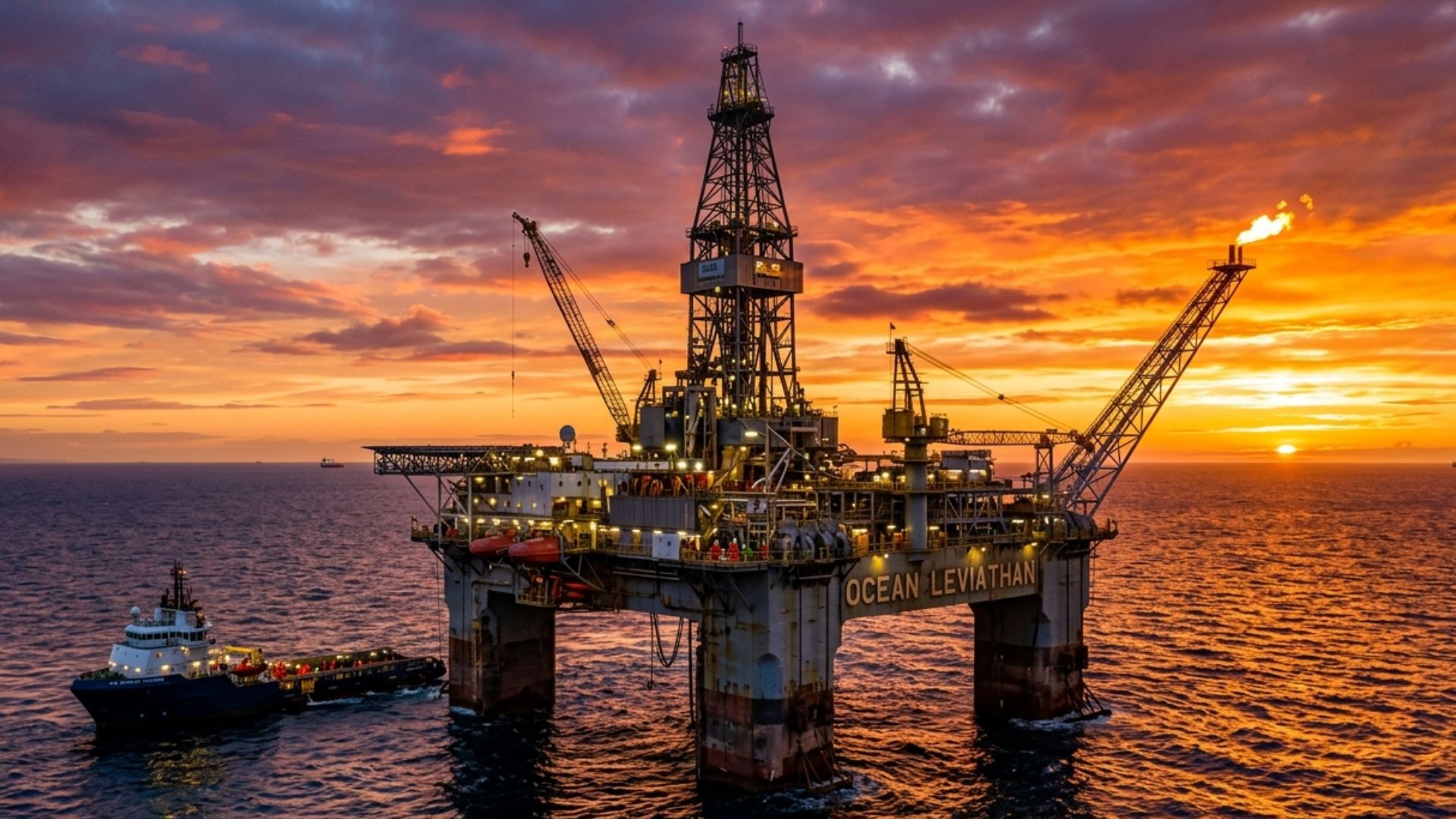

The state-owned company argues that the confirmation of significant oil reserves in this region could open a new strategic energy frontier for Brazil. According to the company, this expansion could also contribute to making the country’s energy transition “fair, safe, and sustainable.”
Despite the federal government’s and Petrobras’ defense, exploration in the mouth of the Amazon generates controversy. Environmentalists warn about the risks of a possible oil spill in a highly sensitive region, with unique ecosystems directly connected to the Amazon.
The topic has also revealed internal divergences. The Minister of the Environment, Marina Silva, has already stated that she is opposed to the initiative. However, she reinforced that the decision will be made based on technical criteria, not political ones.
Lula, for his part, argues that Petrobras has the “best deep-water exploration technology” and highlights the company’s history. “There has never been an incident,” the president said, asserting that, should any problem arise, the government will be responsible for taking the necessary measures.
International Pressures and Global Goals
Lula’s position contrasts with recommendations from the International Energy Agency (IEA), which advocates for an immediate halt to new oil and gas projects as part of the global strategy to achieve carbon neutrality by 2050. This measure is deemed essential for limiting the effects of climate change and reducing reliance on fossil fuels.
Critics of the exploration in the Equatorial Margin argue that insisting on opening new oil production fronts undermines international climate commitments and may harm Brazil’s image as an environmental leader.
The COP30 and the Amazon Showcase
The interview also brought reflections on the hosting of COP30 in Belém (PA), scheduled for November. Lula acknowledges the logistical challenges and high accommodation prices in the Pará capital, but reinforced the symbolic importance of the choice.
“The COP was chosen to be held in the Amazon because I want the world, instead of just talking about the Amazon, to know the Amazon,” he stated. The president further said: “I want people who are concerned about forests to come and see the forest. It’s very easy to hold a COP in Paris, in Dubai.”
According to Lula, the conference will be the largest ever organized by Brazil and should become a showcase to show the world both the environmental challenges and the advances in the national energy transition.
During the interview, Lula sought to emphasize Brazil’s differentiation compared to other countries. He highlighted that about 90% of Brazil’s electrical matrix is clean, made up of hydropower, wind, solar, and biomass energy.
“We are making the largest energy transition revolution that any country is undergoing,” he asserted. The president argued that this profile already positions Brazil as a global leader in the area, even while maintaining ongoing oil exploration projects.




-

Uma pessoa reagiu a isso.