





 Portuguese
  English
  Spanish
 5 min of reading
  0 comments


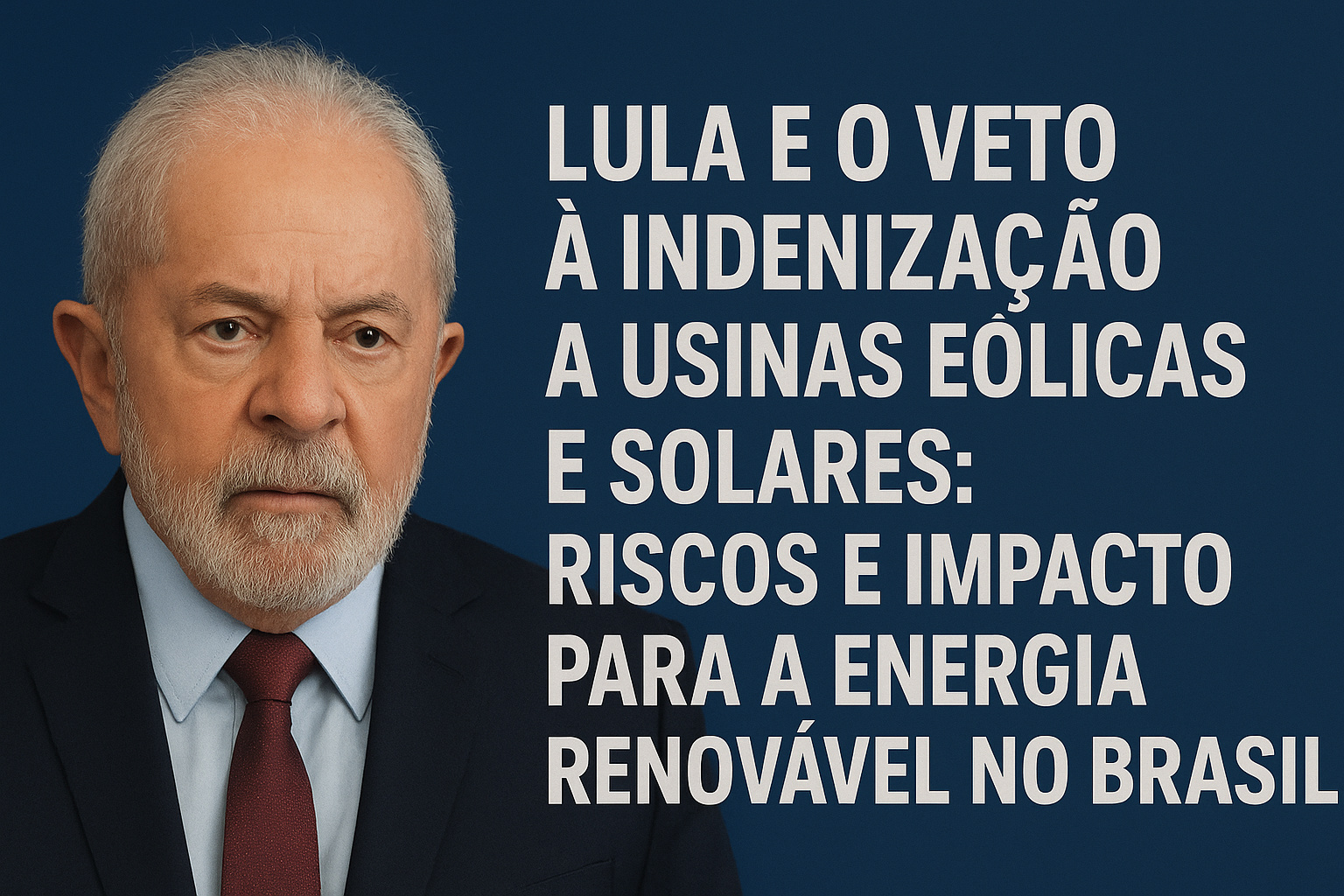
Renewable Energy In Brazil Is In A Delicate Moment. Despite Its Growing Importance To The National Electricity Matrix, The Government Of Luiz Inácio Lula Da Silva Is Assessing Whether To Veto A Provision In A Provisional Measure (MP) That Provides Compensation To Wind And Solar Plants.
Historically, this type of dispute reveals the tensions between promoting clean sources and costs for consumers.
According To Agência O Globo, The Amendment That Requires Payment For These Compensations Was Inserted At The Last Minute In The MP Of The Electricity Sector By Deputy Danilo Forte (União-CE). This Provision Provides Full Compensation To The Plants Affected By Production Cuts — The So-Called Curtailment.
The Curtailment Is Implemented By The National Electric System Operator (ONS) To Maintain The Stability Of The Electric Grid When There Is An Excess Of Supply. In The Case Of Wind And Solar Plants, These Cuts Become Problematic Because The Energy From These Sources Cannot Be Easily Stored.
-
Researchers discover a possible hydrogen deposit of up to 46 million tons beneath an ancient coal basin, and the volume could exceed half of the entire global production.

-
China bets on the Fishery-PV model and transforms fish farms into giant solar plants, covering ponds with panels that generate energy while utilizing the same space for large-scale aquaculture production.

-
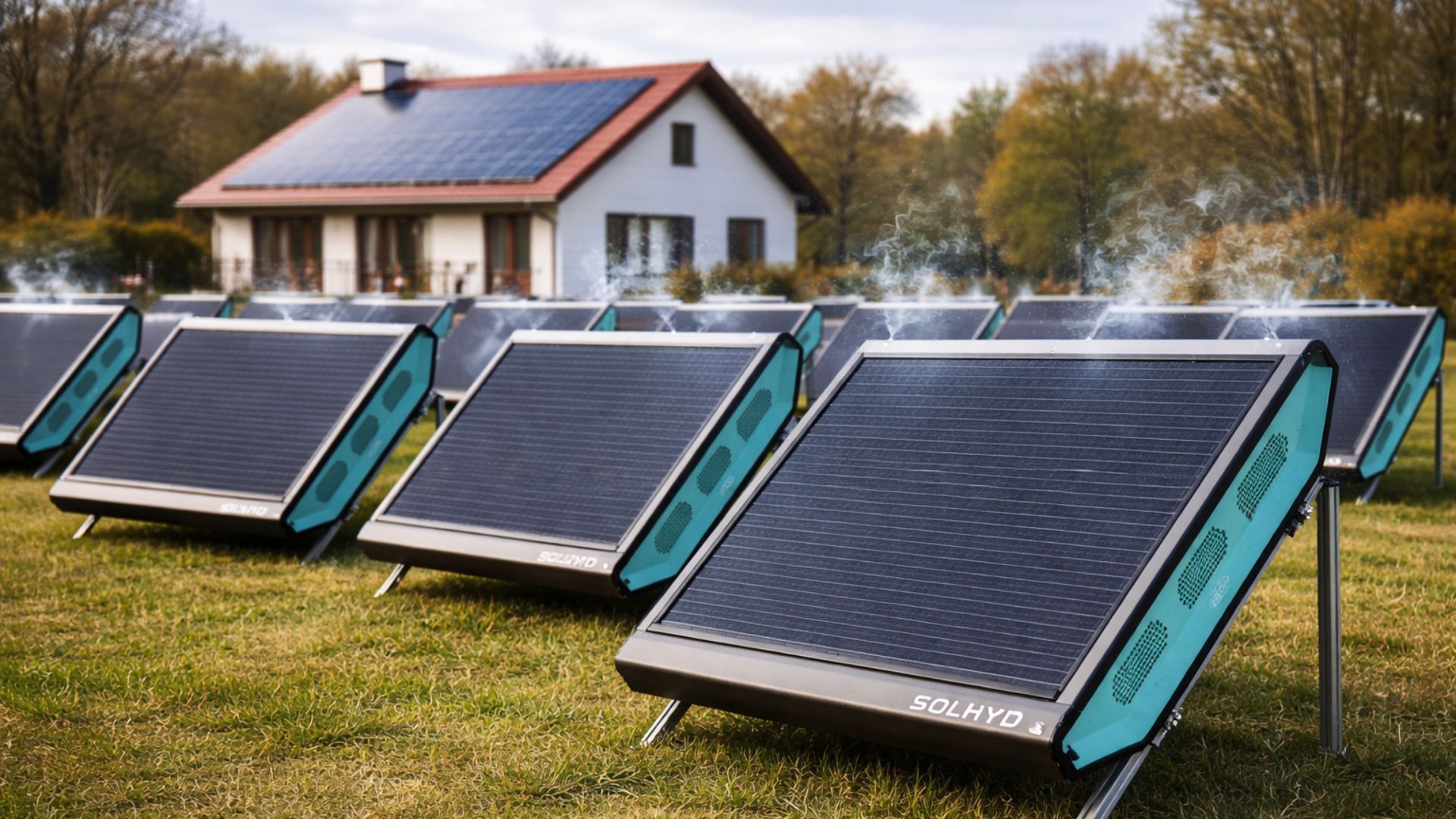
Green hydrogen at home: Belgium launches new technology that makes solar panels produce fuel from the moisture in the air, which could boost the energy transition.
-
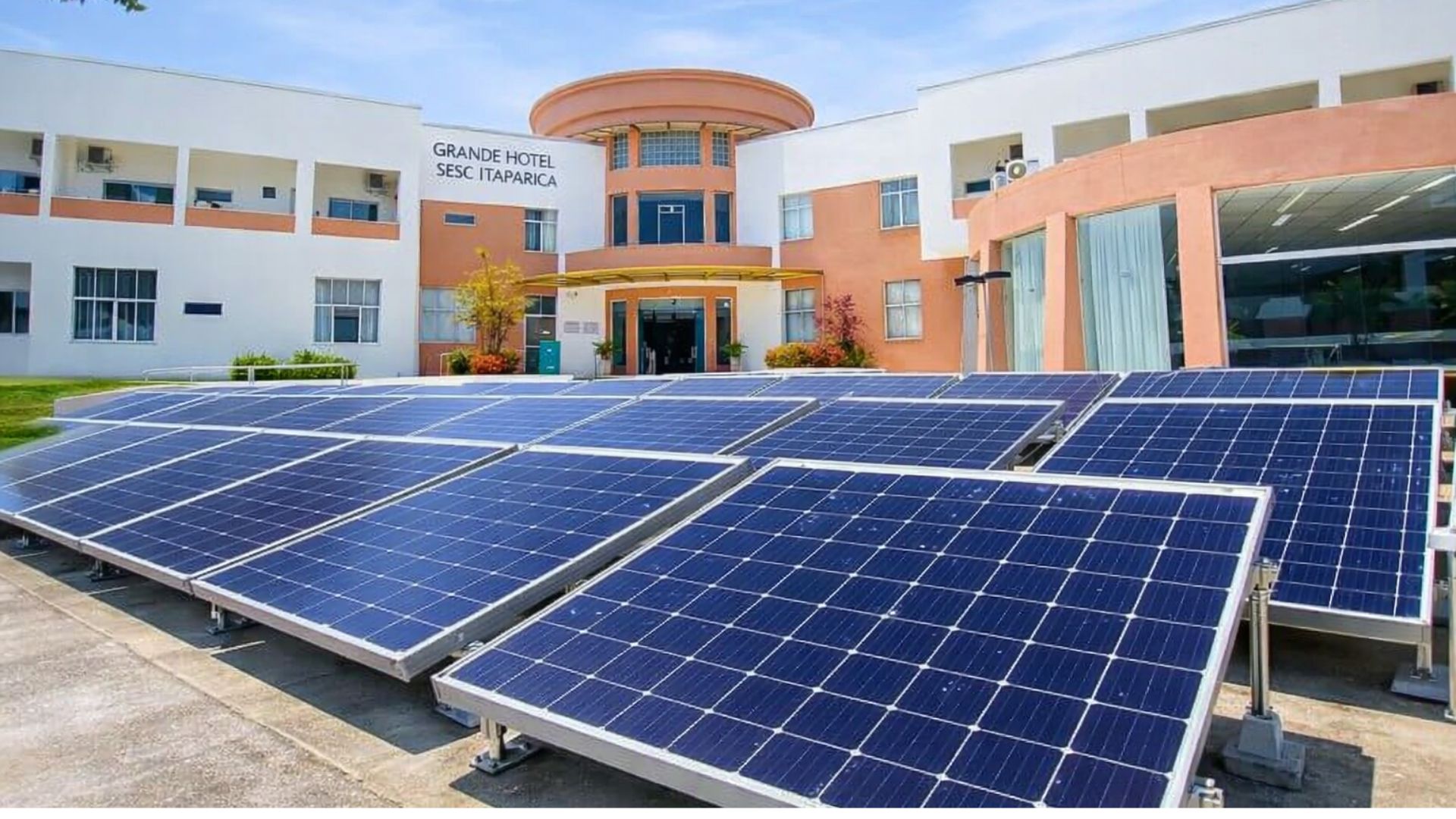
Sesc-BA bets on renewable energy with the support of EDP and drives the energy transition with a direct impact on cost reduction and the sustainability of its operations in Bahia.

Government Sources Revealed That The Special Secretariat For Legal Affairs (SAJ) Of The Civil House Identified Flaws In The Amendment’s Wording. Therefore, Lula Would Be Preparing To Veto It. Additionally, Politically, The Executive Branch Assesses That Full Compensation For Losses Would Be Unfeasible Due To The Estimated Impact On Tariffs — About R$ 7 Billion, According To The Association Of Large Consumers, Abrace.
A High Impact On The Electricity Bill
If Sanctioned, The Amendment Proposed By Forte Would Allow Retroactive Compensations From September 2023, As Long As The Plants Gave Up On Legal Actions. In Abrace’s Interpretation, This Would Result In An “Immediate Impact” Of R$ 7 Billion On Electricity Bills, Passed On To Consumers.
On The Other Hand, Officials From The Presidential Palace Stated That Even Considering A More Modest Compensation — Of About 5% Of The Estimated Losses — There Would Still Be A Way To Allow Some Payment Without Burdening The Population Too Much. This Percentage, According To Them, Would Be More In Line With International Practices.
Thus, The Crisis Is Not Only Technical: It Also Involves A Political And Economic Dilemma. By Vetoing The Amendment, Lula Avoids A Billion-Dollar Increase For Consumers. If He Sanctions It, He May Favor Renewable Producers — Who, In Turn, Argue That They Already Suffer Significant Losses Due To Cuts Defined By The ONS.
Conflicting Pressures And Interests
Lula’s Decision Takes Place In A Context Of Strong Pressure. For Deputy Danilo Forte, The Veto Would Be A Contradiction With The Government’s Discourse On The Valuation Of Clean Energy, Including In International Forums Such As The COP30. Brasil 247
On The Government Side, The Minister Of Mines And Energy Is Also At The Center Of The Discussion. According To Reports, He Believes That The Appropriation Of Full Compensations To The Plants Would Interfere With Tariff Modicity And Responsibility Towards Consumers.
In Other Words, Key Actors In The Public, Legislative, And Private Sectors Are In Conflict, Balancing Between Justice For Renewable Producers And Protection For Brazilians Who Pay The Electricity Bill.
A History Of Debates In The Electricity Sector
To Understand This Moment, It Is Useful To Trace The Path Of Electricity Regulation In Brazil.
Since The Creation Of PROINFA (Program For The Incentive Of Alternative Sources) In The 2000s, The Country Has Been Encouraging Renewable Energy Plants — Wind, Solar, And Biomass — Through Auctions And Subsidies. This Policy Promoted By The Federal Government Allowed Brazil To Rise As A Protagonist In Clean Generation.
Nevertheless, The Issue Of Compensation For Production Cuts Is Not Entirely New. In 2024, Renewable Plants Had Already Reported Losses Caused By The Curtailment Imposed By The ONS. According To A Report By Valor Econômico, These Restrictions Increased When Wind And Solar Production Intensified; Thus, Companies Requested Compensations Regulated By The National Electric Energy Agency (ANEEL).
In The Regulatory Framework, The ANEEL Also Plays A Central Role. For Example, There Is A Formal Process (VOTE 48500.014689/2025) That Discusses The Obligation To Apply Alleviation Mechanisms For Negative Financial Exposures For Wind And Solar Plants. Aneel
Thus, Lula’s Veto Is Embedded In An Environment That Mixes Decades Of Evolution In The Brazilian Energy Matrix, Regulatory Debates, And Market Pressures.
The Consequences Of The Veto For Renewable Energy
If The Veto Comes, What Will Be The Effect On The Development Of Renewable Energy? The Main Consequence May Be Disincentivizing New Investments.
Many Wind And Solar Plants Project Their Cash Flows Based On Compensation Forecasts In Case Of Cuts. Without A Guarantee Of Reimbursement, Investors May Be Cautious — Especially Those Who Embarked On Bolder Projects.
Moreover, This Decision Symbolizes A Retreat In Institutional Support. No Matter How Much The Government Claims To Respect The Energy Transition, The Veto May Be Interpreted As A Priority For Short-Term Tariff Modicity, Instead Of A Robust Long-Term Strategy To Strengthen Clean Sources.
On The Other Hand, If The Veto Protects Consumers, Especially The Most Vulnerable, It May Prevent A Significant Increase In Tariffs, Which Would Impact The Social Acceptance Of The Energy Transition. This Balance Is Delicate — And The Government Needs To Show That It Can Manage Both Ecological And Economic Sustainability.
An Uncertain But Strategic Future
Even With This Controversy, Brazil Continues To Have Enormous Potential For Renewable Energy. The Country Has Abundant Sunshine, Strong Winds In Specific Regions, And Has Already Established A Regulatory Base That May Become Increasingly Friendly To Clean Sources.
If Lula Vetoes The Compensation, It May Signal That His Government Prioritizes The Population Over Renewable Corporations — But It Could Also Stimulate Smarter Policies To Address This Type Of Compensation In The Future, Such As Partial Alleviation Mechanisms Or Regulatory Insurance.
If, On The Other Hand, He Chooses To Allow Some Compensation (As Suggested By Aides: Something In The Range Of 5% Of The Losses), He May Maintain Investor Confidence And Encourage New Plants, But He Will Need To Ensure Transparency To Avoid Excessive Pass-Throughs To Consumers.


In Any Scenario, This Moment Reinforces That The Energy Transition Is Not Only Technical: It Is Deeply Political.








Seja o primeiro a reagir!