





 Portuguese
  English
  Spanish
  3 min of reading
  0 comments


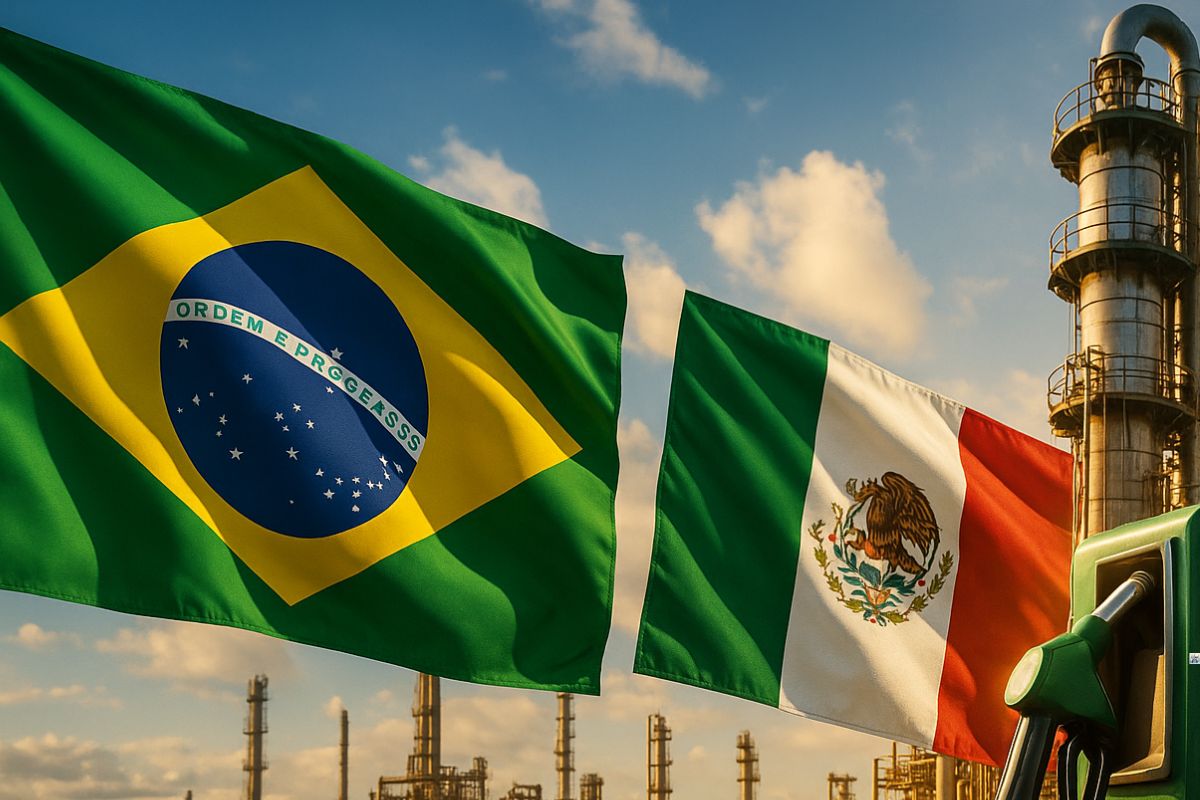
In A New Phase of Diplomatic Closer Cooperation, Presidents Luiz Inácio Lula da Silva and Claudia Sheinbaum Consolidated Brazil-Mexico Cooperation Focused on Ethanol Production and Sustainable Energy Policies, Signing Bilateral Commitments Aimed at Strengthening Latin America’s Energy Transition.
The relationship between Brazil and Mexico has entered a phase of strategic consolidation. In a phone conversation this week, President Luiz Inácio Lula da Silva and President Claudia Sheinbaum Reinforced Brazil-Mexico Cooperation Aimed at Expanding Ethanol Production, a renewable fuel that plays a central role in the energy agenda of both countries. The initiative seeks to combine Brazilian technical expertise with the Mexican effort to reduce dependence on fossil fuels and develop a domestic biofuels market.
The dialogue also confirmed mutual interest in transforming this partnership into a regional sustainable development axis. The expansion of agreements on biofuels, sustainable aviation, and social programs related to energy security reflects a new phase of Latin American environmental diplomacy. The goal is to establish an integration model that combines technological innovation, sustainability, and economic strengthening among the two largest economies in the region.
Brazil-Mexico Cooperation: An Strategic Energy Axis
Brazil is the world’s largest producer of sugarcane and a global reference in agricultural-based ethanol production.
-
Elderly individuals aged 65 or older who have never contributed to the INSS can receive R$ 1,621 per month in 2026 without having paid any contributions in their lifetime: learn how the benefit works that already supports nearly 7 million Brazilians.

-
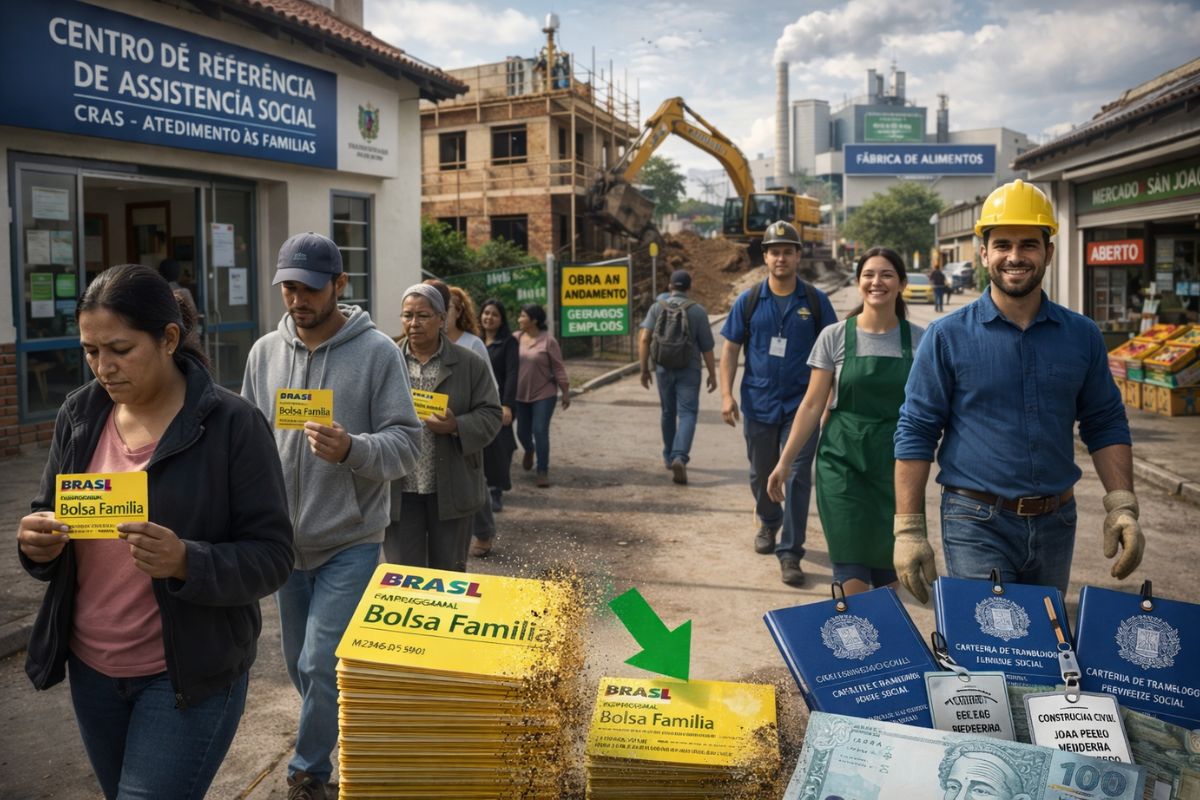
The gaucho city reduced the number of Bolsa Família beneficiaries by almost 40% in just a year and a half with active outreach that connects each registered person directly to job vacancies in Bento Gonçalves in Rio Grande do Sul.
-
The bluest city in Brazil has just gained a new floating bridge for the free crossing between the island and the mainland, connecting residents and visitors to the historic center of São Francisco do Sul every day of the week.

-
In a silent race, Shopee signs a mega contract in Guarulhos and accelerates the e-commerce war with faster deliveries, pressured shipping, and a new threat to rivals in Brazil.


Meanwhile, Mexico, under the leadership of Claudia Sheinbaum, aims to use this experience as a model to modernize its energy matrix.
Brazil-Mexico cooperation will enable the transfer of technical knowledge, promote joint investments, and accelerate biofuels pilot projects in Mexican territory.
The Declaration of Intent on Bilateral Cooperation establishes guidelines for the advancement of sustainable fuels, including ethanol and SAF (sustainable aviation fuel).
The plan also provides support for market regulation and the training of specialists in the energy sector.
This integration represents a decisive step to enhance the regional influence of both nations in the field of clean energy.
Ethanol Production as a Tool for Sustainable Development
Sheinbaum’s request to strengthen Brazil-Mexico cooperation aims to increase local ethanol production and meet the growing domestic demand in Mexico.
The biofuel is seen as a viable alternative to reduce carbon emissions and provide new economic opportunities for rural producers.
With four decades of flex automotive production and technology experience, Brazil emerges as a natural partner in this process.
Brazilian ethanol, internationally recognized for its energy efficiency, will serve as a basis for technological transfers and incentive programs in the neighboring country.
The exchange is expected to include studies on agricultural productivity, soil quality, and rational water use.
Energy Diplomacy and Regional Integration
The conversation between Lula and Sheinbaum reinforced not only the economic character but also the geopolitical role of Brazil-Mexico cooperation.
Both governments consider that energy integration is essential to strengthen Latin America’s autonomy amid the global transition to clean sources.
The dialogue also addressed climate commitments and joint participation in COP30, which will be held in Belém.
Mexico will appoint Minister Alicia Barcenas as the official representative at the event, while Lula reaffirmed interest in consolidating multilateral agreements that position the continent as a protagonist in the environmental agenda.
Expectations and Next Steps of the Partnership
Mexican Chancellor Juan Ramón de La Fuente Ramírez will visit Brazil at the end of November to continue the discussions.
The expectation is to sign a new trade agreement that deepens the exchange of green technologies and boosts cooperation in industrial policies related to ethanol and decarbonization.
For the Brazilian government, this closer relationship represents an opportunity to project internationally the biofuels model that the country has mastered for decades.
Therefore, Brazil-Mexico cooperation symbolizes a joint bet on sustainable energy solutions capable of generating growth, reducing inequalities and preparing the region for a low-carbon economy.
Do you believe that this alliance between Brazil and Mexico can transform Latin America’s role in the global energy transition? Leave your opinion in the comments.








Seja o primeiro a reagir!