





 Portuguese
  English
  Spanish
  4 min of reading
  0 comments



Debate About Ending the 6×1 Shift Gains Strength in the Federal Government and Reaches Congress as a Priority, With Public Support from the President, Focus on Quality of Life, Technological Advancements, and Political Negotiation to Discuss Changes in Work Hours Without Salary Reduction.
President Luiz Inácio Lula da Silva has once again put the proposal to end the 6×1 work schedule at the center of public debate, a model in which employees work six consecutive days and rest for only one.
In an interview with UOL, Lula stated that the workday needs to be reviewed in light of the technological and productive transformations that have occurred in recent decades.
The president highlighted that the issue has become a priority for the federal government in its negotiations with Congress.
-
Unlike Brazil, China has banned gambling and casinos to curb the rise of gambling addiction, blocks platforms, punishes operators, and maintains one of the strictest policies in the world to prevent billions from escaping the economy and to protect the population from the social impacts of gambling.

-
China could impose a quarantine on Taiwan without firing a shot, using the coast guard and inspections to force submission, blocking trade, raising insurance costs, and leaving the U.S. divided between reacting or accepting.

-
Millions of Brazilians over 60 years old do not know that they need a second document in addition to their ID to use exclusive parking spaces, and the infraction for not carrying it is considered very serious, with fines and vehicle towing.

-
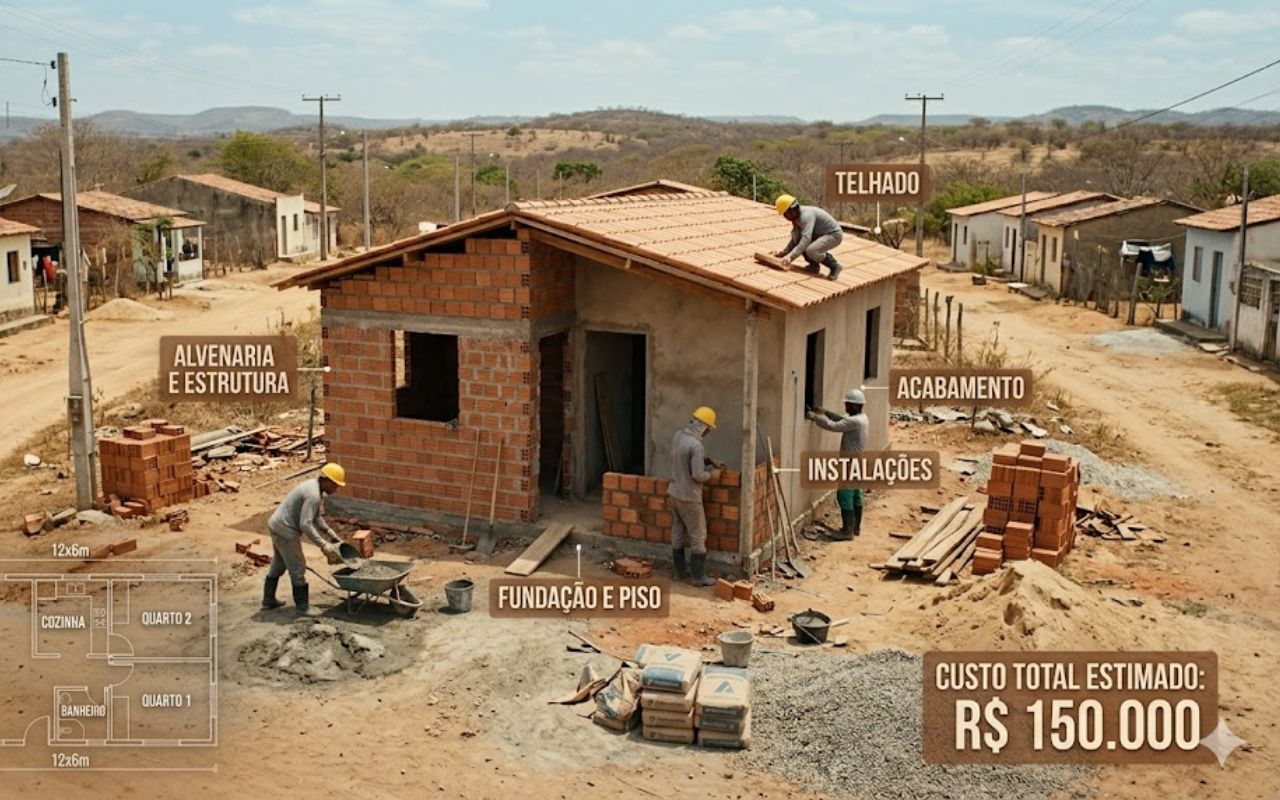
Paraíba shoots up and has the most expensive square meter in the Northeast, and the increase in labor puts the region at the center of pressure, with Bahia recording the highest monthly increase in Brazil in construction.

According to Lula, maintaining lengthy work hours with little rest does not reflect the current reality of the labor market.
In the evaluation of the head of the Executive Branch, increased productivity and the growing use of technology allow for discussions about new formats for organizing work hours.
During the interview, Lula directly linked technological advancements to the need to review standards adopted decades ago.
“With the technological advancements that Brazil has made, do you think it is necessary for people to work the same hours they did 40 years ago? It is time for us to make a change in this country’s work hours so that people have more time,” the president stated.
Technological Advancements and Revision of Work Hours
The central argument of the government is that technological development has profoundly altered the way wealth is produced, opening up opportunities for less arduous work hours.
According to Lula, the review of the current model should consider not only economic indicators but also the impact on the daily lives of workers.
The president emphasized that more free time can allow for studying, professional training, and family time, aspects considered essential for quality of life.
This statement reinforces a recurring discourse from the government that the modernization of labor relations must keep pace with economic changes.
Official Message to Congress Reinforces Priority
In addition to the interview, the topic was formally included in the message sent by the Presidential Palace to Congress at the start of the legislative year.
In the document, the government emphasized the importance of discussing the reduction of work hours without impacting salaries.
The text states that it is unfair for workers to complete a full week of intense work only to enjoy one day of rest.
The official signaling enhances the political weight of the debate and indicates that the Executive intends to advance the discussion throughout the year.
6×1 Shift in the Daily Life of Brazilian Workers
In Brazil, the 6×1 shift is widely used in sectors such as commerce, services, and activities with continuous operation.
The model allows distributing the weekly workload within legal limits, but often results in long weeks and limited rest.
For many workers, having a day off concentrated into only one day makes it difficult to organize personal, family, and social life.
The impact is even greater when the rest day occurs on alternate days or outside the weekend.
Resistances and Challenges in Legislative Debate
The proposal to end the 6×1 shift faces resistance from parts of the business sector and some lawmakers.
Critics point to potential impacts on operational costs, especially for small and medium enterprises.
Another sensitive point is the need for transition models for activities that depend on shifts and continuous schedules.
Regardless, the government maintains that reducing work hours does not necessarily mean a decline in productivity.
Productivity, Health, and Work Organization
Proponents of the change argue that better-rested workers tend to produce better.
There is also the expectation of a reduction in absenteeism due to health issues related to excessive work.
For the government, the challenge lies in balancing social gains with the economic sustainability of businesses.
The discussion involves adjustments in shifts, hiring practices, overtime, and shift organization.
Public Debate and Political Pressure
By bringing the issue to interviews and official documents, Lula turns the end of the 6×1 shift into a public commitment.
The strategy increases pressure on the legislature to advance the topic beyond conceptual debate.
The government signals its willingness to engage in dialogue with unions, entrepreneurs, and lawmakers in search of a viable model.
With the agenda officially placed and defended by the president as a necessary update to the labor landscape, will the country be able to redesign the work hours without transferring the cost of the change to the worker or to employment?








-

-

5 pessoas reagiram a isso.